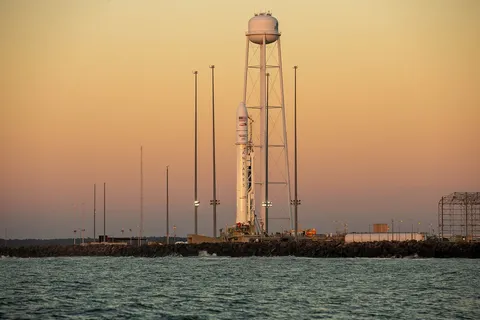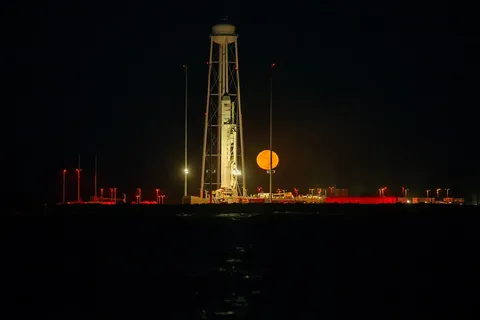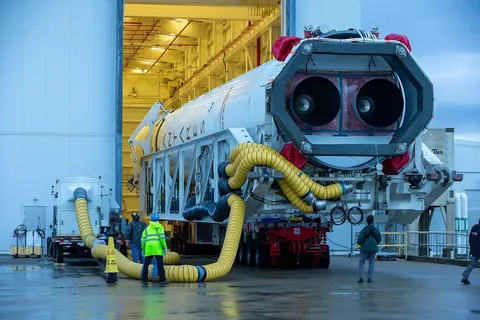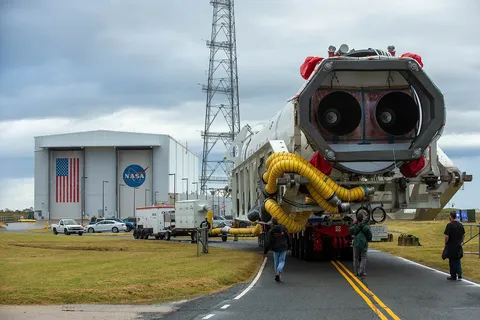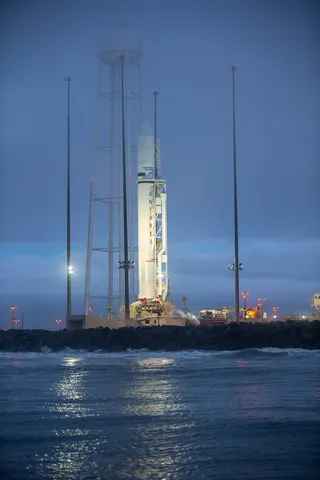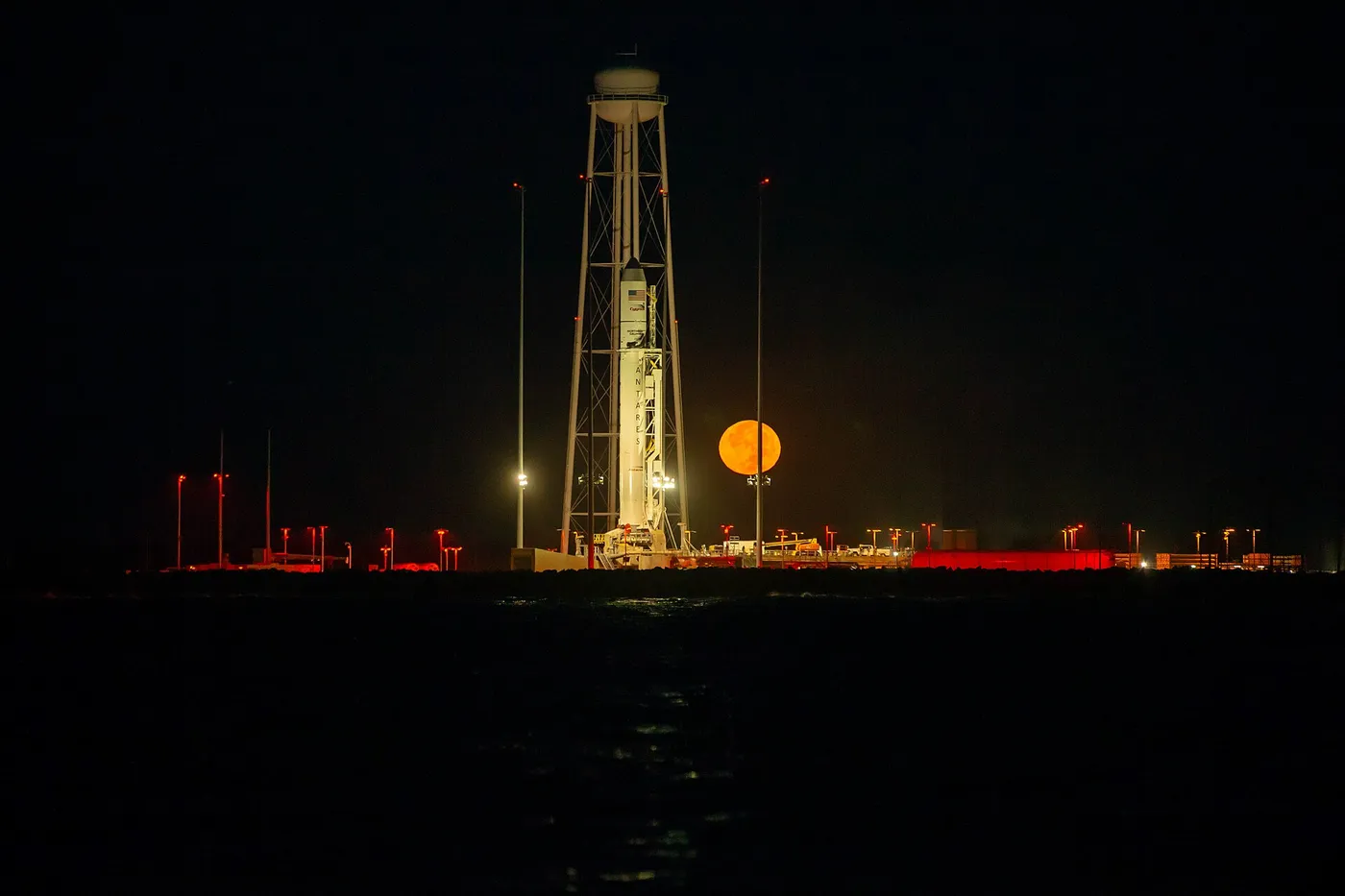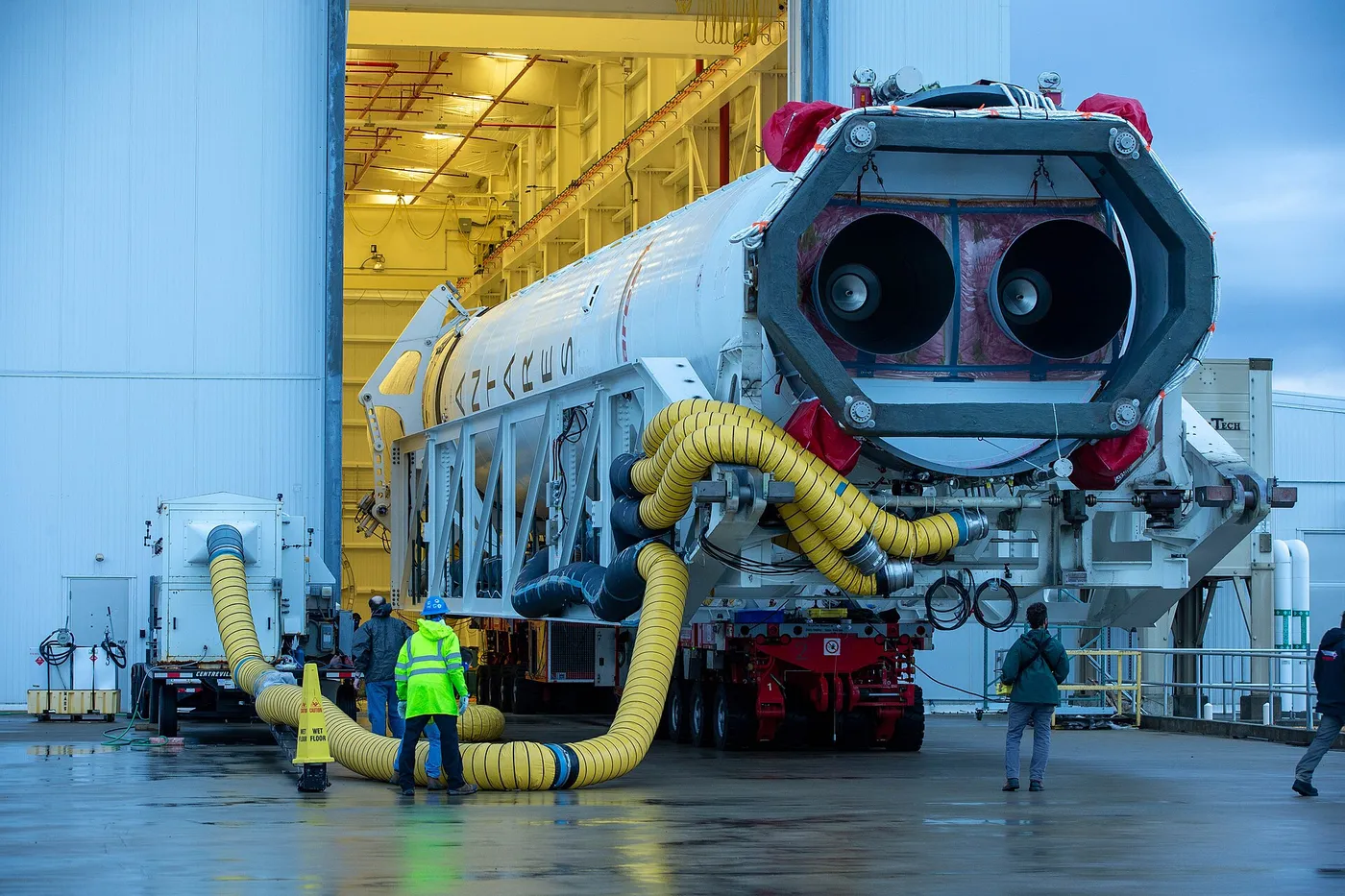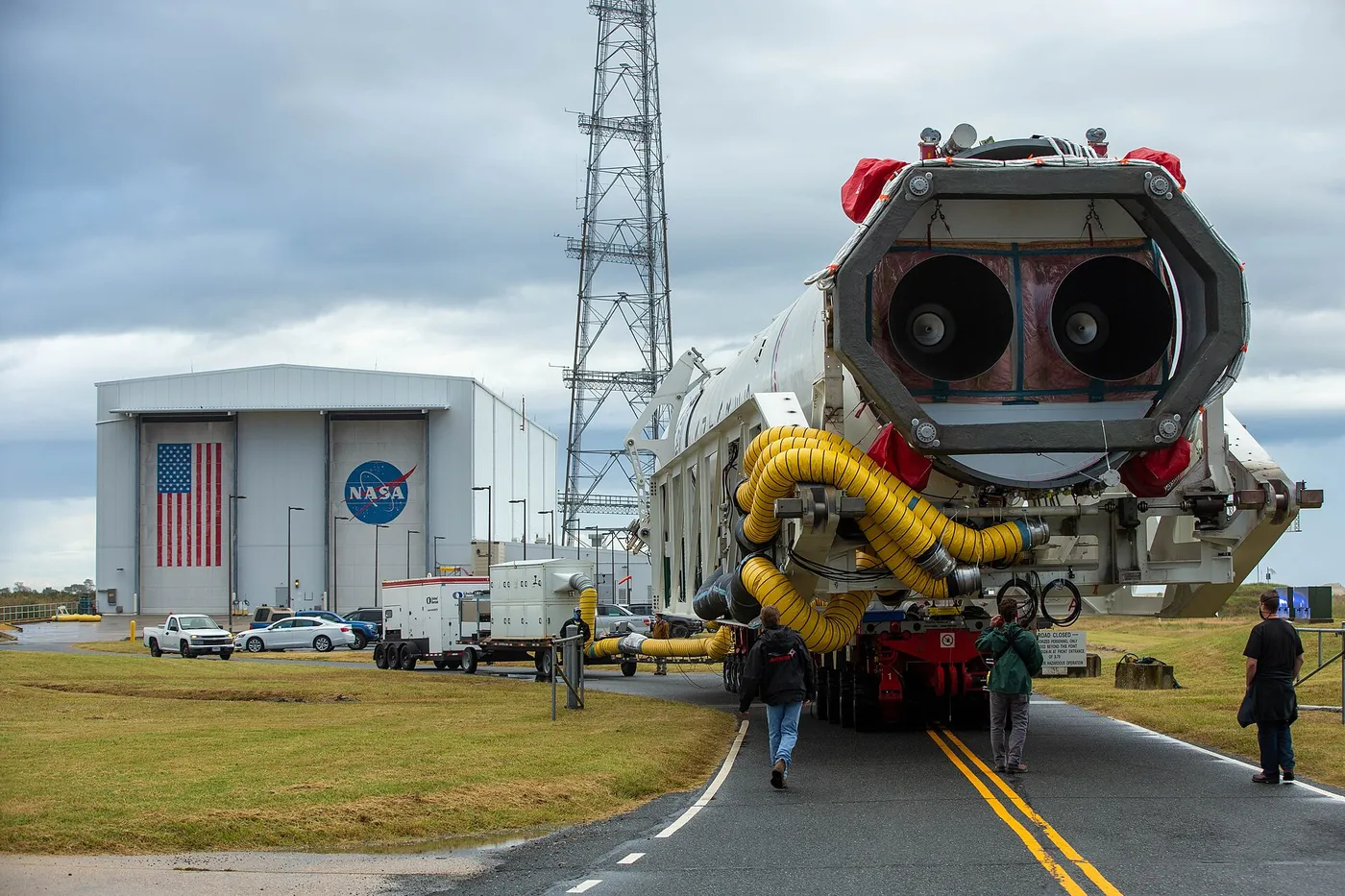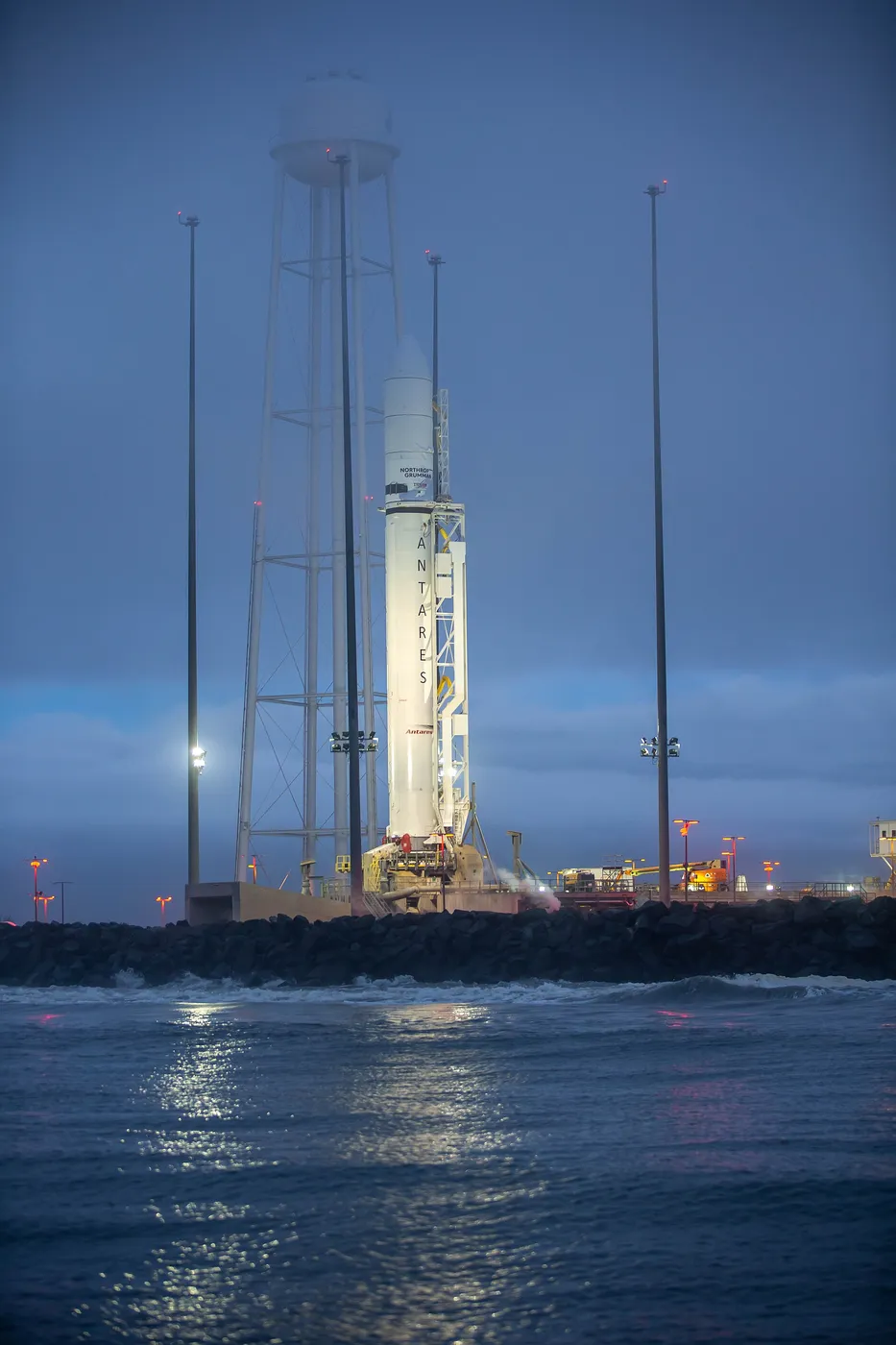
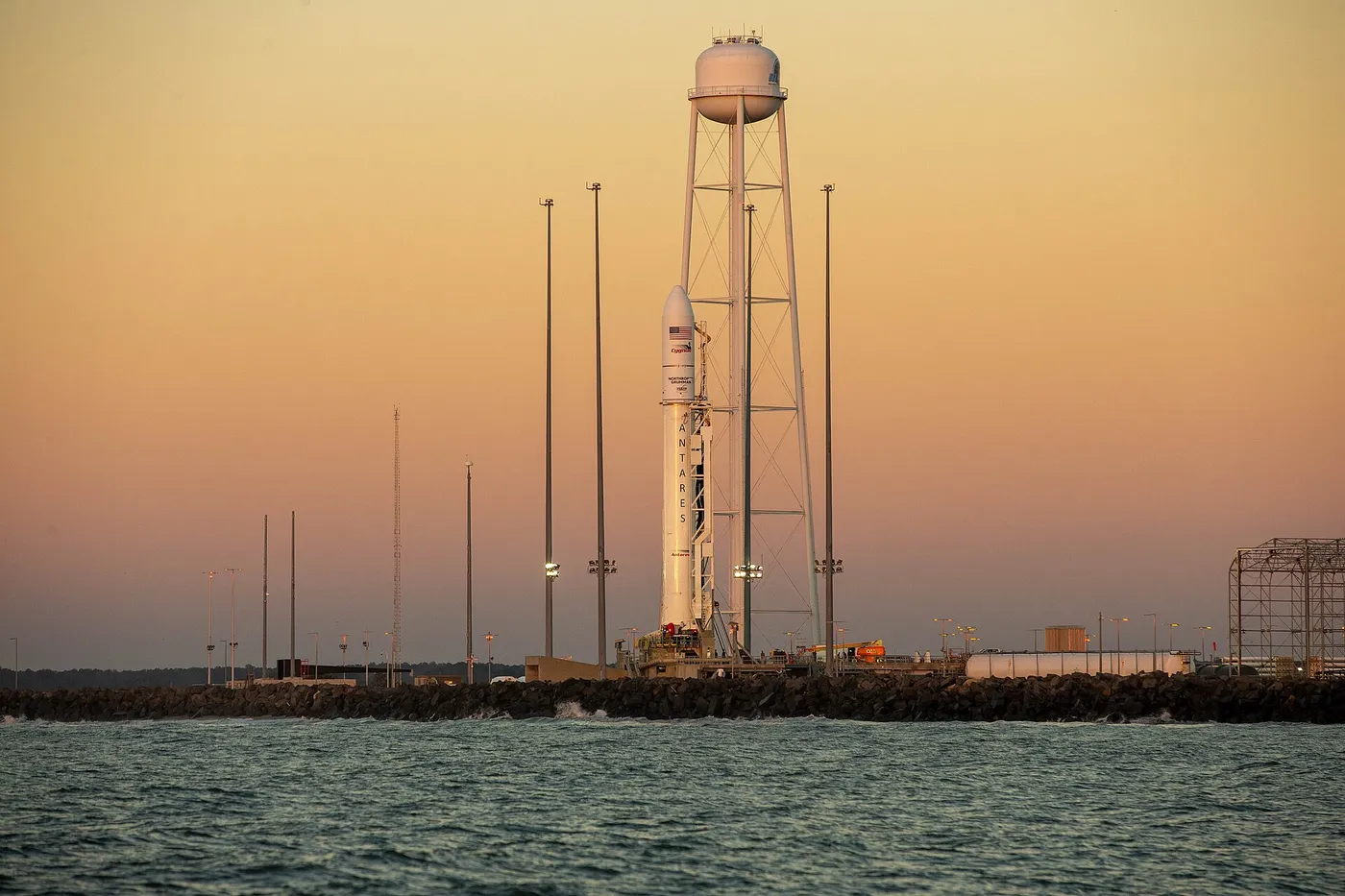

NG-14 carried a toilet. The Universal Waste Management System was a redesigned unit substantially smaller and lighter than its predecessor, built to be used by both men and women more comfortably, and intended for eventual use aboard Orion on lunar missions.
Delivering it to the station was a test rather than a necessity — the existing systems worked — and the point was to accumulate operational experience with hardware destined for deep space, where failure cannot be resupplied.
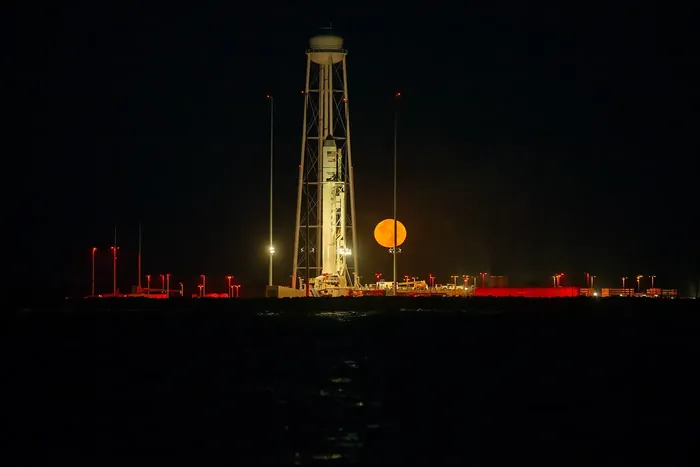
The mission also delivered around 3,500 kilograms including a commercial airlock's hardware, experiments on growing radishes, and a study of cardiovascular changes in weightlessness.
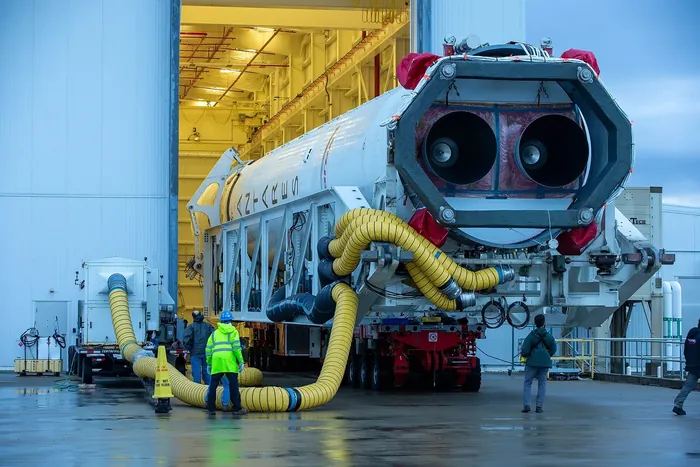
The spacecraft was named for Kalpana Chawla, the first India-born woman in space, who died aboard Columbia — a choice made deliberately to honour her contribution and widely noted in India.
It remained attached for two and a half months before departing with waste and burning up. The toilet, meanwhile, developed a leak in its first months of use and required repair — which was rather the point of testing it somewhere with a crew and spare parts.