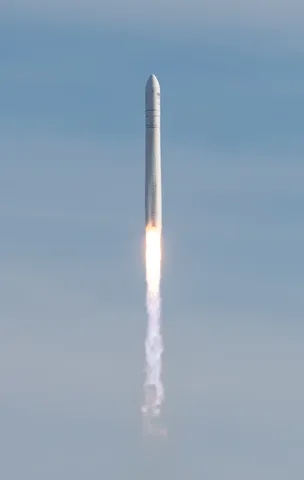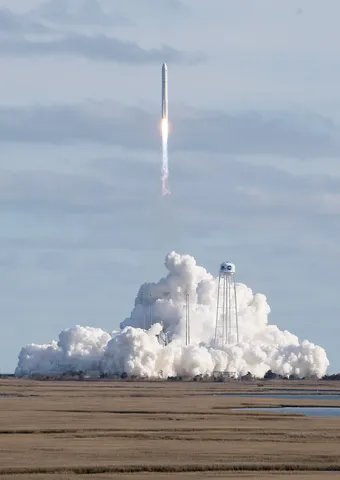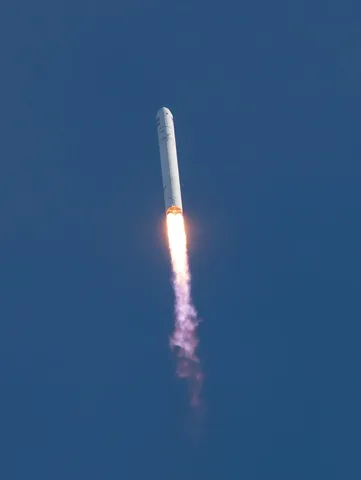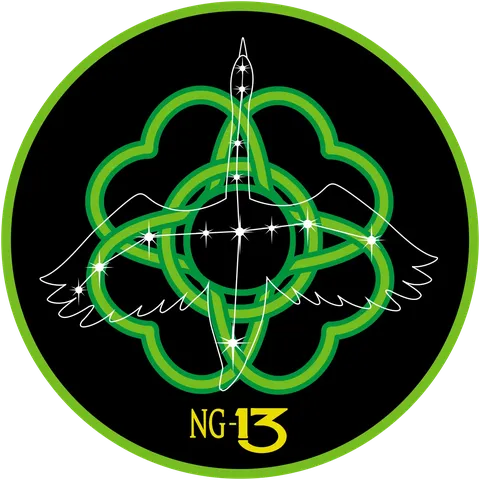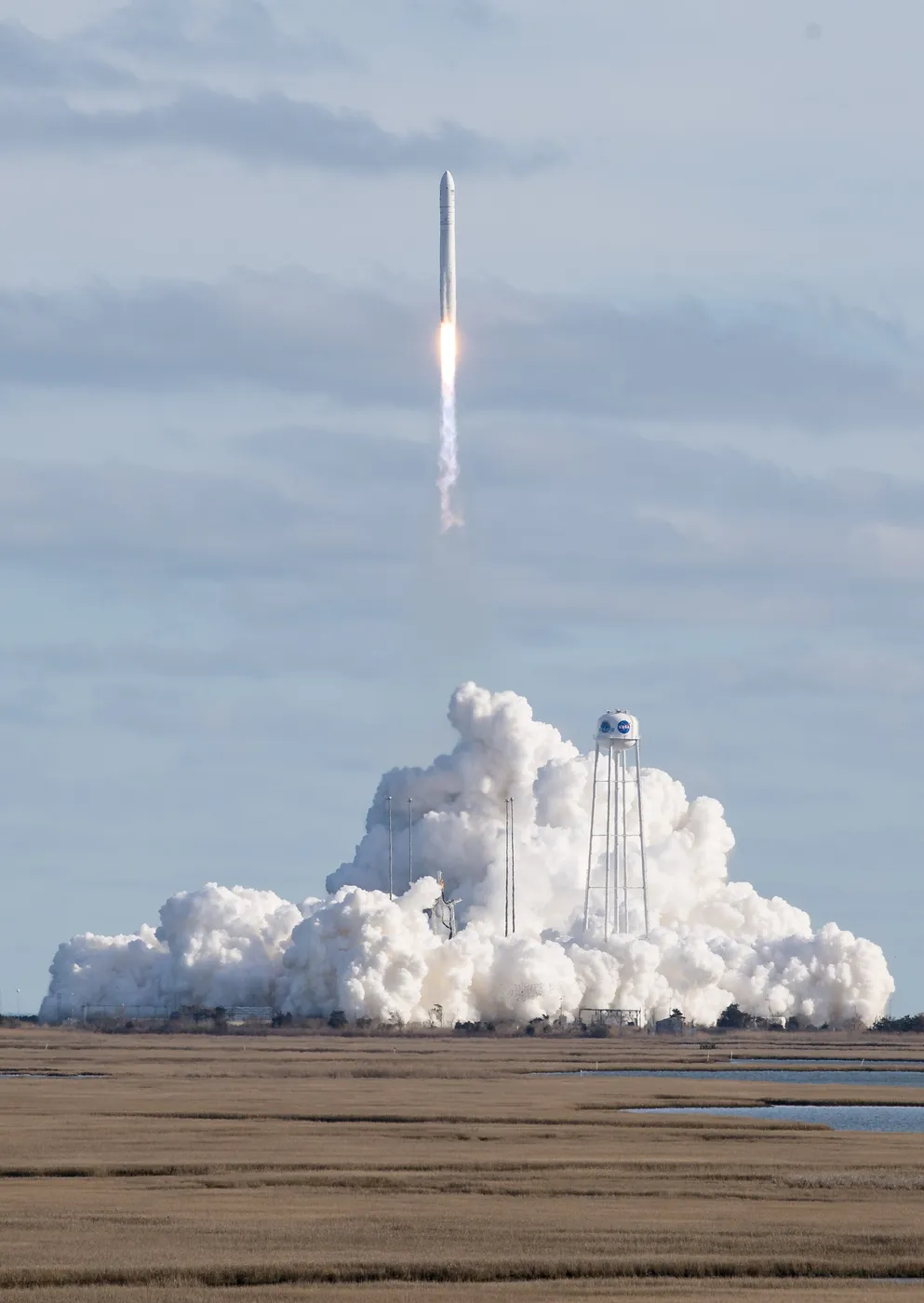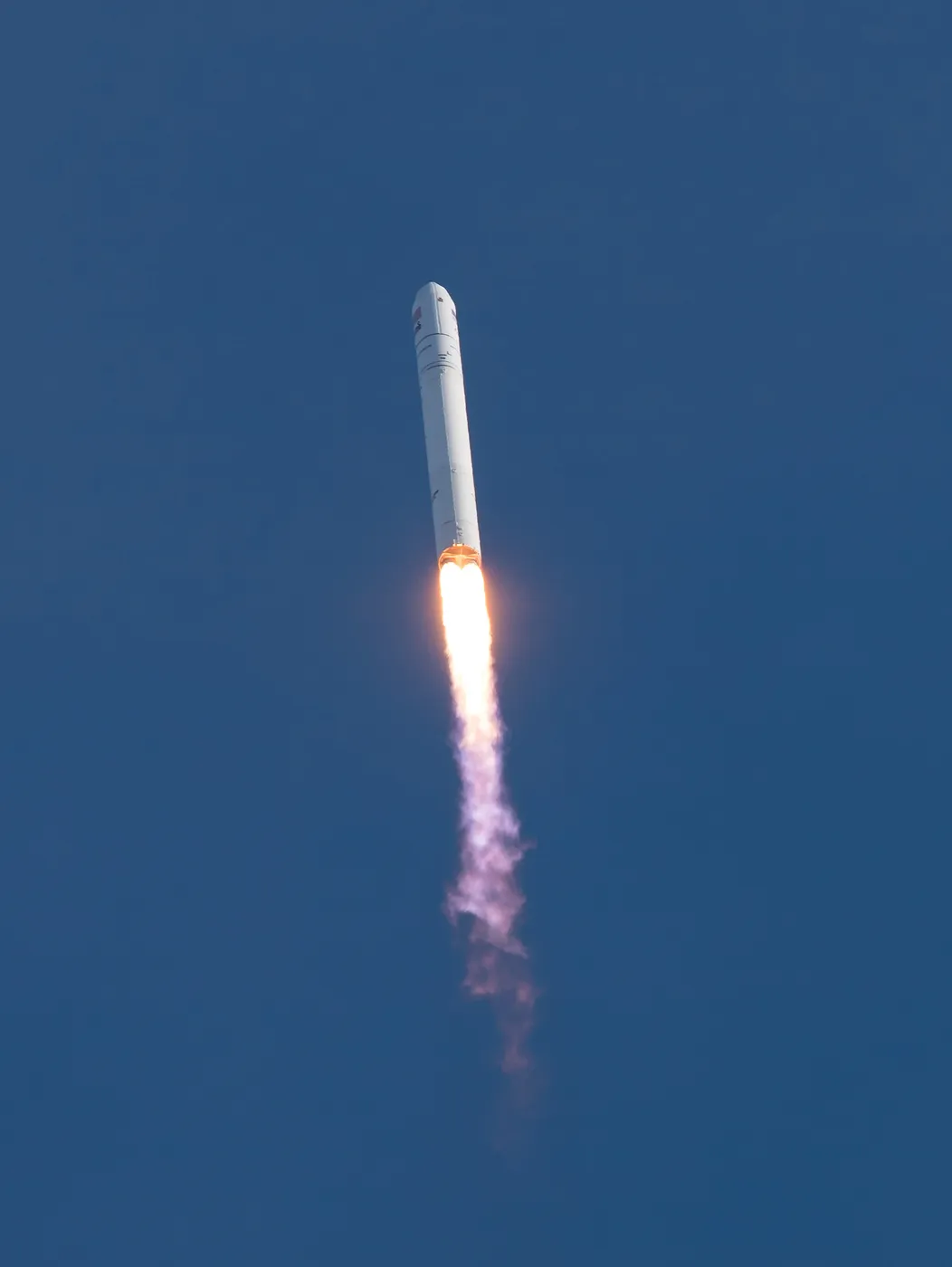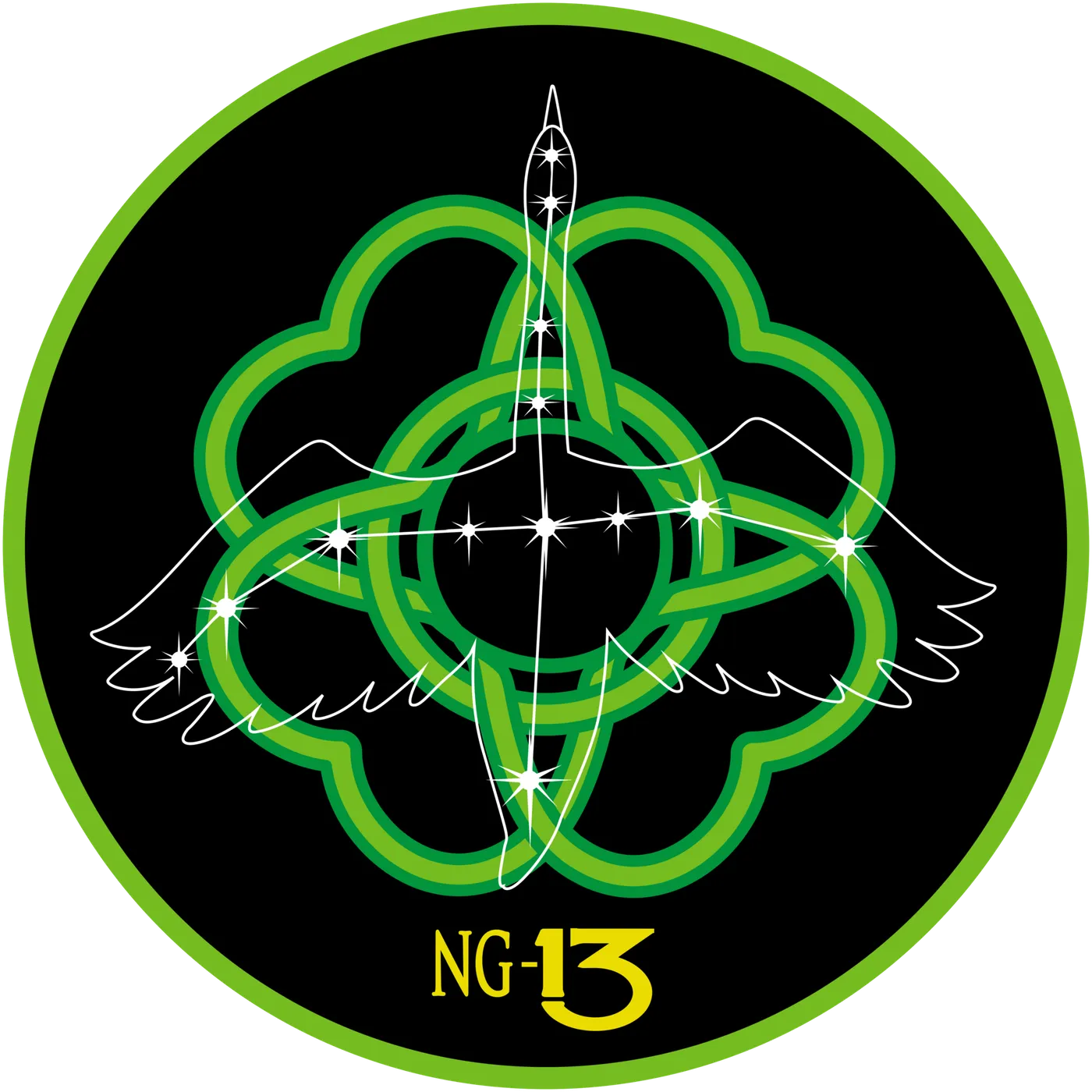
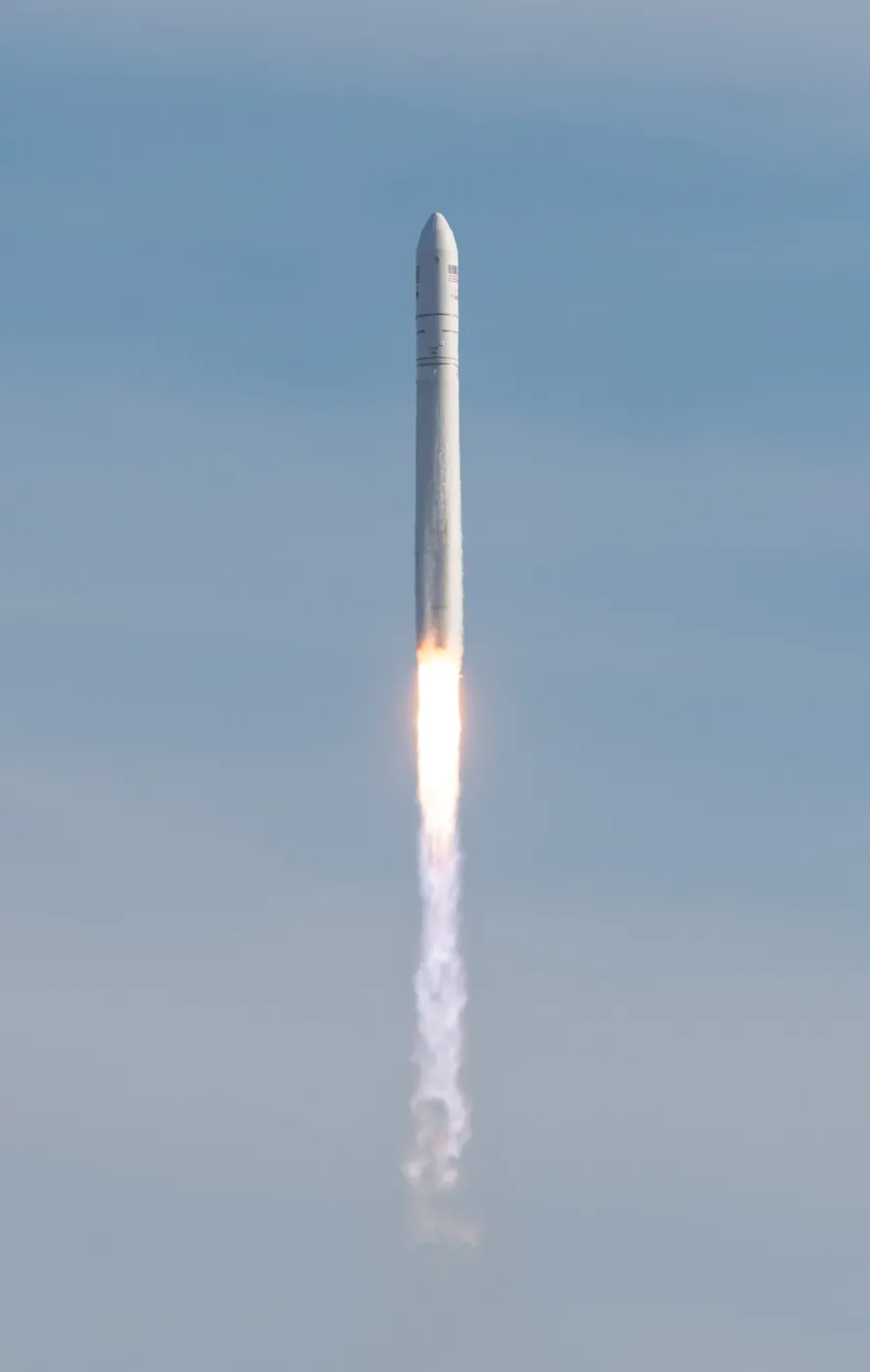

NG-13 delivered around 3,400 kilograms in February 2020, arriving weeks before the pandemic reshaped ground operations worldwide. Launch and flight operations continued through the following months with reduced staffing and extensive precautions.
Its cargo included an experiment on how microgravity affects the behaviour of bacteria relevant to spaceflight-associated infections, hardware for studying the mechanics of granular materials, and a commercial facility for manufacturing optical fibre.
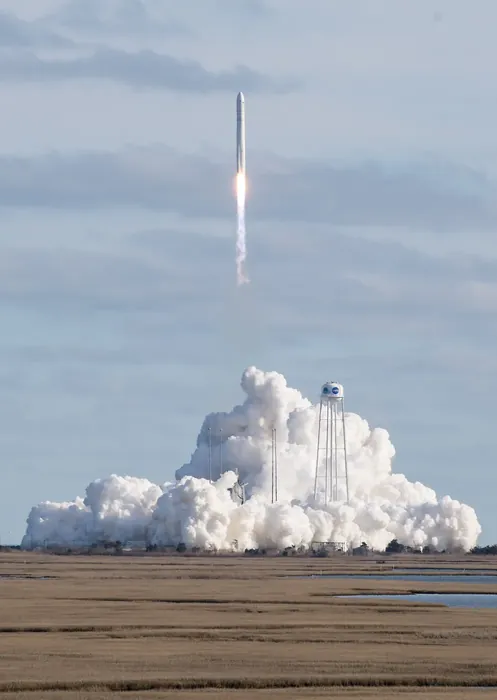
The spacecraft was named for Robert Lawrence, selected in 1967 as the first African-American astronaut and killed in a training accident before he could fly — a name that had gone unrecognised for decades before his status was formally acknowledged.
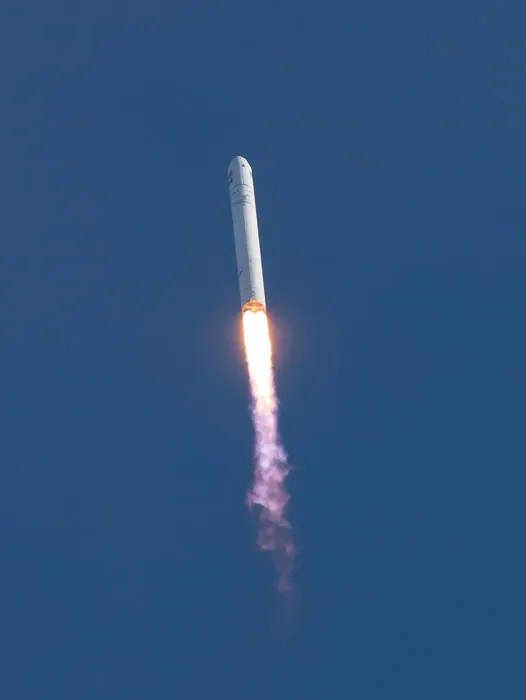
It also carried a set of CubeSats deployed after departure, and remained berthed for three months.
The flight is otherwise unremarkable, which understates the point: an uninterrupted cargo schedule through a global disruption was itself an operational achievement, and the station's crew never went short.