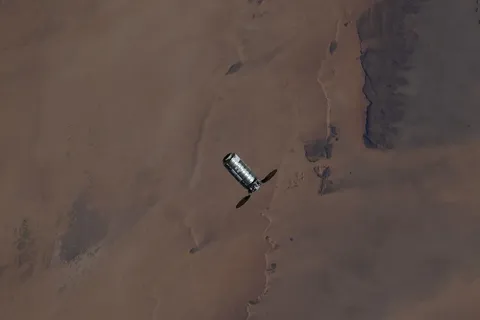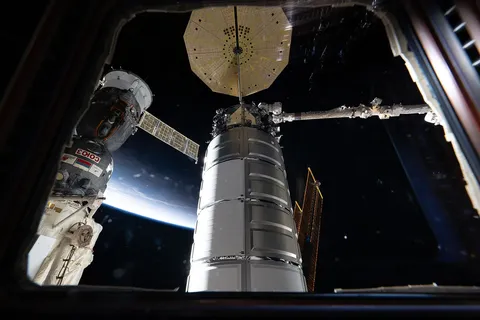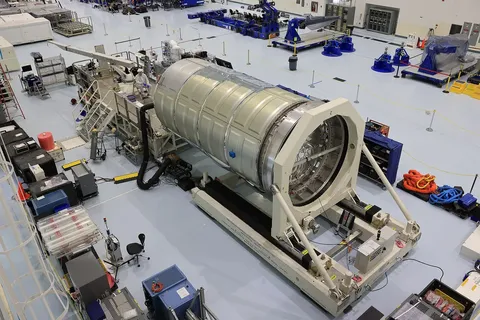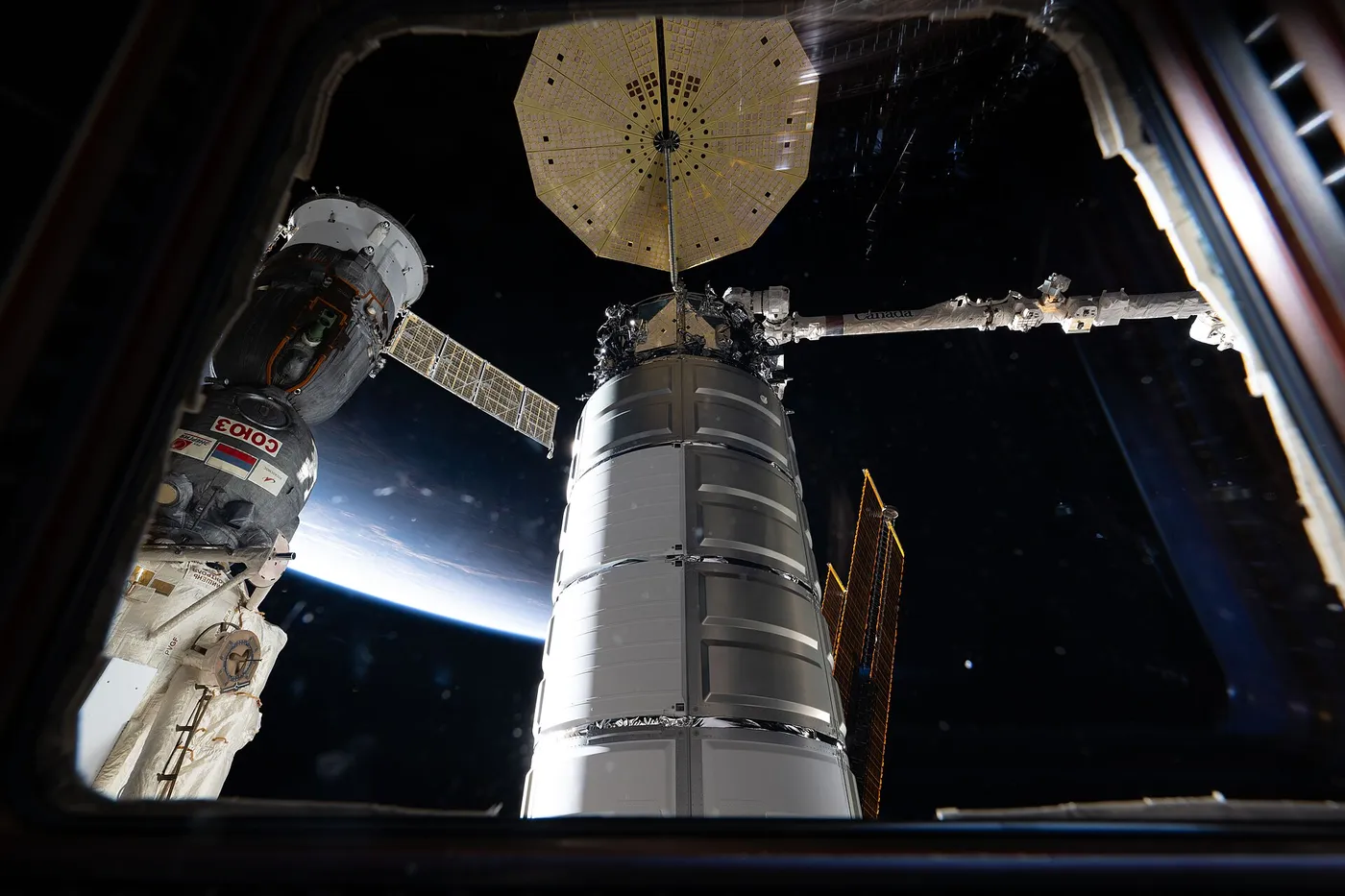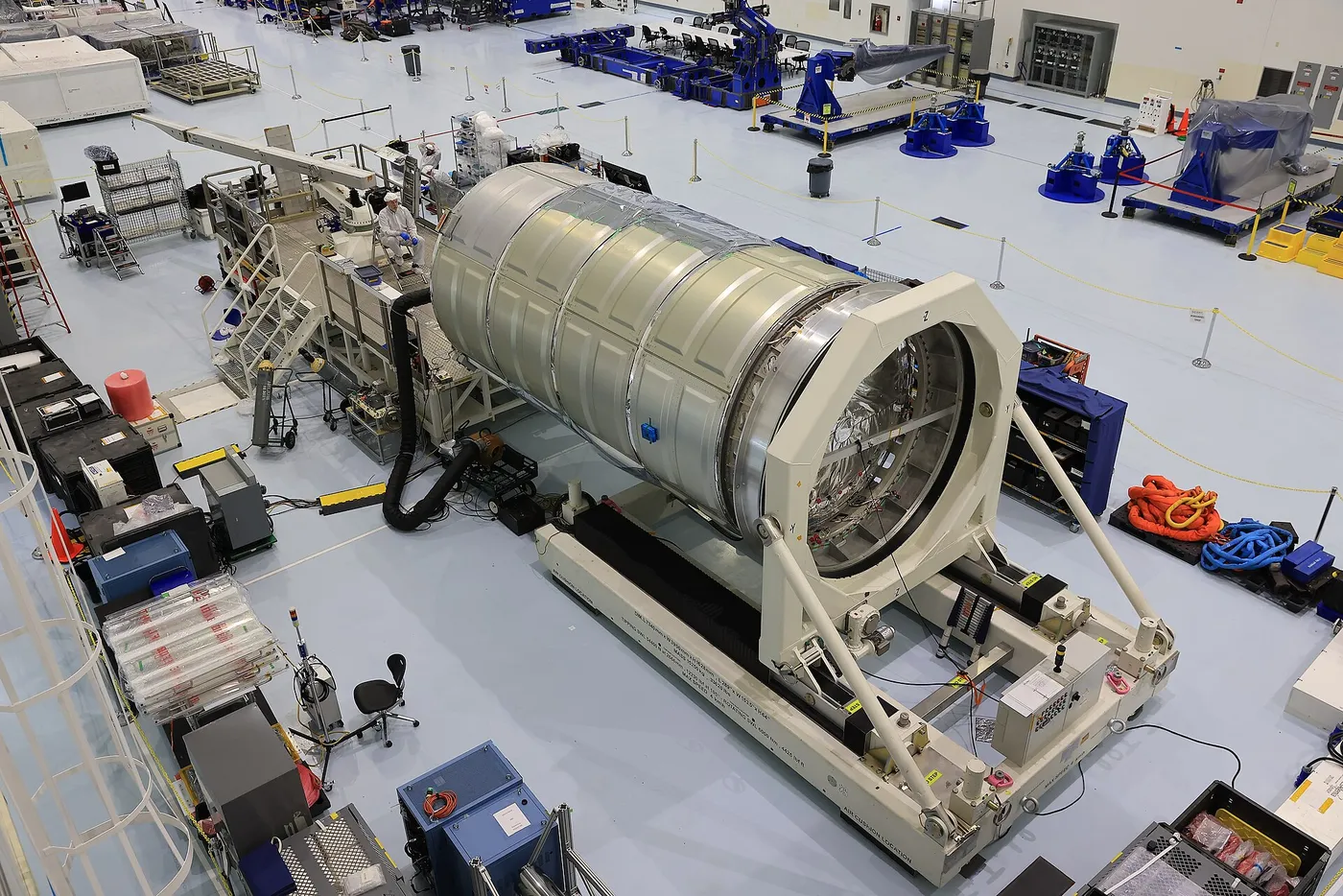
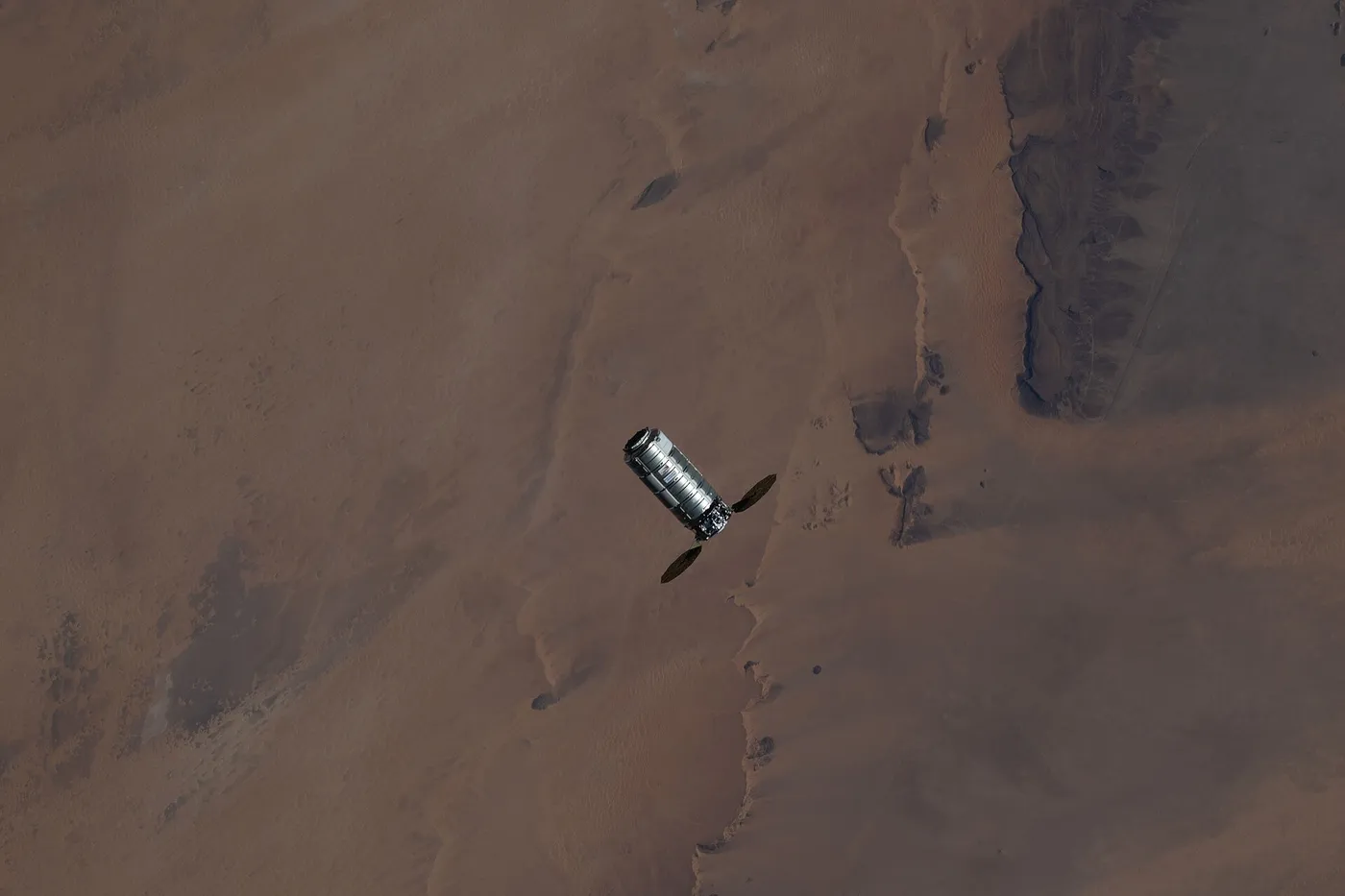

NG-11 stayed in space for nearly a year. After delivering its cargo and departing the station in August 2019, the spacecraft remained in orbit as a free-flying platform until the following January, conducting experiments and demonstrating extended operations.
That capability had a purpose. A cargo vehicle that can operate independently for months is a candidate for other roles — hosting payloads, serving as a habitat module, or acting as a stage in a larger assembly — and the demonstration was aimed at those possibilities.
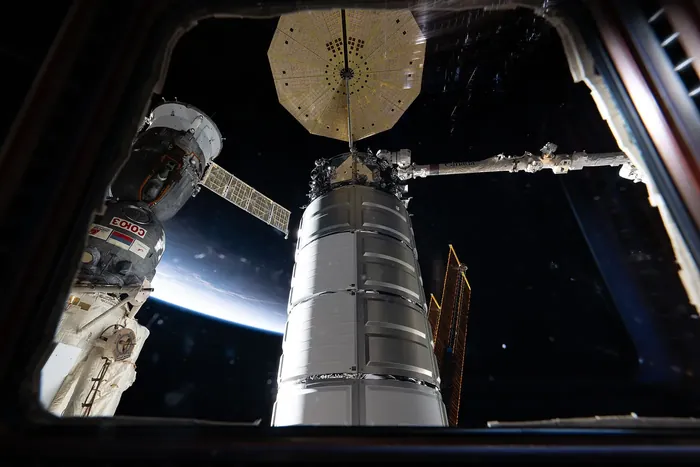
The delivery itself was around 3,400 kilograms, including experiments on tissue engineering, an instrument to measure carbon dioxide in the station's atmosphere, and a device for growing food.
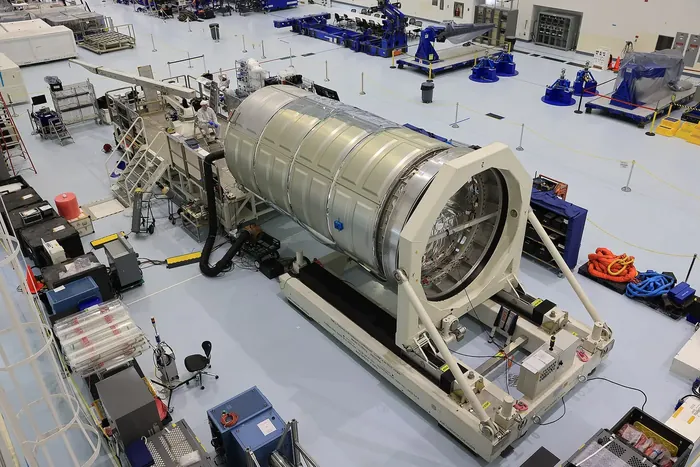
The spacecraft was named for Roger Chaffee, the youngest of the three astronauts killed in the Apollo 1 fire, who had never flown in space.
The extended mission concluded with a controlled re-entry. Elements of the design demonstrated here have since been incorporated into proposals for the modules of commercial space stations.