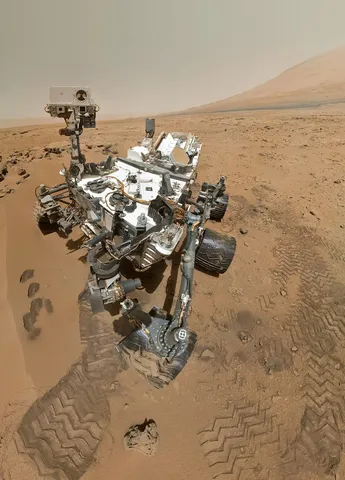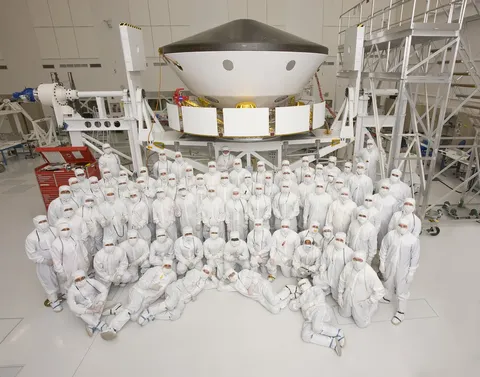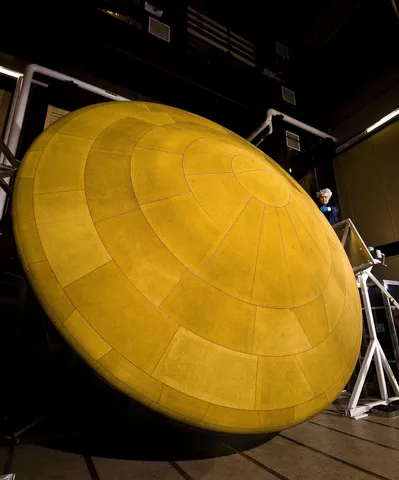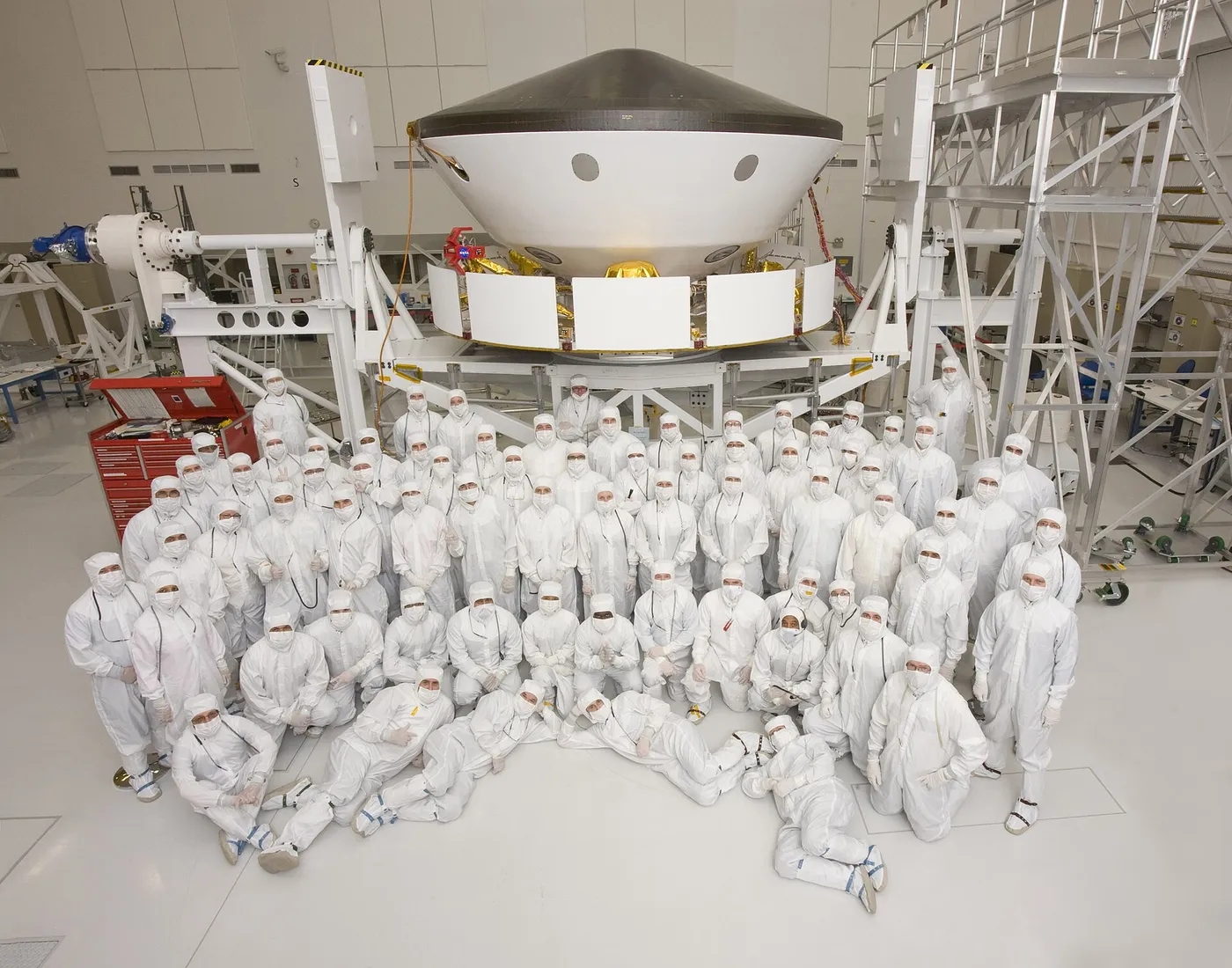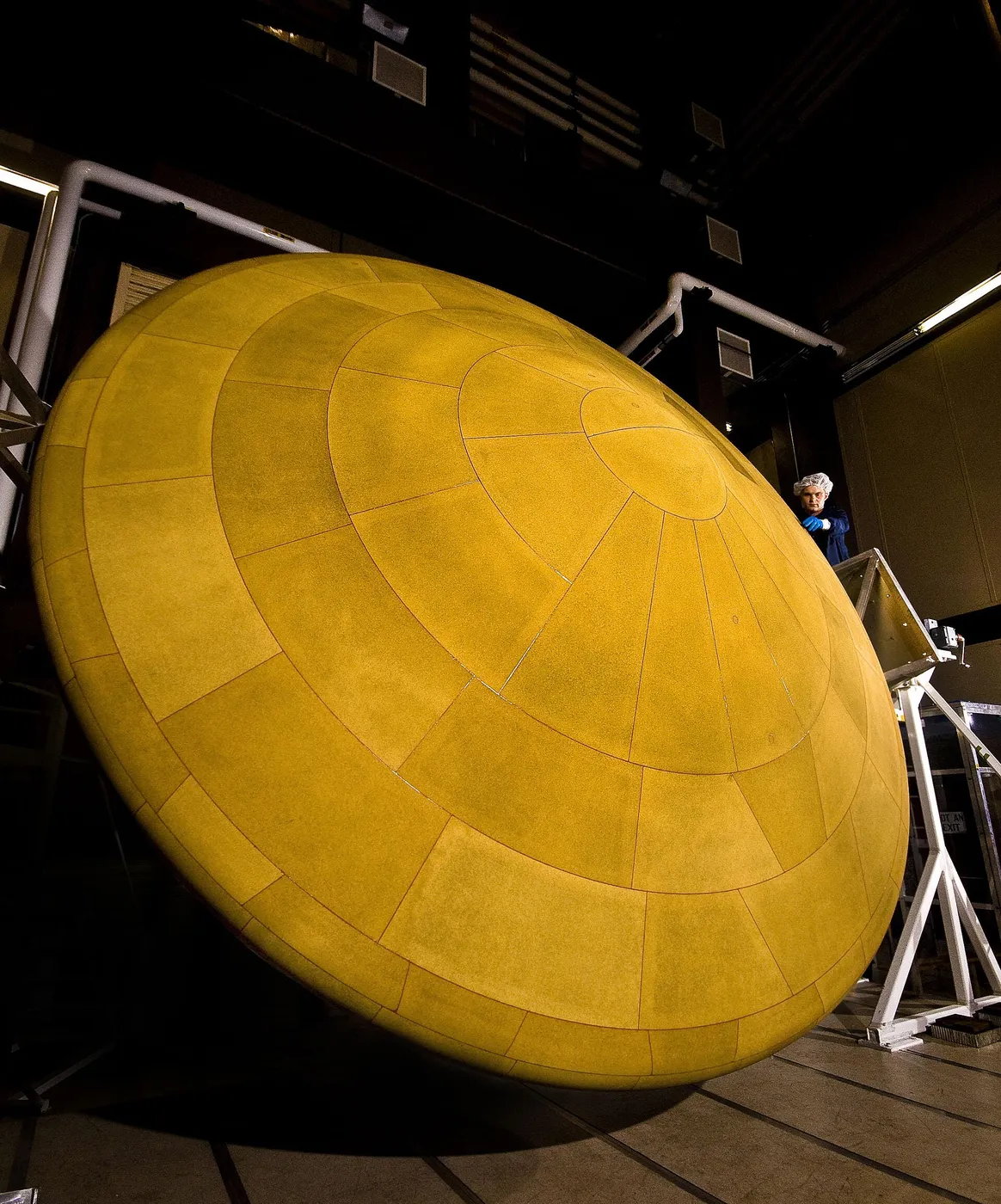

Curiosity weighed nearly a tonne, which made every existing landing method useless — too heavy for airbags, too top-heavy to sit on a rocket-braked platform. The solution was the sky crane: a descent stage that hovered under rocket power and lowered the rover on cables like a helicopter delivering cargo, then cut the tethers and flew away to crash at a safe distance.
It looked insane, and NASA said so, releasing a video called Seven Minutes of Terror that laid out every way it could fail. The entire sequence had to run autonomously because radio takes fourteen minutes to arrive from Mars — by the time controllers heard the parachute had opened, the rover had already landed or been destroyed some minutes earlier. It worked perfectly, in August 2012, and has been used since.
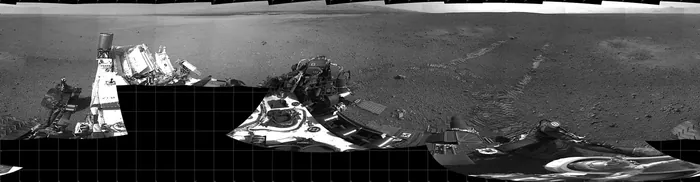
Within a year the mission had achieved its central objective. Drilling into mudstone at a site called Yellowknife Bay, it found clays formed in neutral-pH water, together with sulphur, nitrogen, oxygen, phosphorus and carbon — an ancient freshwater lake that had held every chemical element life requires. The question shifted from whether Mars was ever habitable to how long it stayed that way.
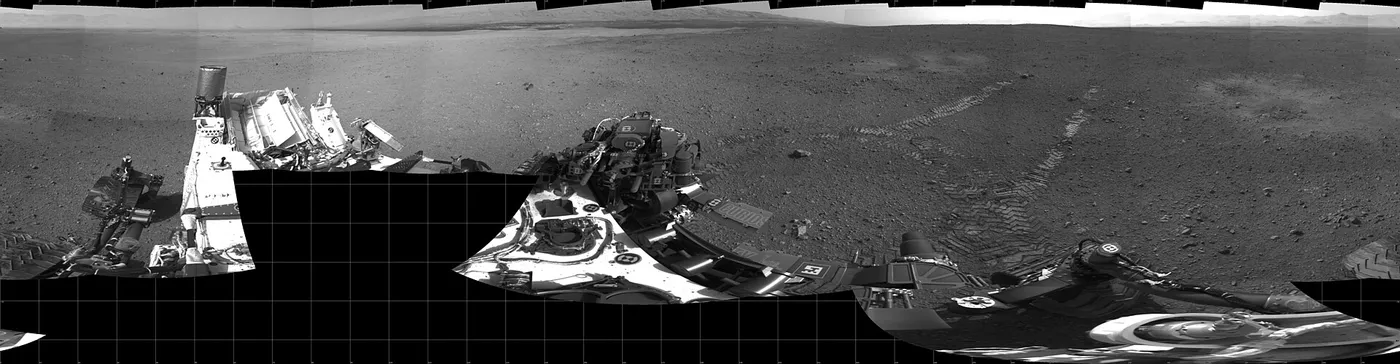
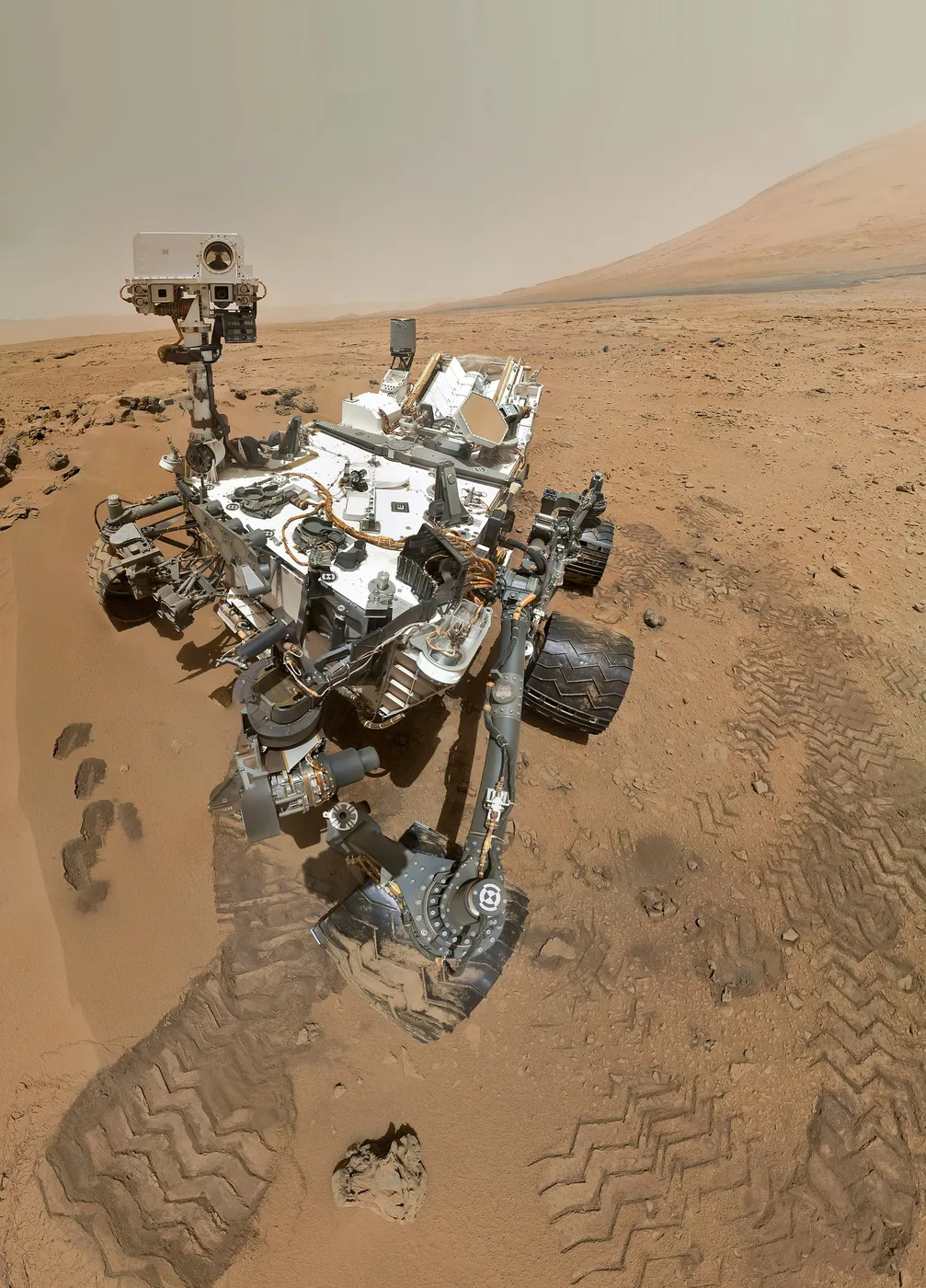
The rover has aged hard. Its aluminium wheels were punctured within months by sharp embedded rocks nobody had anticipated, forcing a permanent change in how routes are chosen; its drill's feed mechanism failed in 2016 and engineers invented a new technique that uses the whole robotic arm to press the bit into rock, which has worked ever since.
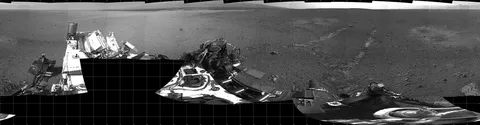
It is still climbing Mount Sharp, reading three billion years of Martian climate history layer by layer as it ascends, and it has detected complex organic molecules and seasonal fluctuations of methane that remain unexplained. Its radiation monitor also quietly produced one of the most practical results of the mission: a measurement of the dose a human crew would absorb on the journey.