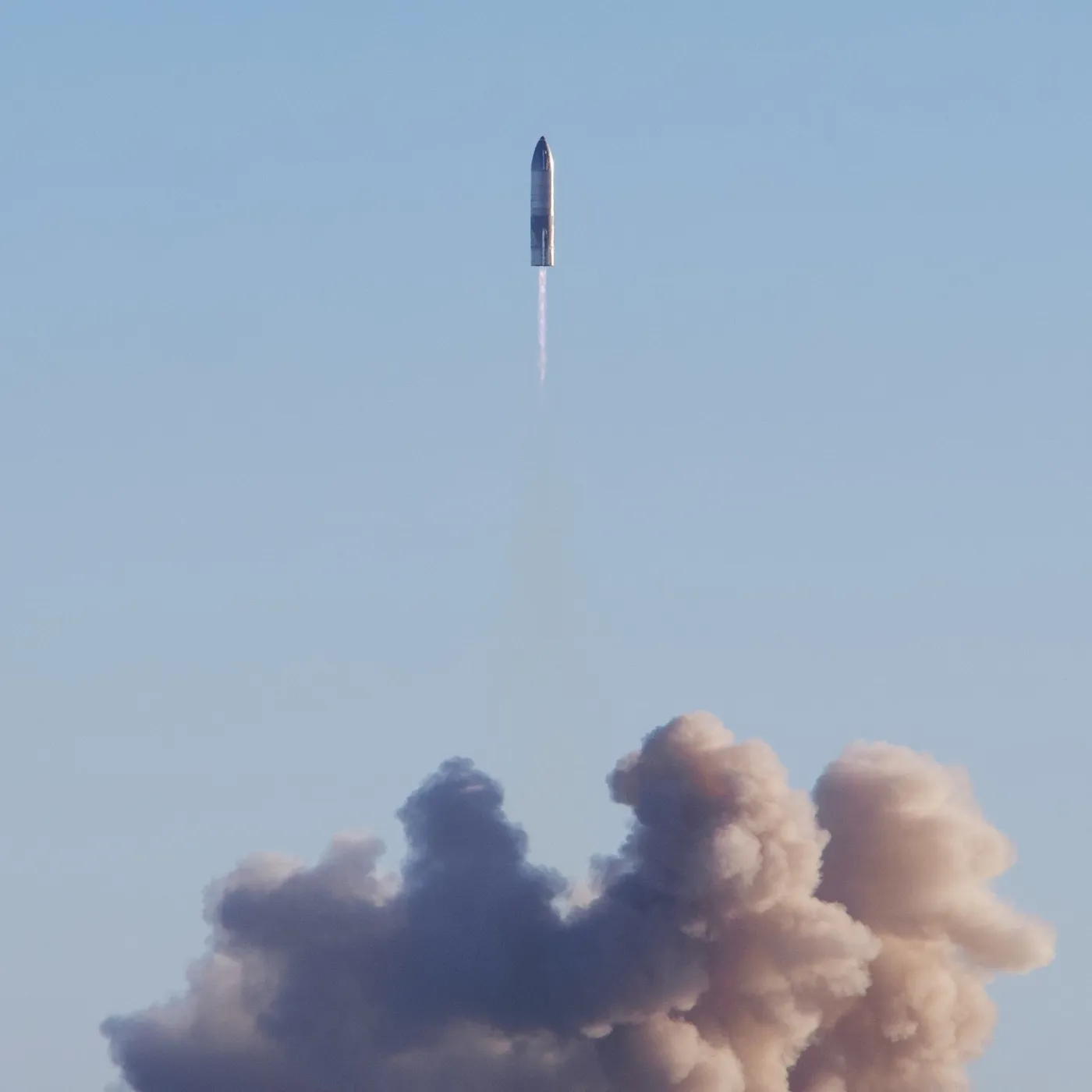
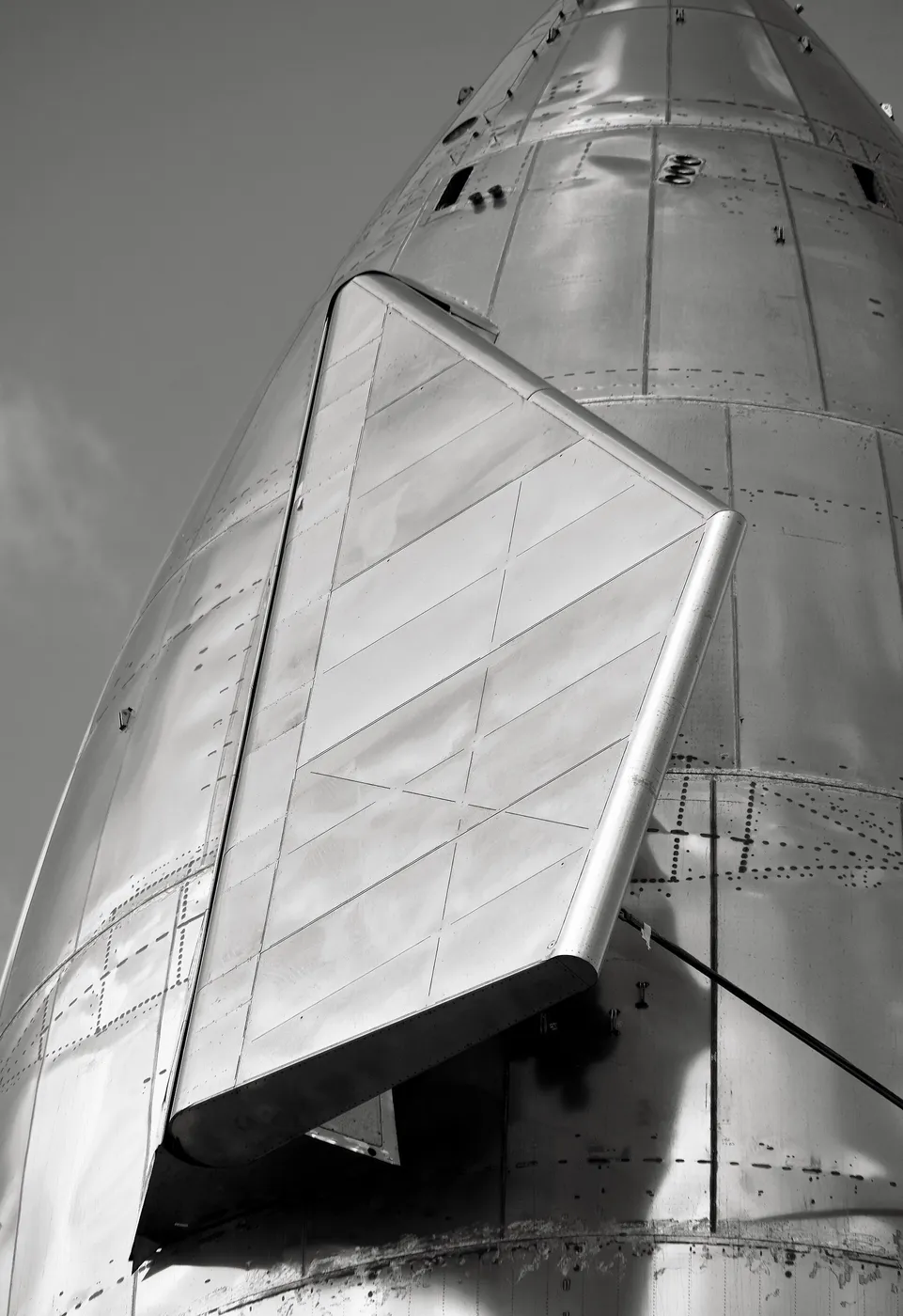

Demo-1 was the flight that proved Crew Dragon worked, with nobody aboard. In March 2019 an uncrewed capsule launched to the International Space Station, docked autonomously — the first American spacecraft ever to do so, since the Shuttle had always been flown manually to a berthing — stayed five days, and splashed down in the Atlantic.
It carried a passenger of sorts. A test dummy fitted with sensors throughout the seat and suit was named Ripley, after the protagonist of Alien, and recorded the accelerations and vibrations a human body would experience. The capsule also carried a plush toy of the Earth as a zero-gravity indicator, which the station crew kept and which became an unexpectedly popular detail.
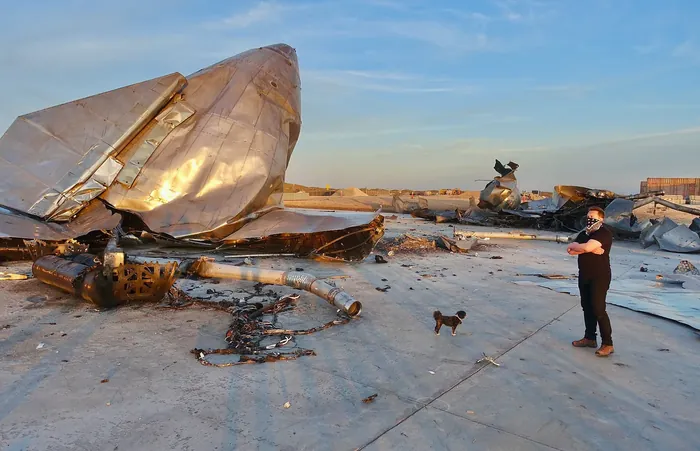
The mission was the culmination of the Commercial Crew Program, begun in 2010 on a model that made NASA a customer rather than an owner: fixed-price contracts, companies retaining the designs, and payment on milestones rather than costs incurred. It was contentious, and it was meant to end American dependence on Russian Soyuz seats, which by then cost around $80 million each.
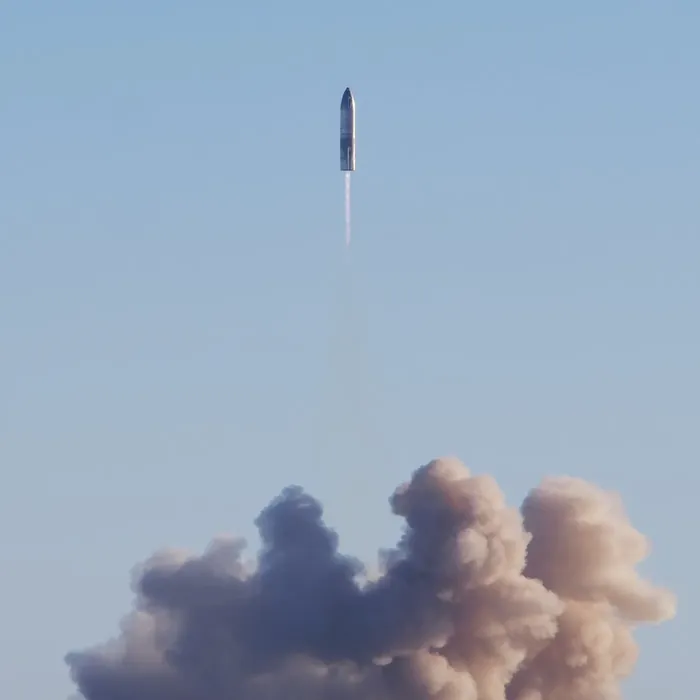
Six weeks later the same capsule was destroyed. During a ground test of its abort thrusters, a leaking valve allowed oxidiser into a helium line, and the resulting reaction detonated the vehicle on the test stand. Nobody was hurt, but the failure delayed the crewed flight by roughly a year while the design was changed.
That sequence — a flawless mission followed by the loss of the same hardware in an unrelated test — is a fair illustration of how spacecraft development actually proceeds. The fix was straightforward once understood, and the redesigned system flew a successful in-flight abort test before anyone was asked to sit on top of it.