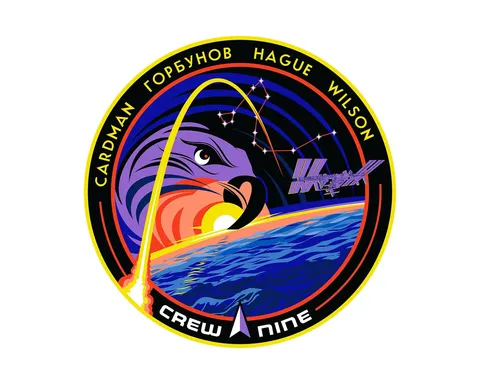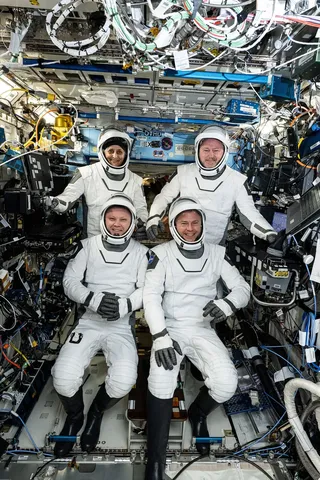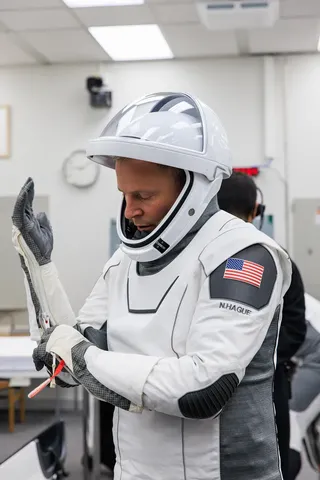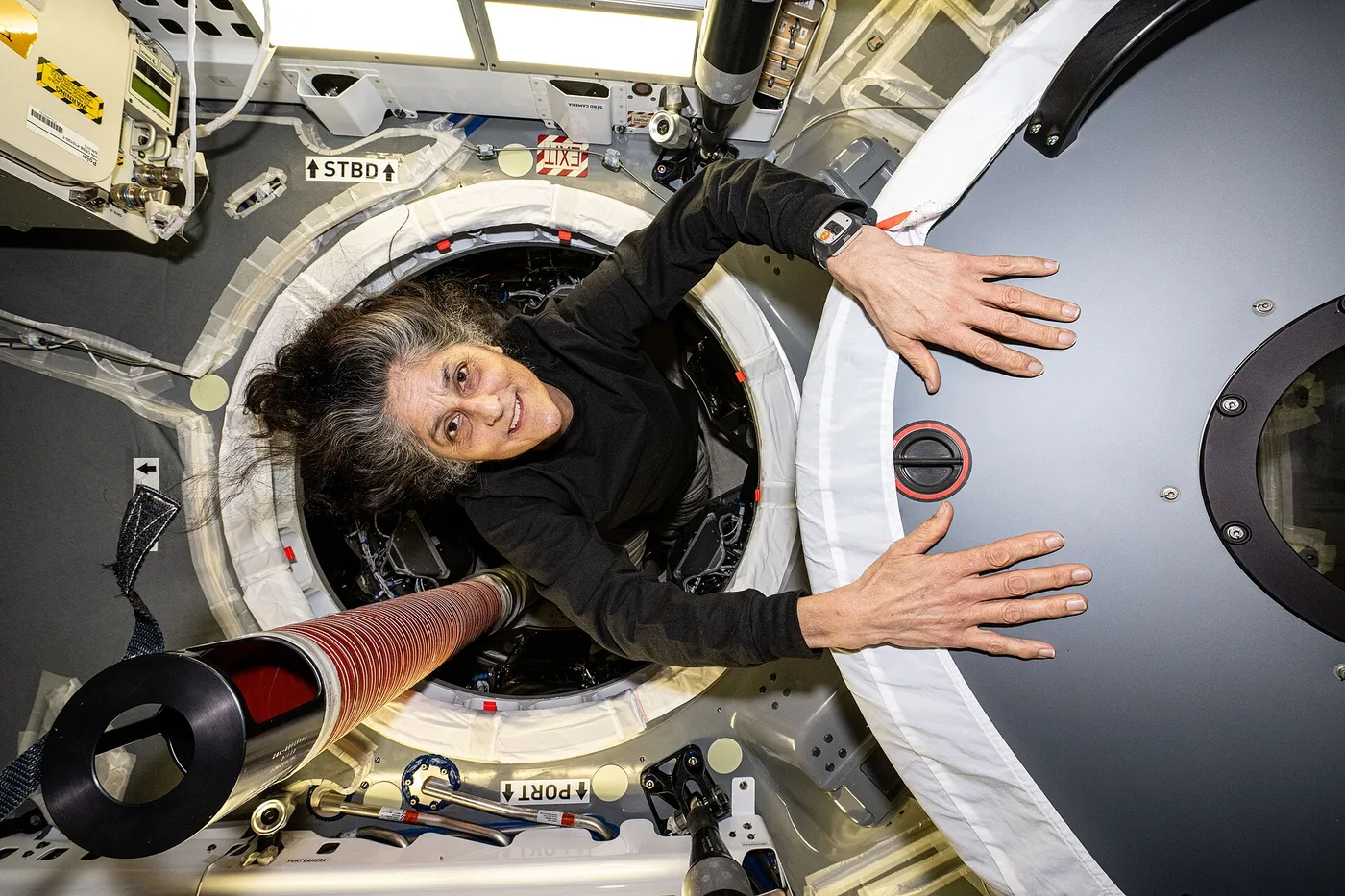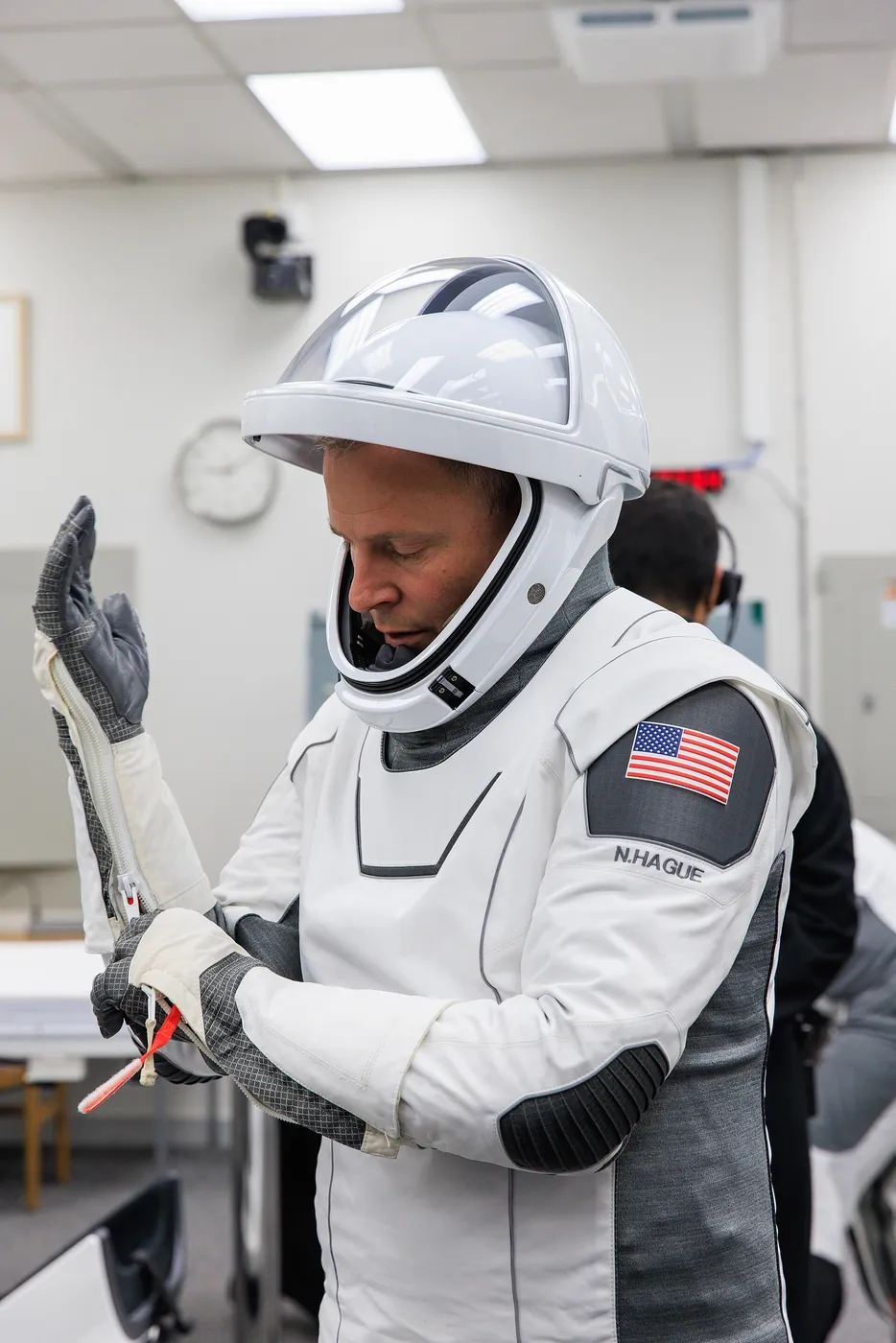
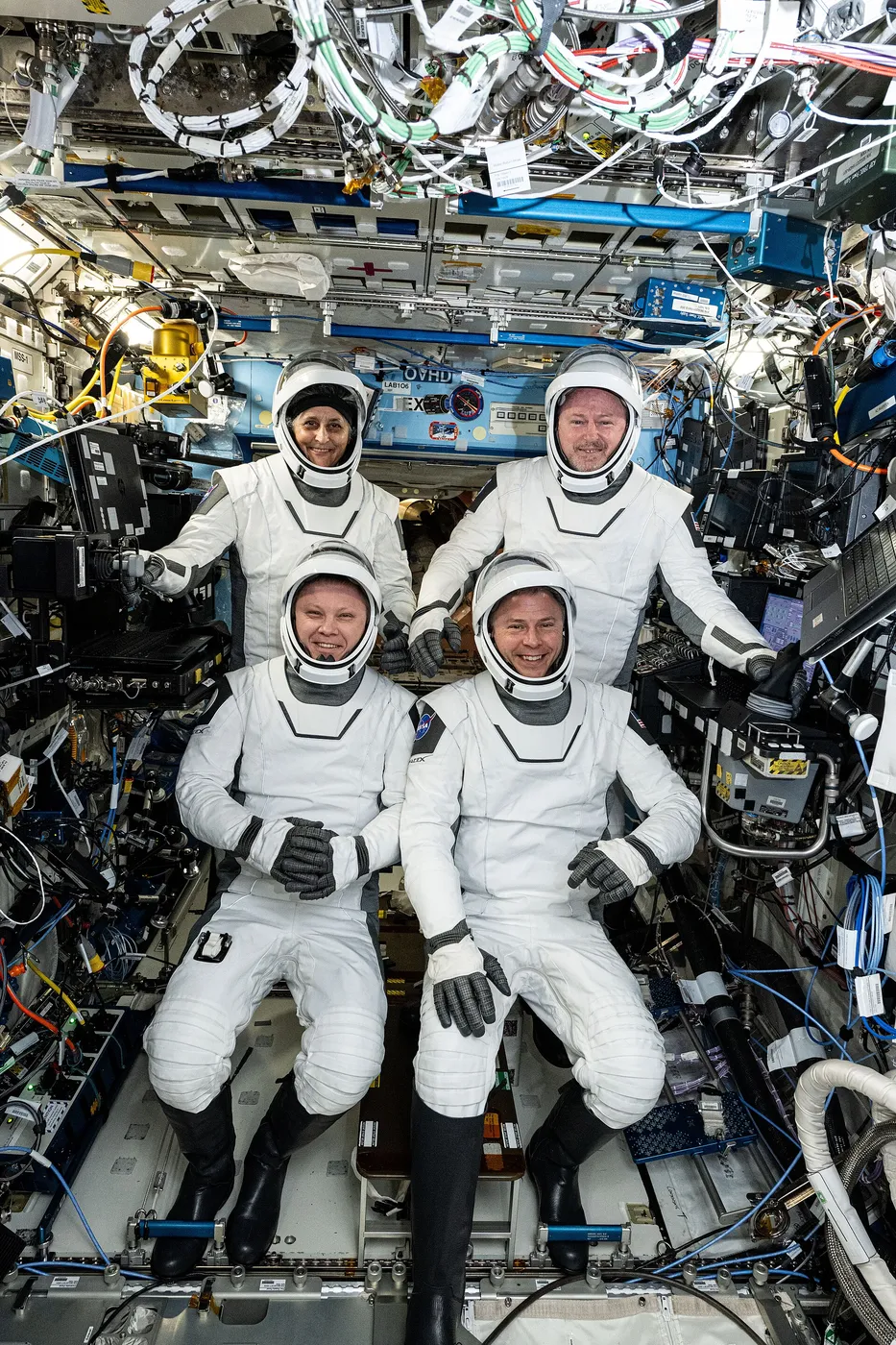
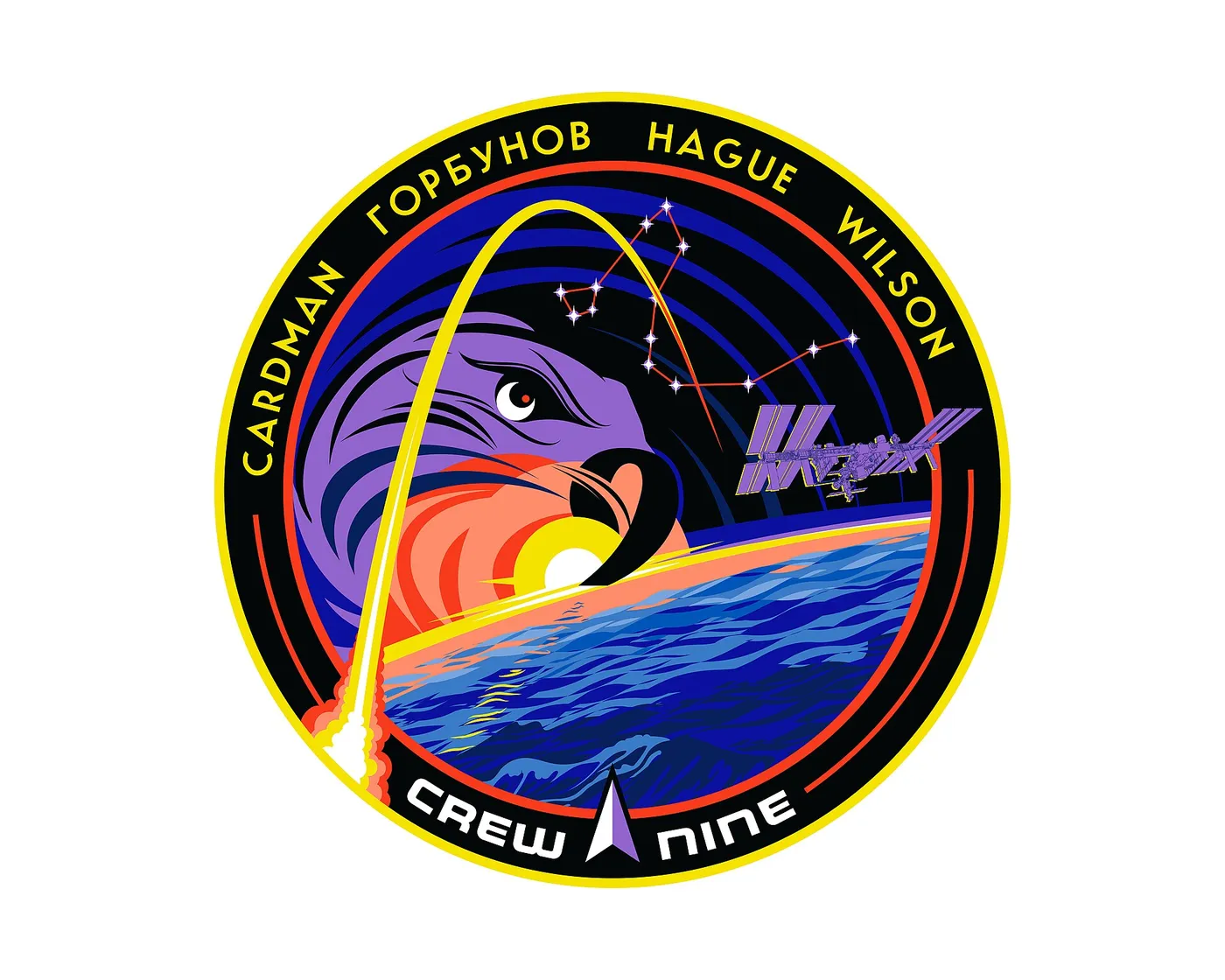
Crew-9 launched in September 2024 with two empty seats. Nick Hague and Aleksandr Gorbunov flew a capsule configured for four, deliberately leaving room to bring home Butch Wilmore and Suni Williams, whose Starliner had been sent back uncrewed after its thruster problems.
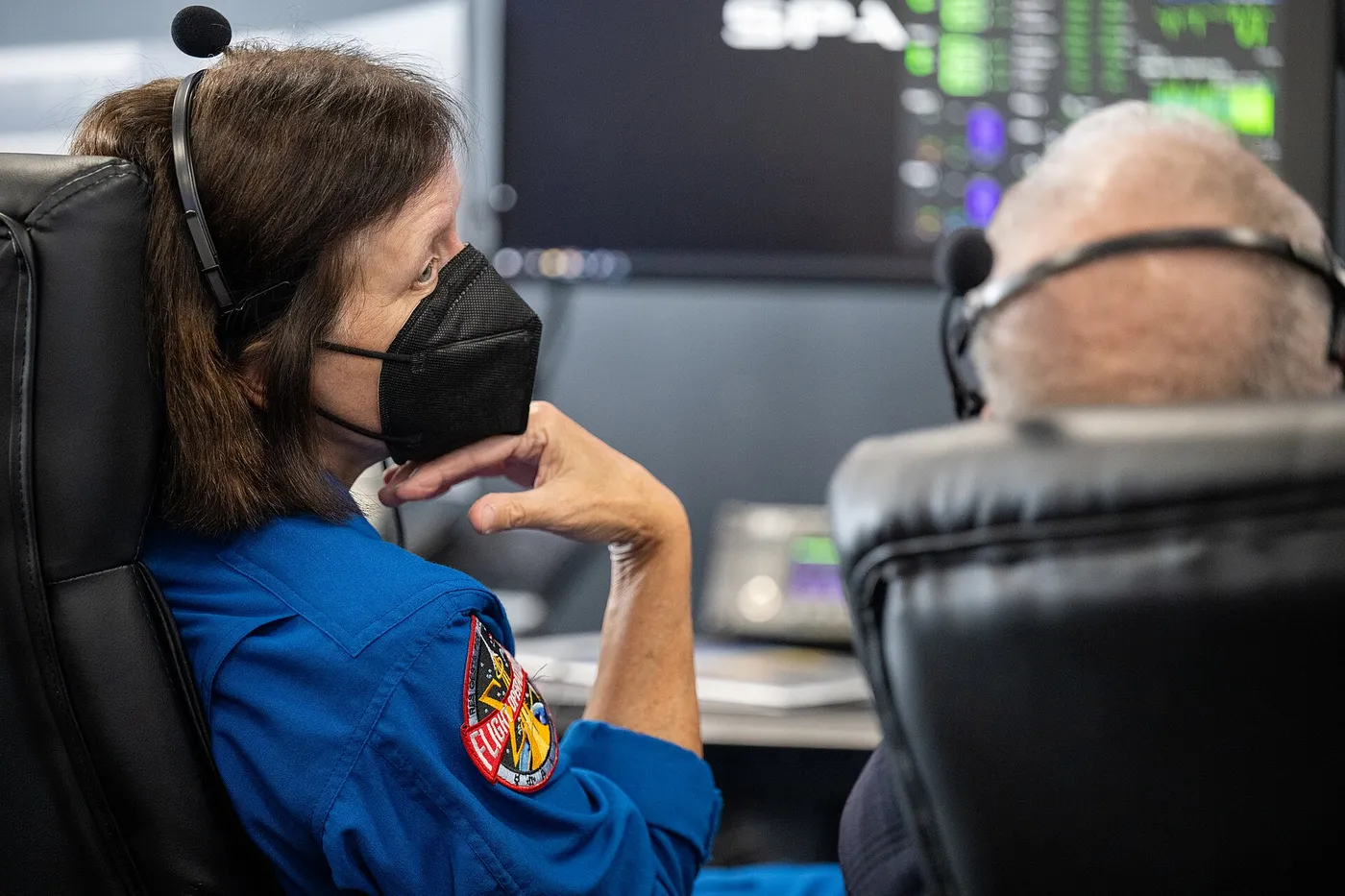
It was the first crewed launch in which a spacecraft's manifest had been restructured mid-programme around another vehicle's failure, and it required moving two astronauts off the flight at short notice — Zena Cardman and Stephanie Wilson, who lost their assignments through no fault of their own and were reassigned to later missions.
Nick Hague had an unusual qualification for a rescue flight. In 2018 he had survived the only in-flight abort of a Soyuz, when a booster separation failure at some 50 kilometres altitude triggered an escape that subjected him and his crewmate to nearly seven times gravity before a ballistic landing. He returned to flight status and eventually reached the station.
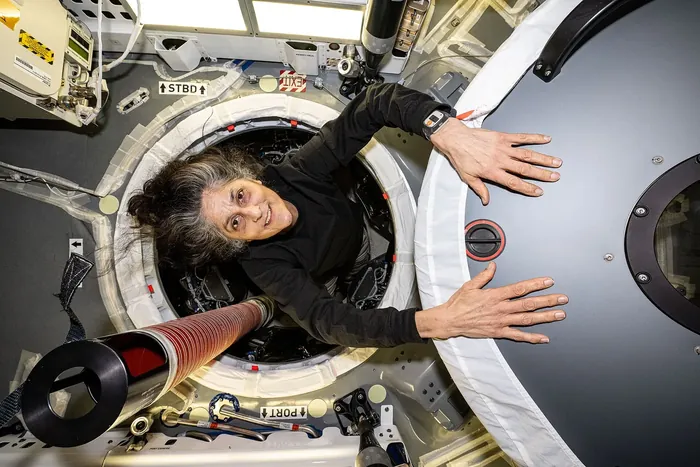
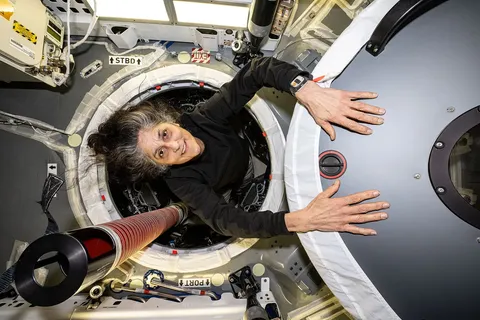
The expedition ran until March 2025, when Wilmore and Williams finally came home after 286 days — a stay of more than nine months against a planned eight days. Both had repeatedly objected to being described as stranded, pointing out that they were aboard a functioning station with plenty to do.
The whole episode functioned as an unplanned test of the wisdom of having two independent crew vehicles. Commercial Crew had been criticised for funding two providers when one would have been cheaper; when one faltered, the other absorbed the problem, and the station was never left without a way home.