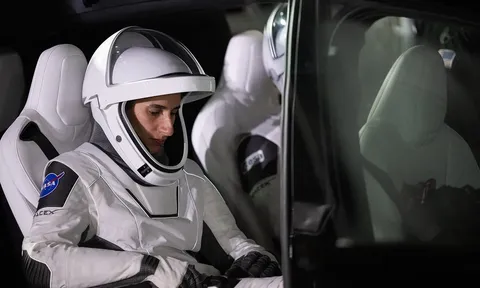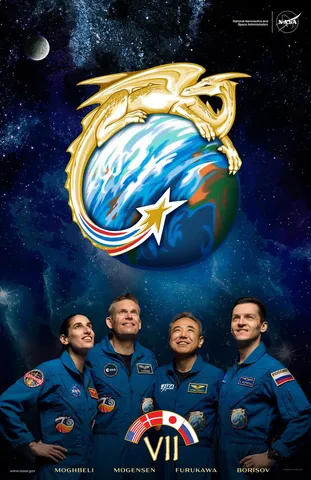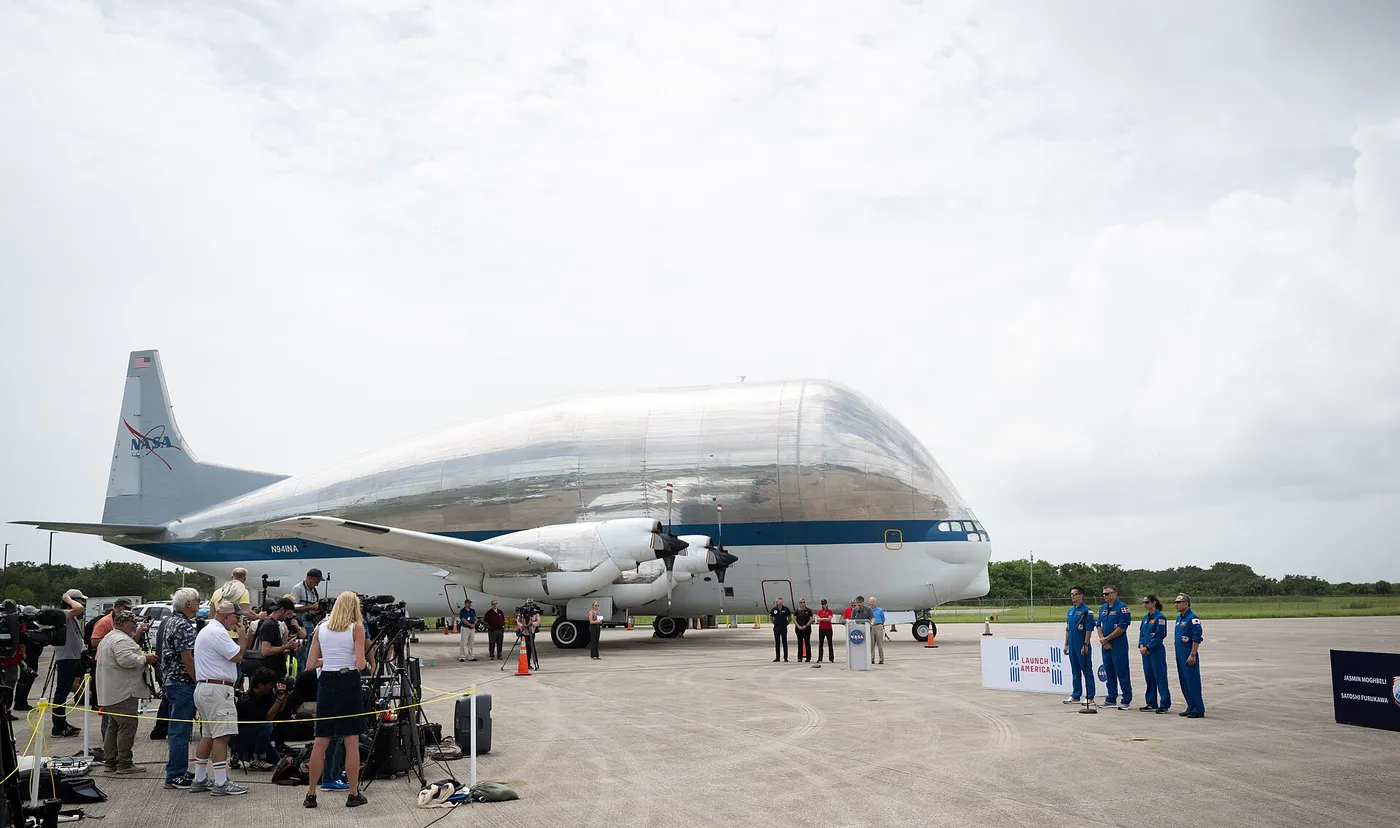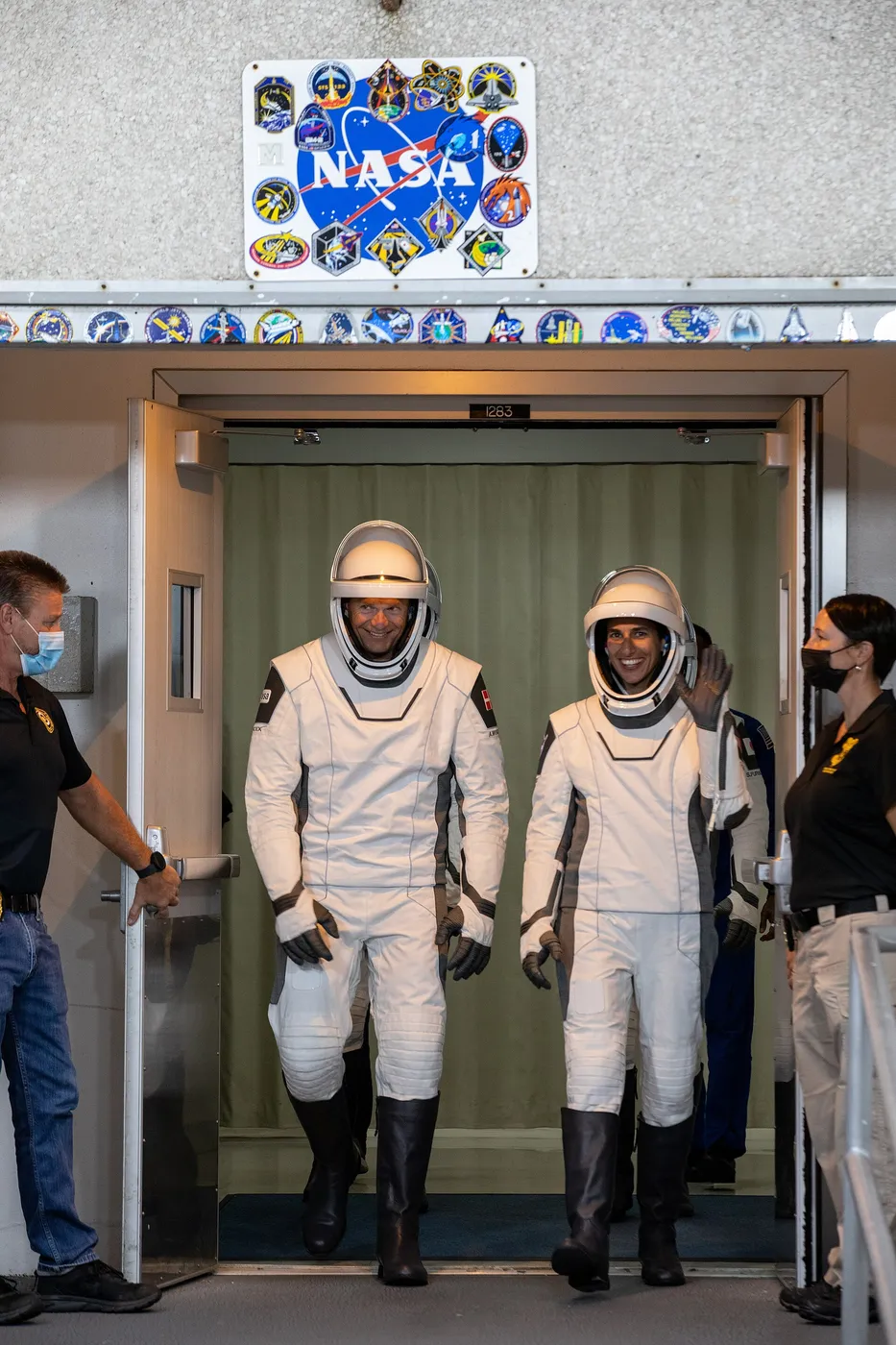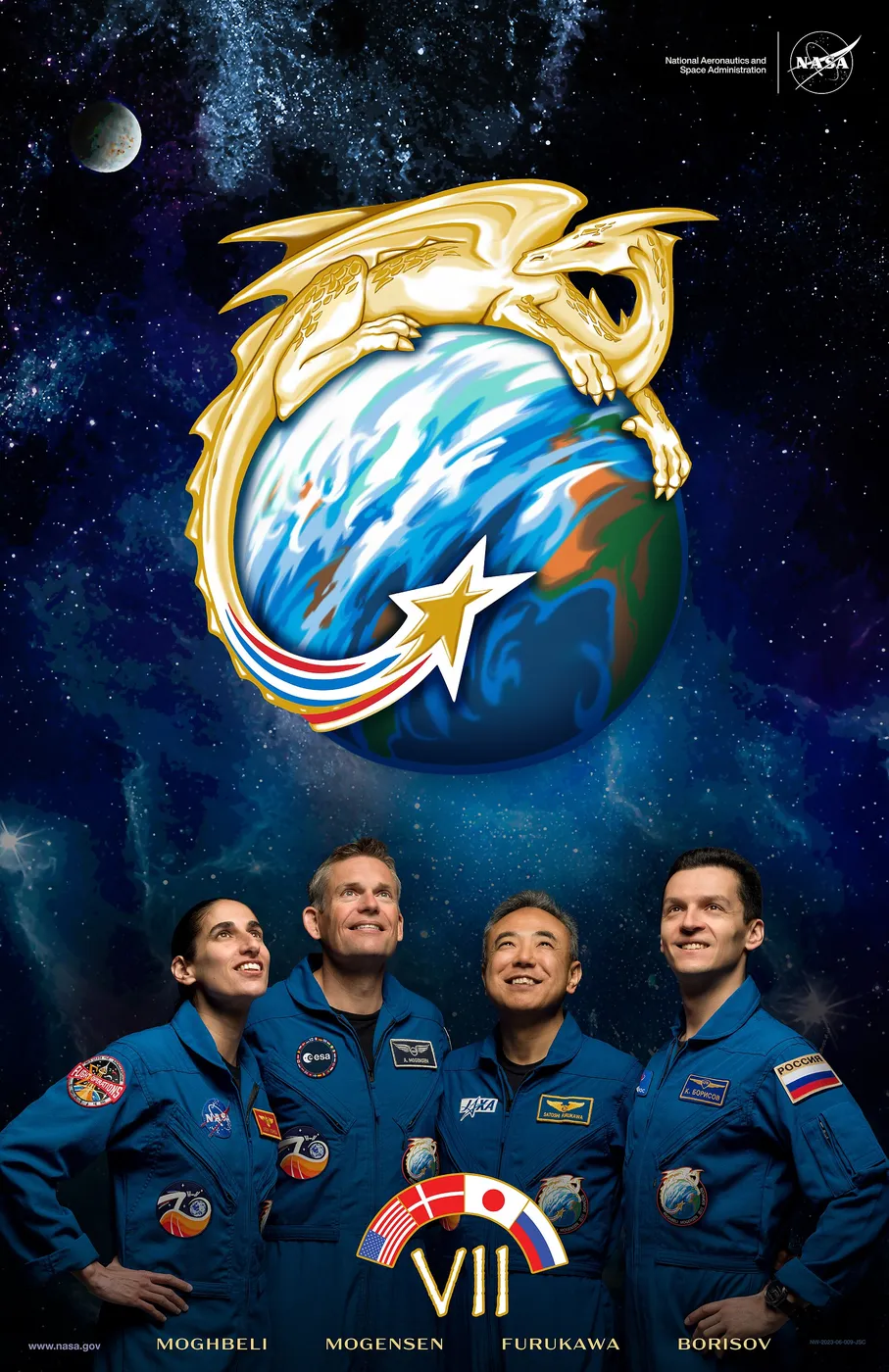
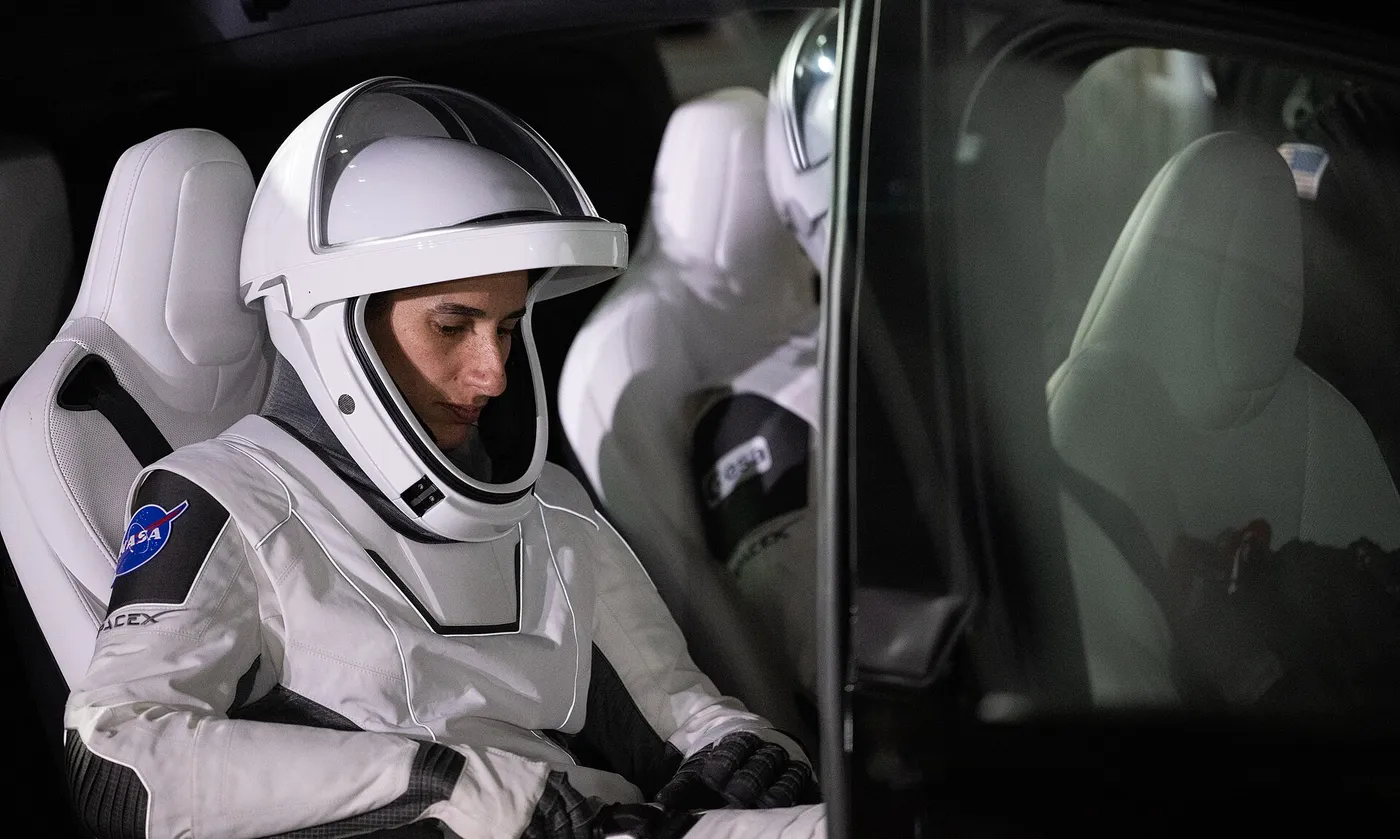

Crew-7 was the first station rotation in which all four seats were filled by different space agencies. Jasmin Moghbeli of NASA flew with Andreas Mogensen of the European Space Agency, Satoshi Furukawa of Japan and Konstantin Borisov of Roscosmos — American, European, Japanese and Russian in a single capsule.
It was an arrangement the partnership had been building towards for twenty-five years, and it happened in August 2023 with almost no comment. Moghbeli, a Marine helicopter pilot born to Iranian parents who had fled the revolution, commanded the flight; Mogensen, a Dane, took command of the station during the expedition.
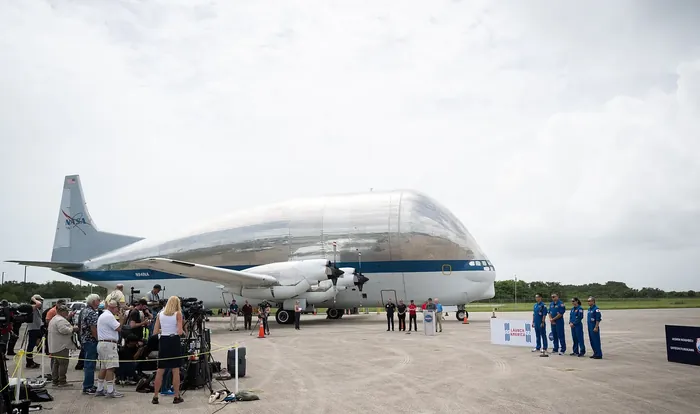
The mission lasted 199 days and included a research programme heavily weighted towards human health — studies of how the cardiovascular and immune systems adapt, and of the sleep disruption that affects almost every long-duration crew member. That emphasis reflects the station's shift, late in its life, towards preparing for journeys beyond it.
Mogensen also conducted an extensive photographic programme, including images of transient luminous events — the sprites and blue jets that flicker above thunderstorms and are far easier to photograph from orbit than from below. The results contributed to a genuine scientific literature rather than merely to outreach.
The flight is a reasonable illustration of what the station has actually achieved. The science is real but arguable; the durable accomplishment is an operational culture in which four agencies with divergent politics, languages and engineering traditions routinely put their people in the same vehicle.