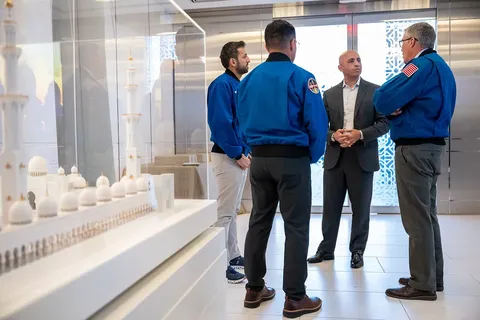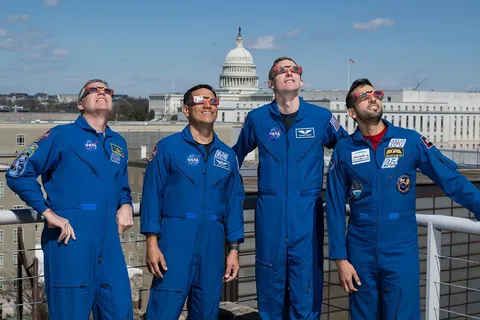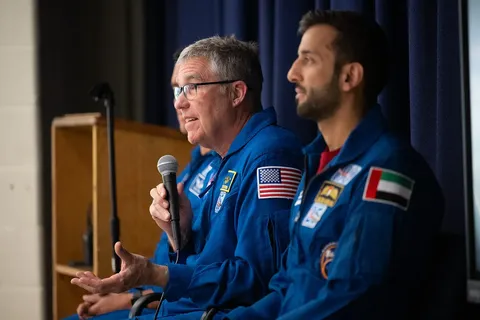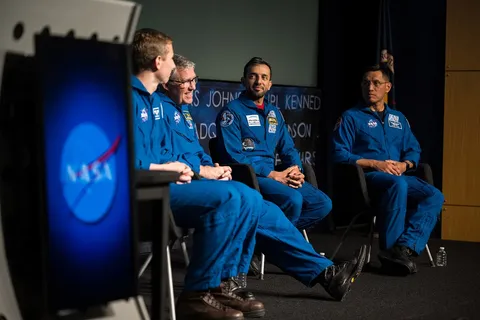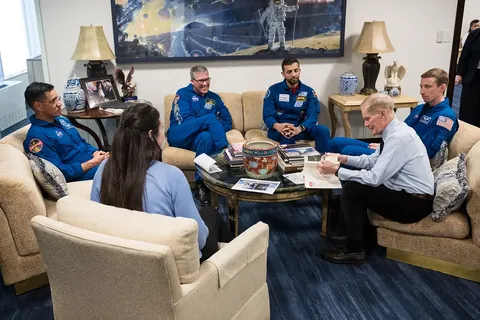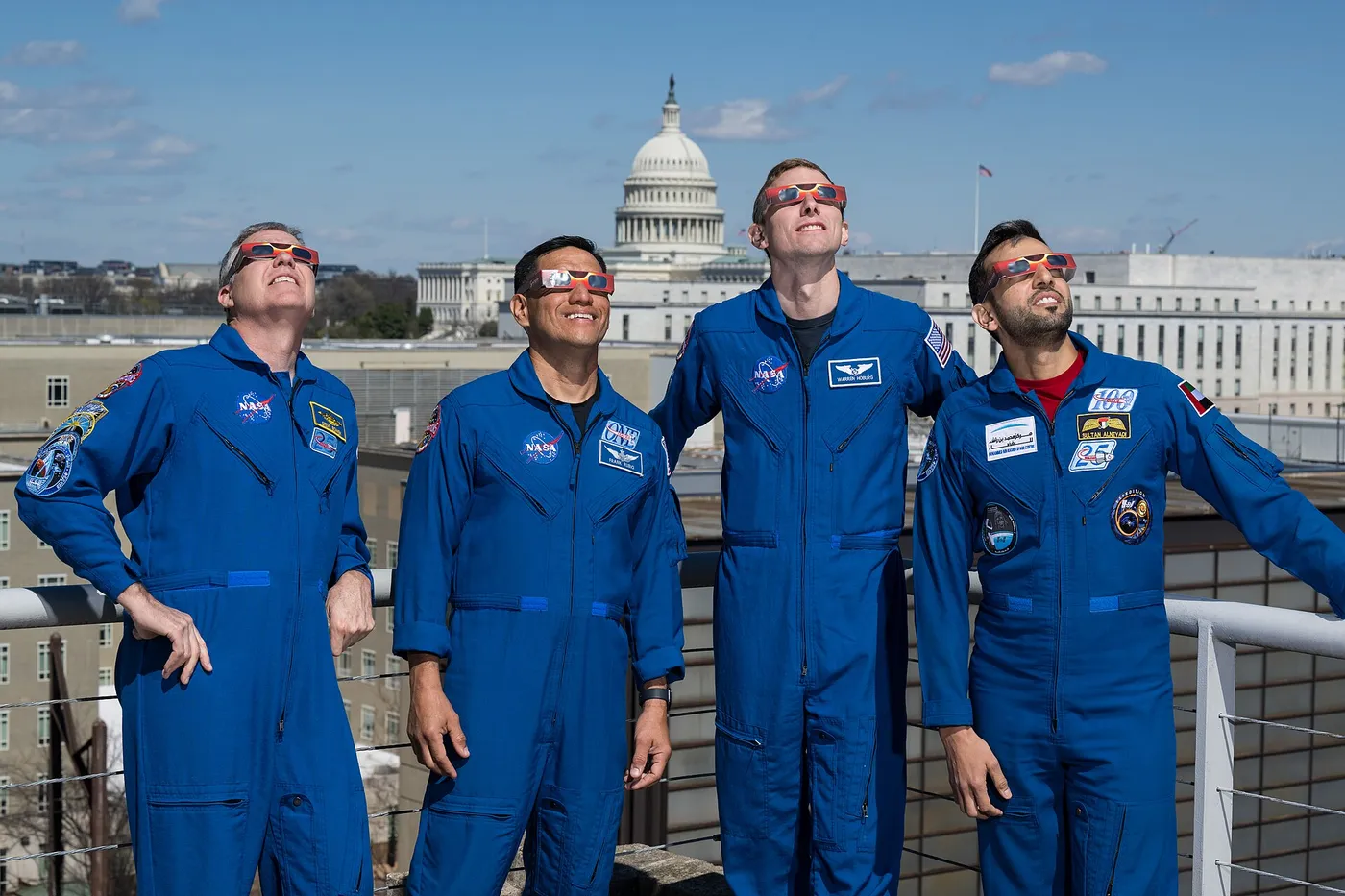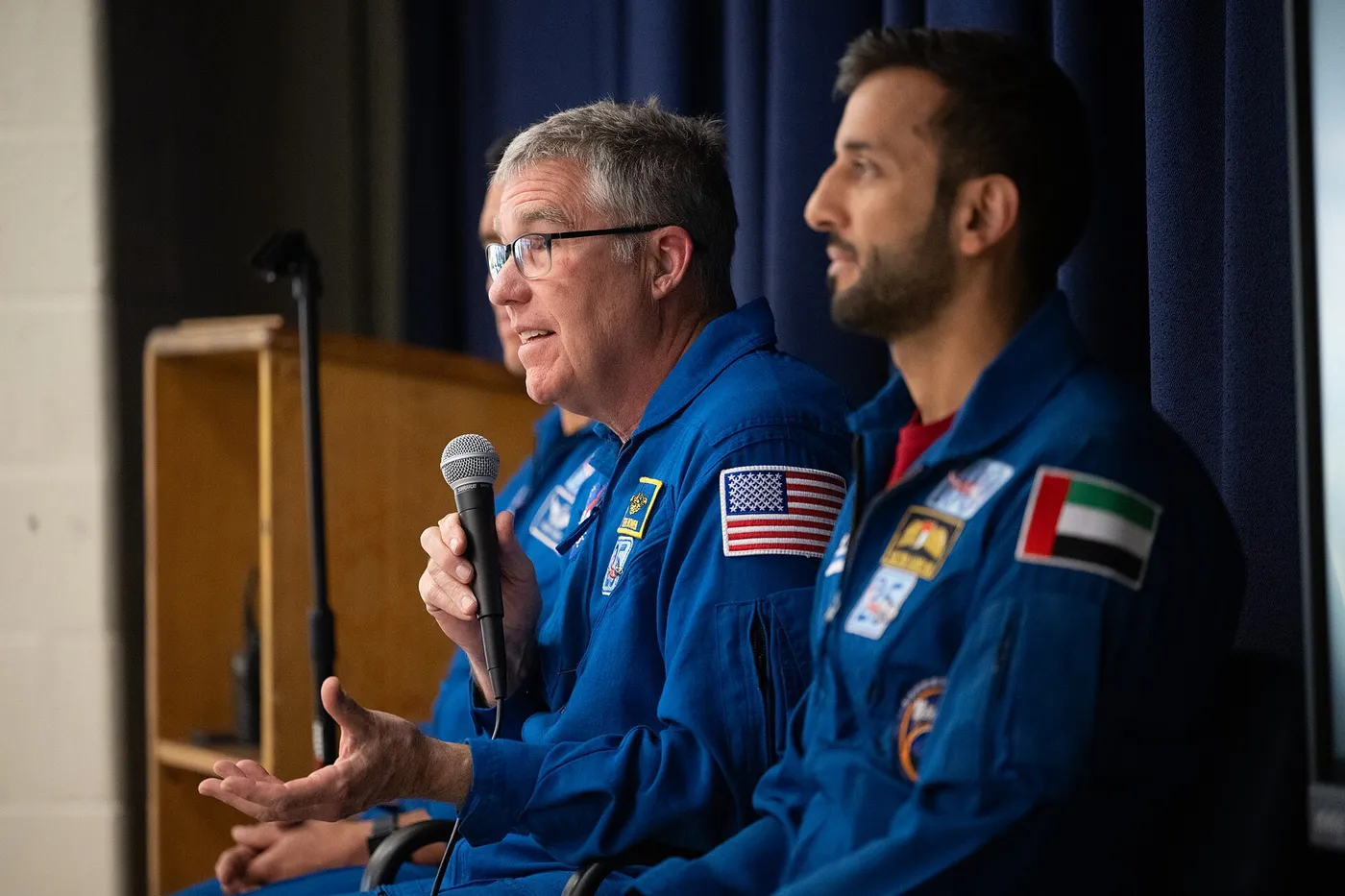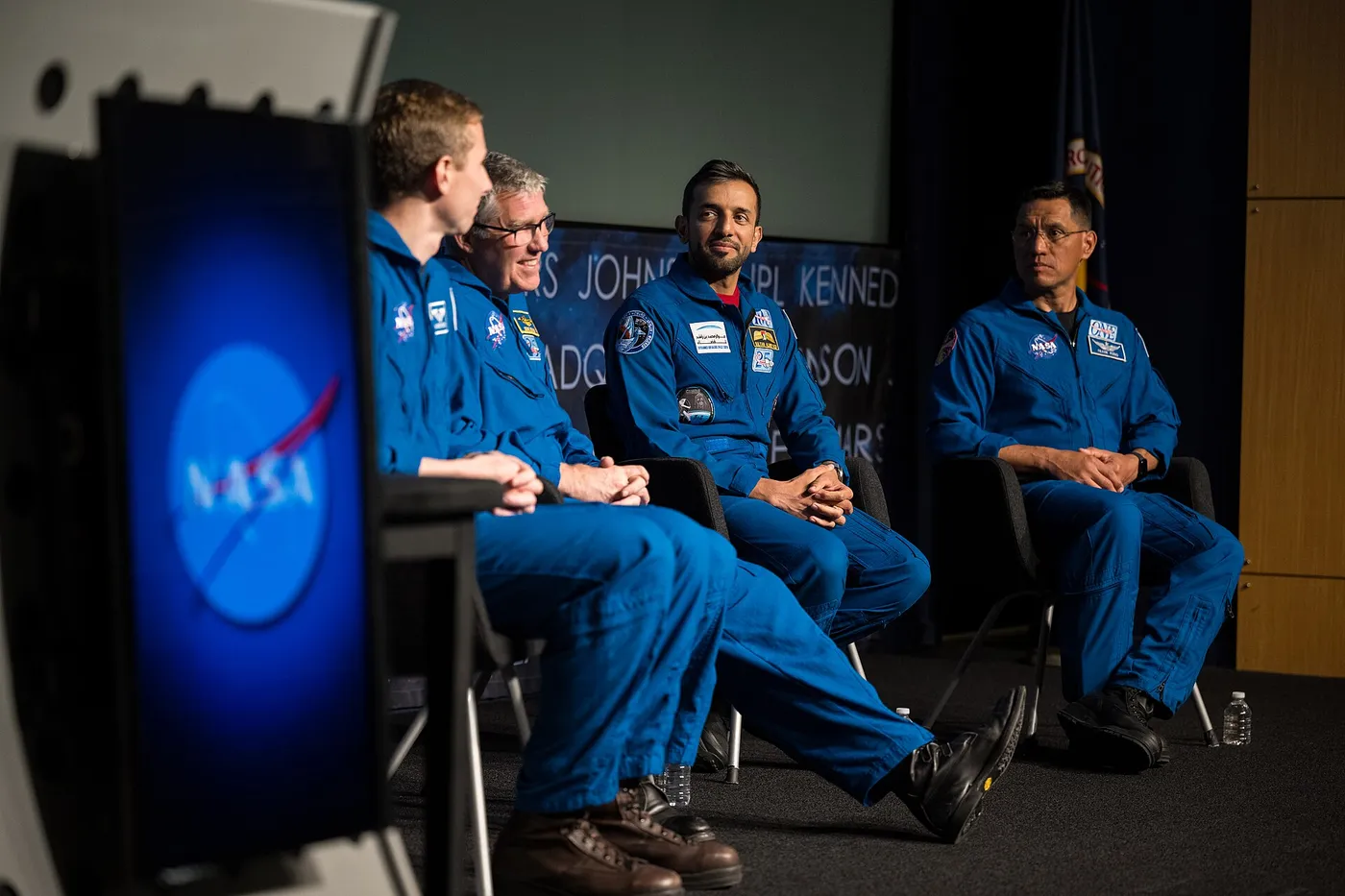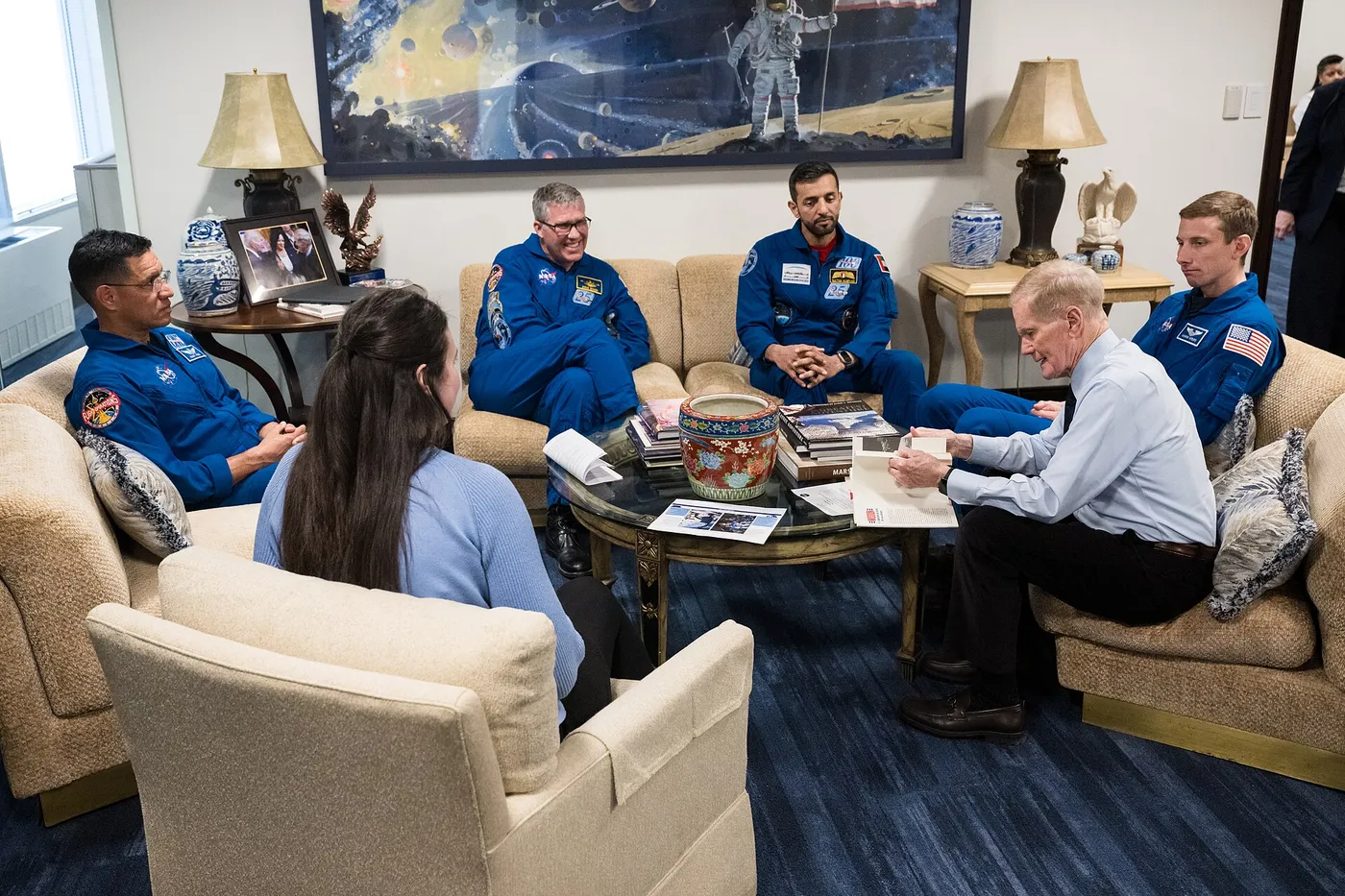
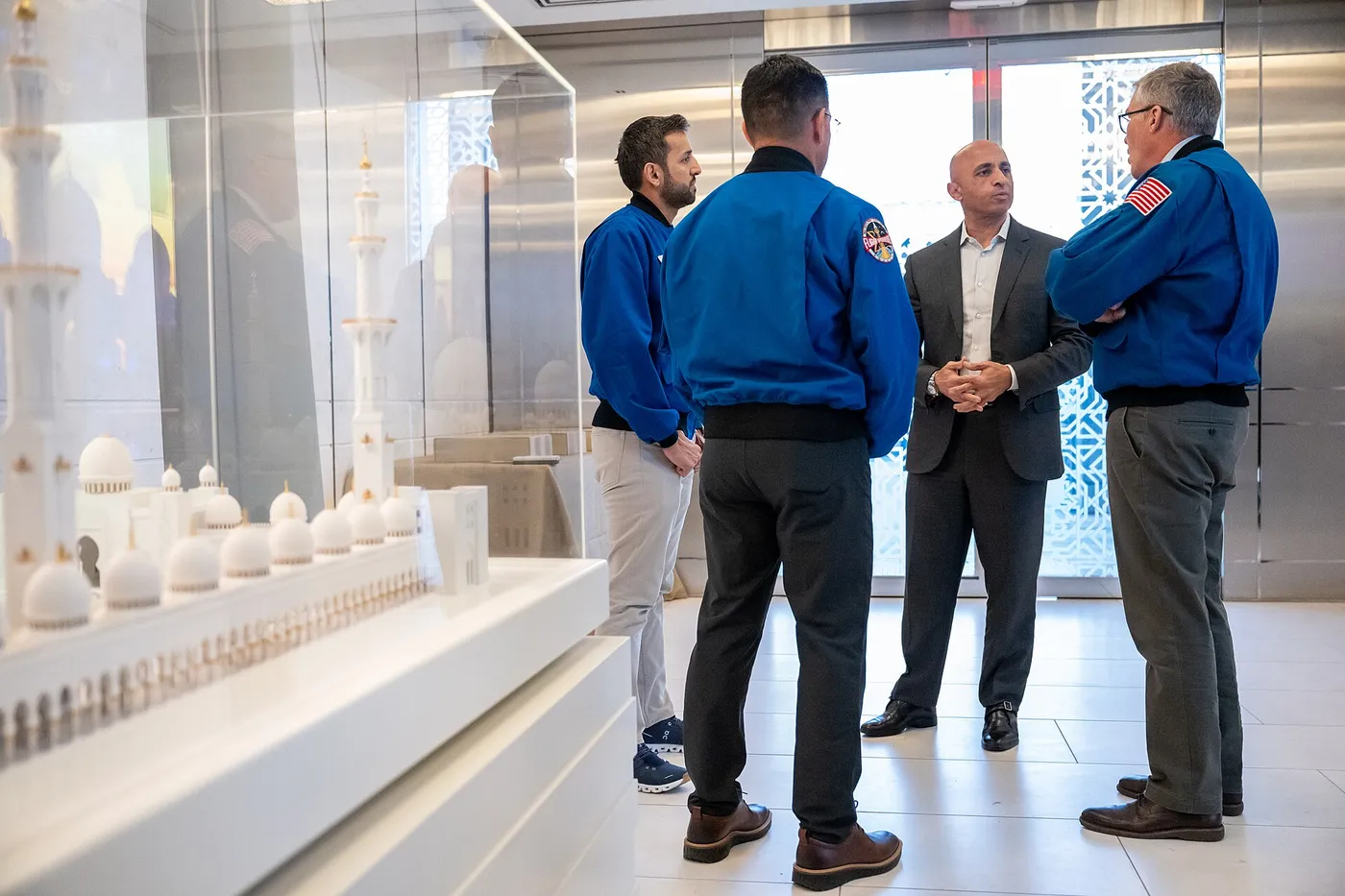
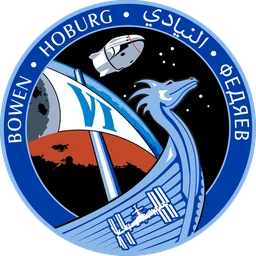
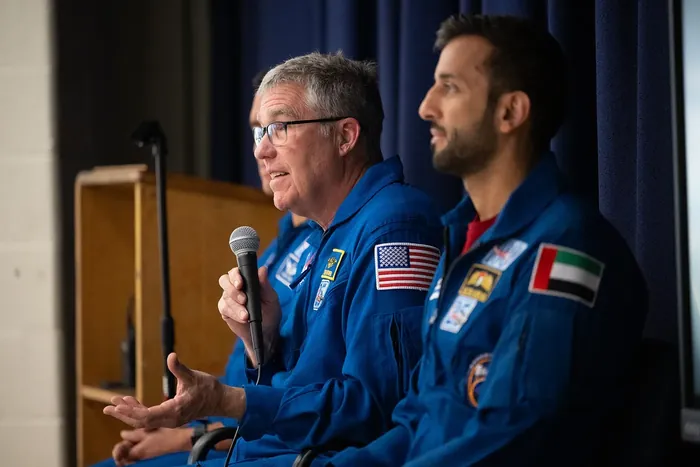
Crew-6 launched in March 2023 with Stephen Bowen and Warren Hoburg alongside Sultan Alneyadi of the United Arab Emirates and Andrey Fedyaev of Roscosmos — the second flight under the seat-exchange arrangement, and the first long-duration mission by an Arab astronaut.
Alneyadi spent six months aboard, conducted the first spacewalk by an Arab astronaut, and ran an extensive outreach programme in Arabic that reached audiences with little previous exposure to human spaceflight. The UAE had reached orbit for the first time only four years earlier, with a short visiting mission, and has since built a programme including a Mars orbiter and a planned lunar rover.
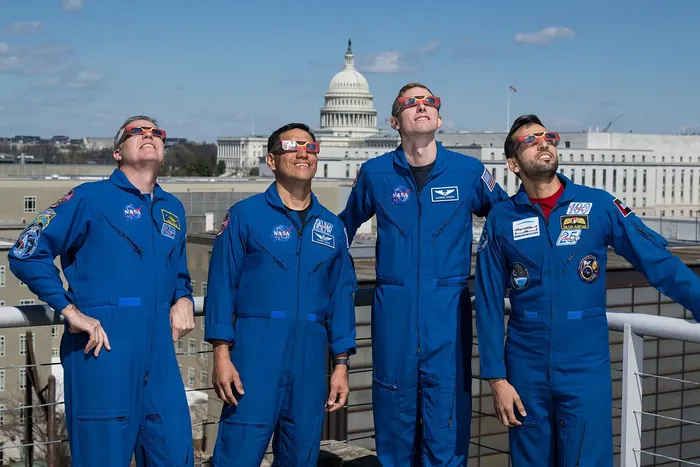
Bowen was flying for the fourth time, having made three Shuttle flights including two Hubble and station assembly missions, and holds a place in the small group of astronauts whose careers bridge the Shuttle and commercial eras. He took over as station commander during the expedition.
The mission ran 186 days and included work on the station's power system, a substantial research programme, and the reception of several visiting vehicles — the ordinary rhythm of station operations, which now involves cargo ships from several providers arriving on a schedule that would have been inconceivable during the Shuttle era.
Its most consequential feature was probably the least visible: the continued functioning of a joint Russian-American crew rotation through a period when cooperation between the two governments had otherwise almost entirely collapsed. The station has remained, by some distance, the most durable surviving link between them.