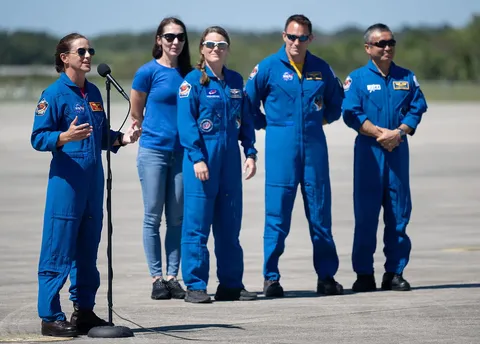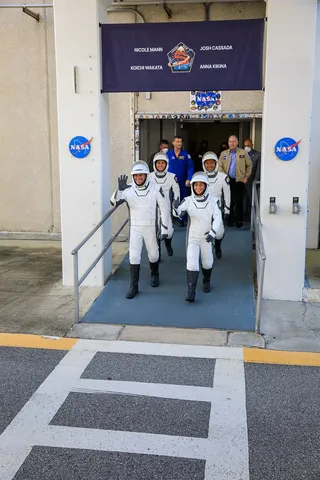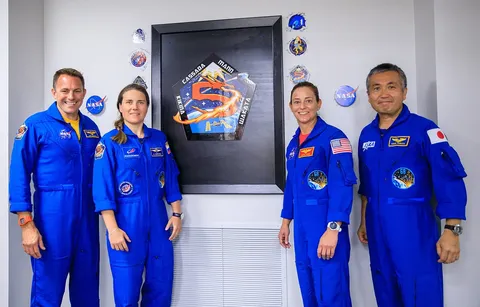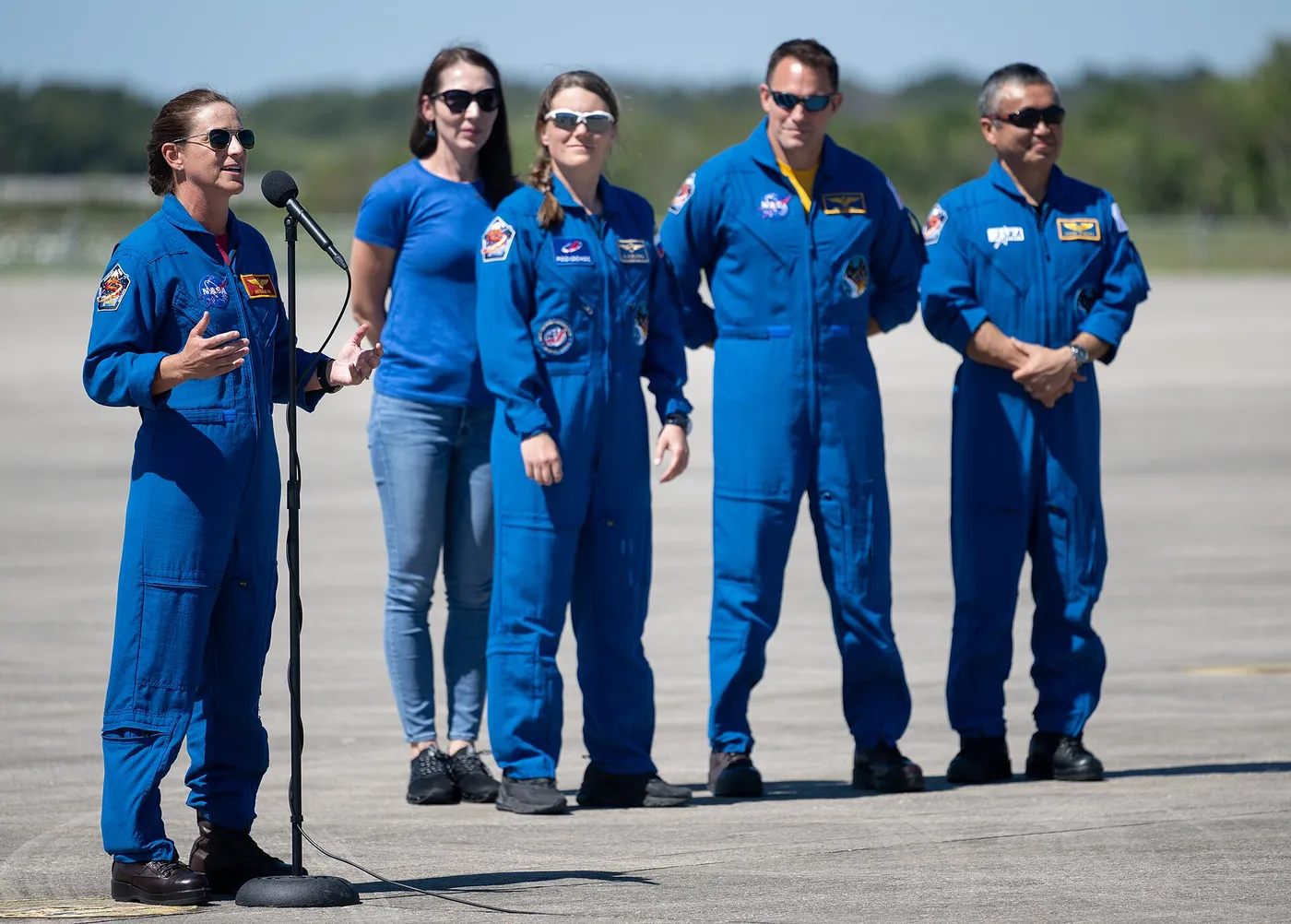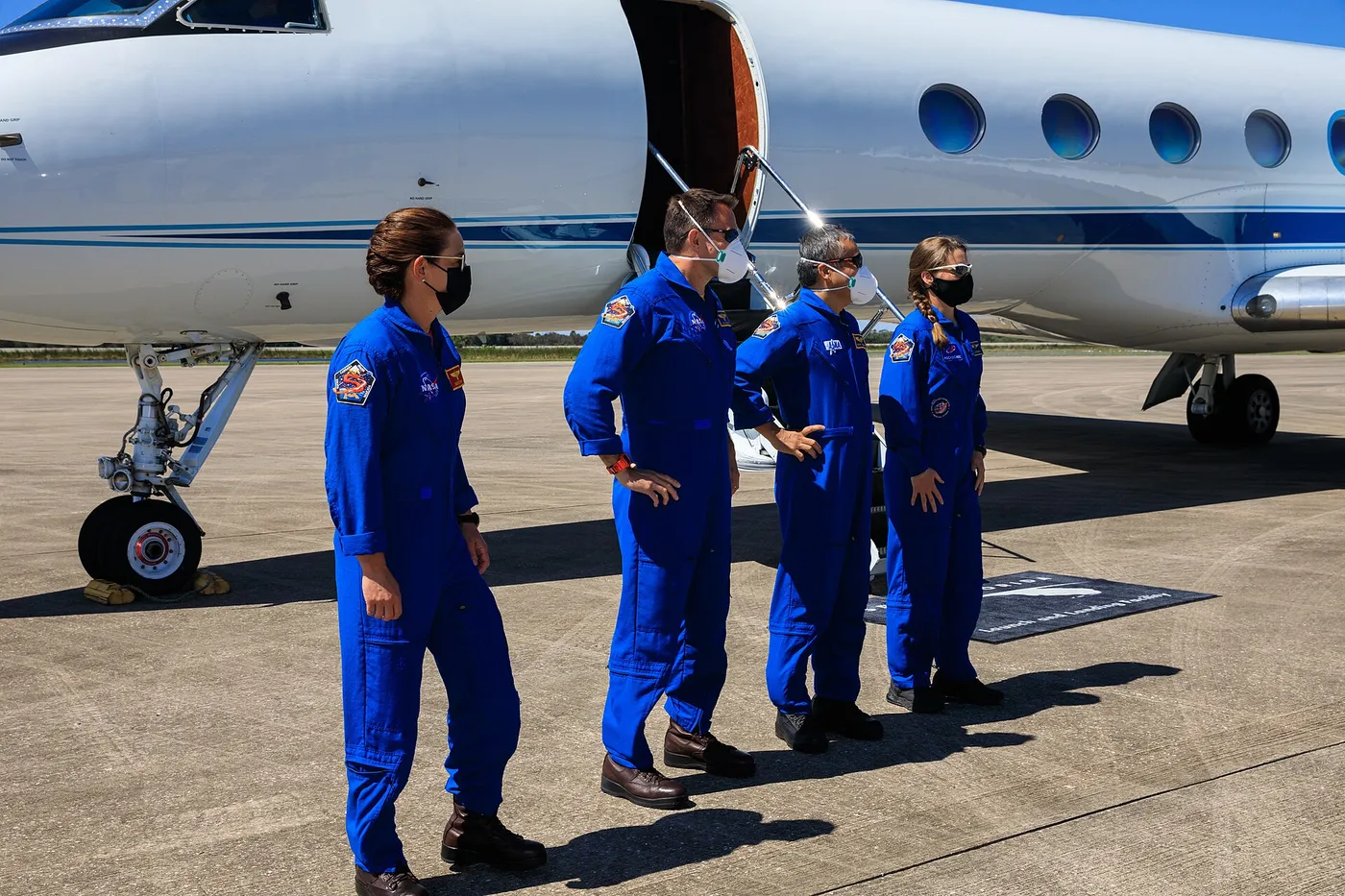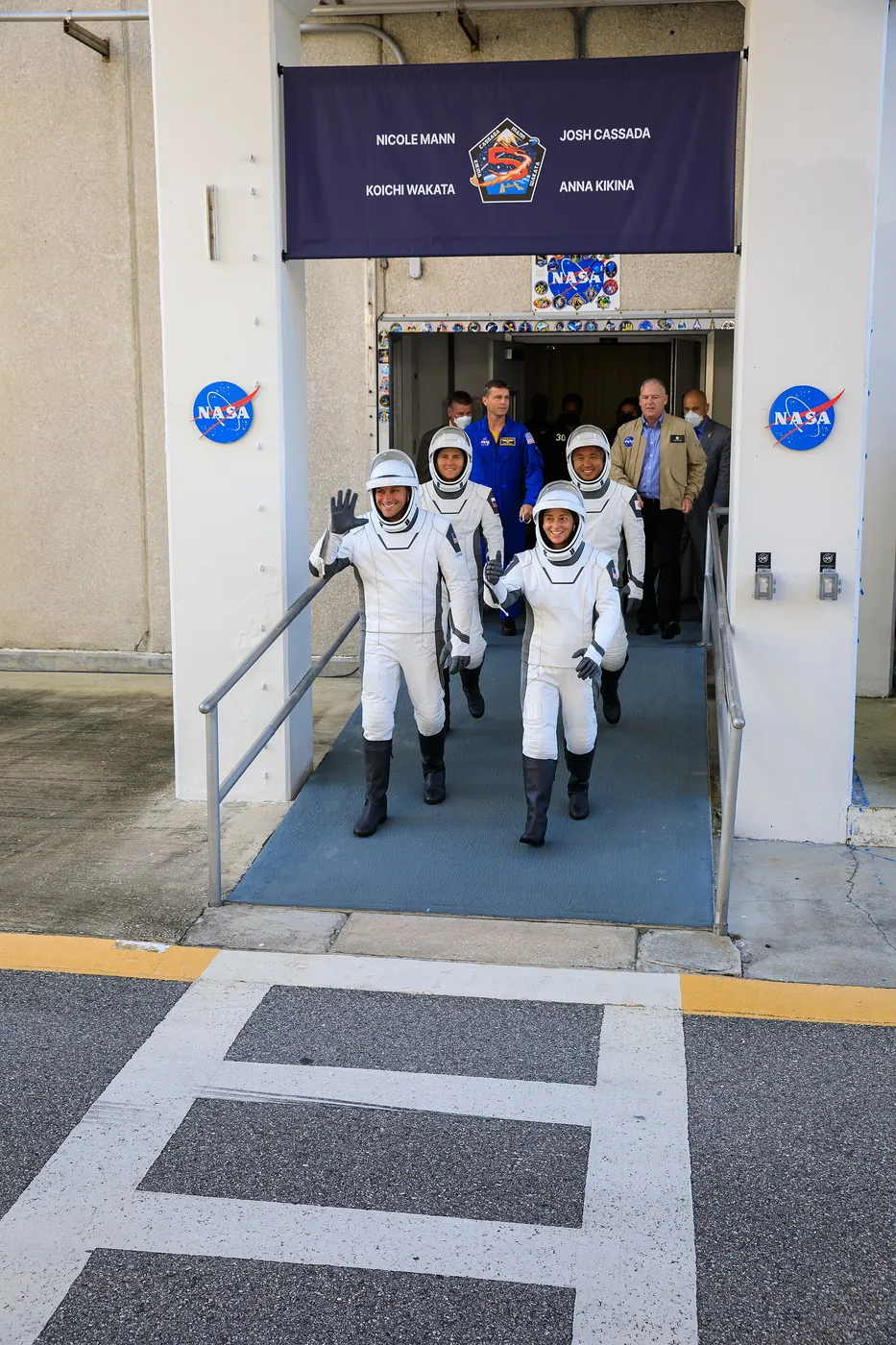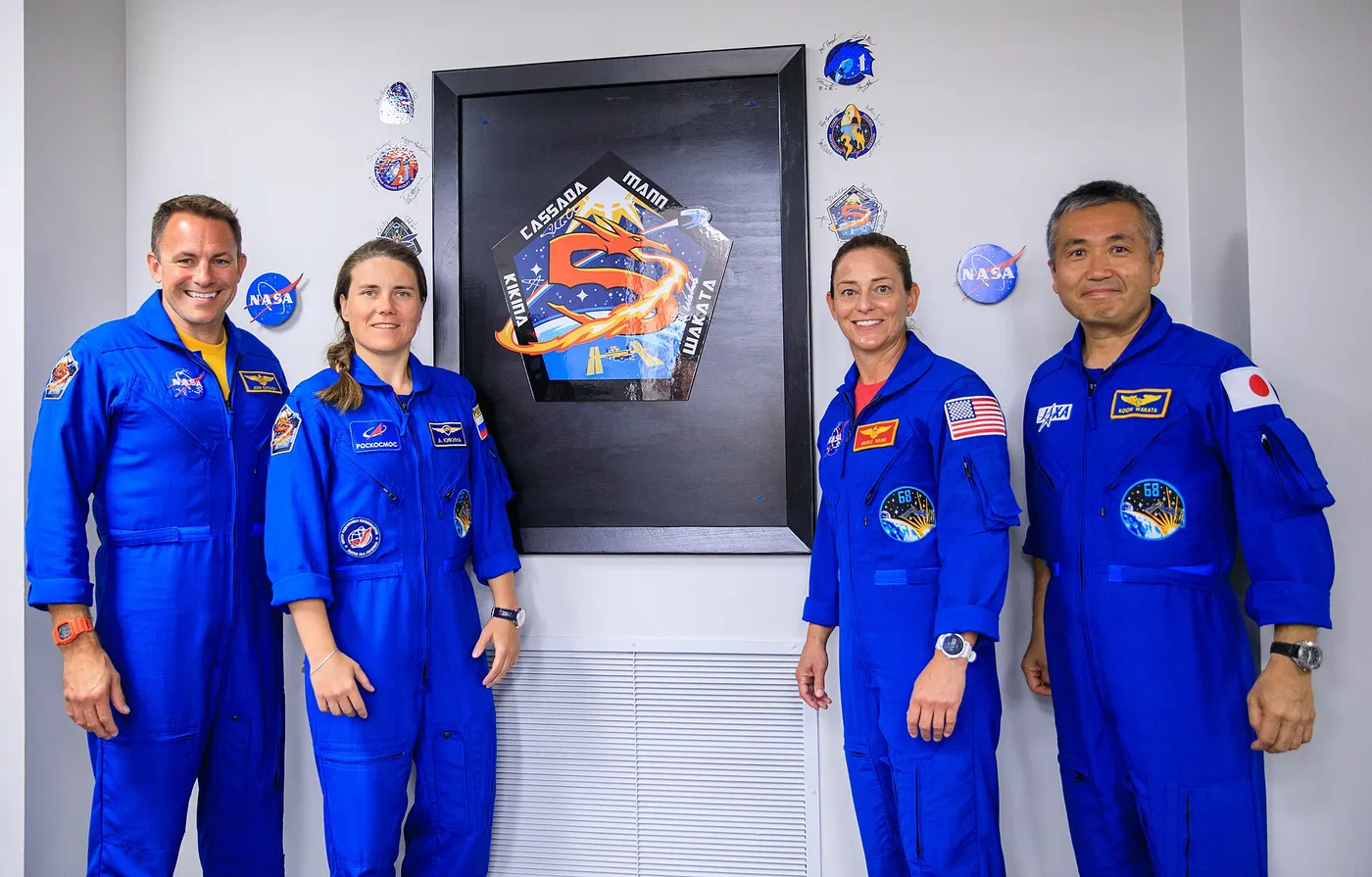
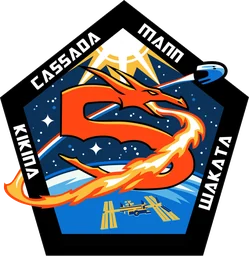
Crew-5, launched in October 2022, carried a crew of unusual composition: Nicole Mann and Josh Cassada, Koichi Wakata of Japan, and Anna Kikina of Roscosmos — the first Russian cosmonaut to fly aboard an American commercial spacecraft.
Kikina's presence was the visible result of a seat-exchange agreement signed months earlier, at a moment of severe political tension following the invasion of Ukraine. The logic was operational rather than diplomatic: if either Dragon or Soyuz were grounded, having Russians and Americans aboard both vehicles ensures the station always has crew capable of operating each segment.
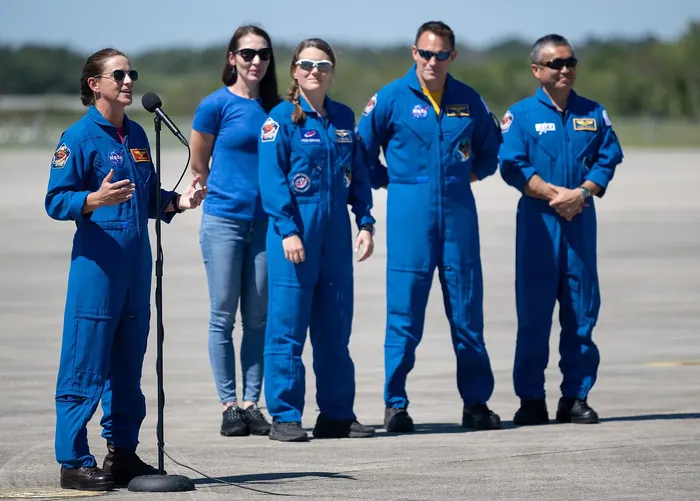
Nicole Mann, a Marine test pilot and a member of the Wailacki of the Round Valley Indian Tribes, became the first Native American woman to reach space. She carried a dreamcatcher given to her by her mother, and commanded the mission.
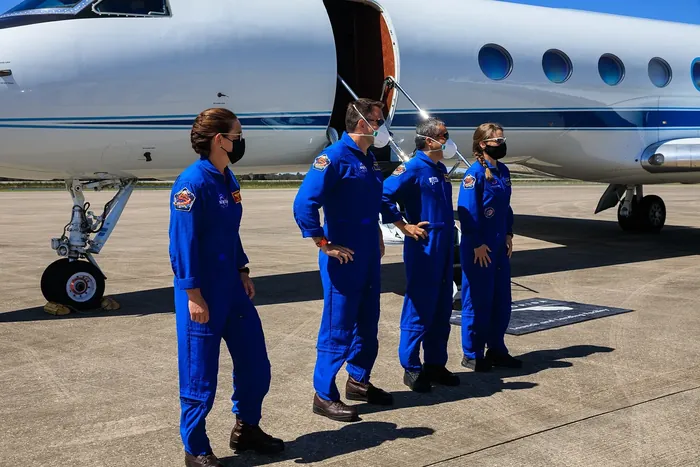
Wakata was making his fifth flight, a Japanese record, having first flown on a Shuttle in 1996 to retrieve a Japanese satellite and having commanded the station in 2014. The expedition ran 157 days and included spacewalks to install further roll-out solar arrays.
The rotation also absorbed an emergency elsewhere on the station. A Soyuz docked at the Russian segment sprang a coolant leak — most likely a micrometeoroid strike — and was judged unsafe to carry its crew home; a replacement was launched uncrewed, and the affected cosmonauts' stay was extended to more than a year.