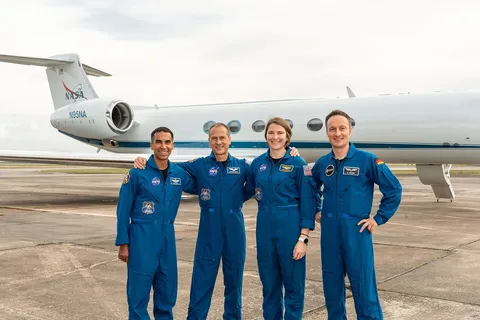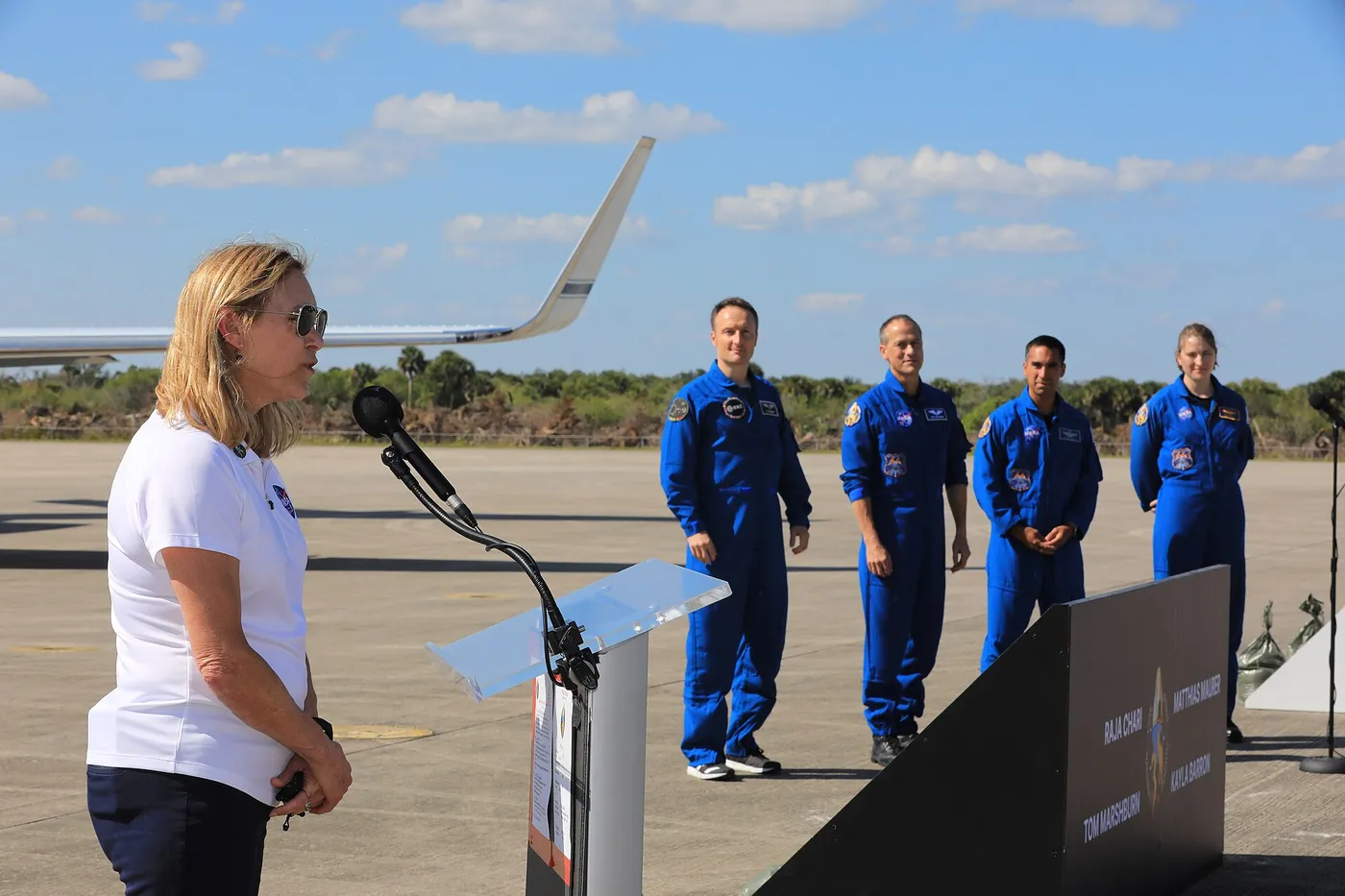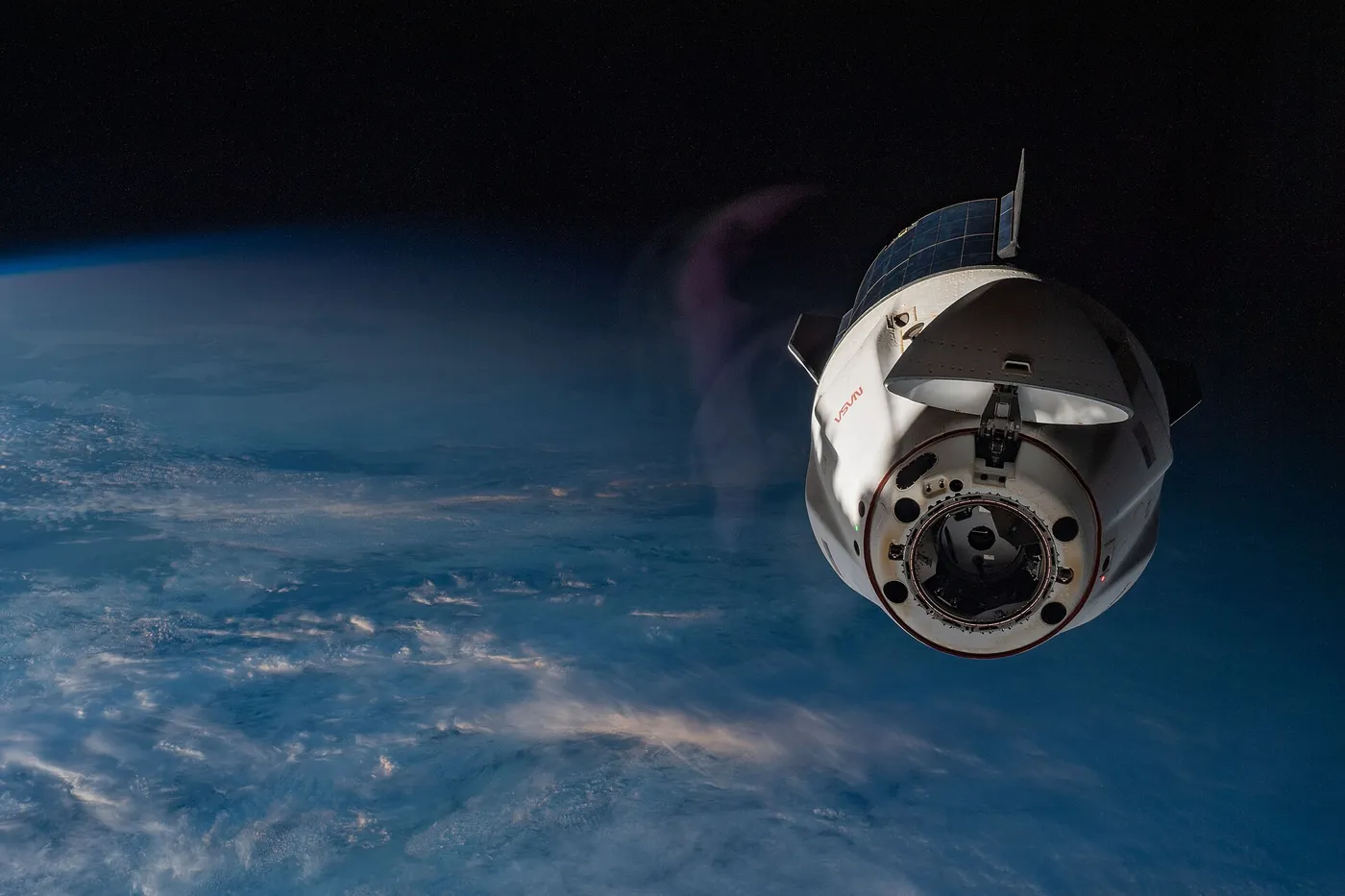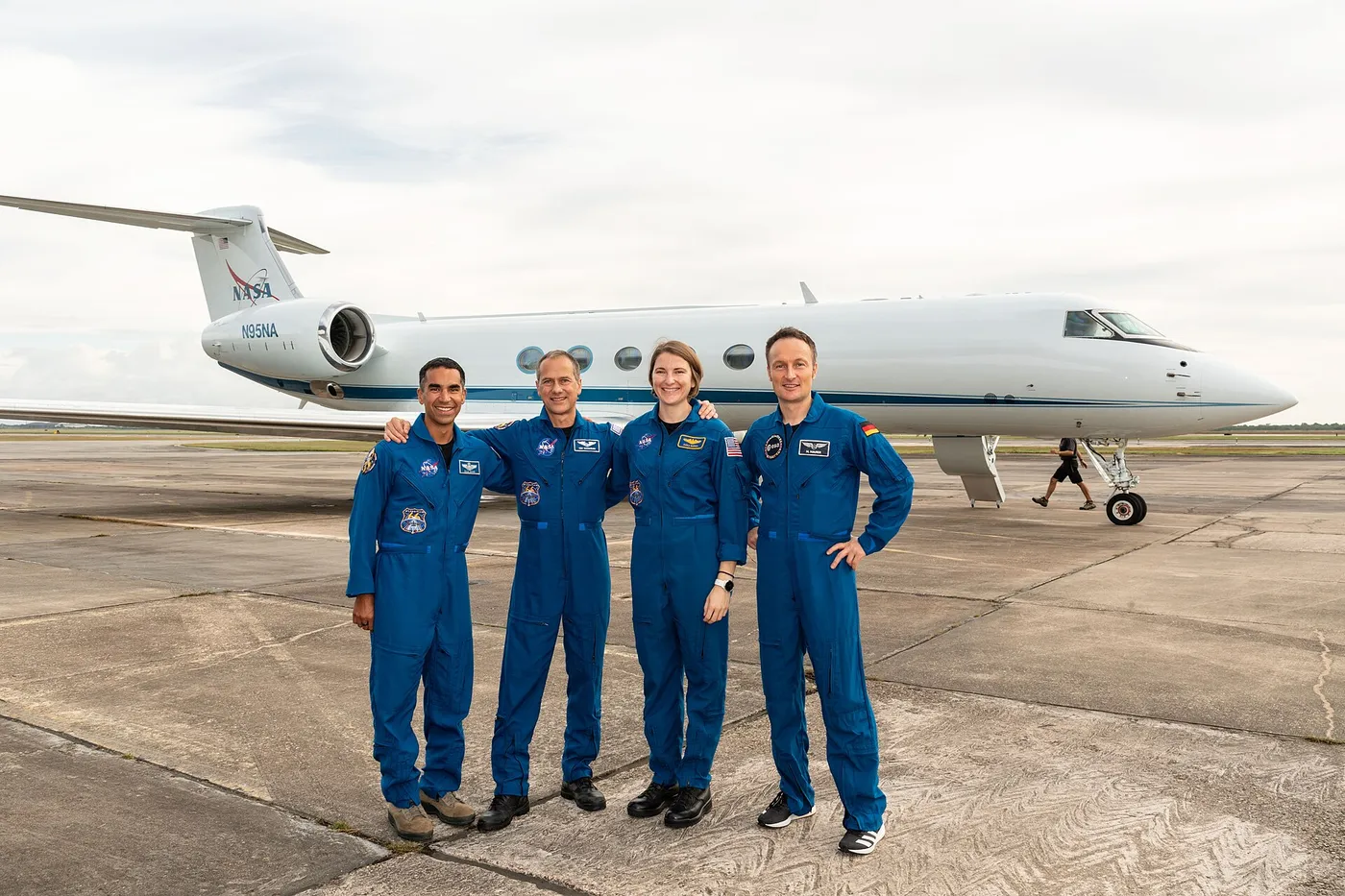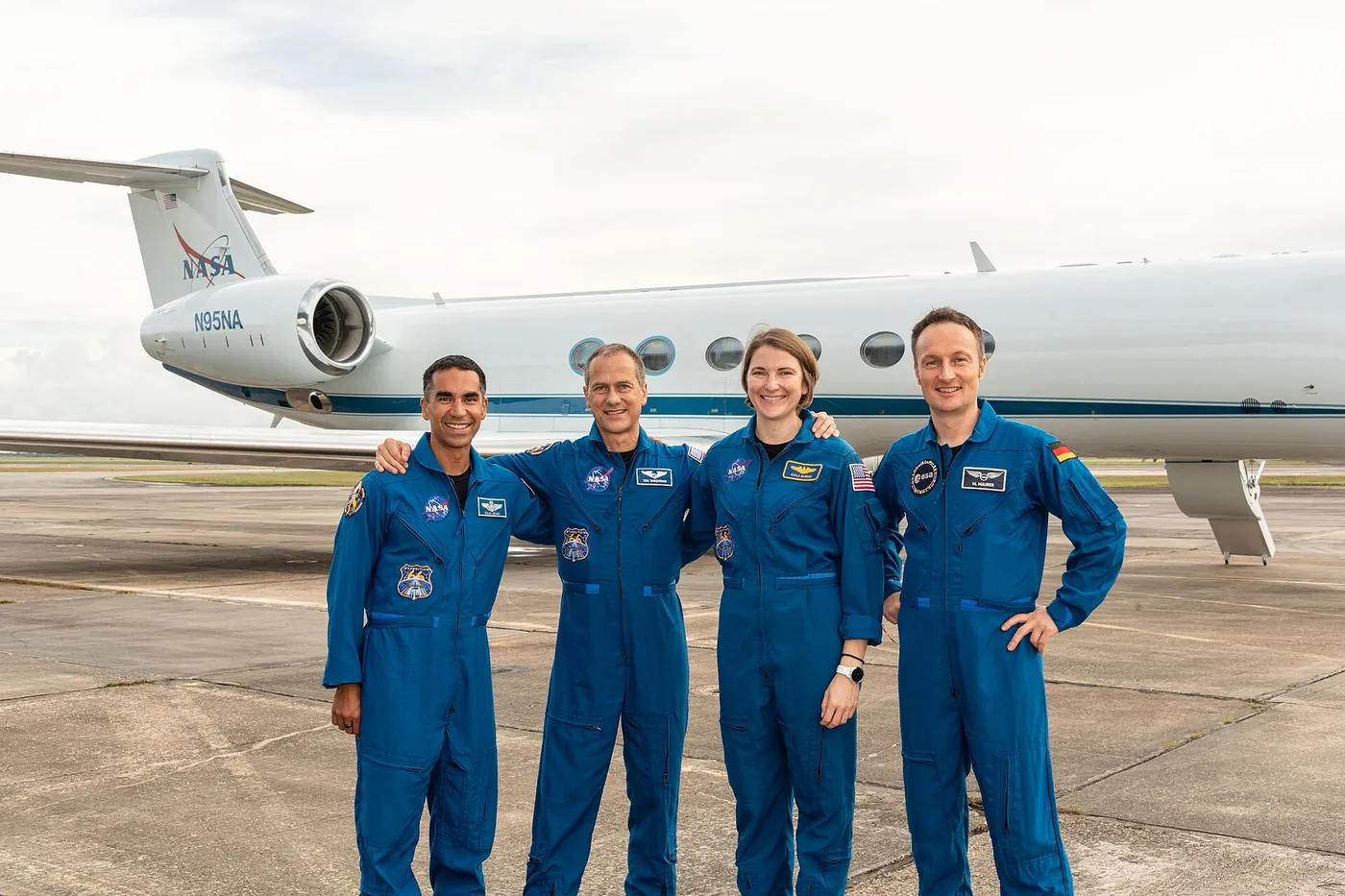
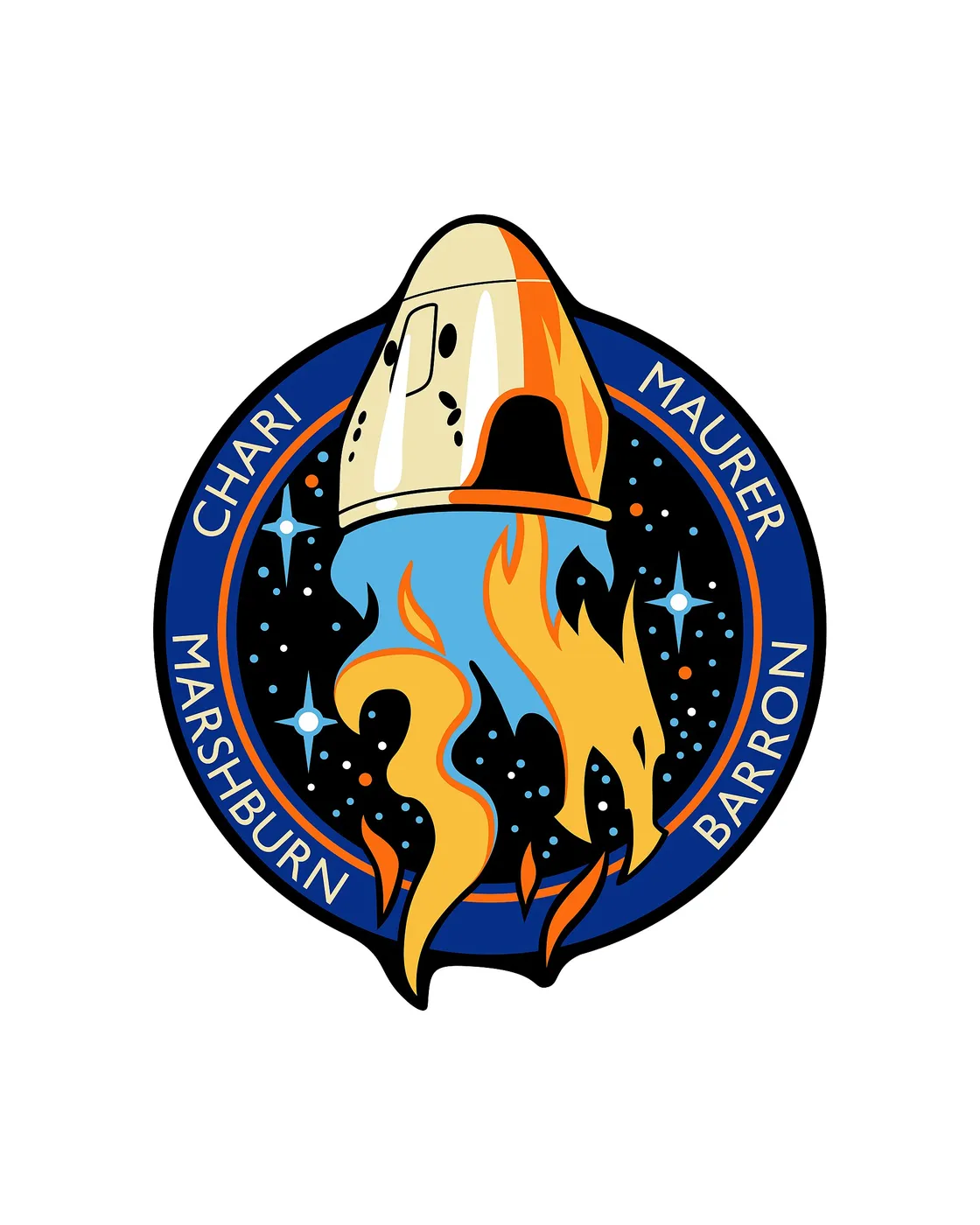
Crew-3 launched in November 2021 with Raja Chari, Tom Marshburn and Kayla Barron alongside Matthias Maurer of Germany, and it flew into a station that had become a considerably more crowded and complicated place than its designers had imagined.
Days after their arrival the crew were woken and told to shelter in their docked spacecraft as the station passed through a newly created debris field. Russia had destroyed one of its own defunct satellites in an anti-satellite weapons test, generating more than 1,500 trackable fragments in an orbit that intersected the station's, and the crew sheltered repeatedly over the following days.
The test drew unusually sharp public criticism from NASA and from other agencies, since the debris threatened the Russian cosmonauts aboard as much as anyone else. It also sharpened an argument that had been building for years about the sustainability of low Earth orbit as commercial constellations multiply.
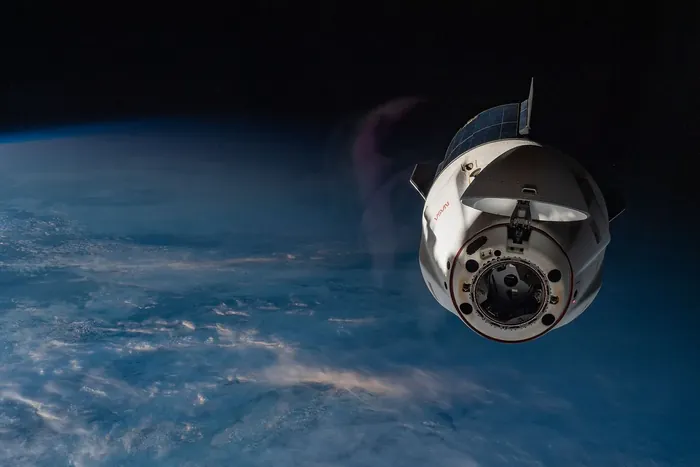
The expedition itself was productive and long — 177 days — including spacewalks to continue upgrading the power system and a research programme spanning materials science, plant growth and human physiology. Marshburn, a physician on his third flight, had first reached orbit on a Shuttle in 2009.
Maurer's presence continued the pattern of a European seat on most rotations, part of the barter arrangement by which ESA pays for its share of the station in hardware and services rather than cash. He became the twelfth German in space and spent much of his time on the European laboratory's science programme.