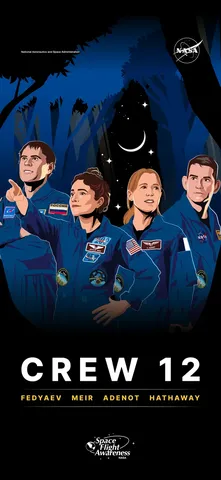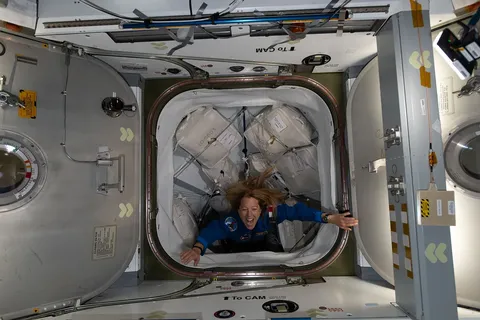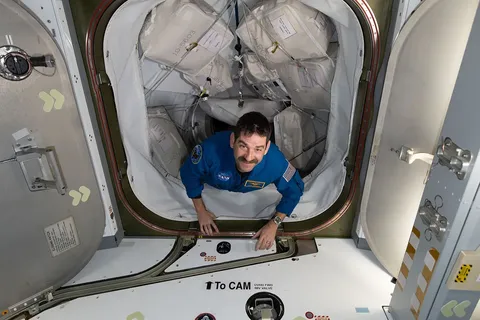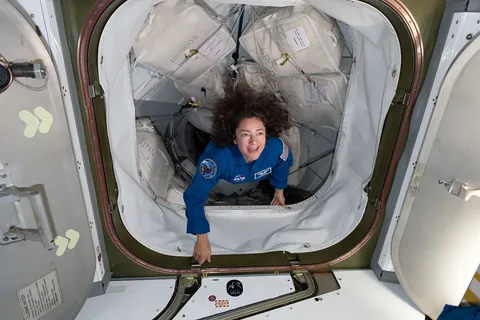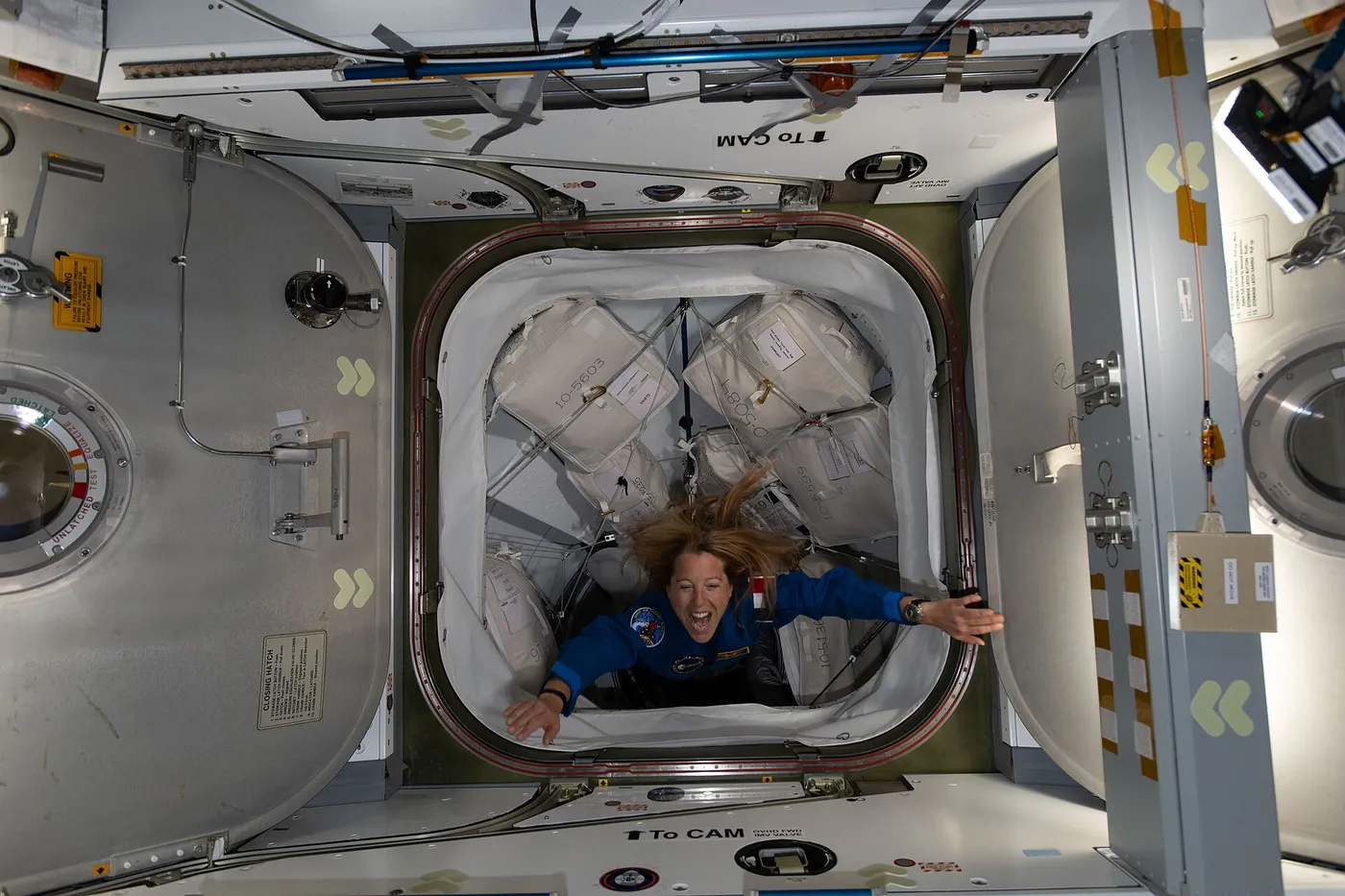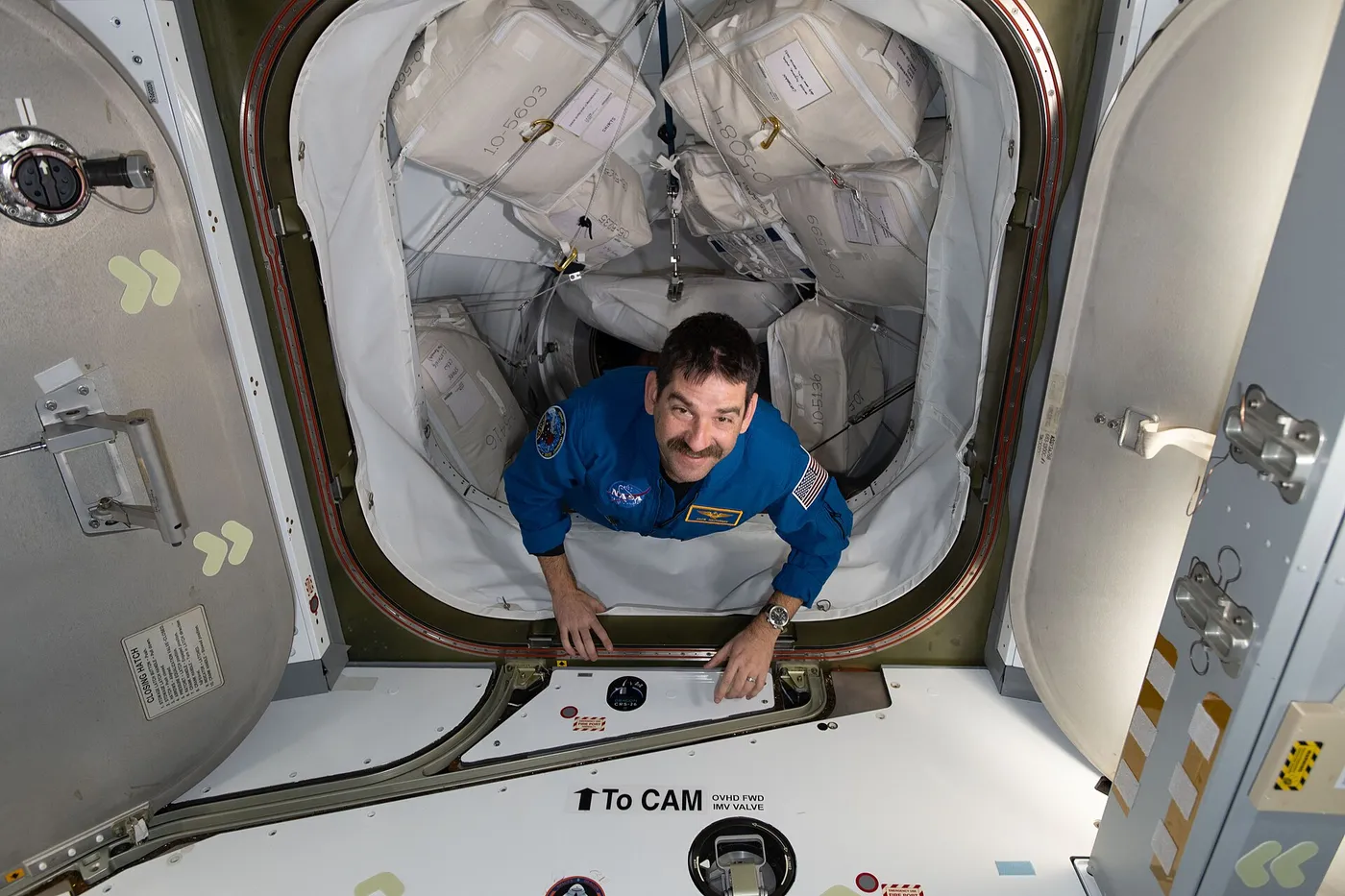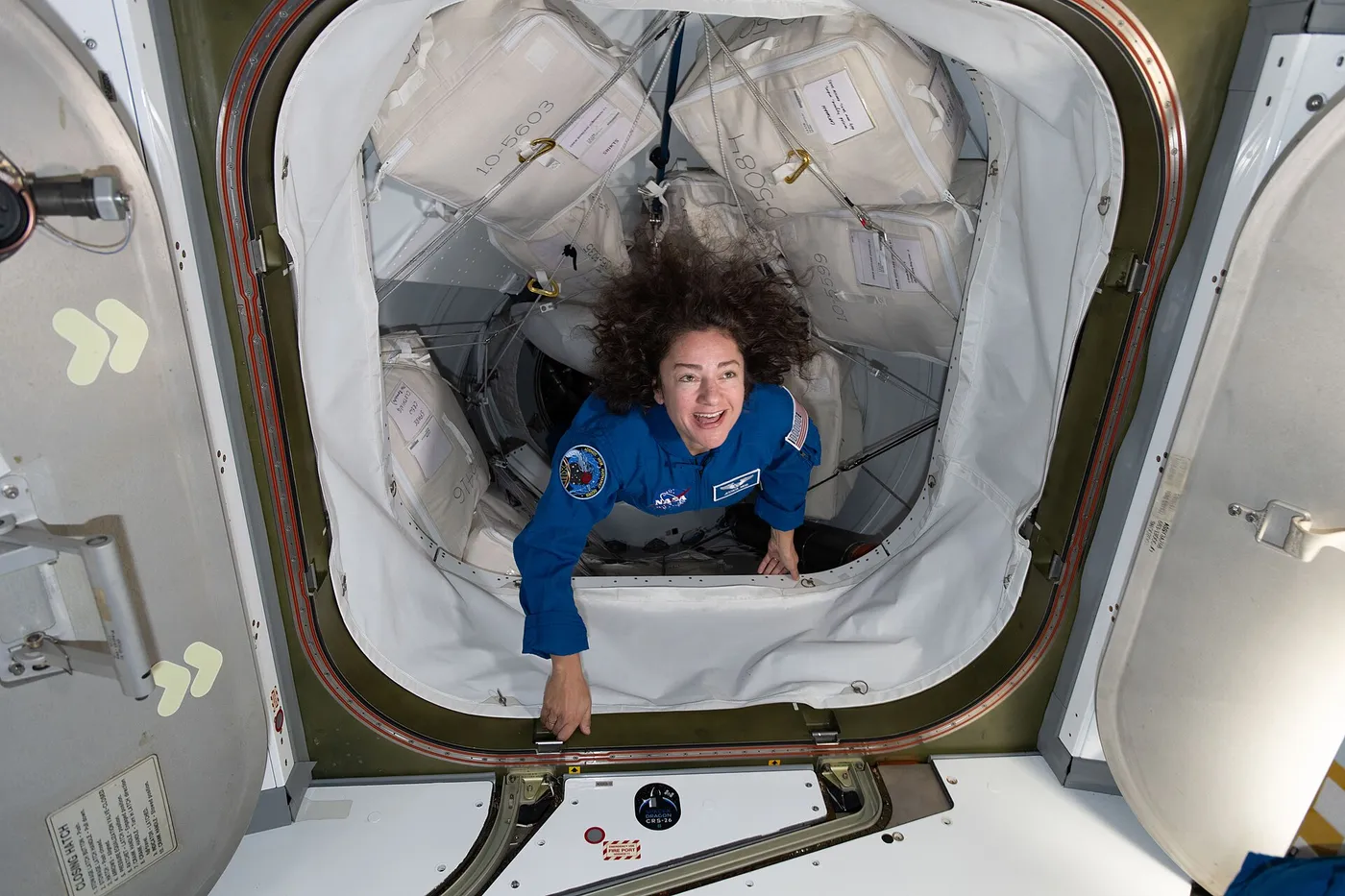
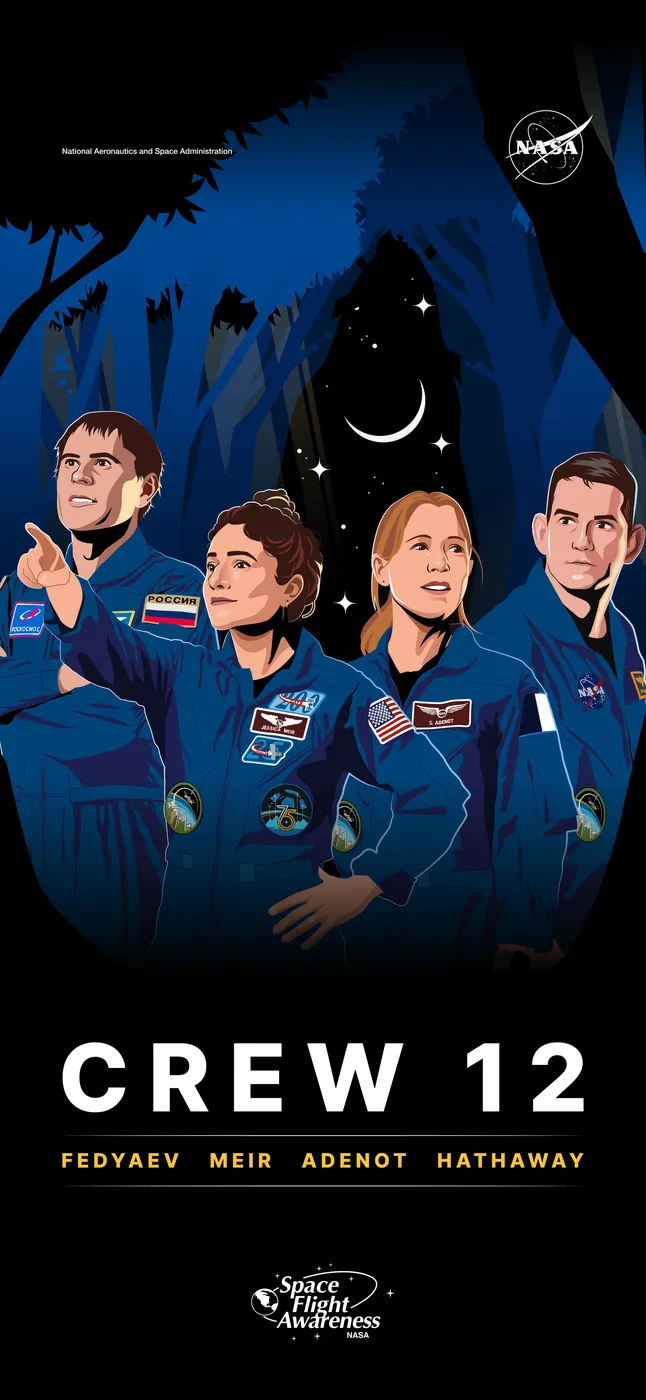
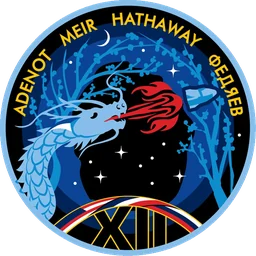
Crew-12 continues the rotation into 2026, by which point the arrangement has been running for more than five years and has carried dozens of people to the station in six-month shifts — an operational cadence the American programme had not sustained since the Shuttle's busiest years, and never before with this degree of international mixing.
The station it serves is in its final phase. Operations are funded through 2030, after which a purpose-built deorbit vehicle — contracted to SpaceX and derived from the Dragon design — will lower it for a controlled destruction over the South Pacific. Planning for that ending now shapes what is flown and what is worth repairing.
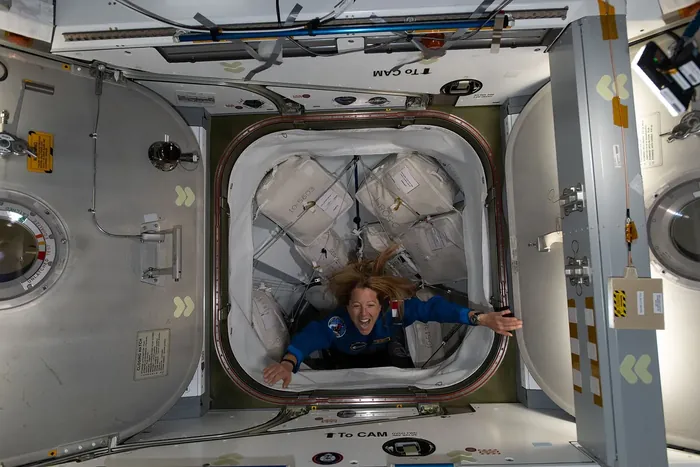
Each rotation therefore carries a slightly different weight than it did a decade ago. Hardware that fails is increasingly assessed against how many years of use remain rather than replaced as a matter of course, and the research programme is oriented towards questions that must be answered before the laboratory closes.
The commercial successors are meanwhile in development, with several companies building stations intended to host NASA astronauts as customers rather than owners — the same model that produced Crew Dragon, applied to the destination rather than the transport. Whether any will be flying before 2030 is genuinely uncertain.
What the Dragon rotations have established, regardless of what follows, is that routine access to orbit can be bought rather than built. That was a contested proposition when Commercial Crew was funded in 2010, and it is now simply how the United States gets its astronauts into space.