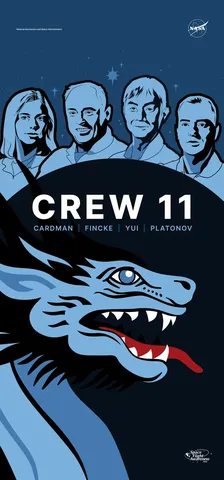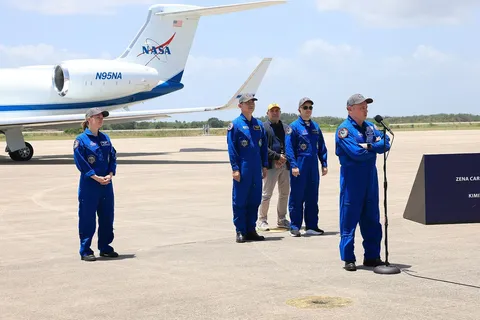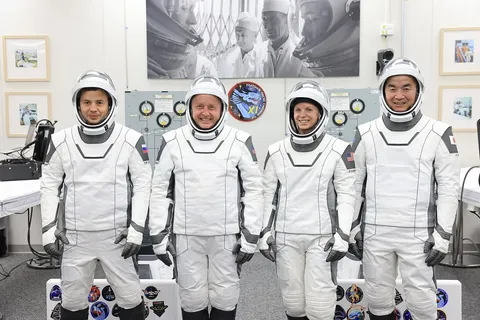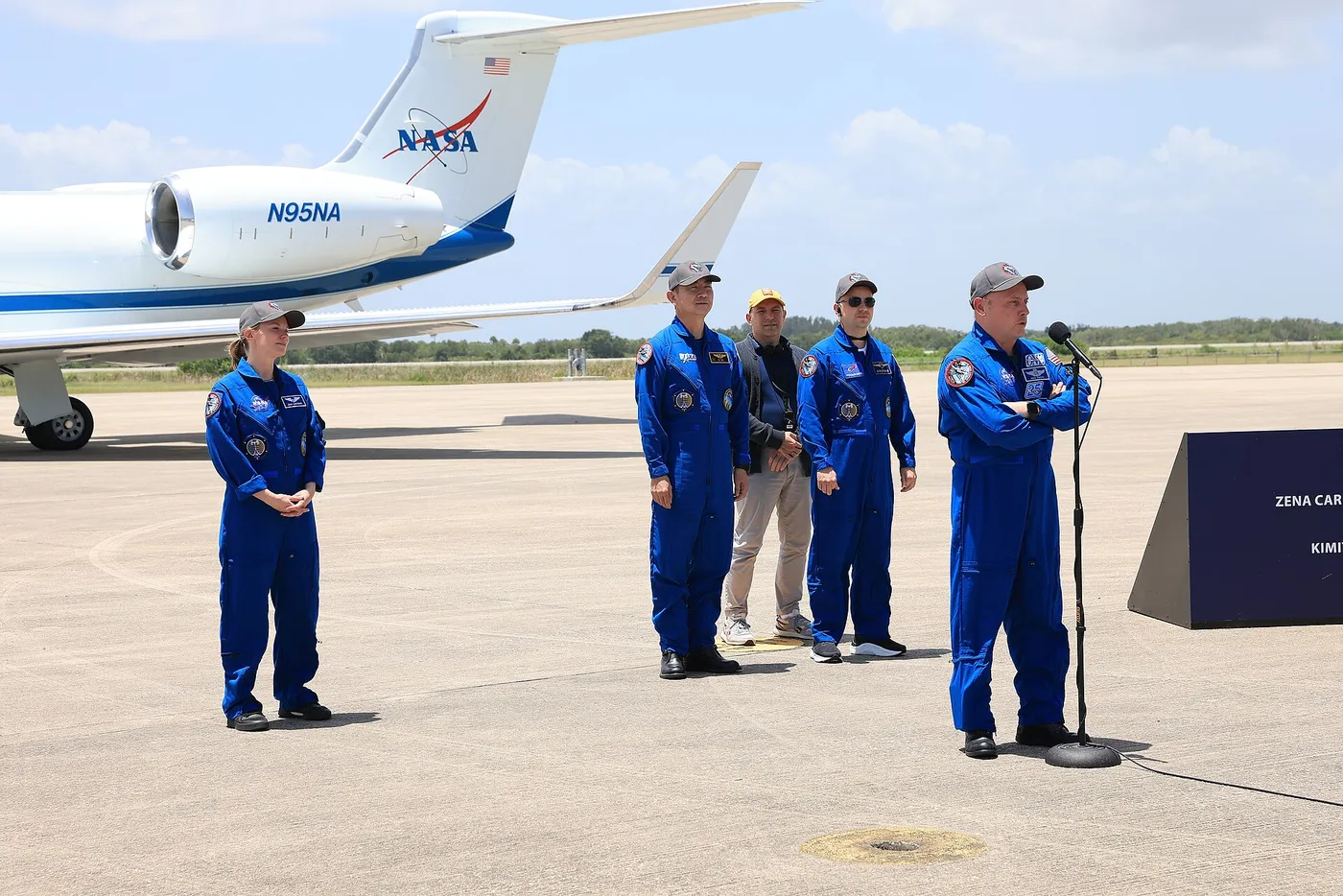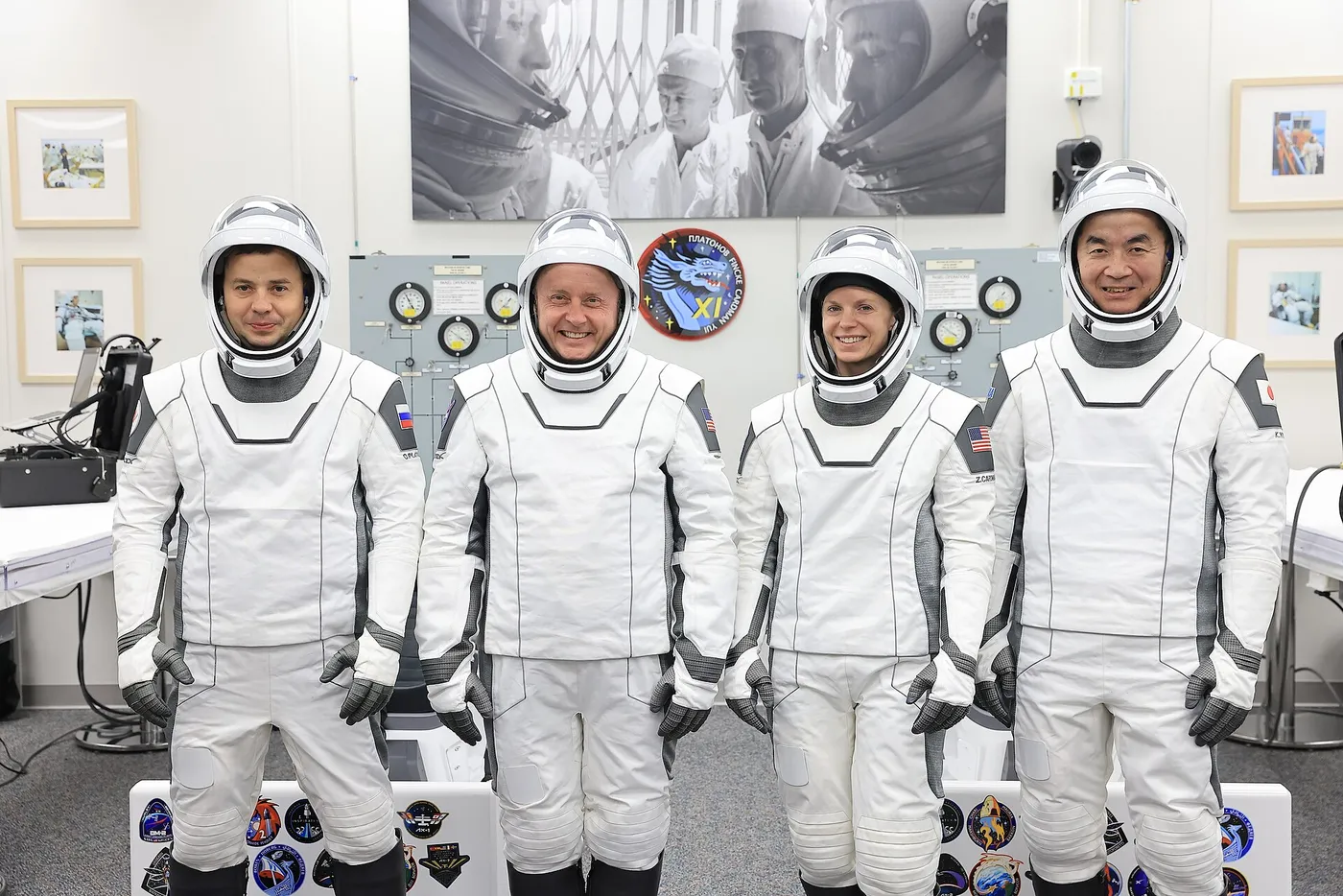
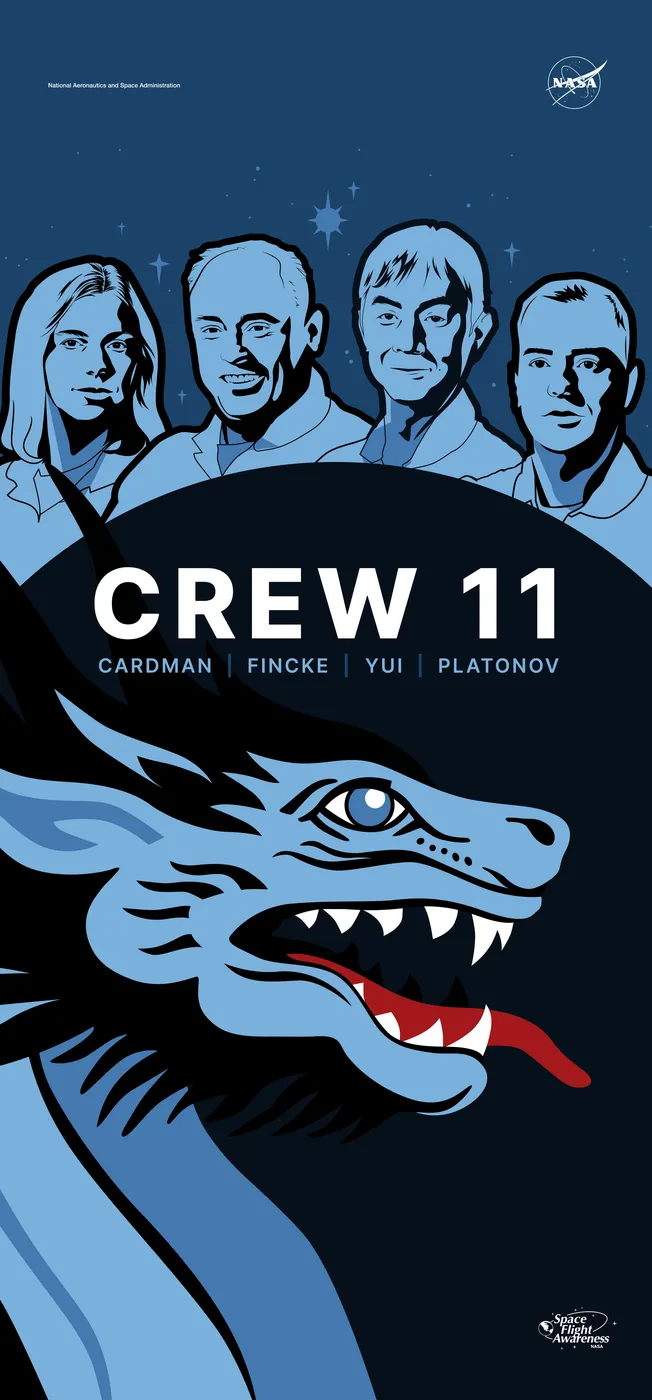
Crew-11 launched in August 2025 with Zena Cardman commanding, alongside Mike Fincke, Kimiya Yui of Japan and Oleg Platonov of Roscosmos. Cardman had been removed from Crew-9 the previous year to make room for the Starliner astronauts' return, and this was the assignment that restored her flight.
Fincke's presence completed an unusual arc of his own. Originally assigned to Boeing's crewed test flight, he had trained for Starliner for years before that vehicle's problems removed the opportunity, and he flew instead on the competing spacecraft — his fourth flight, after two long Soyuz expeditions and a Shuttle mission.
Cardman, a geobiologist by training who studies microbial life in extreme environments, represents a shift in what astronaut selection looks for. The corps has been drawn increasingly from research backgrounds rather than exclusively from test piloting, reflecting a station whose principal output is science rather than flight test data.
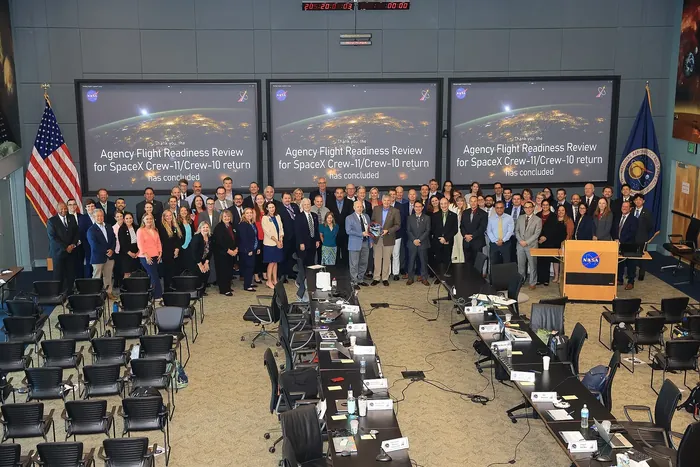
The expedition continued the pattern of the station's final years: maintenance of ageing systems, a research programme oriented towards future deep-space missions, and the reception of a growing variety of visiting vehicles including private crewed flights and cargo ships from multiple providers.
It also flew against a background of decisions being made about what follows. With ISS operations funded to 2030 and commercial stations in development, each rotation now carries an element of transition — crews operating an outpost whose successor arrangements are still being negotiated.