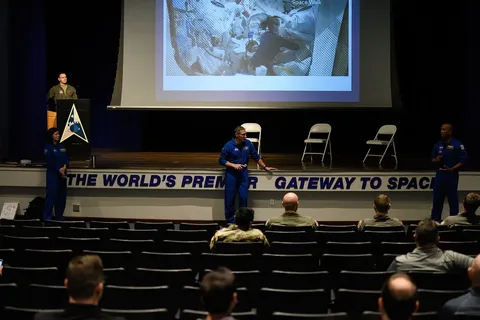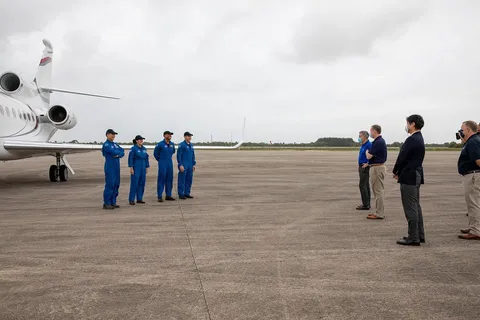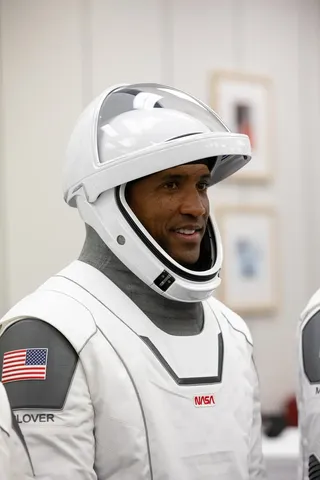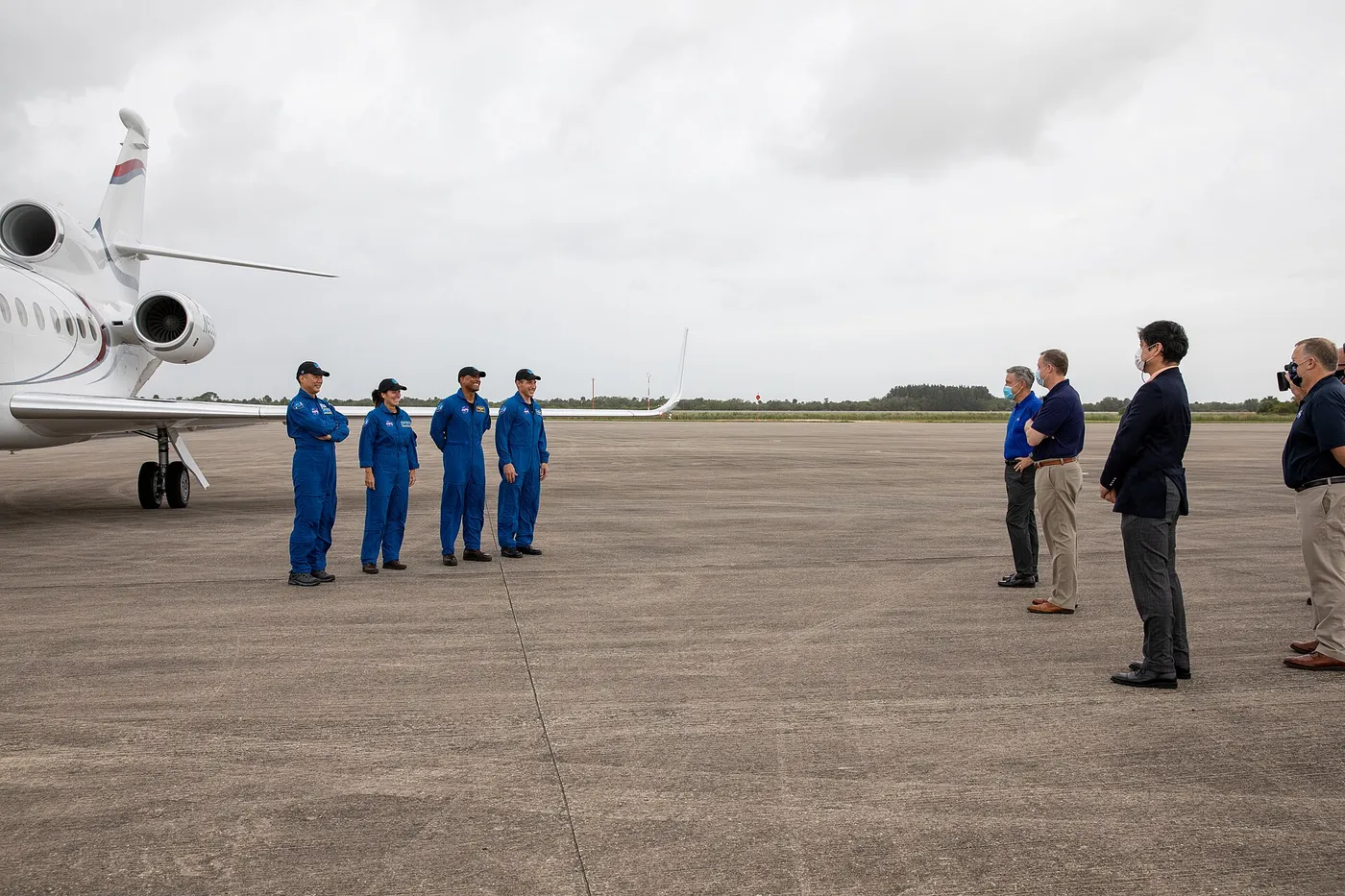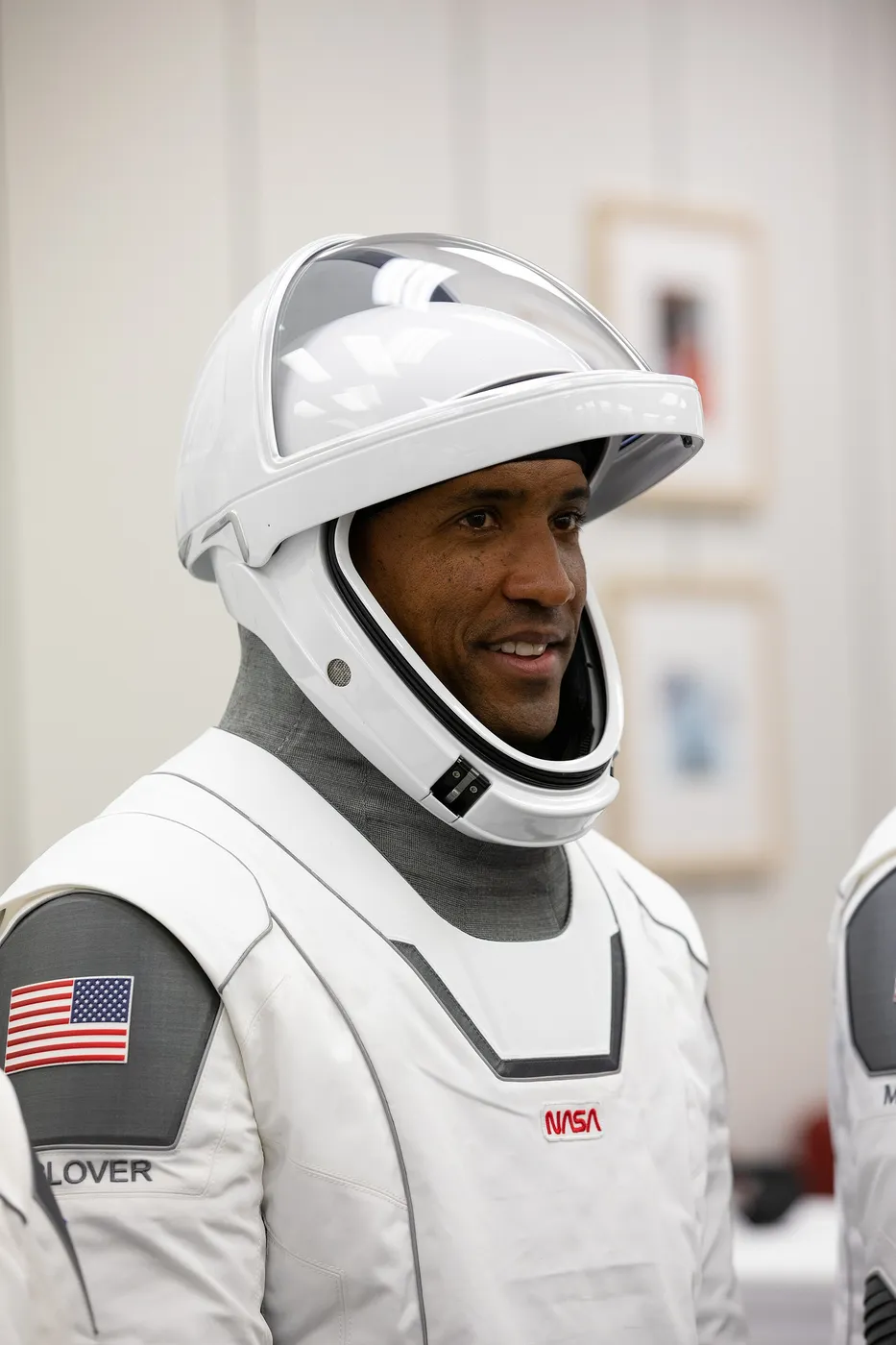
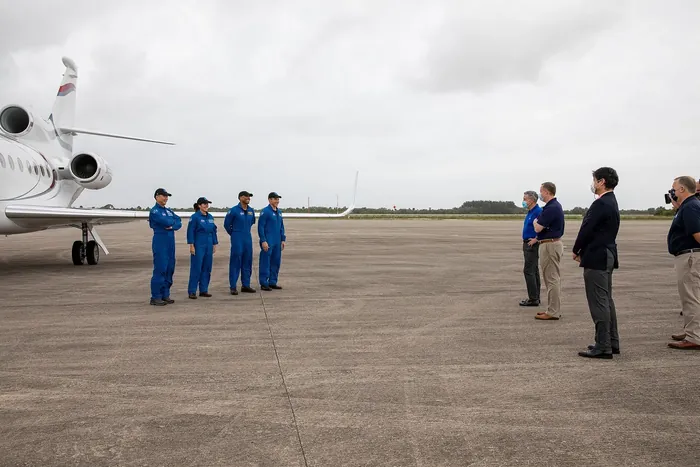
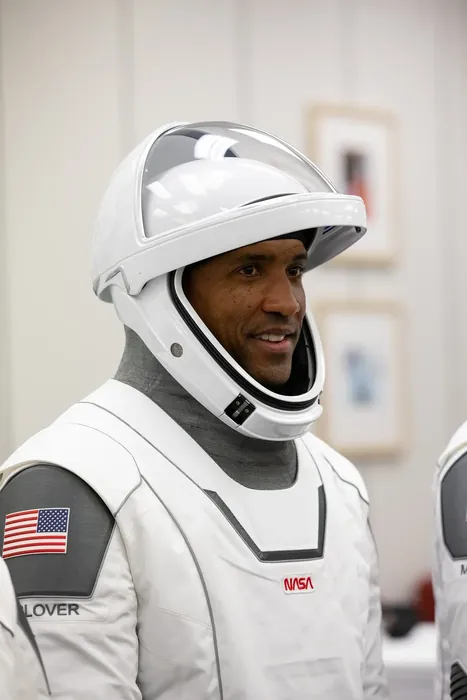
Crew-1 was the first operational flight of the commercial crew era — not a test but a working rotation, carrying four people to the station for a six-month stay in November 2020. Michael Hopkins, Victor Glover and Shannon Walker flew with Soichi Noguchi of Japan aboard a capsule the crew named Resilience, chosen for a year in which the word had some resonance.
It restored something the American programme had lost. With four seats rather than the Soyuz's three, the station's American segment could return to a full complement, roughly doubling the crew time available for research after nearly a decade of running lean.
Victor Glover became the first Black astronaut to serve a long-duration expedition aboard the station — a fact he noted was overdue rather than remarkable, given that African-Americans had been flying since 1983. Noguchi, meanwhile, became one of the very few people to have launched on three different types of spacecraft: Shuttle, Soyuz and now Dragon.
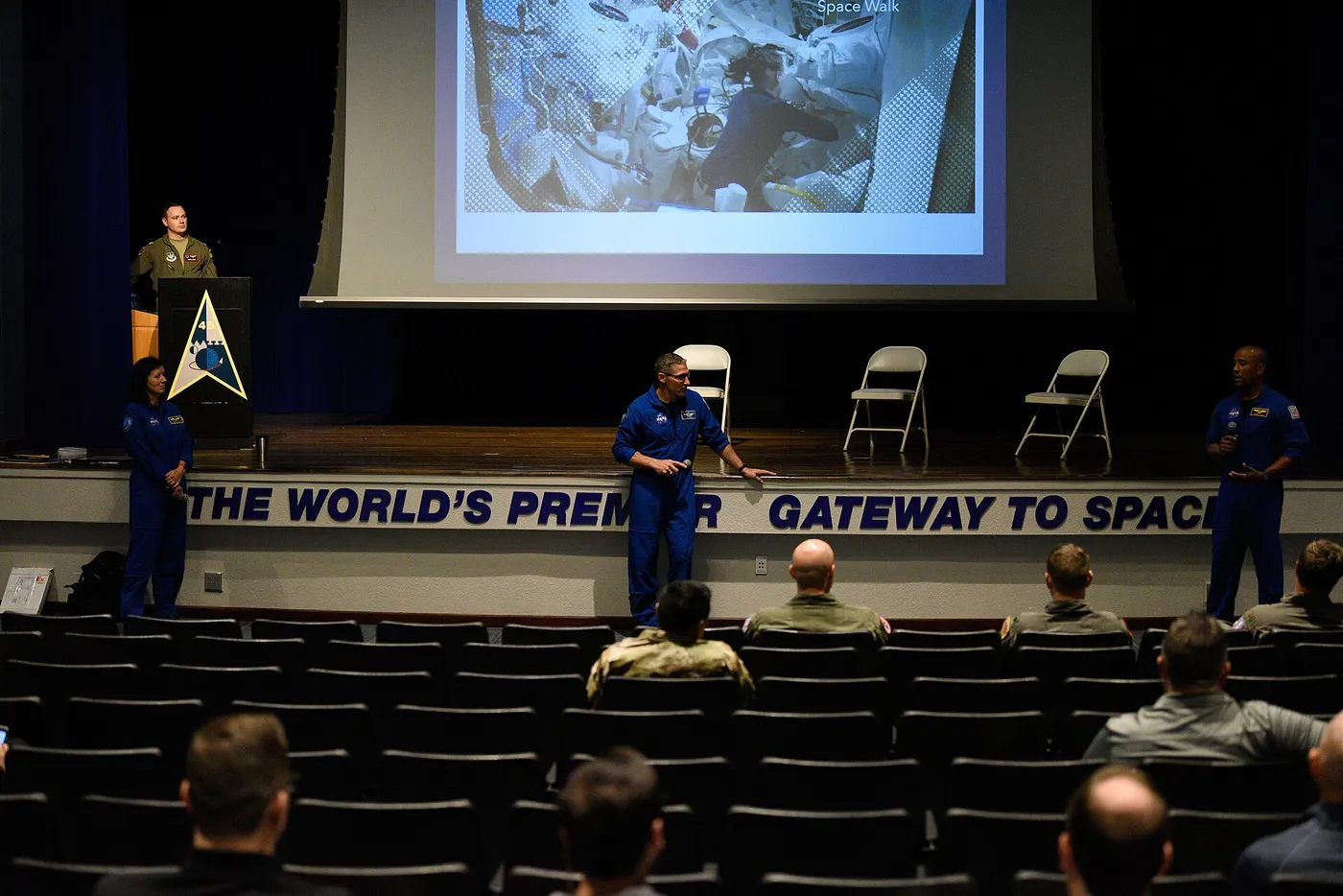
The mission ran 168 days and included a series of spacewalks to prepare the station's truss for new solar arrays. The capsule also demonstrated the practical value of the design by relocating between docking ports with the crew aboard, a manoeuvre performed to free a port for arriving vehicles.
It splashed down in the Gulf of Mexico in May 2021, at night — the first American night-time water landing since Apollo 8 in 1968. The arrangement it established, of regular six-month rotations flown commercially with an international crew member in one seat, has been the pattern ever since.