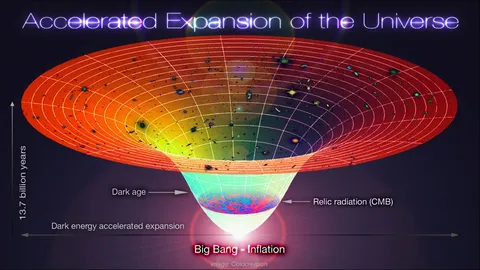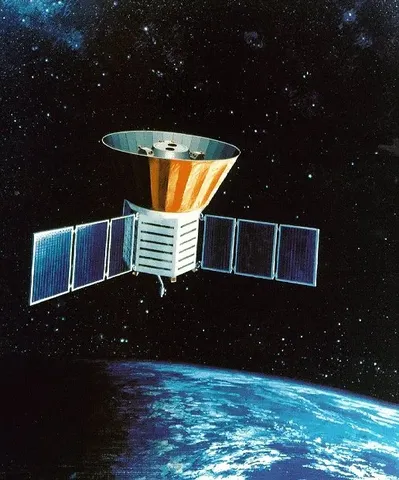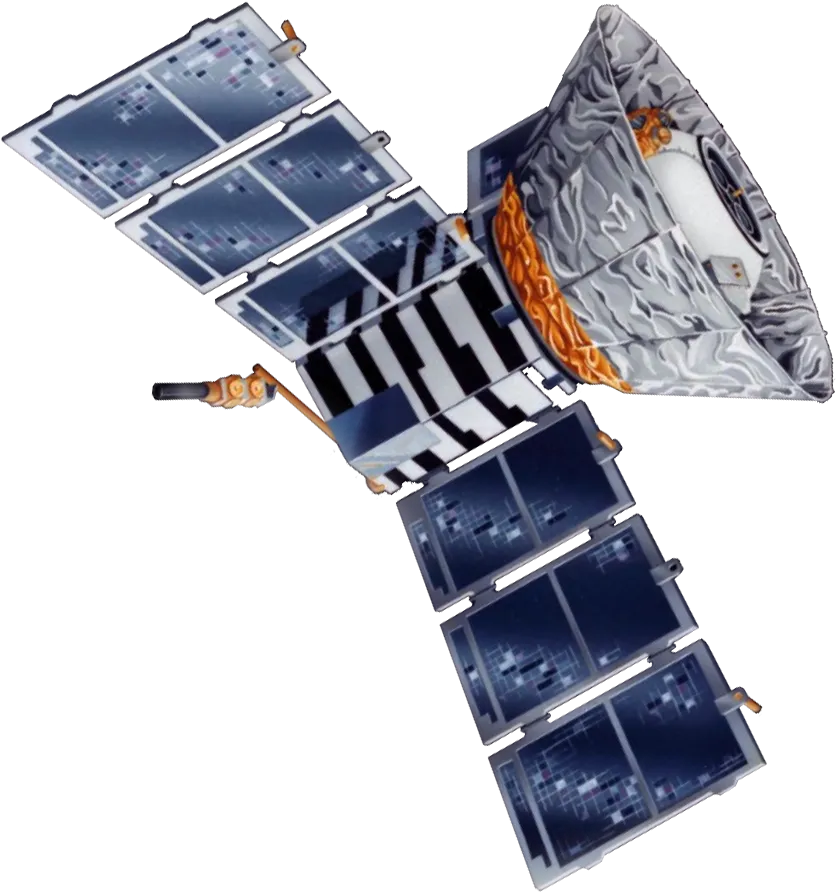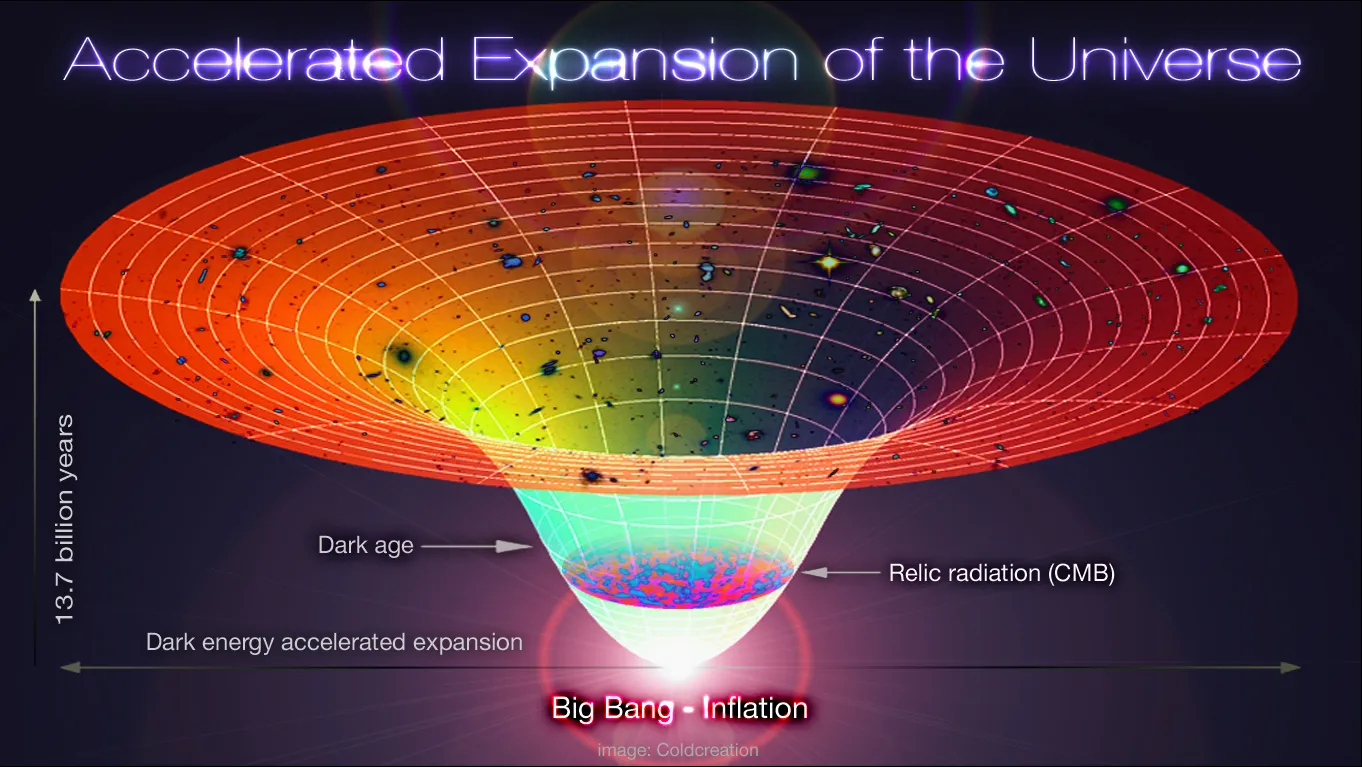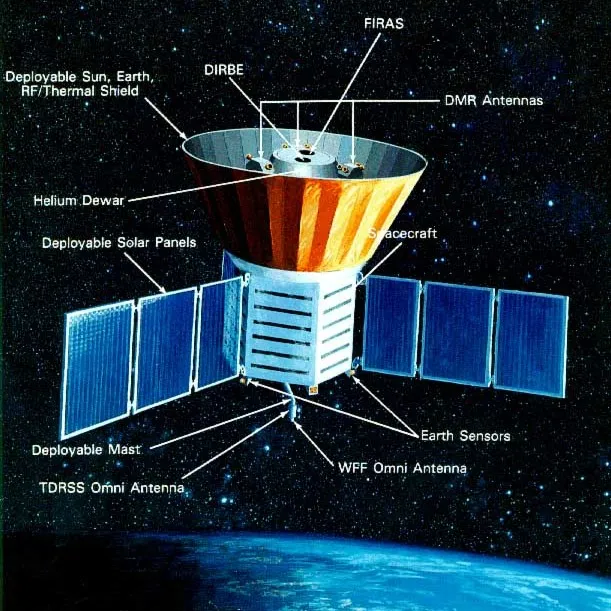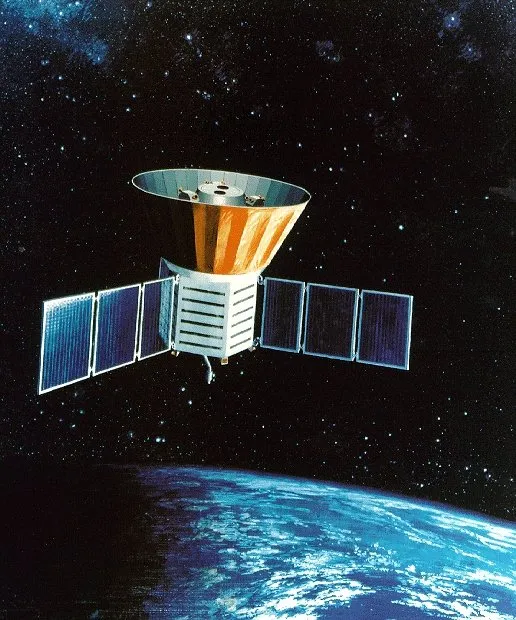
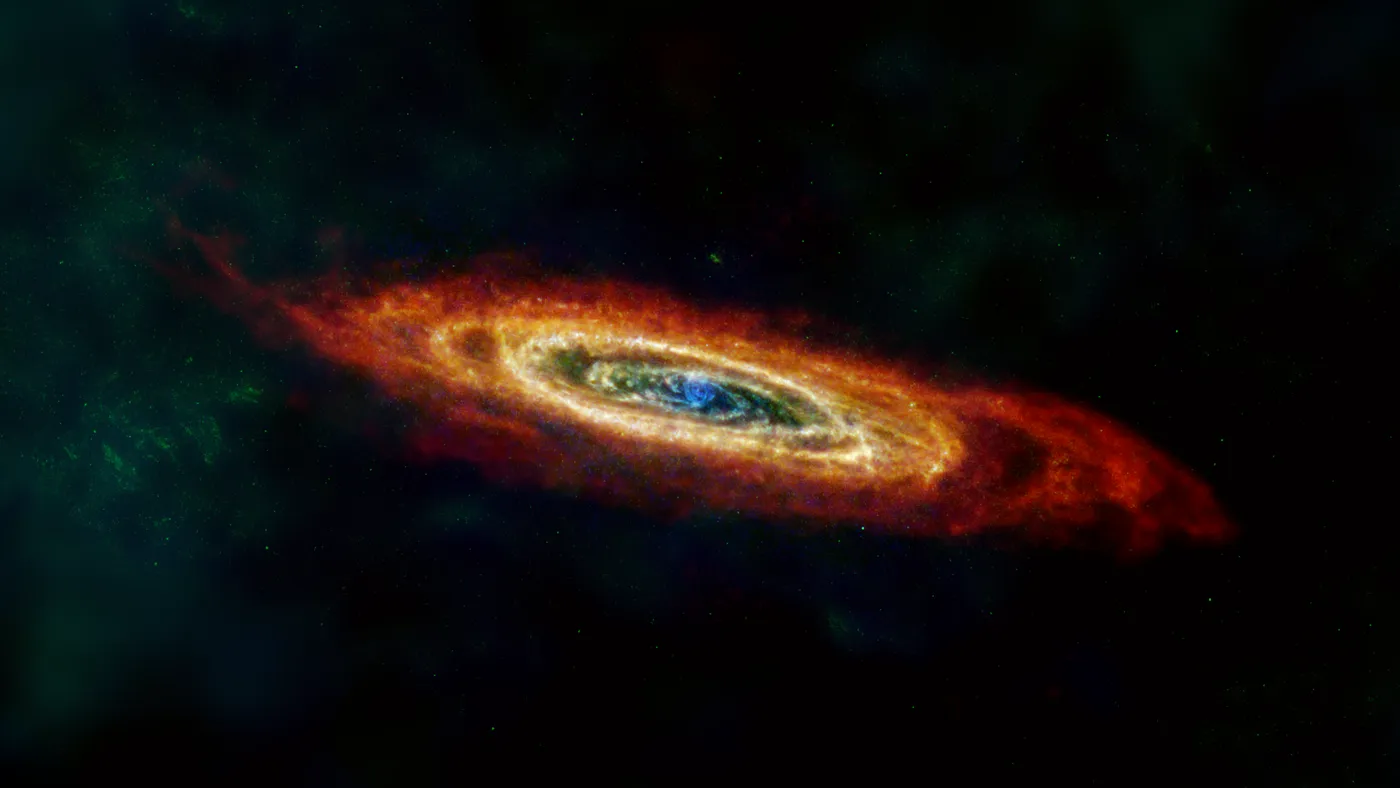

COBE was designed to test the Big Bang. If the universe began hot and dense and has been expanding ever since, the radiation left over should have a very specific spectrum — that of a perfect blackbody at about 2.7 degrees above absolute zero — and any deviation would have meant the model was wrong.
The measurement was presented at a meeting of the American Astronomical Society in January 1990. The data points fitted the theoretical curve so exactly that the error bars were smaller than the thickness of the line, and the audience of astronomers gave it a standing ovation — a response essentially unknown at scientific conferences.
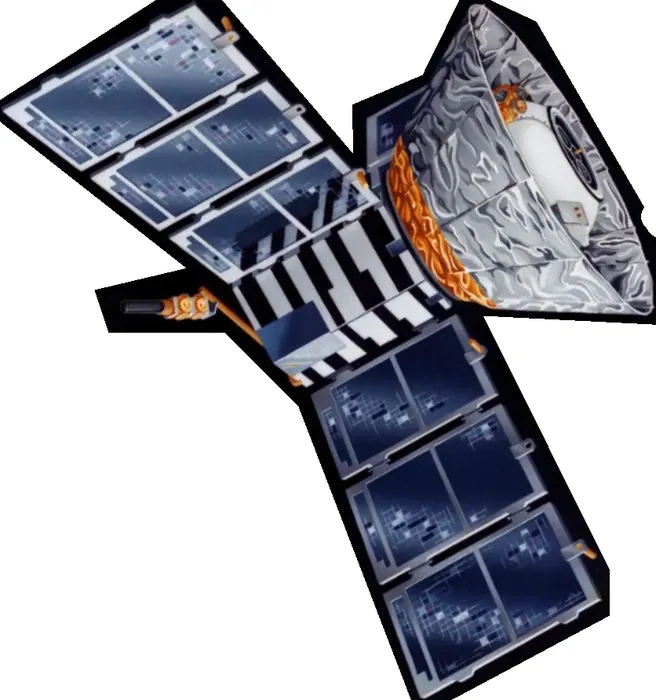
The second result took two more years and was harder. The radiation is almost perfectly uniform, but it cannot be entirely so: the structure we see today, galaxies and clusters and voids, must have grown from tiny density variations in the early universe. COBE found them, at a level of about one part in a hundred thousand.
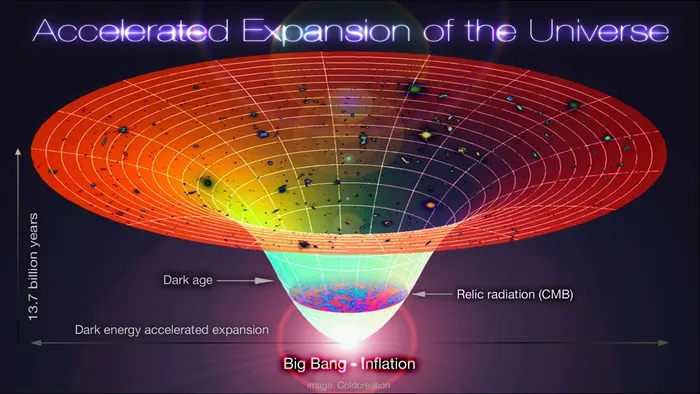
The announcement in April 1992 made front pages worldwide, not least because Stephen Hawking called it the discovery of the century and George Smoot described the maps in terms that sounded rather more theological than he intended. John Mather and Smoot shared the Nobel Prize in 2006.
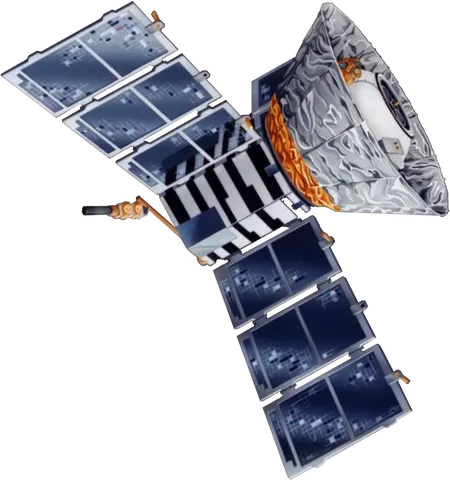
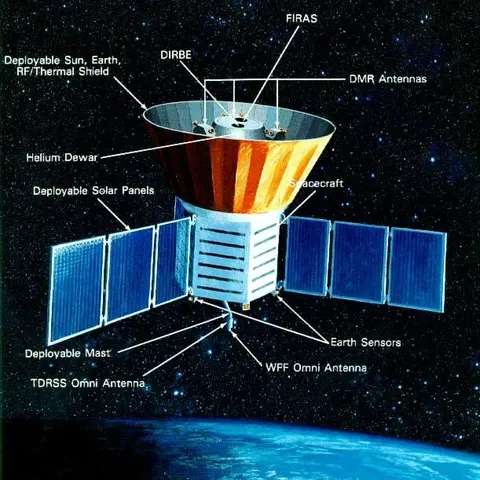
The satellite had a difficult path to orbit. Designed to fly on the Shuttle, it was left without a ride after Challenger and had to be redesigned to fit a Delta rocket — a two-year effort involving substantial reengineering to reduce its mass. It observed for four years and its successors, WMAP and Planck, refined its measurements by orders of magnitude.