
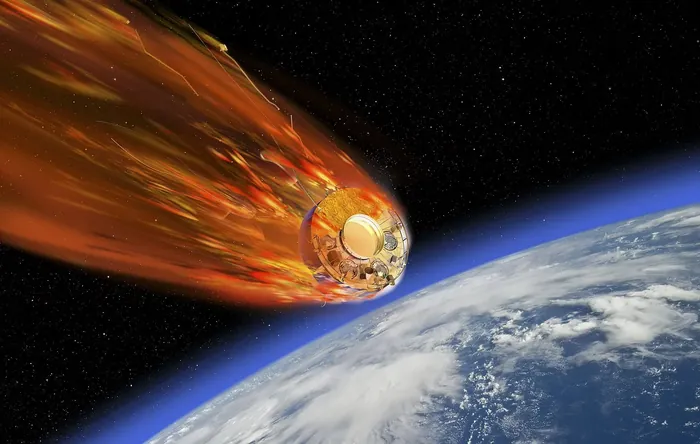
Cluster II exists because Cluster I was destroyed. The original four spacecraft were lost in 1996 on the maiden flight of Ariane 5, when the rocket's guidance computer — running software inherited from Ariane 4 — attempted to convert a 64-bit number into a 16-bit integer, overflowed, and shut down. The backup, running identical code, failed identically half a second earlier. The vehicle broke up 37 seconds into flight.
It remains one of the most studied software failures in history: the faulty routine was not even needed after launch, and was running only because it had been left in from the previous rocket's procedures. ESA rebuilt the mission from spare parts and flew four replacements in 2000.
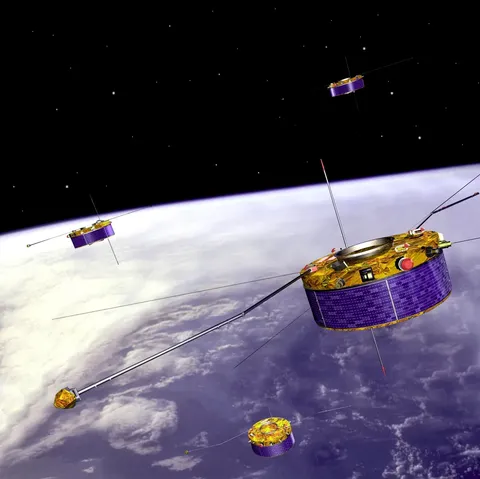
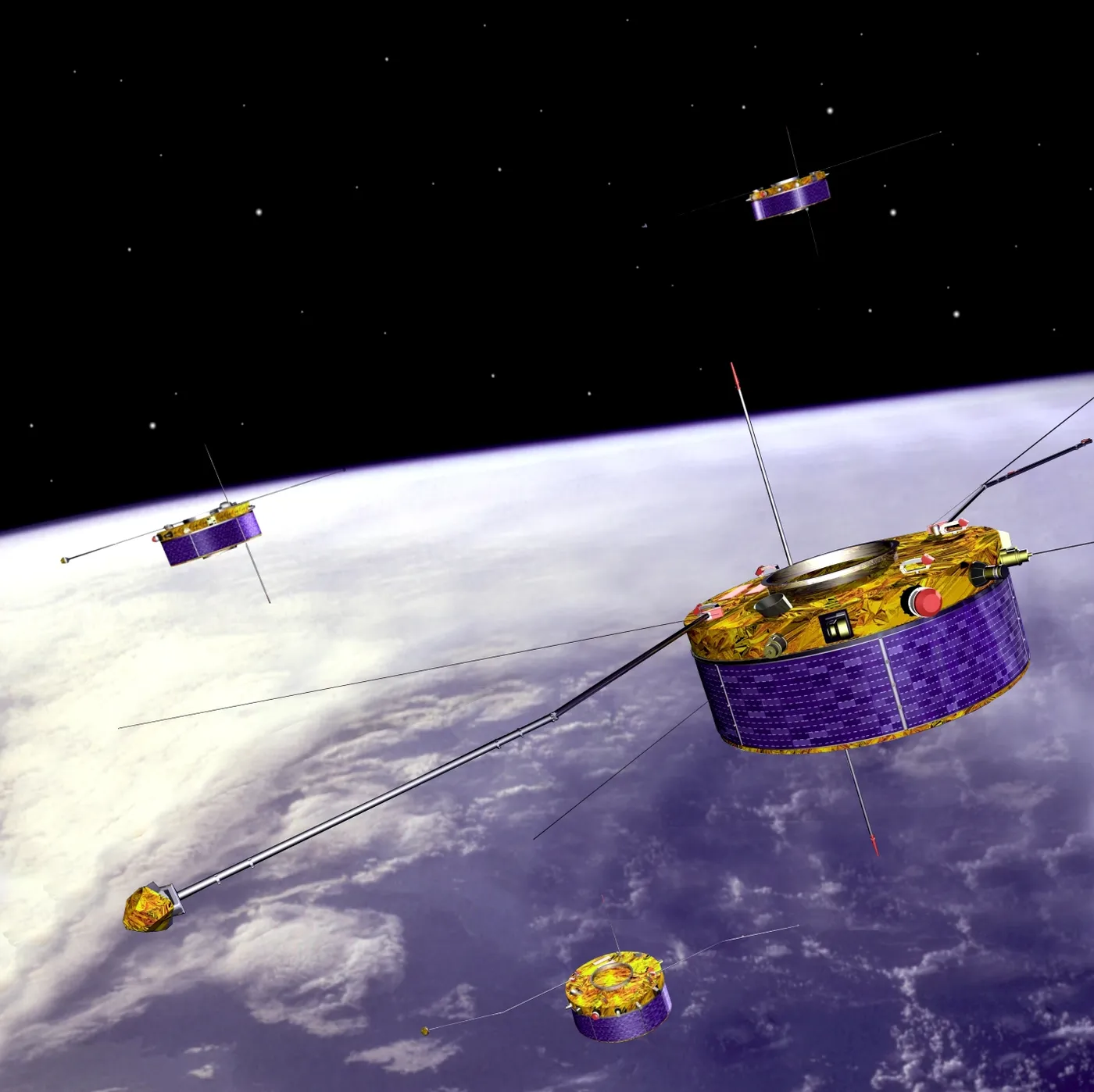
The scientific rationale required four spacecraft because magnetospheric structures are three-dimensional and move. A single spacecraft cannot distinguish a stationary structure it is flying through from a moving one sweeping past; four in a tetrahedron can measure the gradient in every direction and resolve the ambiguity.
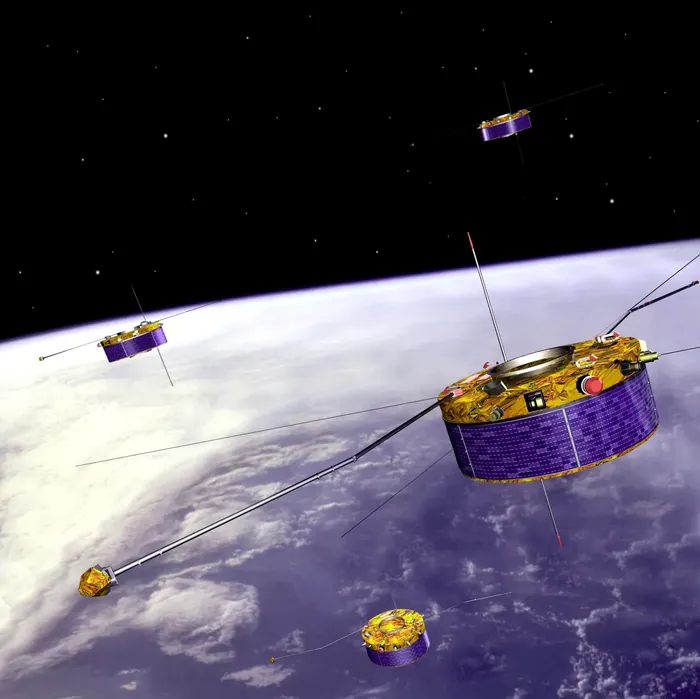
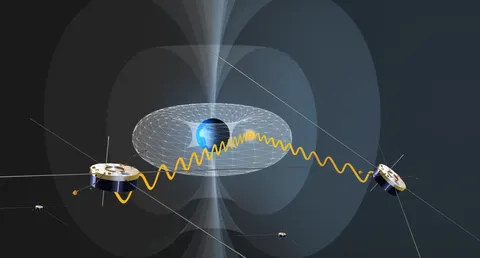
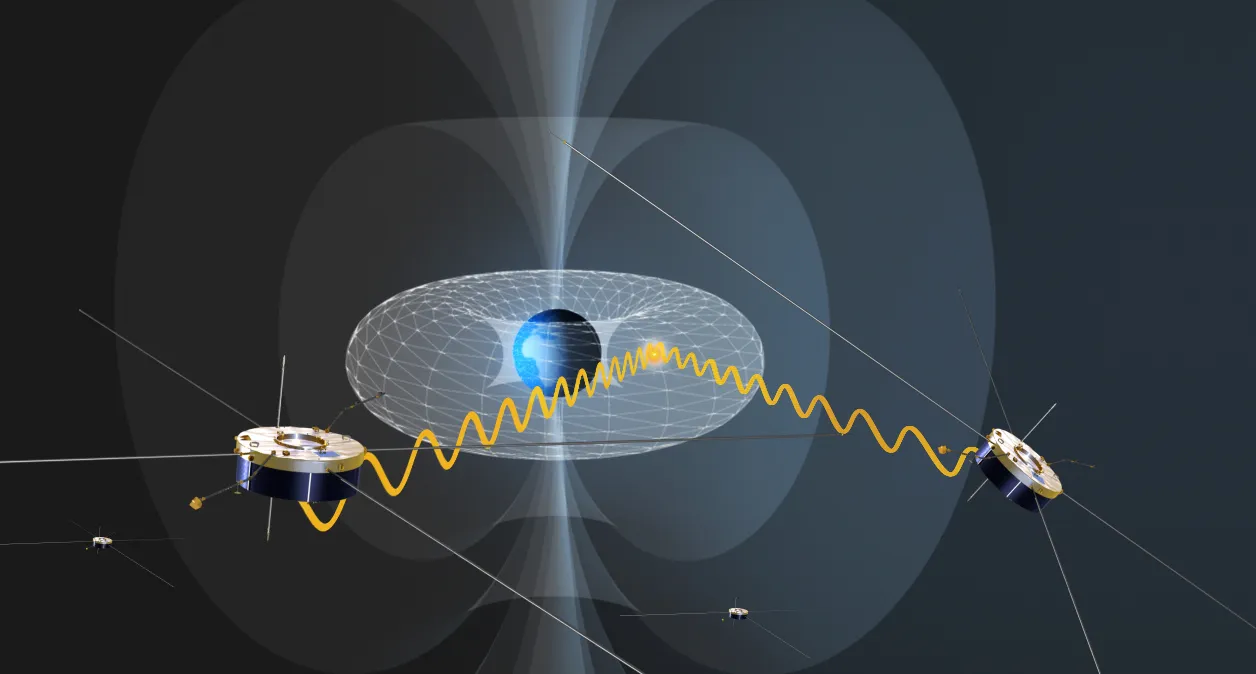
Flying in formations from a few hundred to several thousand kilometres apart, they mapped the boundaries of the magnetosphere, the reconnection regions, and the turbulent shocked plasma of the magnetosheath, establishing much of the three-dimensional structure that later missions refined.
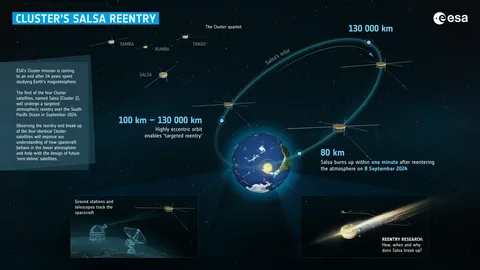
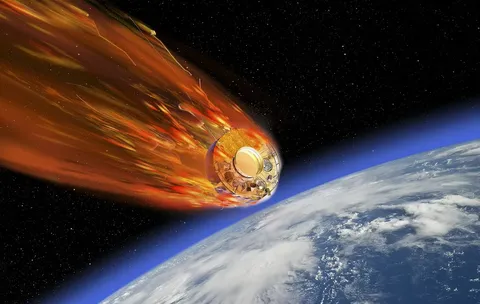
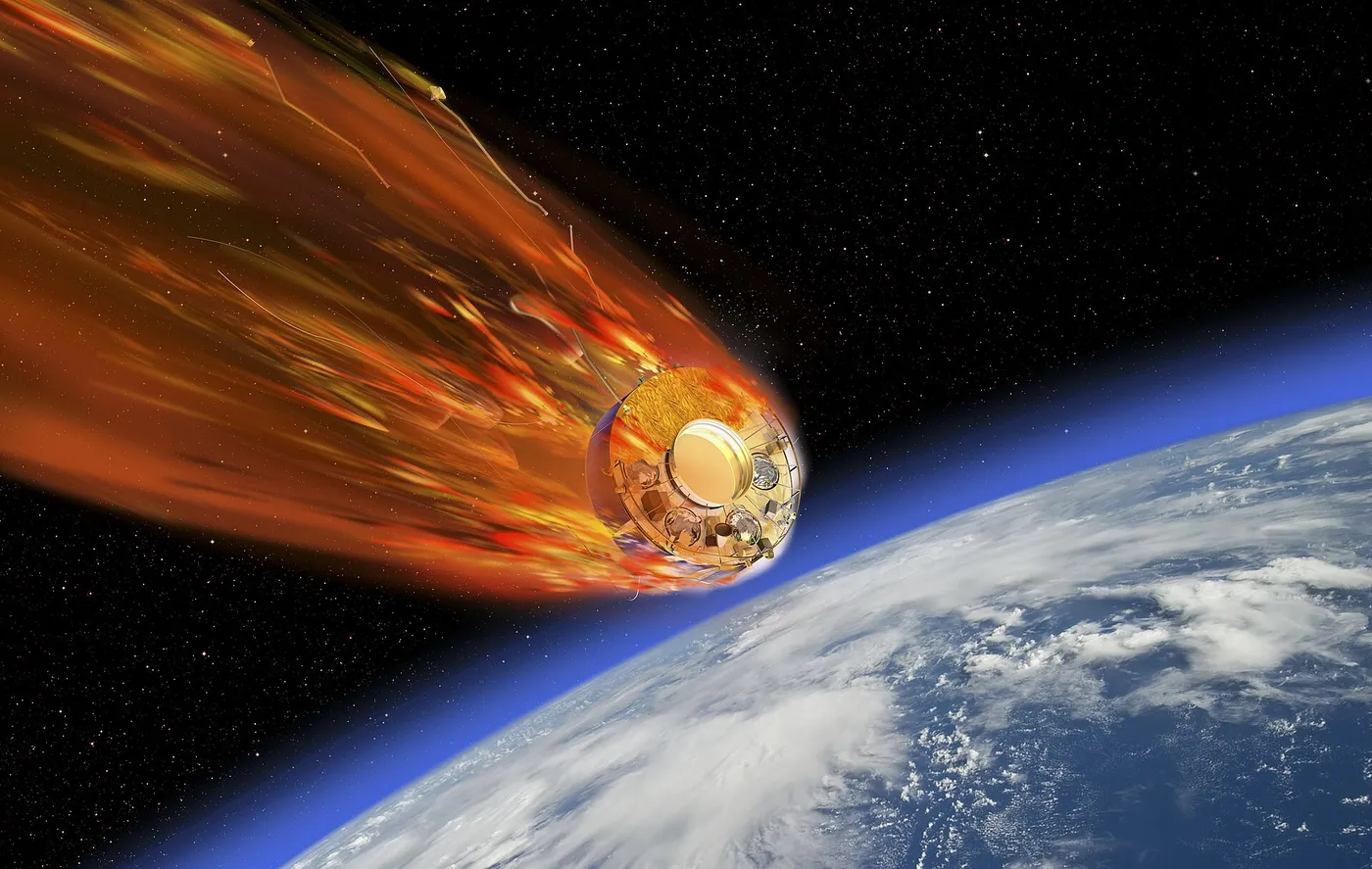
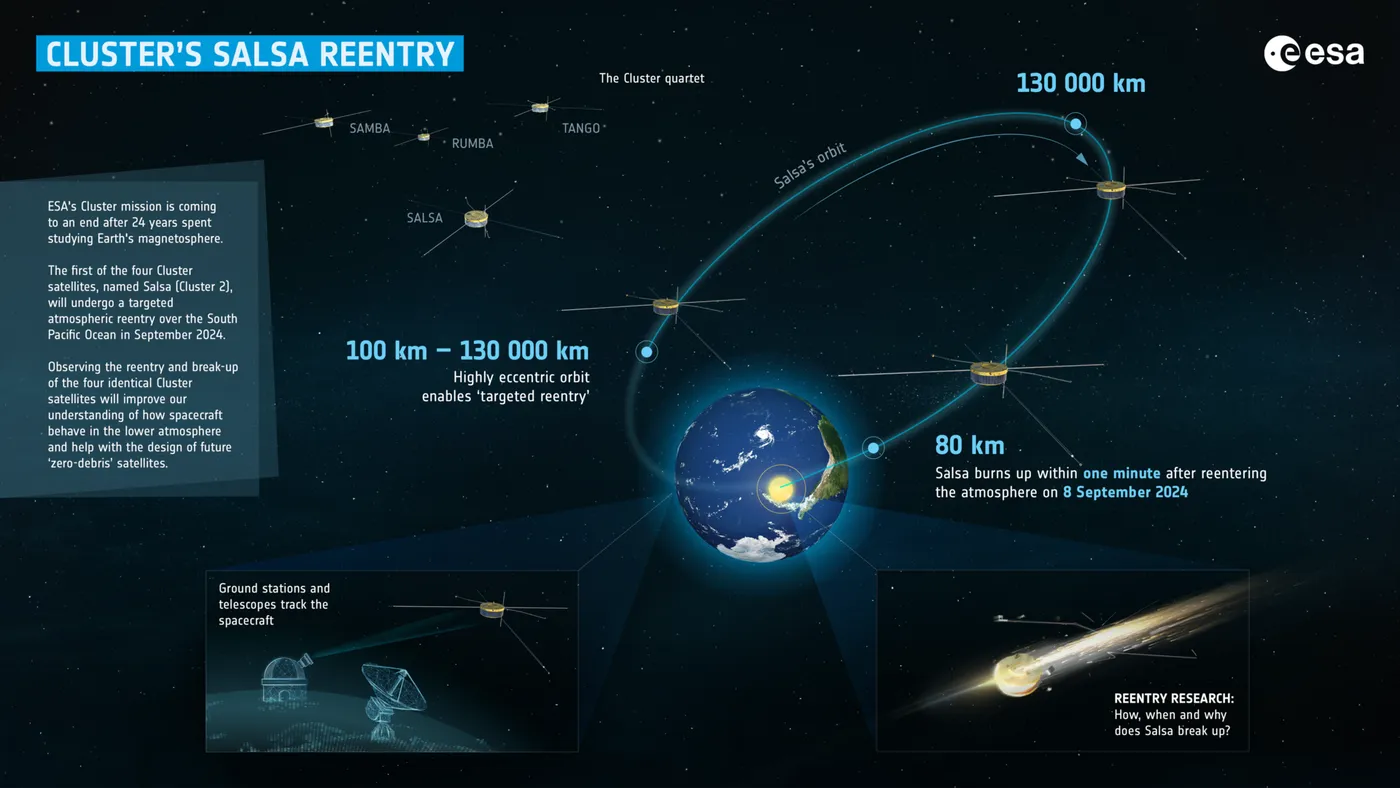
The mission operated for more than twenty years against a two-year requirement, and the last spacecraft was deliberately deorbited in 2024 with a targeted re-entry — an early example of a science mission being disposed of responsibly rather than simply abandoned.