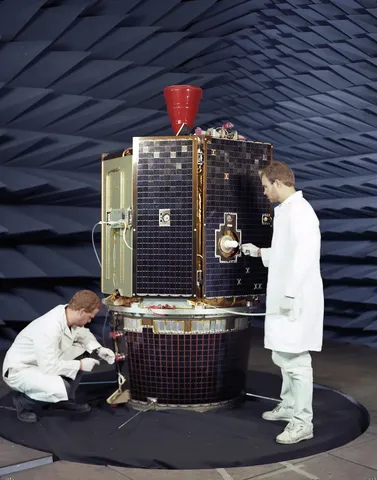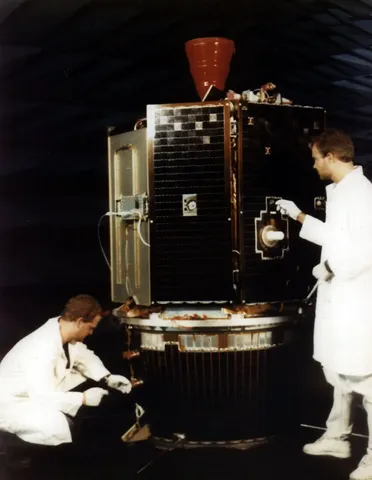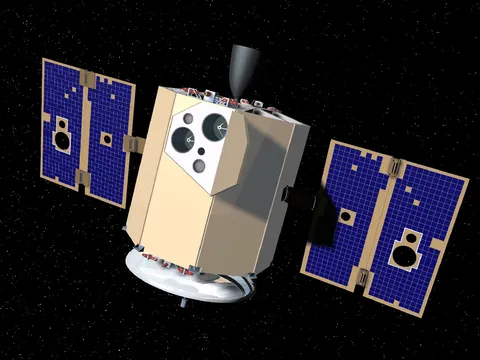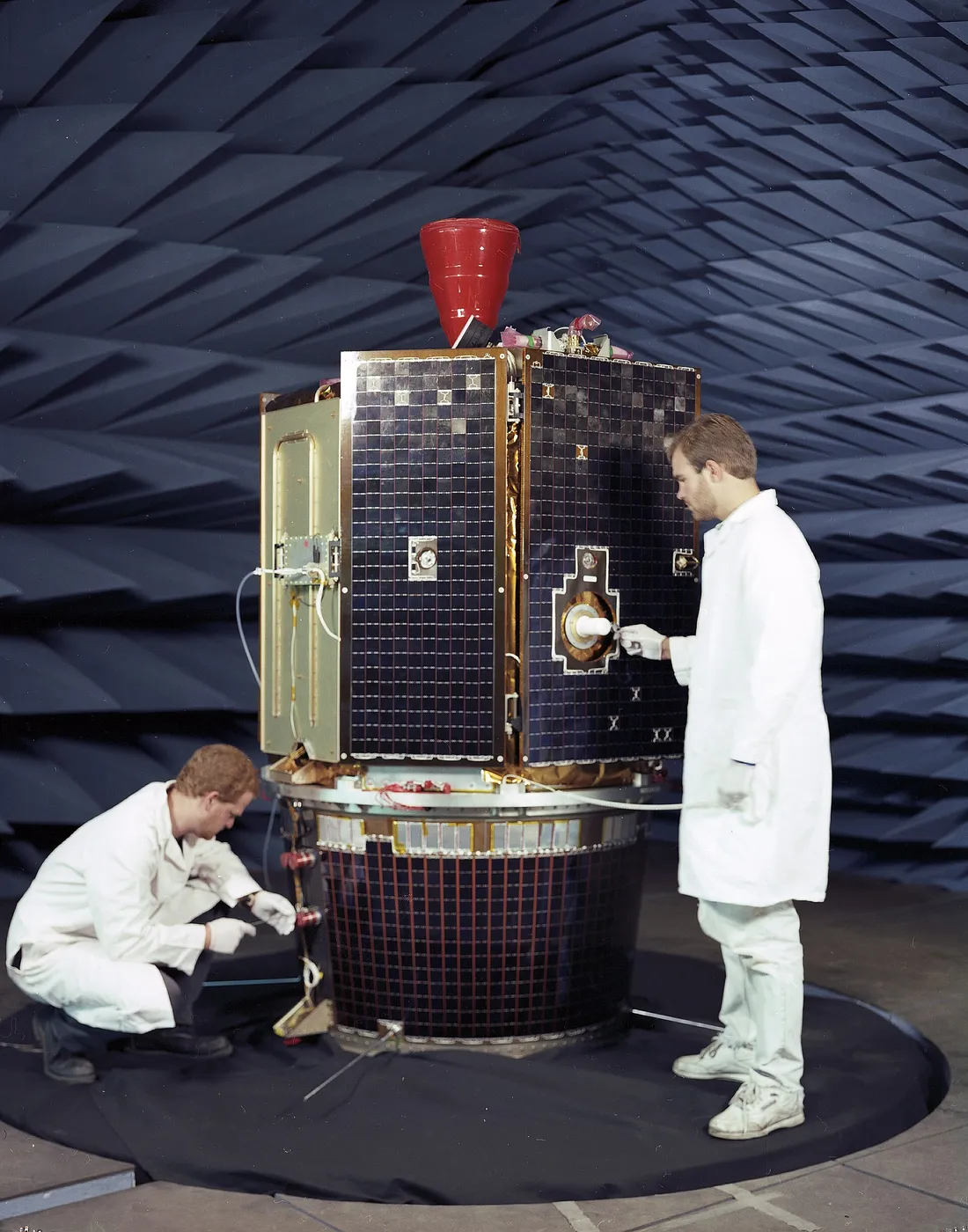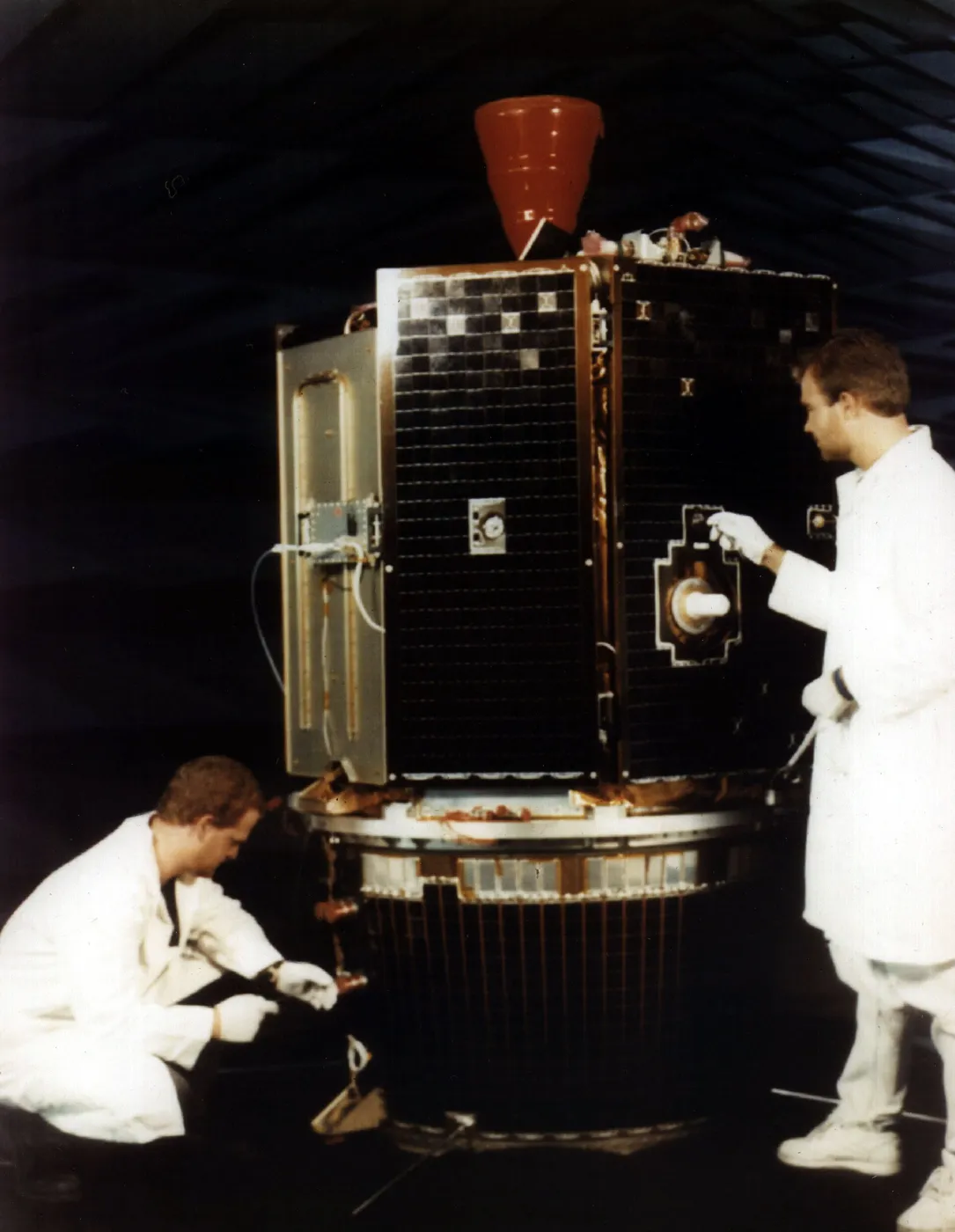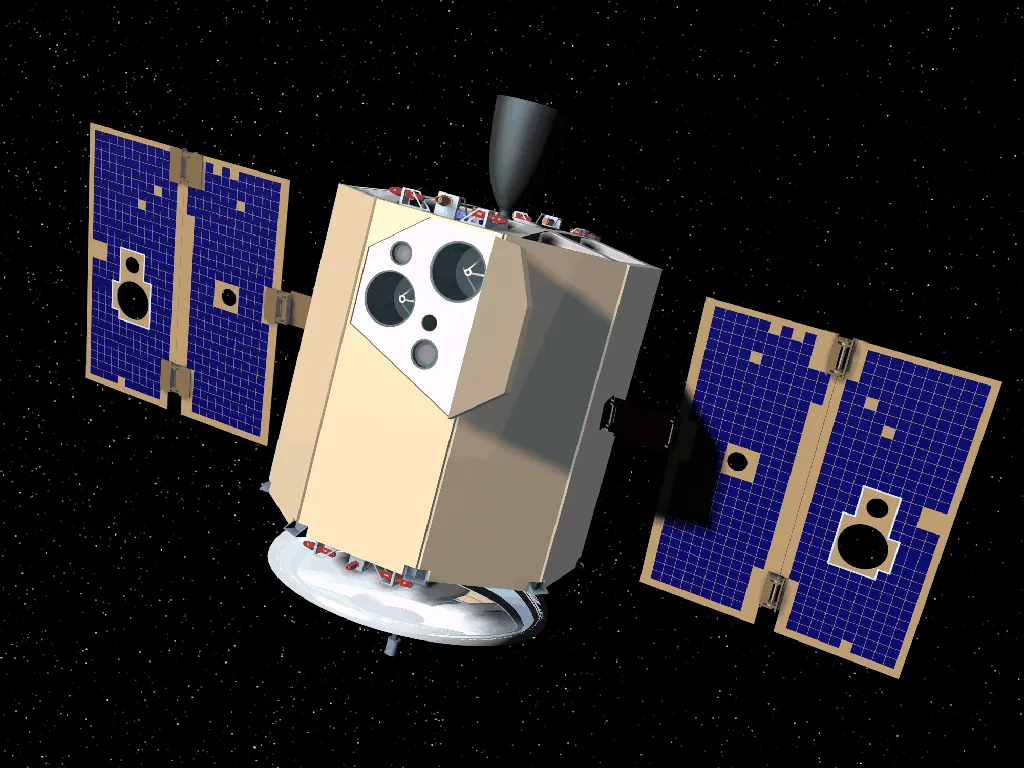

Clementine was a weapons test that did astronomy. It was funded primarily by the Strategic Defense Initiative Organisation to demonstrate lightweight sensors and autonomous operation against a real target, and the Moon was chosen as a conveniently placed object to point them at. NASA supplied the scientific direction.
The name came from the folk song about a miner's daughter who is lost and gone forever, because the spacecraft was intended to be expendable and to end its life departing for an asteroid. It was built and flown in under two years for well under a hundred million dollars, at a time when planetary missions took a decade.
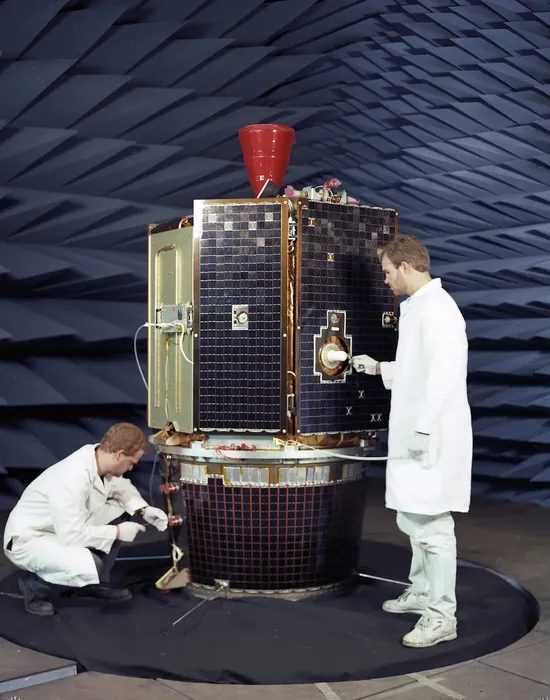
In two months of lunar orbit it mapped essentially the whole Moon in eleven wavelengths, producing the first global multispectral survey and the first global topographic map from laser altimetry. Those datasets reshaped lunar geology, revealing the composition of the crust and the immense South Pole-Aitken basin in proper detail.
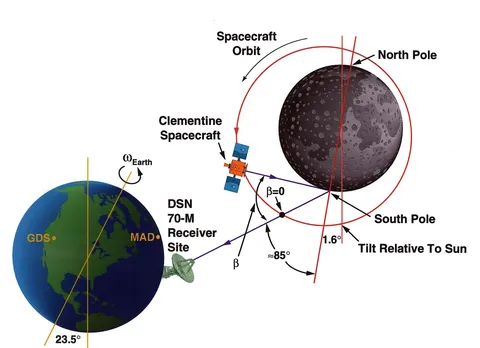
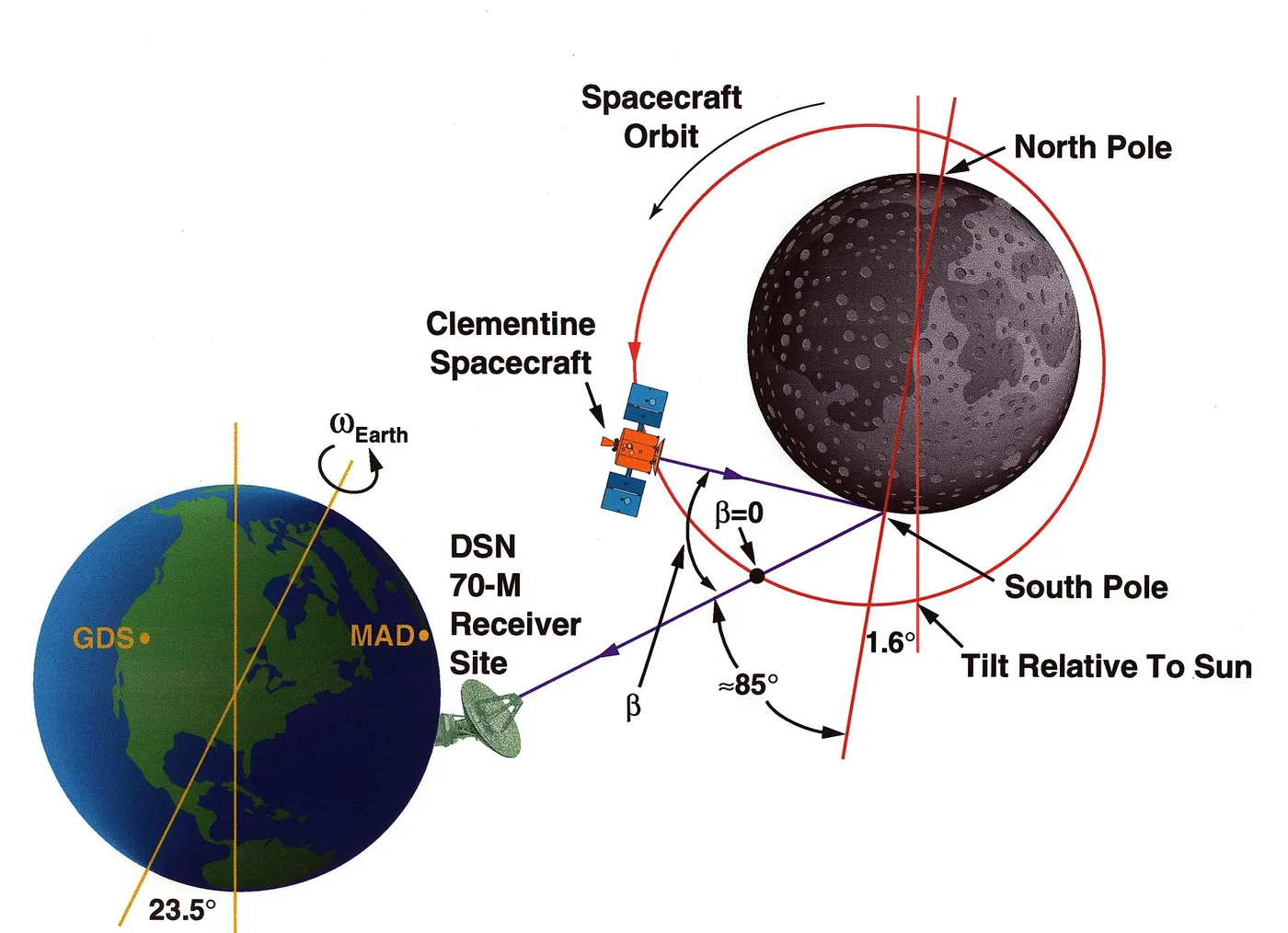
Its most publicised result was also its most contested. A bistatic radar experiment — bouncing the spacecraft's transmitter signal off the polar regions and receiving it on Earth — produced returns that the team interpreted as ice in permanently shadowed craters. Later ground-based radar disputed the interpretation, and the question stayed open until Lunar Prospector and LCROSS settled it.
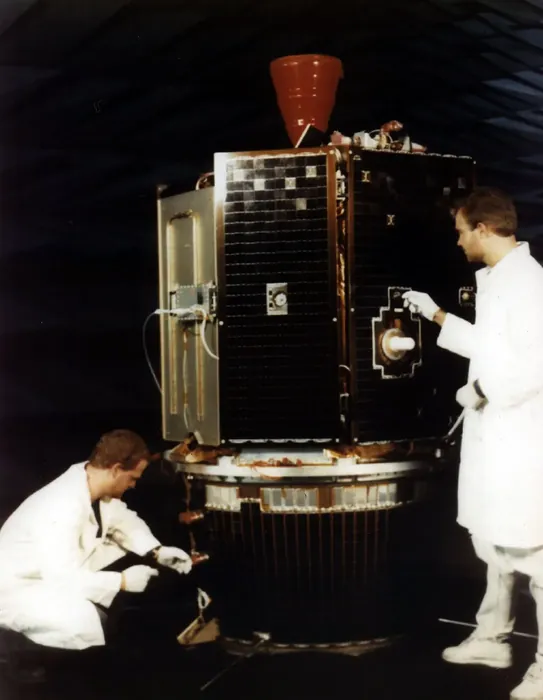
The asteroid leg never happened. In May 1994, shortly after leaving lunar orbit, a software fault fired the attitude thrusters continuously for eleven minutes, exhausting the propellant and leaving the spacecraft spinning at about 80 revolutions per minute. It was lost and gone forever, as advertised.