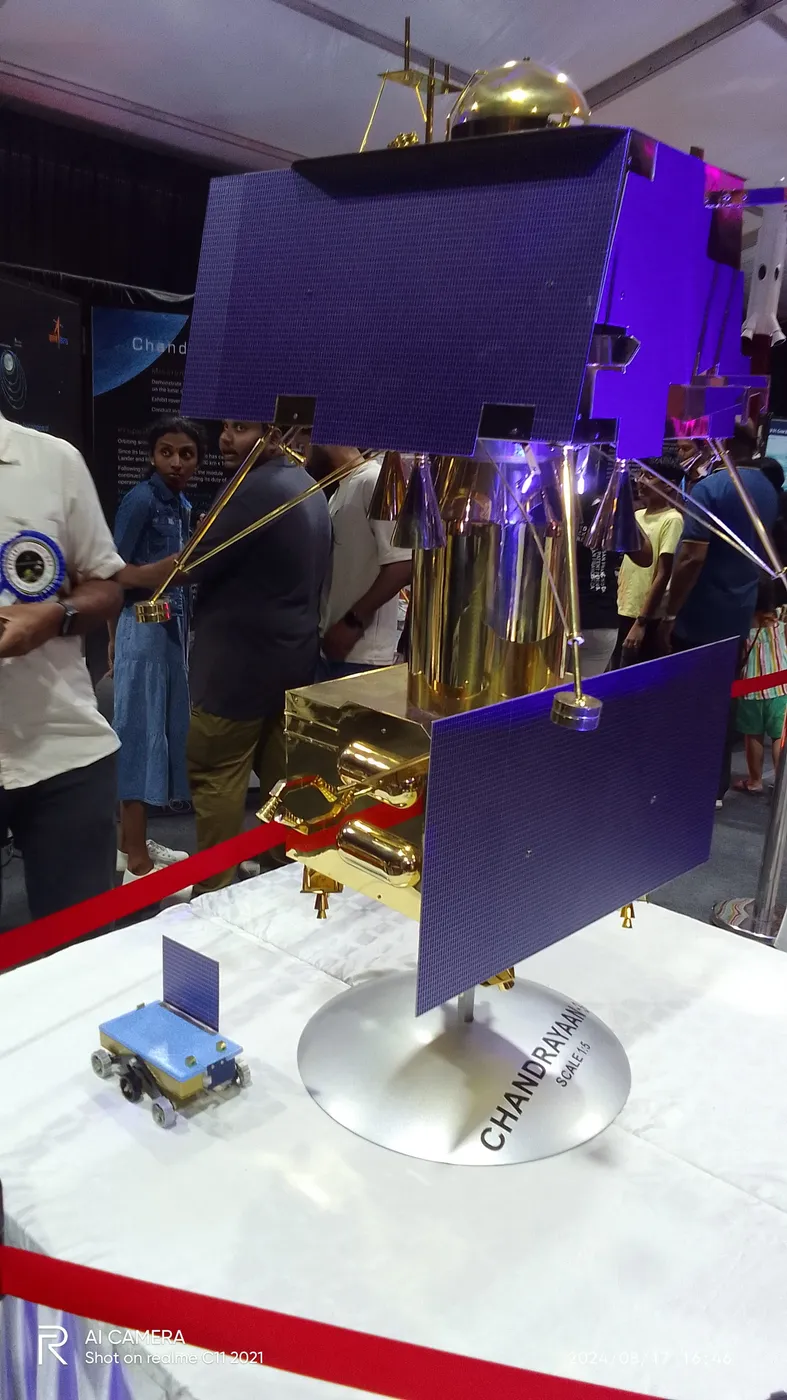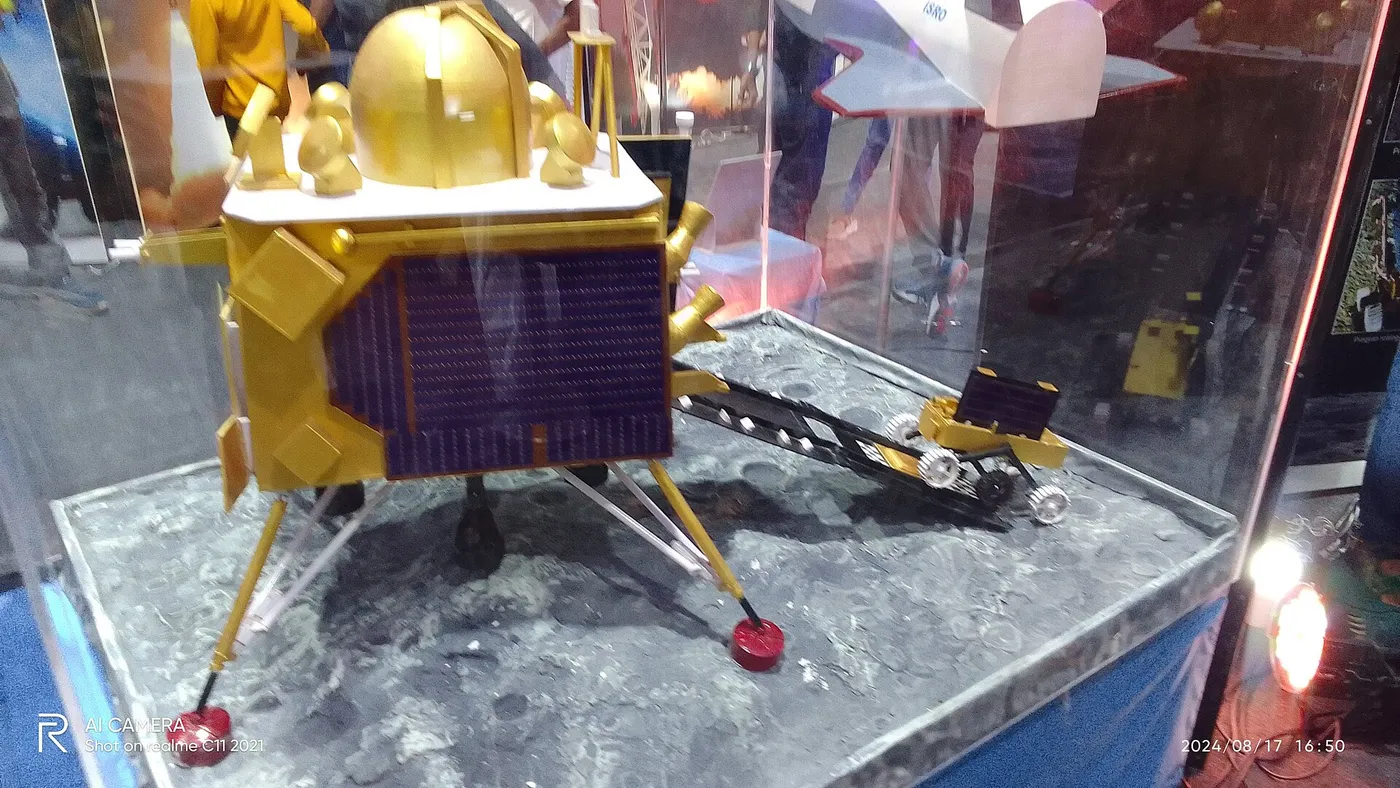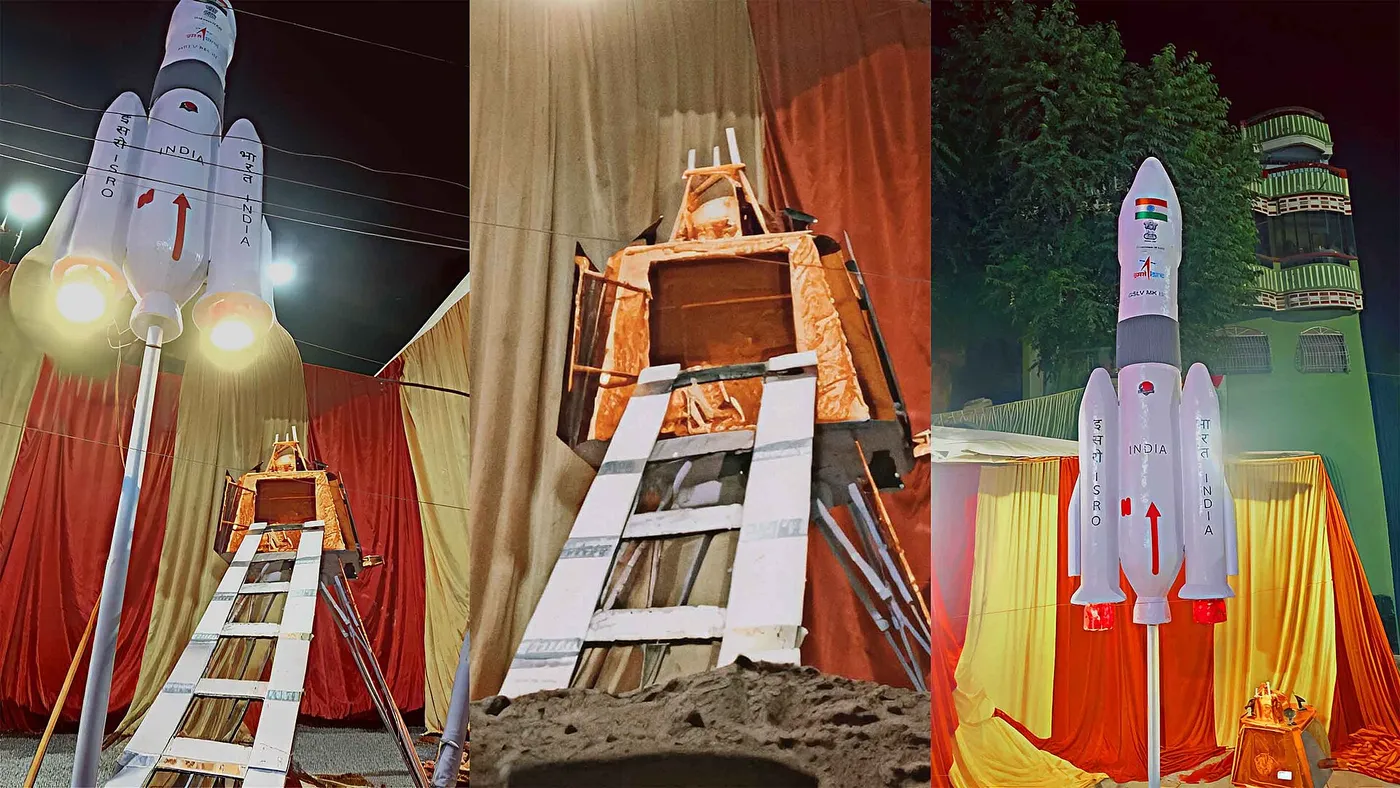
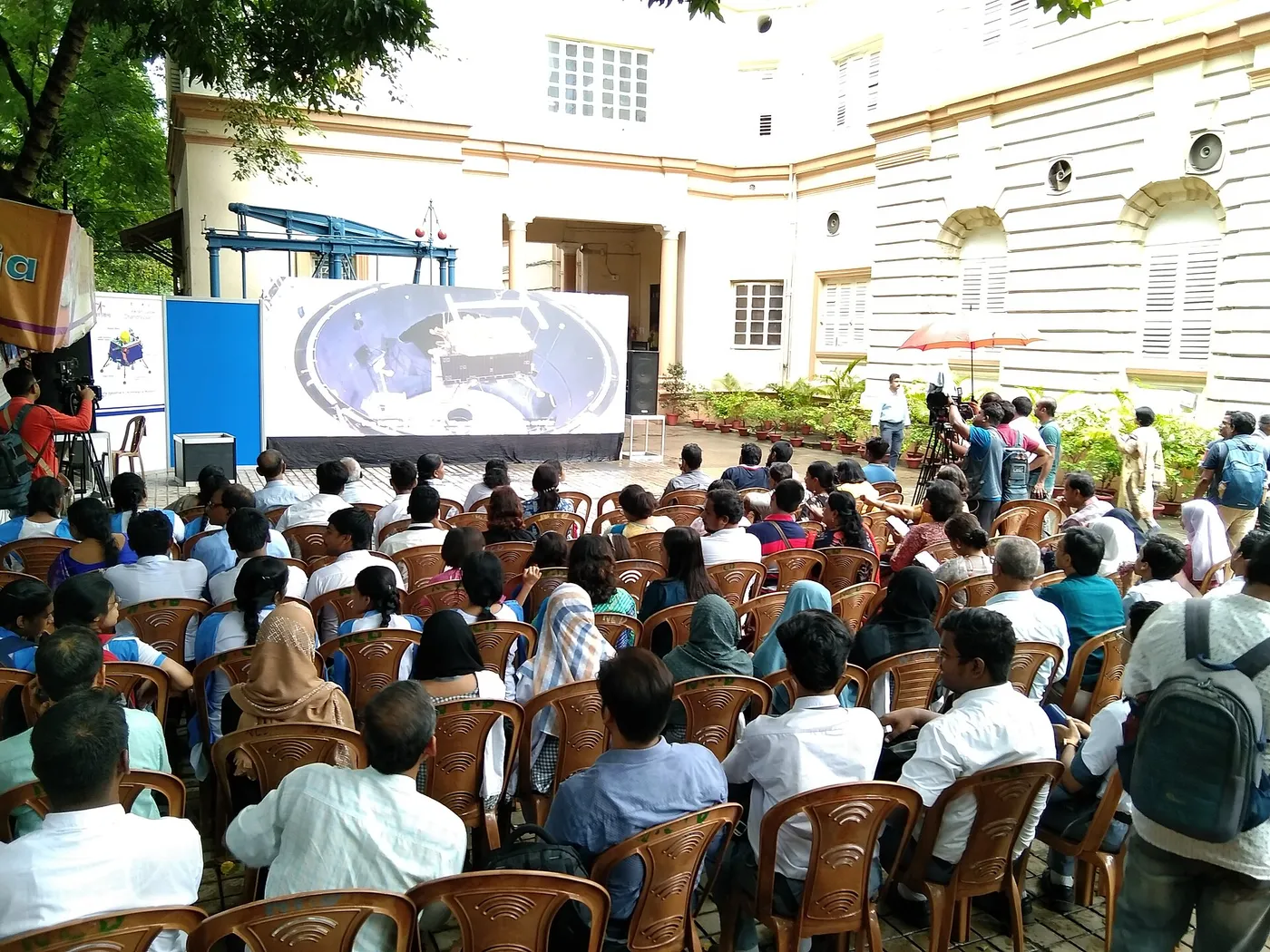

On 23 August 2023 India landed near the lunar south pole, becoming the fourth nation to touch the Moon successfully and the first to reach the polar region — terrain that every spacefaring power now wants because of the water ice believed to be trapped in its permanently shadowed craters.
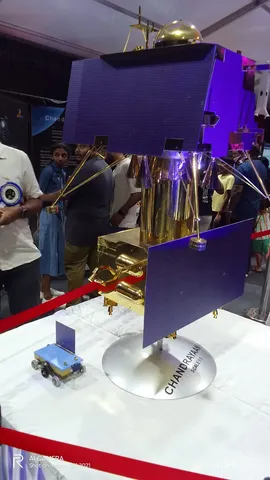
The achievement was built directly on a failure. Chandrayaan-2's lander had crashed four years earlier when its braking thrusters overperformed and the software lacked the margin to compensate. The replacement was redesigned around that specific lesson: stronger legs, more propellant, additional sensors, a wider permissible landing zone, and control software able to absorb far larger deviations. The engineering approach was to assume things would go wrong rather than to assume they would not.
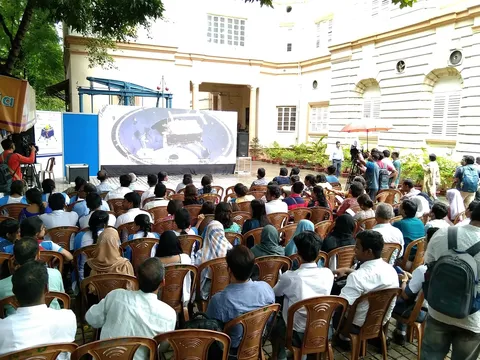
It landed days after a Russian spacecraft aimed at the same region had crashed, which sharpened the contrast considerably. The mission cost roughly $75 million, and the live broadcast of the landing drew one of the largest audiences ever recorded for a streamed event.
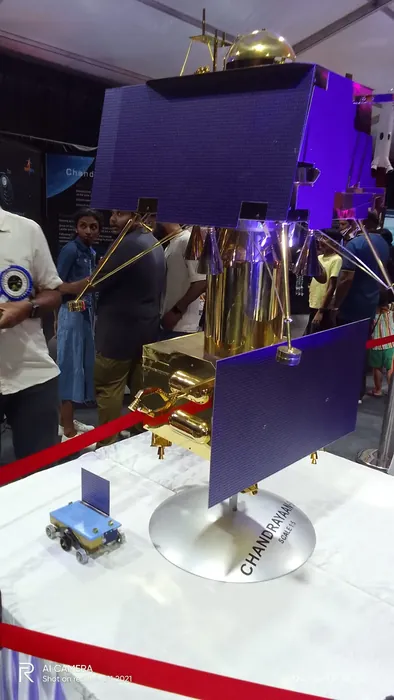
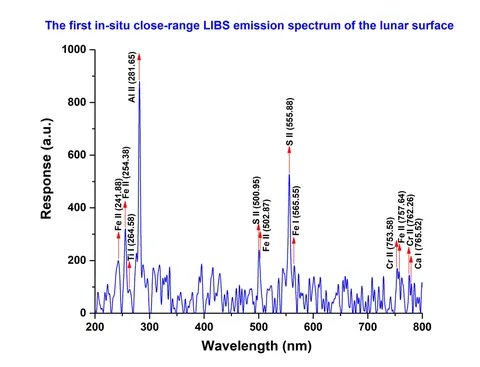
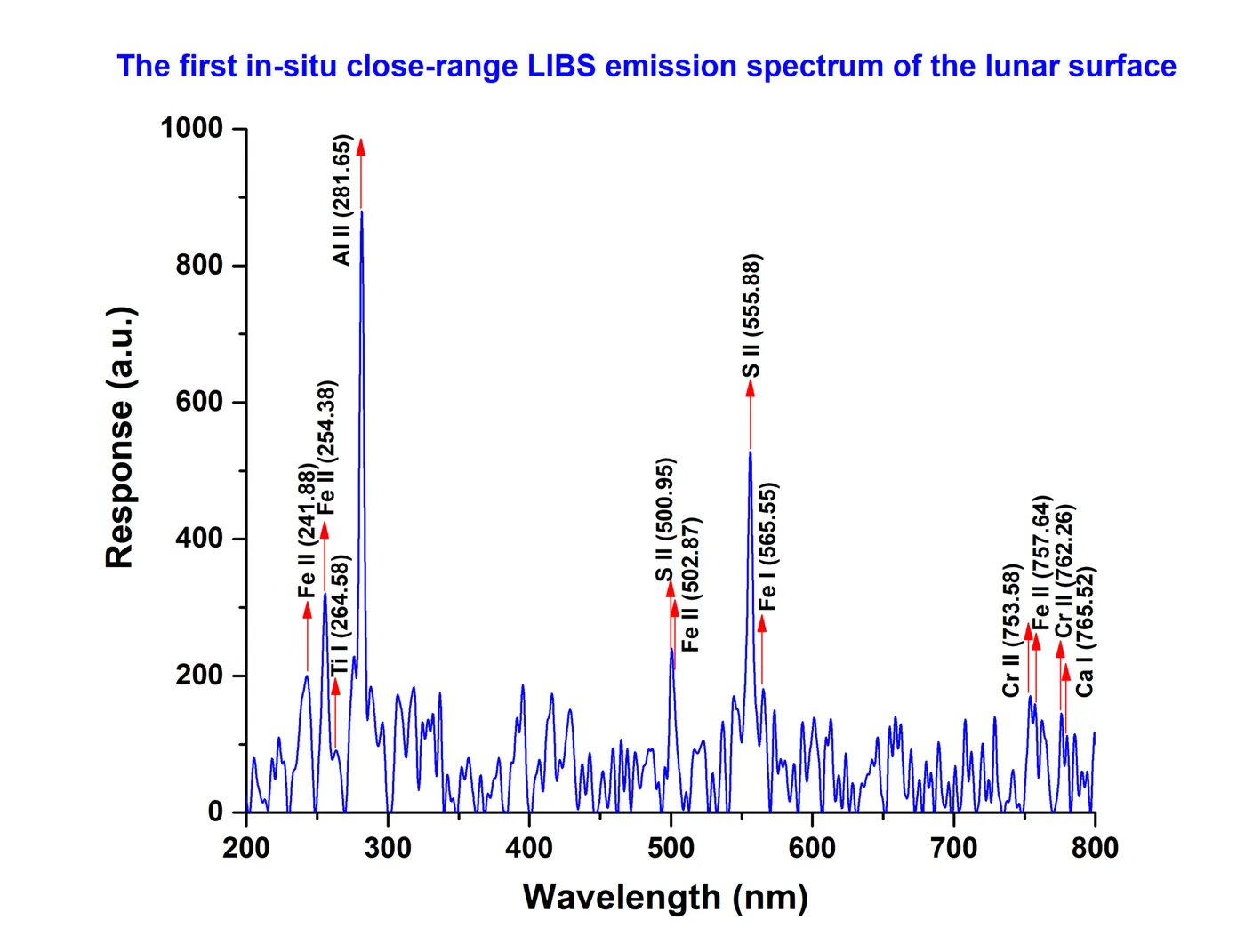
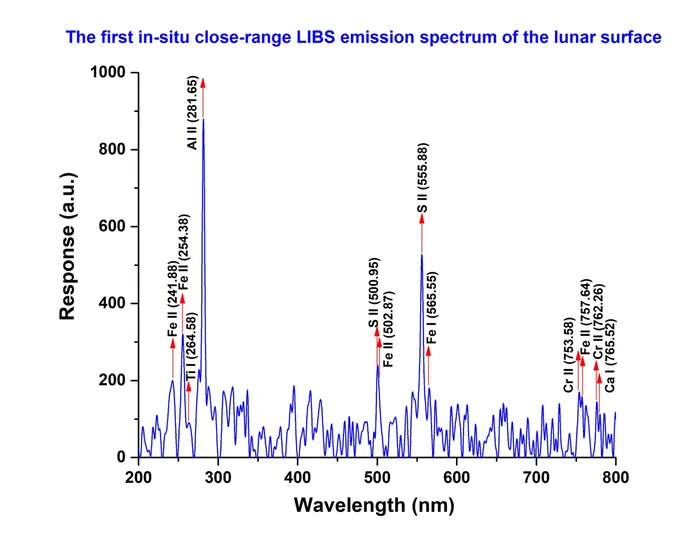
The Pragyan rover spent about two weeks trundling across the surface before the lunar night arrived, confirming the presence of sulphur in the polar soil and measuring the extreme temperature gradient just below the surface, which turned out to be much steeper than models had predicted. The lander also performed an unplanned hop, firing its engines to lift and set down again 40 centimetres away.
Neither lander nor rover was designed to survive the fortnight-long night at minus 200 degrees, and neither woke when the Sun returned, as expected. India has since announced a sample return mission and a crewed programme, and the day of the landing is now observed as National Space Day.