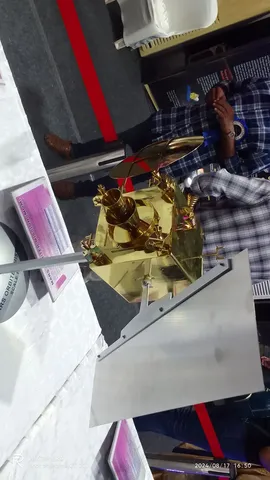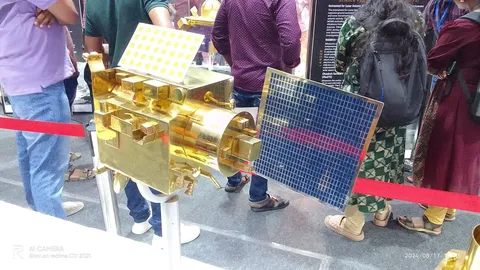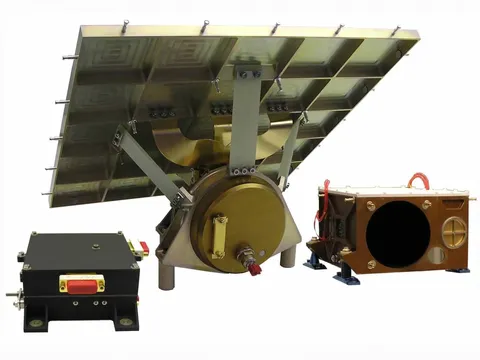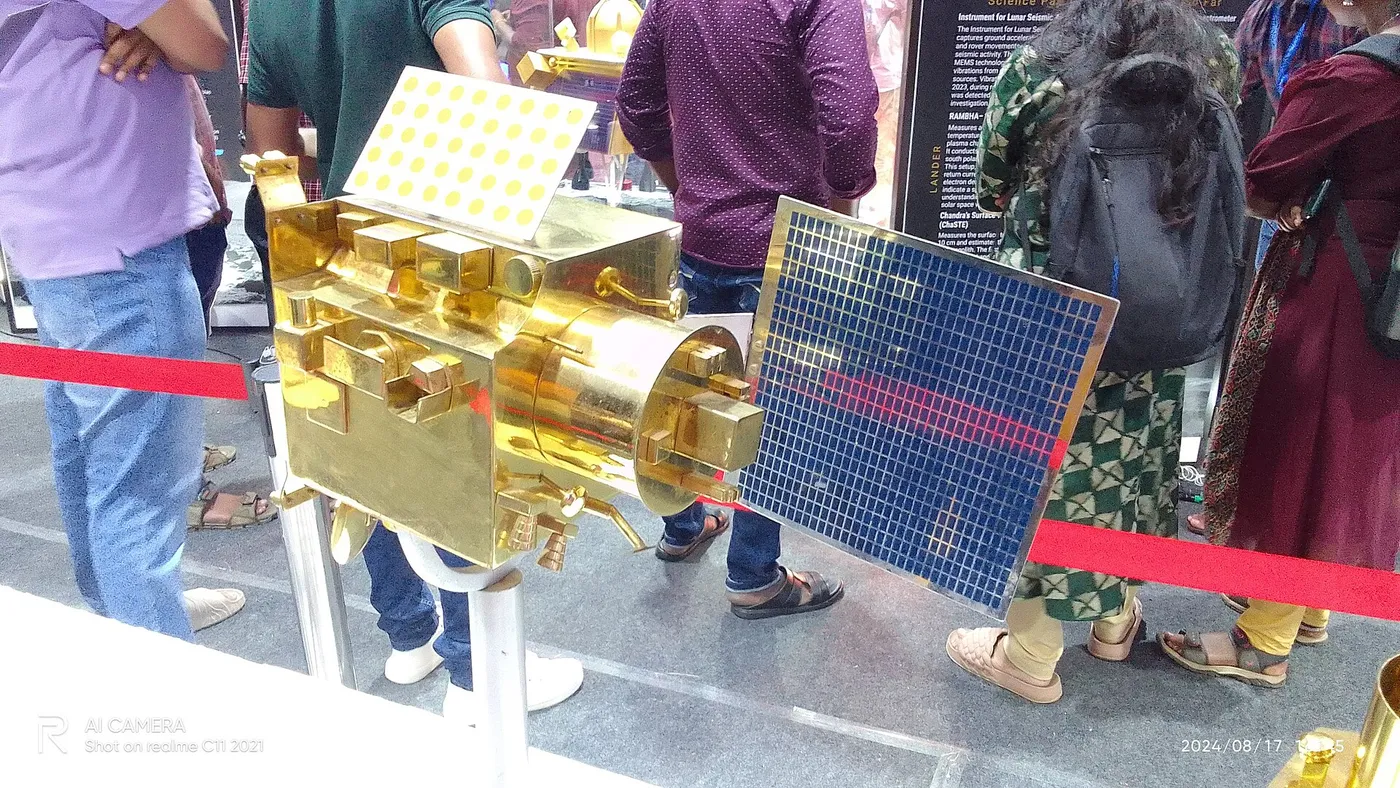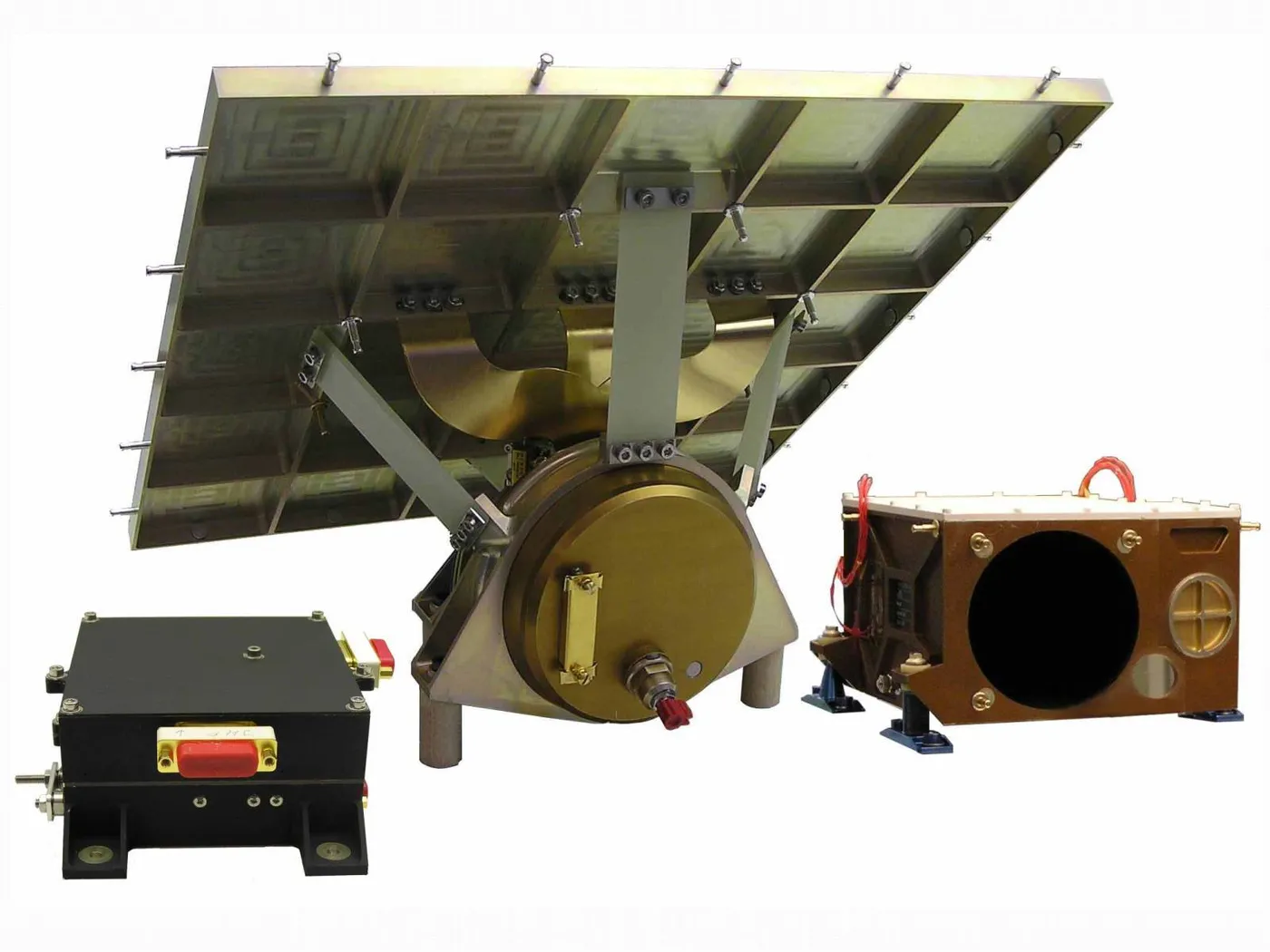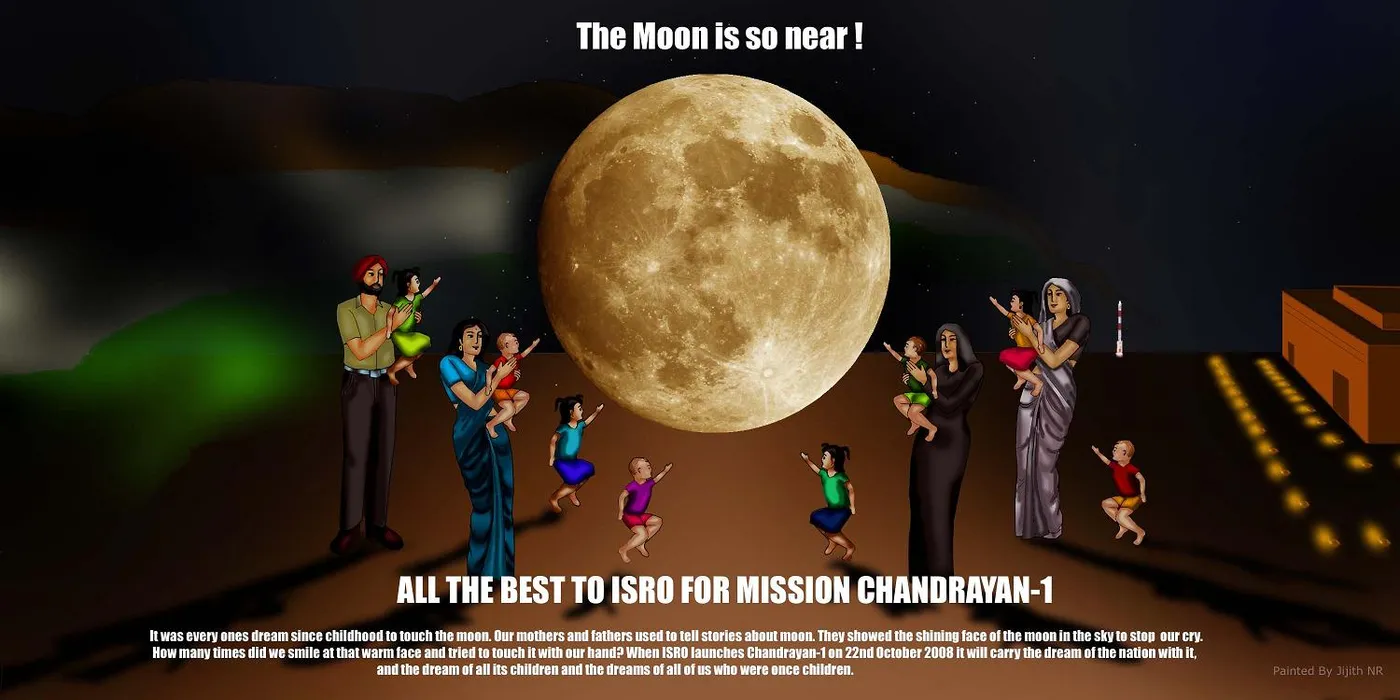
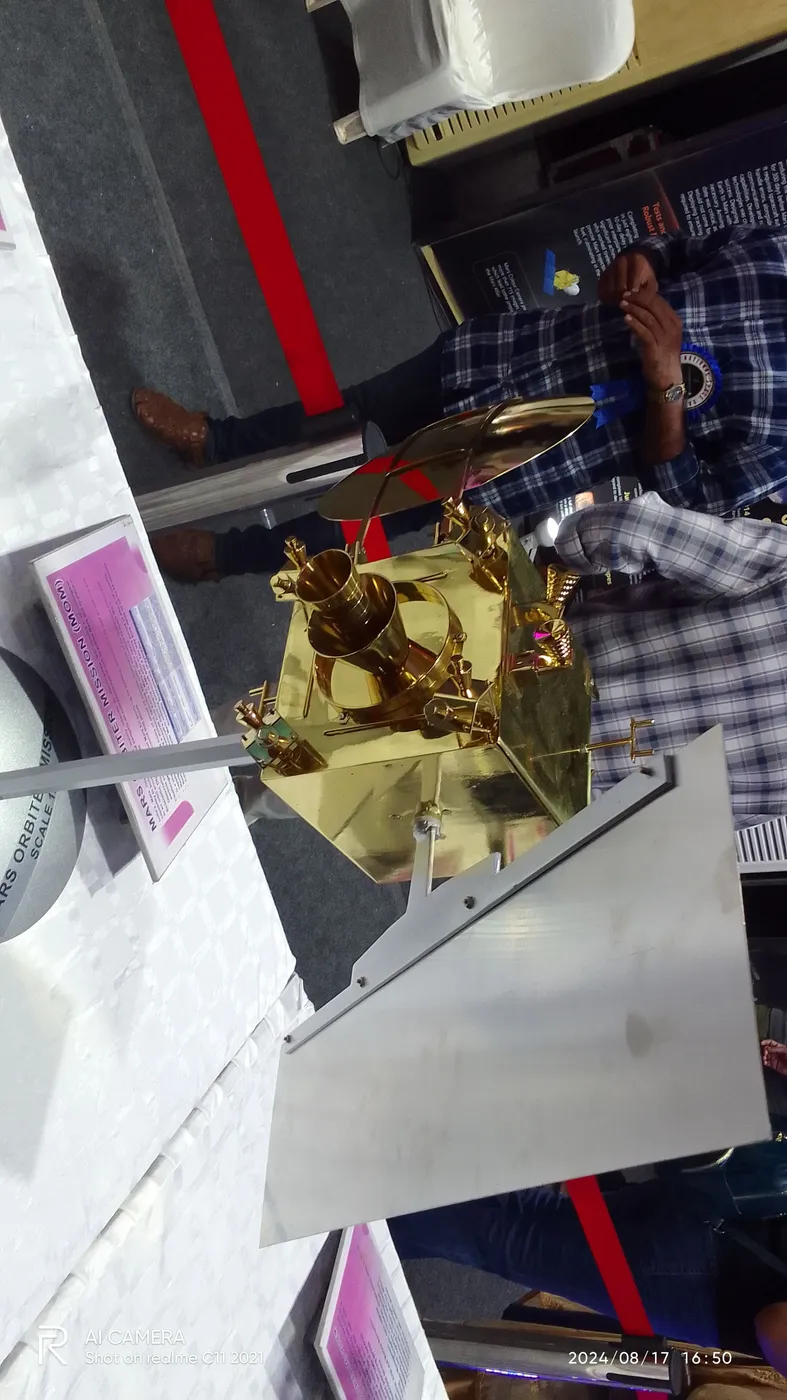
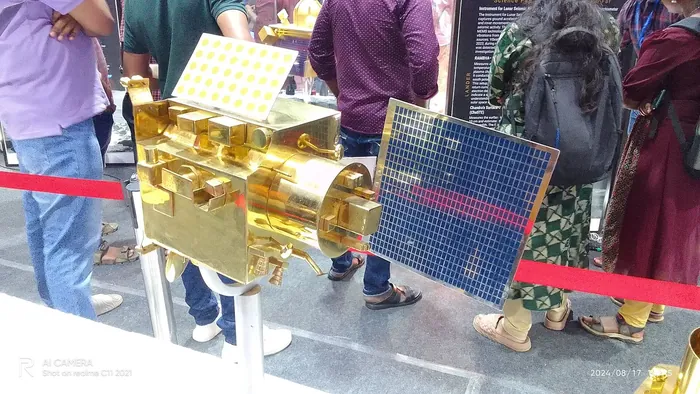
India's first mission beyond Earth orbit reached the Moon in November 2008, and it arrived carrying instruments from six countries — a deliberate strategy of international collaboration that made a modest national budget go a long way. Among the passengers was a NASA imaging spectrometer called M3.
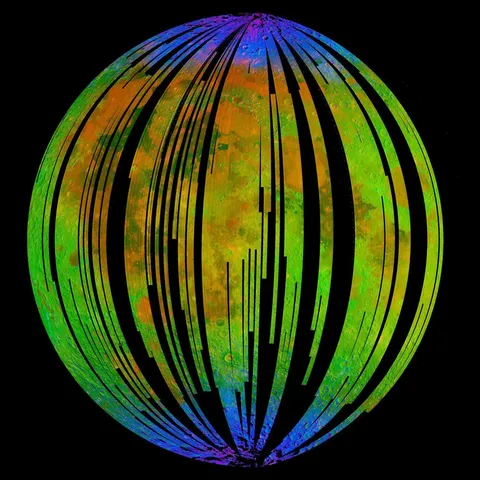
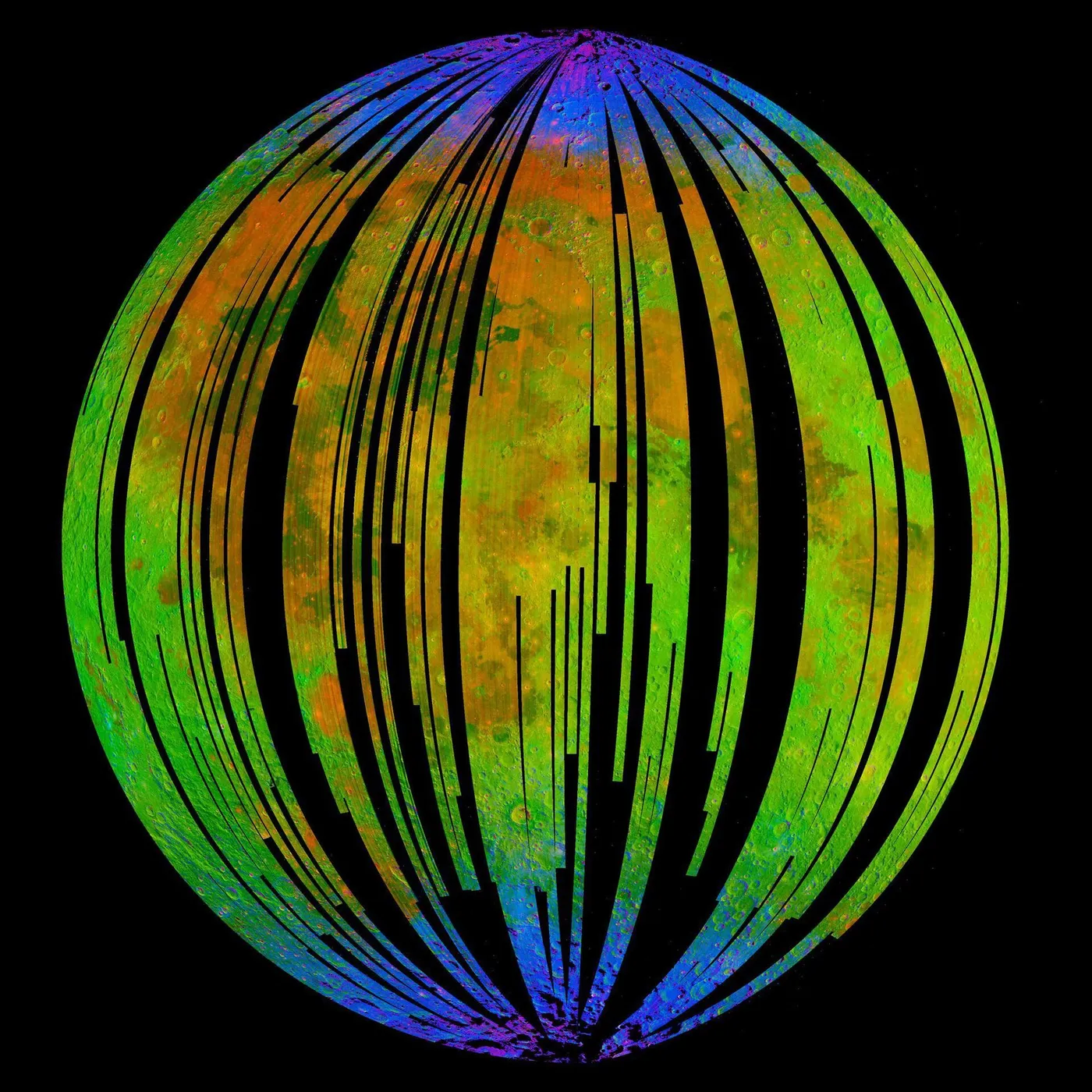
Within a year that instrument produced one of the most consequential lunar results in decades. It detected the spectral signature of water and hydroxyl molecules bound in the surface soil across wide areas of the Moon — not merely in permanently shadowed polar craters, but at middle latitudes, apparently forming and being lost through the lunar day.
The Moon had been considered bone dry since the Apollo samples were analysed. This finding, corroborated by reanalysis of older data and by other missions, reversed that consensus and reframed the case for lunar resources: water that renews itself across the surface is a very different proposition from ancient ice buried in a few craters.

The mission also released a small Moon Impact Probe that struck near the south pole carrying the Indian flag, making India the fourth nation to place an object on the lunar surface, and its radar instrument contributed to the case for ice in polar craters.
Contact was lost abruptly in August 2009, less than a year into a planned two-year mission, after the spacecraft's star sensors and thermal control gave trouble. In a curious coda, ground-based radar located it still orbiting the Moon in 2016 — a dead spacecraft found by bouncing radio waves off it from Earth.