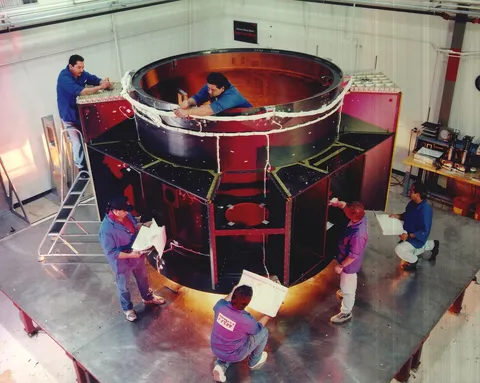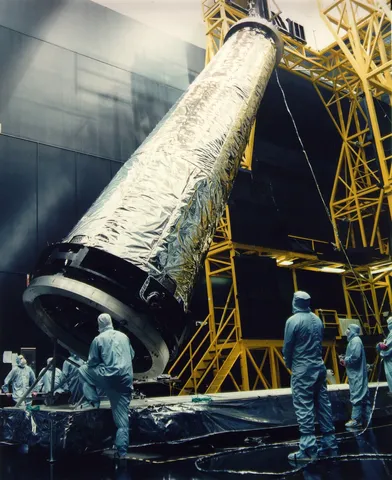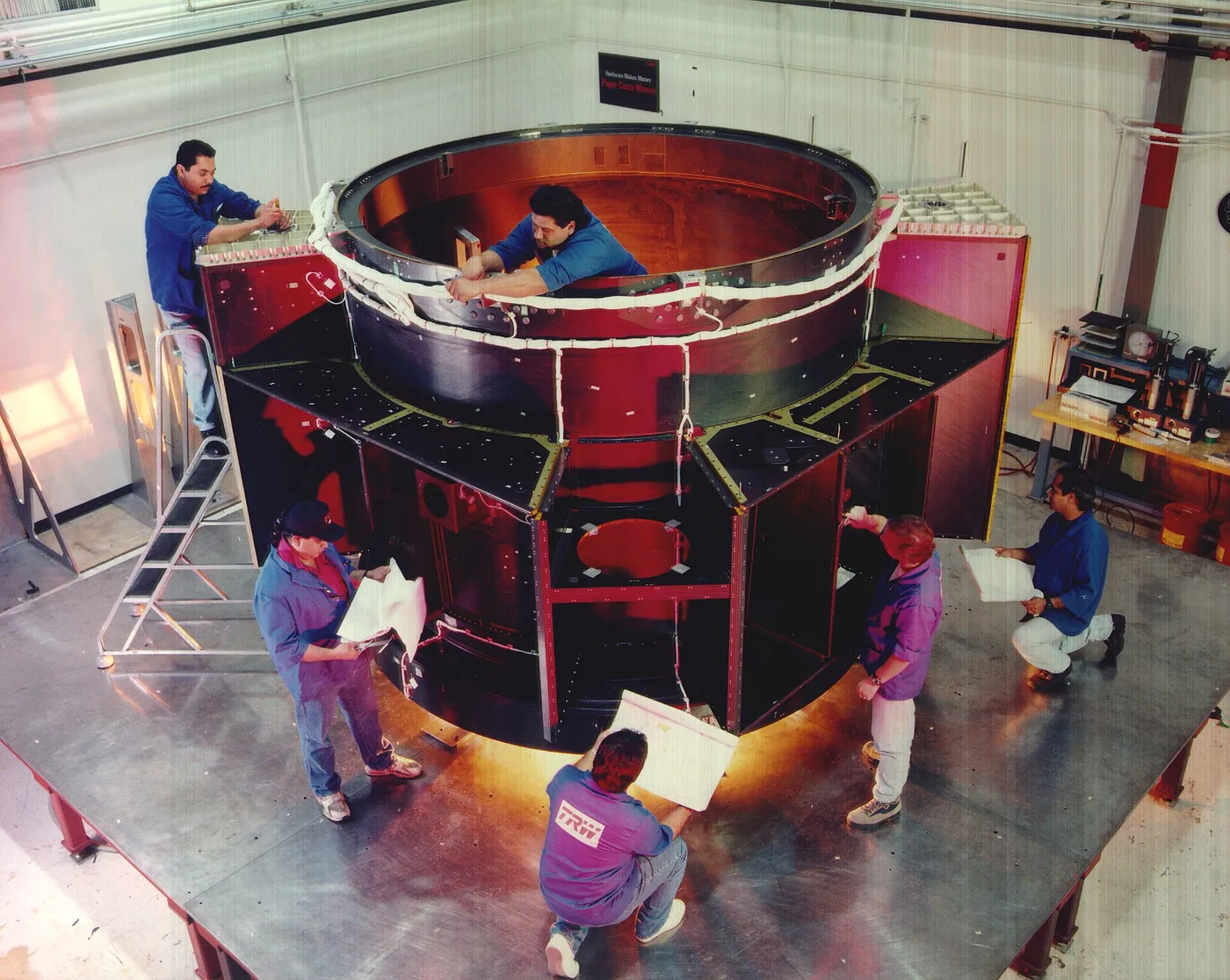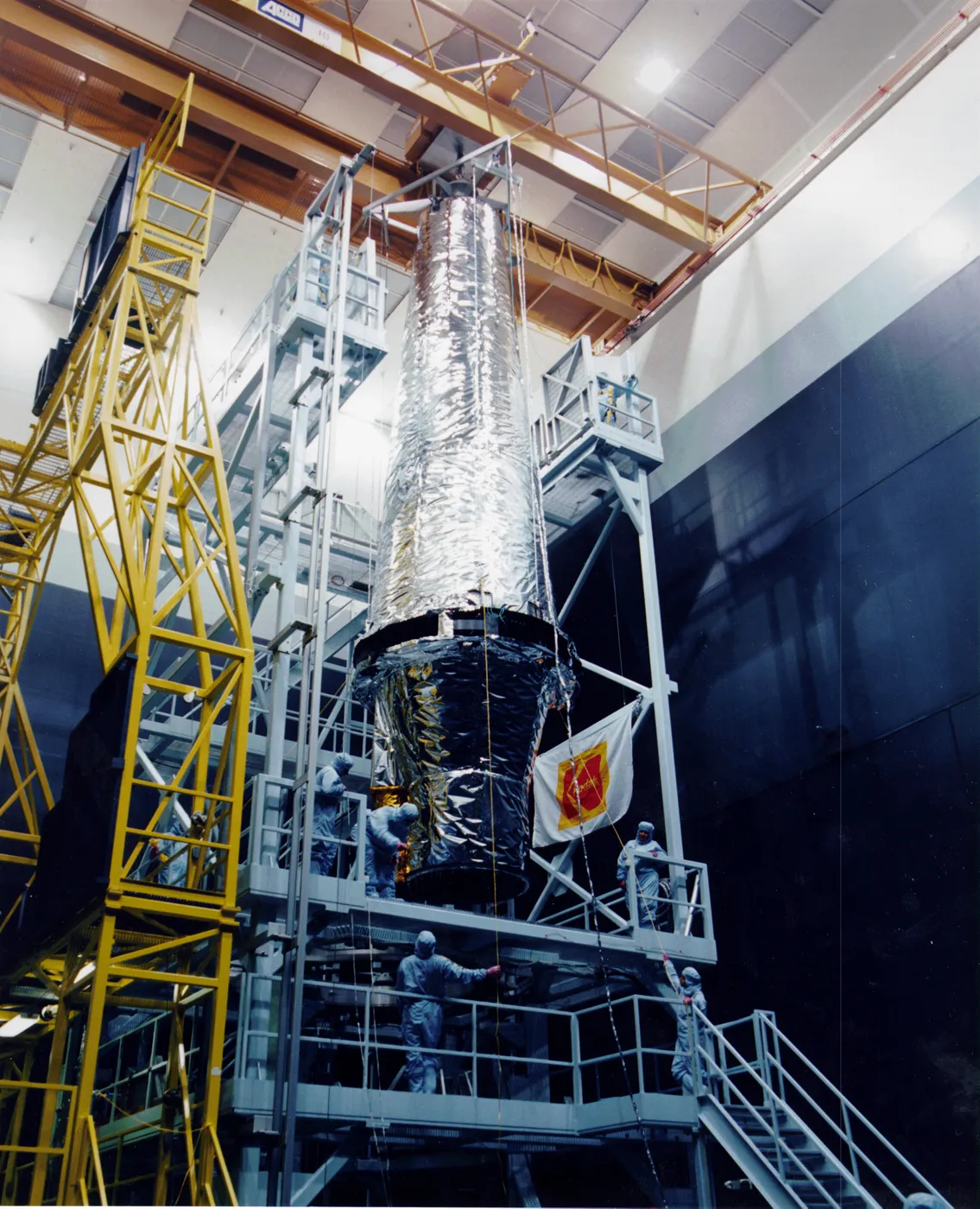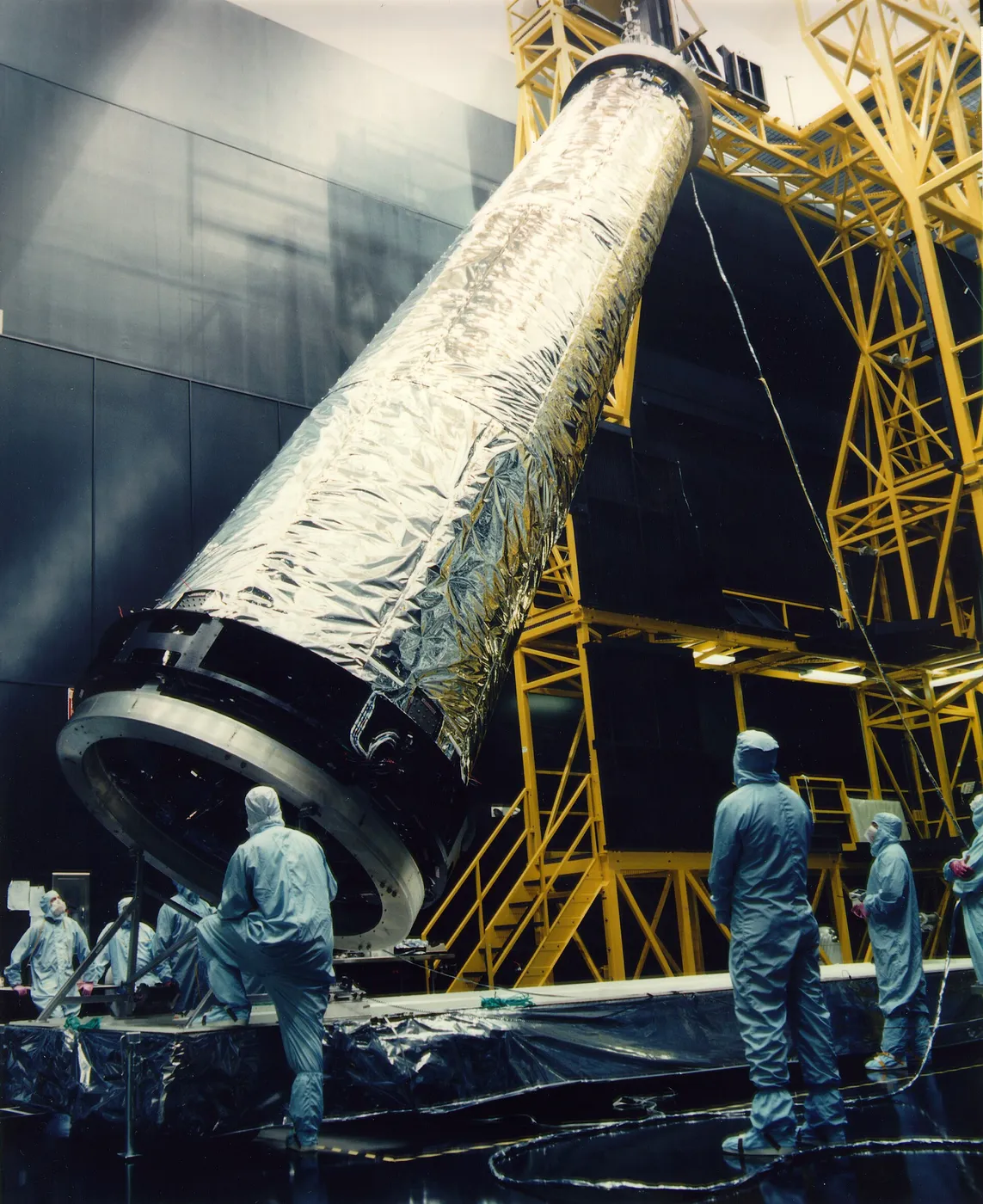
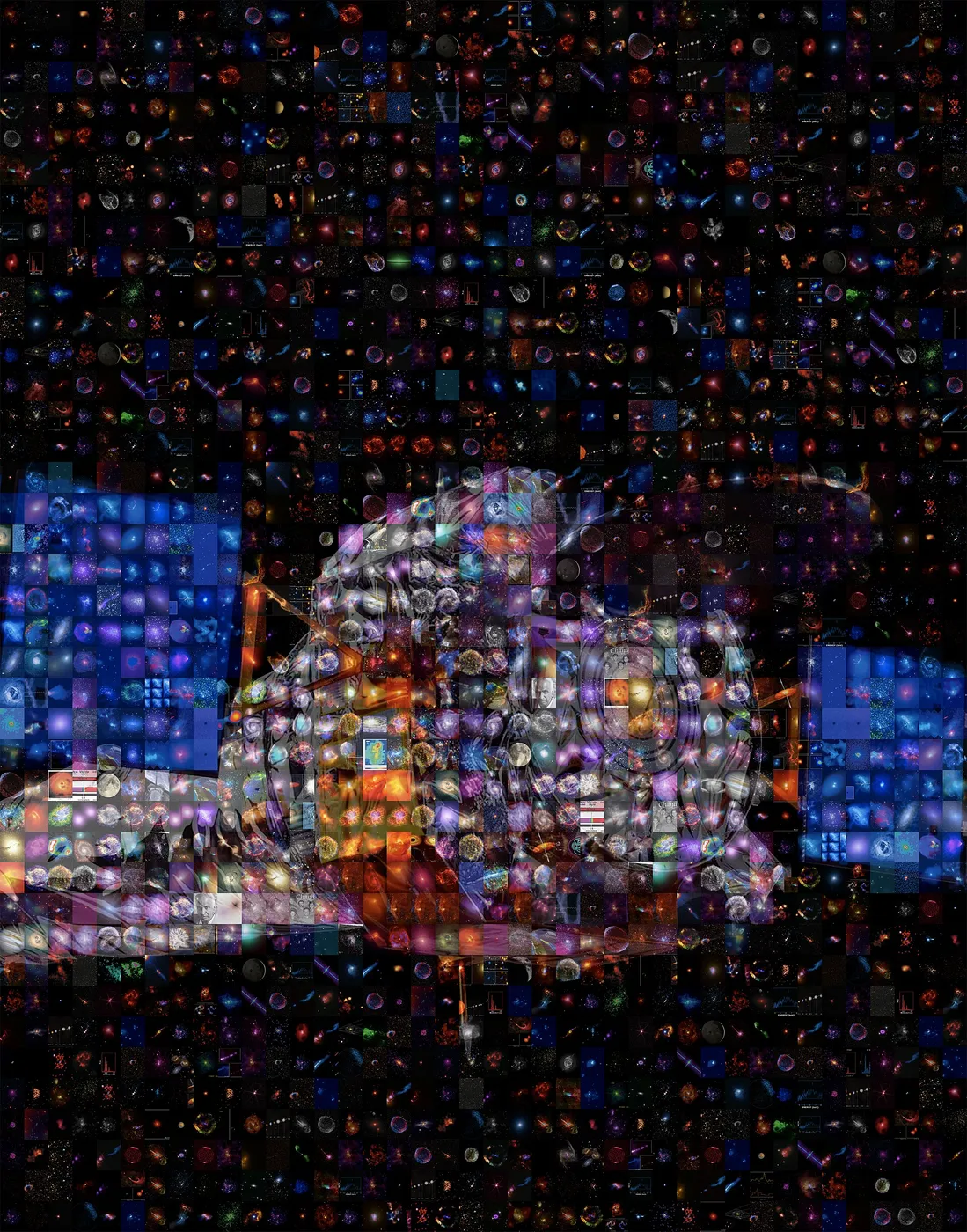

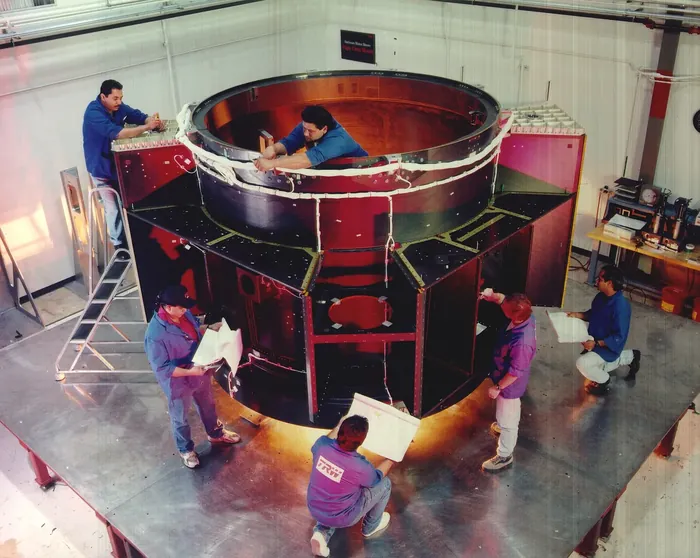
X-rays cannot be focused by a conventional mirror — they pass straight through, or are absorbed. Chandra instead uses grazing incidence: nested barrels of iridium-coated glass so smooth that if one were scaled to the width of a continent its roughest features would be a few metres high, deflecting X-rays through shallow angles like stones skipped across water.
The result is angular resolution of about half an arcsecond, better than any other X-ray telescope by an order of magnitude and comparable to good optical instruments. Its orbit is extraordinarily elongated, carrying it a third of the way to the Moon so that it spends most of its time above the radiation belts, observing continuously for two days at a stretch.
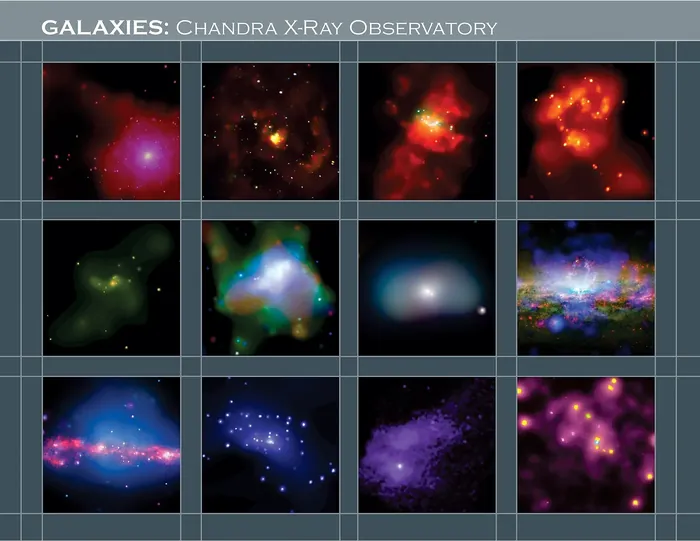
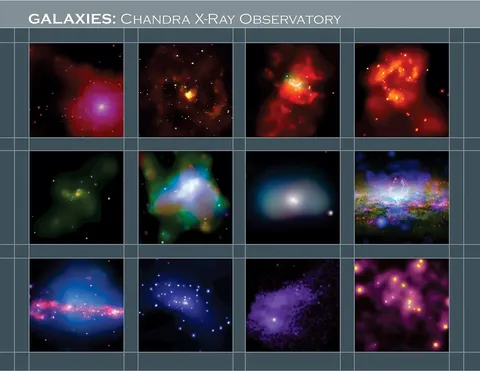
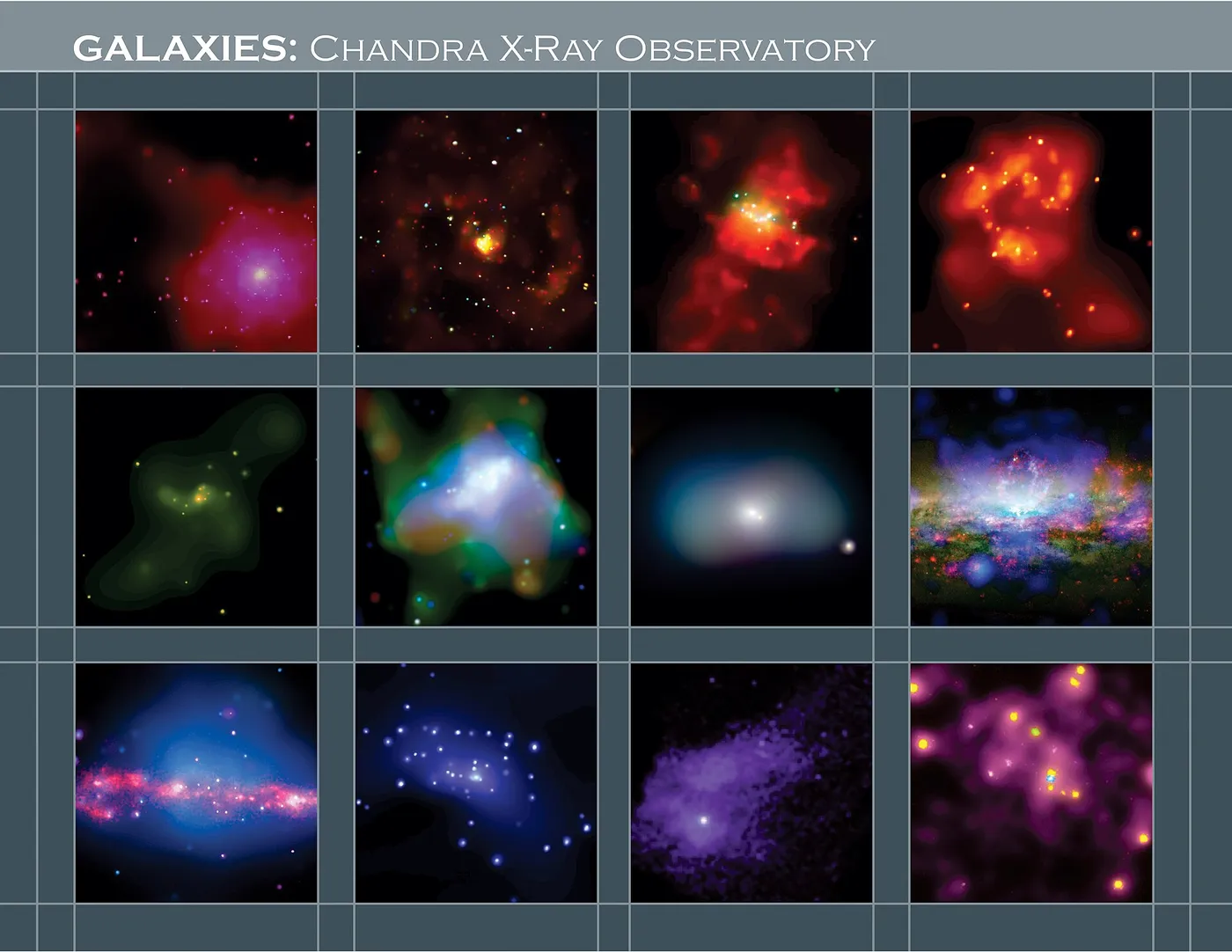
X-rays come from the hottest and most violent processes in the universe, and Chandra has spent a quarter of a century watching them: matter spiralling into black holes, the shock waves of supernova remnants, gas at tens of millions of degrees pooled between galaxies in clusters.
Its single most cited result concerns the Bullet Cluster, where two galaxy clusters have collided. The hot gas — most of the ordinary matter, mapped by Chandra — was slowed by the collision and lags behind, while gravitational lensing shows the mass concentrated ahead of it with the galaxies. Matter and gravity had separated, which is very difficult to explain without dark matter.
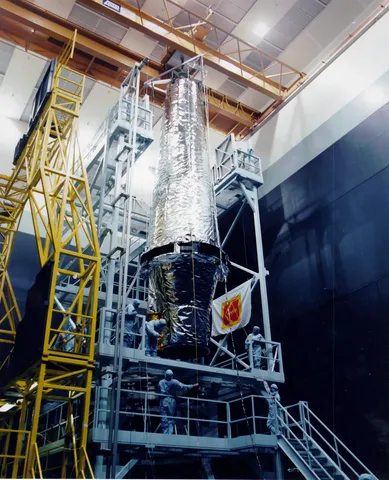
It has operated far beyond its five-year design life, though rising temperatures as its insulation degrades have gradually restricted observing. Proposed budget cuts in the mid-2020s prompted an unusually public campaign by astronomers to save it, on the argument that nothing of comparable capability is planned for decades.