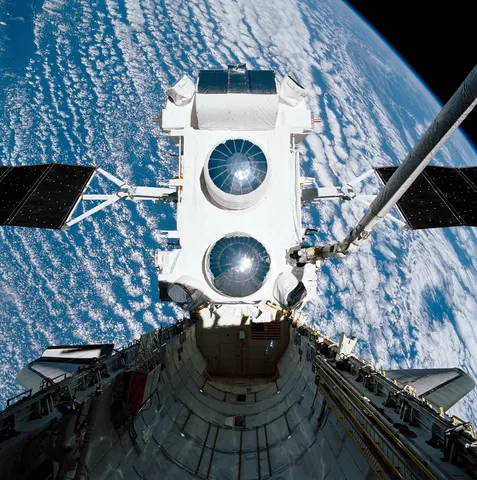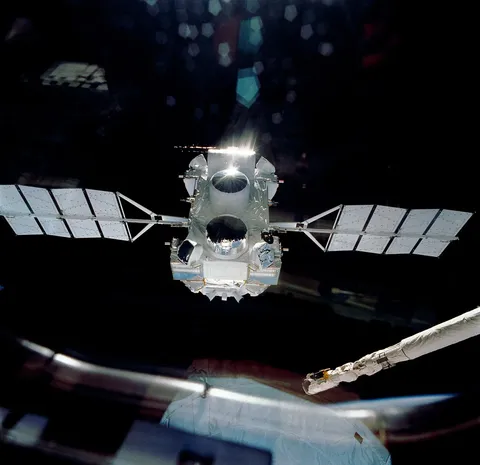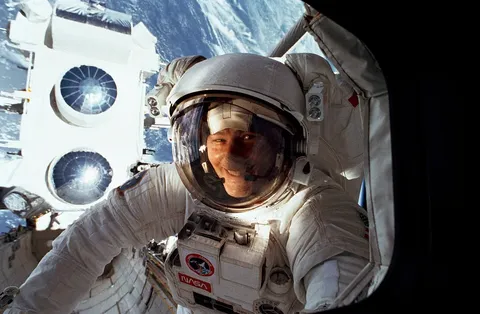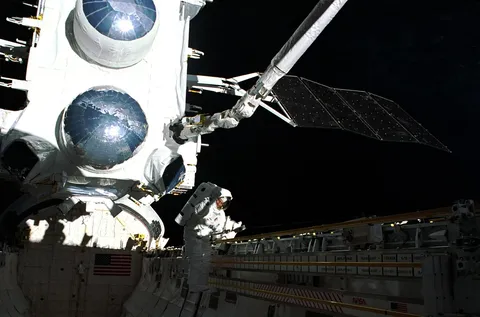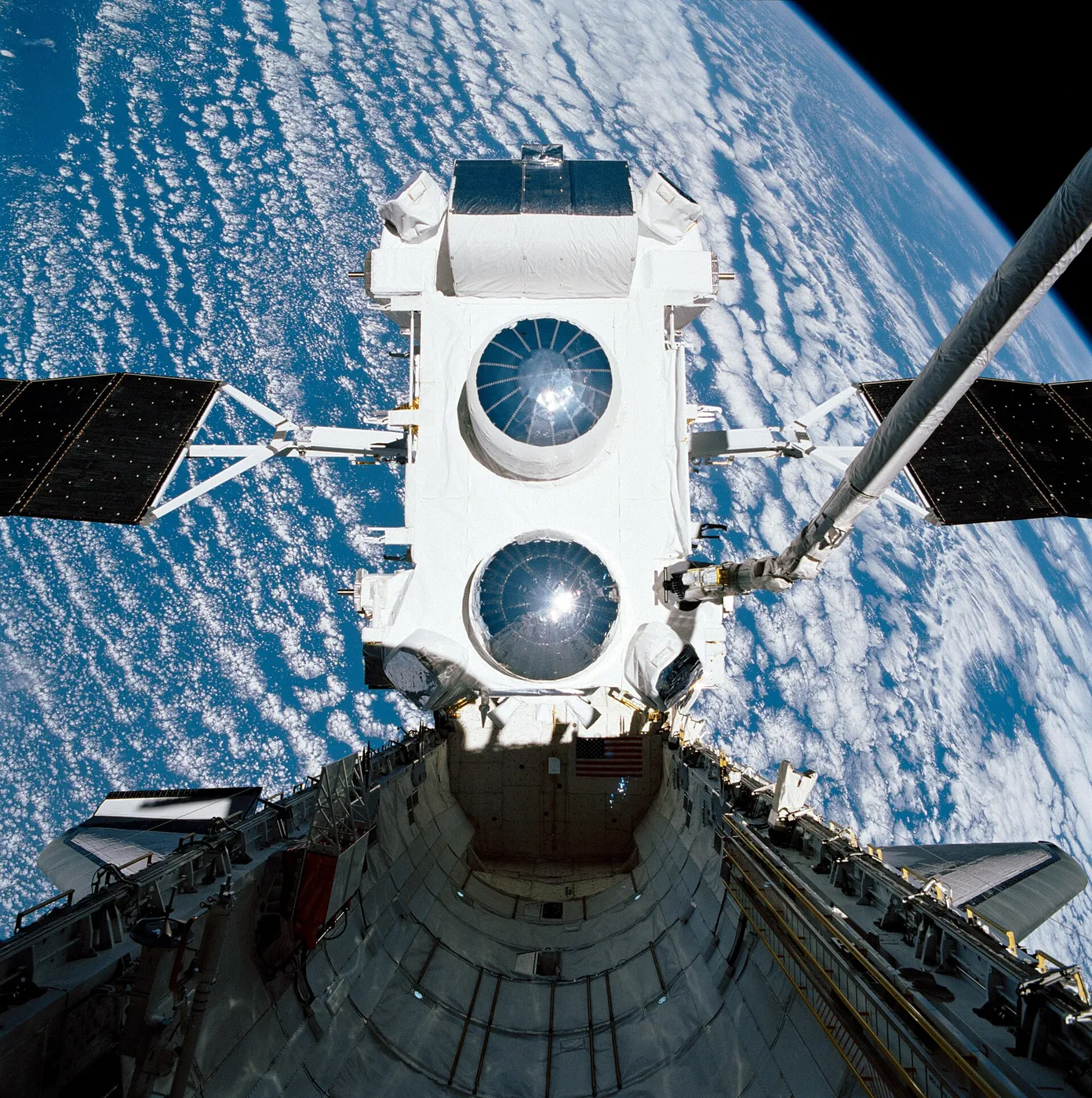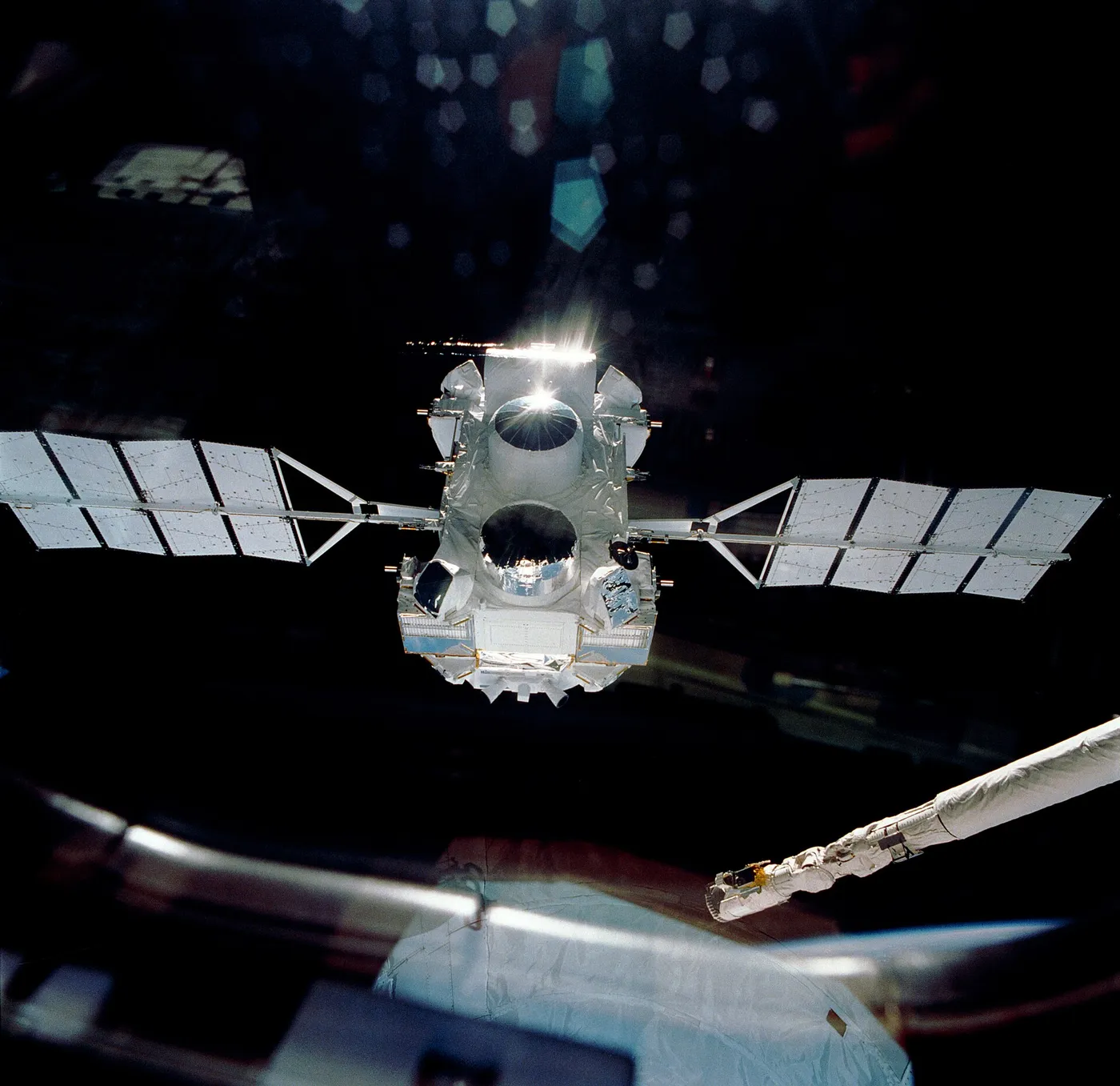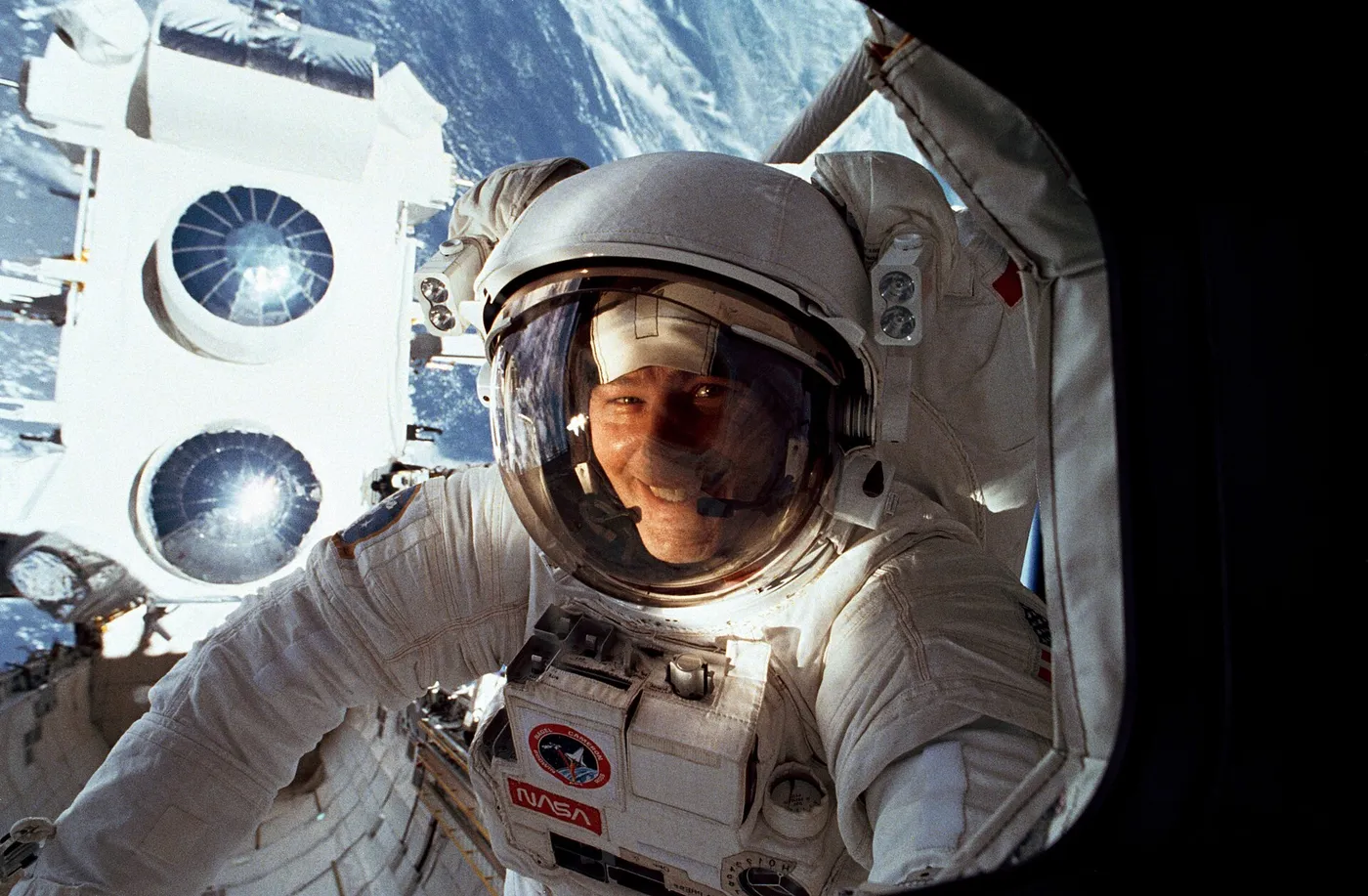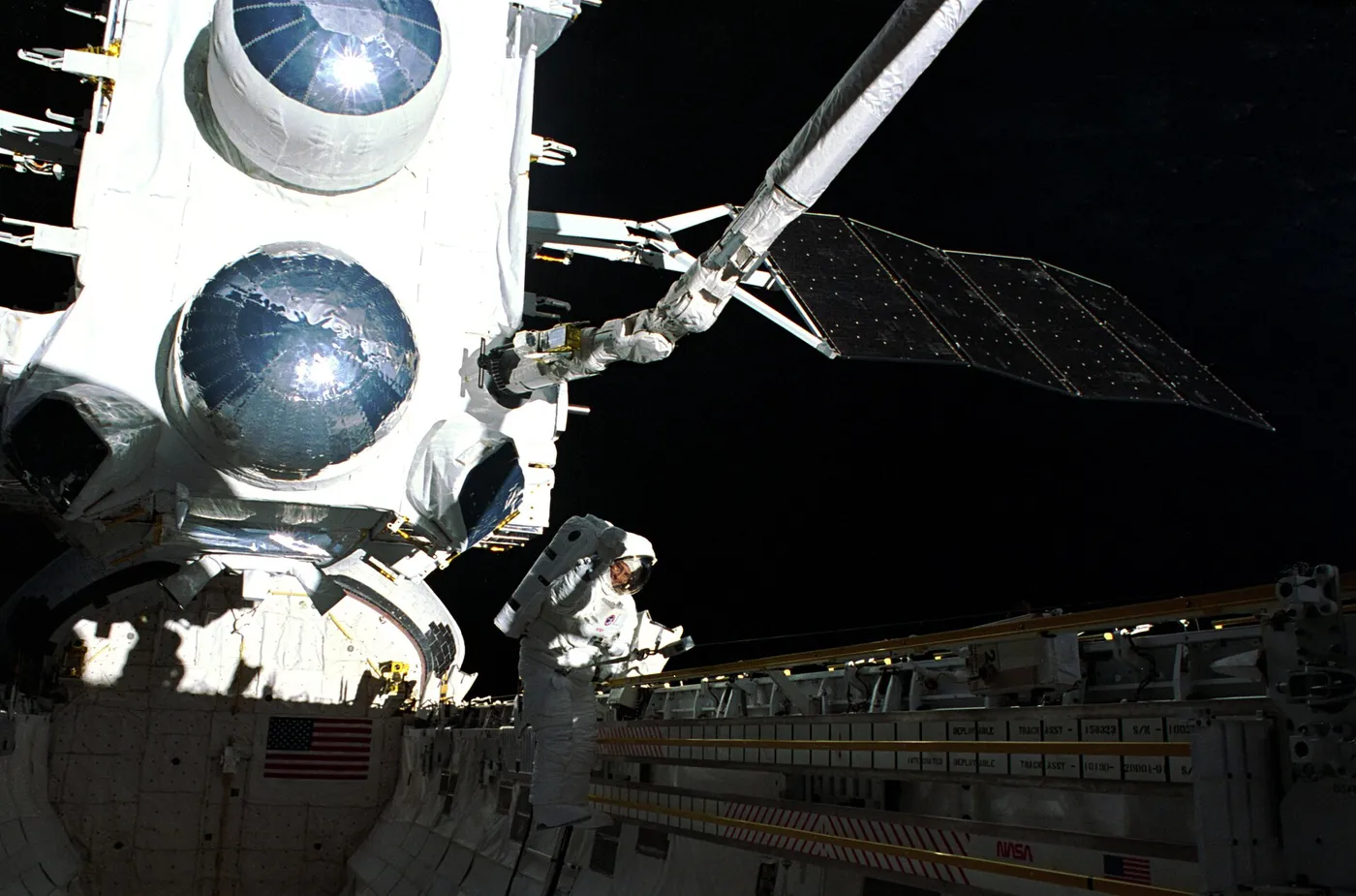

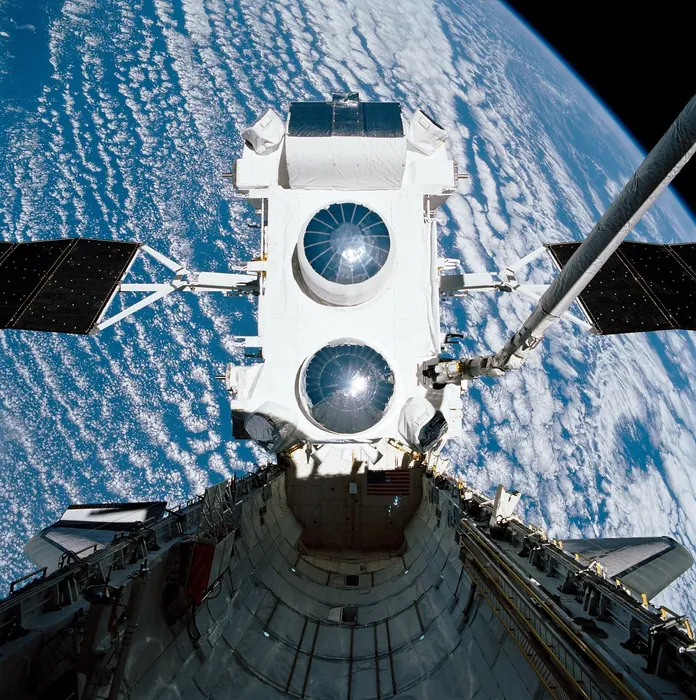
The Compton Gamma Ray Observatory weighed seventeen tonnes and was the heaviest scientific payload the Shuttle ever carried, deployed in 1991 after a spacewalk to free a jammed antenna. It was the second of NASA's four Great Observatories, each designed for a different part of the spectrum.
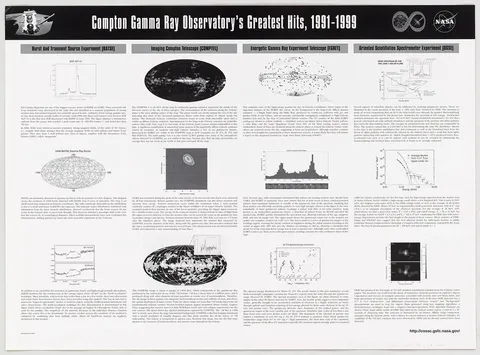
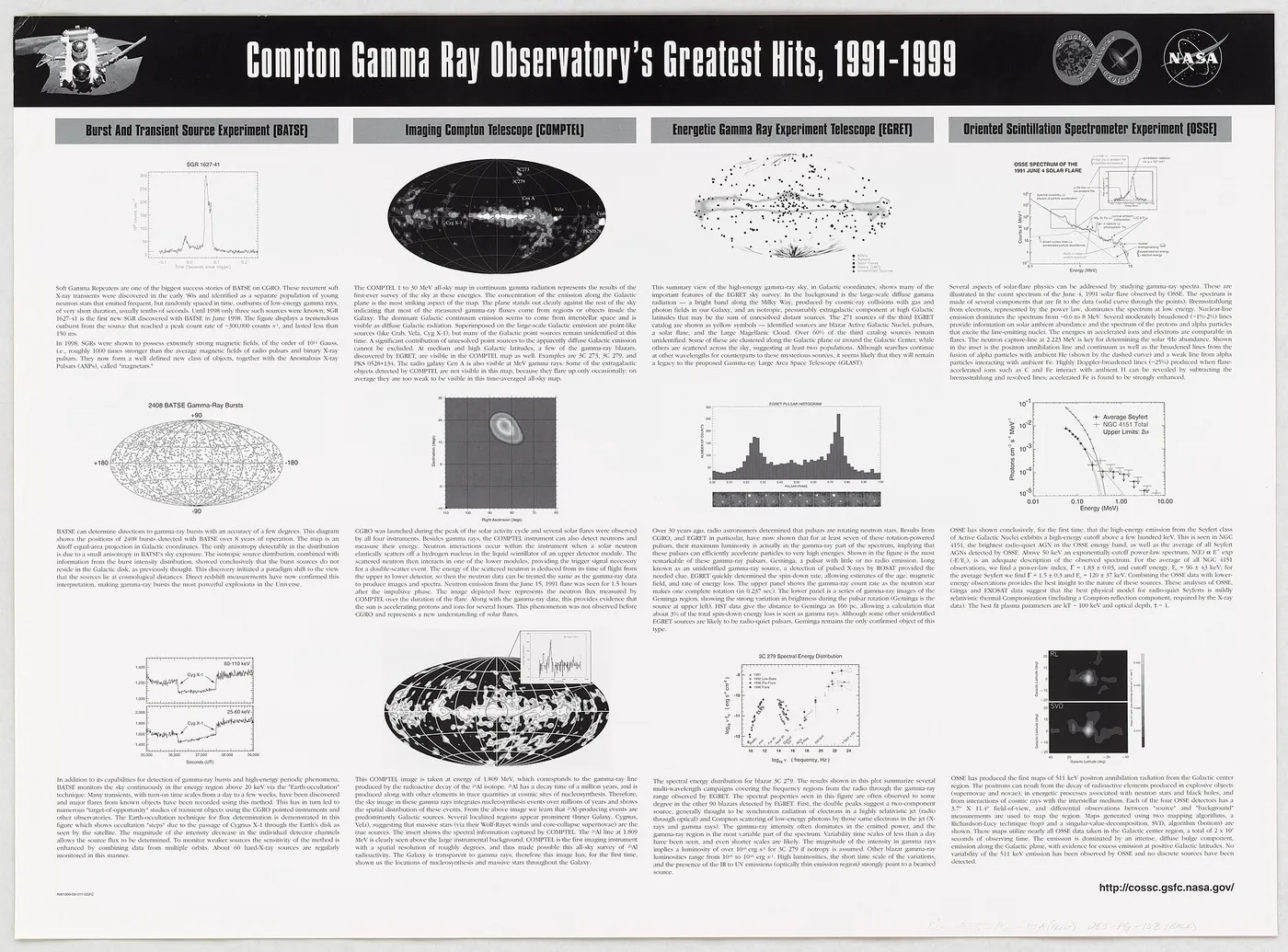
Its most consequential instrument was also its simplest. BATSE consisted of eight detectors at the corners of the spacecraft, and it recorded the arrival direction of every gamma-ray burst it saw — some 2,700 over nine years.
The distribution settled a fierce argument. If bursts came from within our galaxy they should concentrate along the Milky Way's plane; BATSE found them spread perfectly evenly across the sky, which meant they were either very close or very far away. Combined with the observed brightness, that implied cosmological distances — and therefore energies almost beyond belief, briefly outshining the rest of the universe.
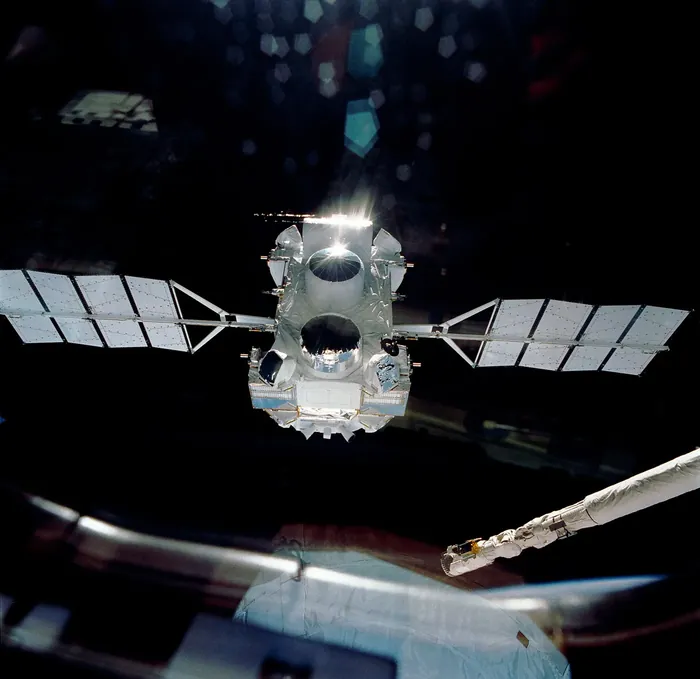
The observatory also mapped the galaxy in gamma rays, studied pulsars and active galaxies, and detected the annihilation signature of antimatter above the galactic centre. Its instruments covered six decades of energy, a range no single mission has matched since.
Its end was contentious. After one of three gyroscopes failed in 1999, NASA judged that a future loss of control could send seventeen tonnes of debris down uncontrolled, and decided to deorbit deliberately in June 2000. Many scientists argued the risk was overstated and a working observatory was being destroyed unnecessarily; the decision stood, and it was brought down over the Pacific.