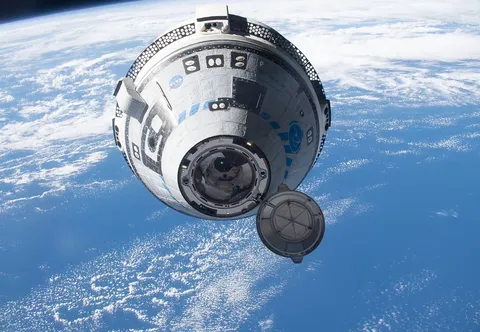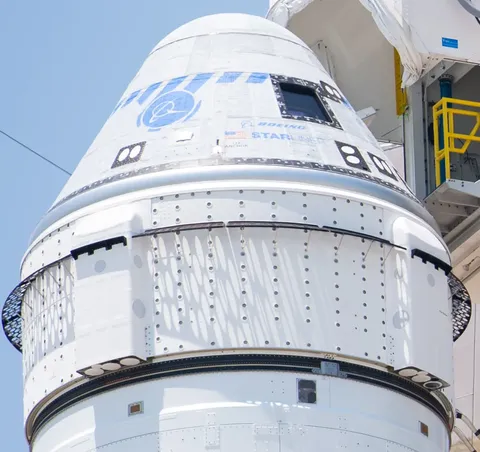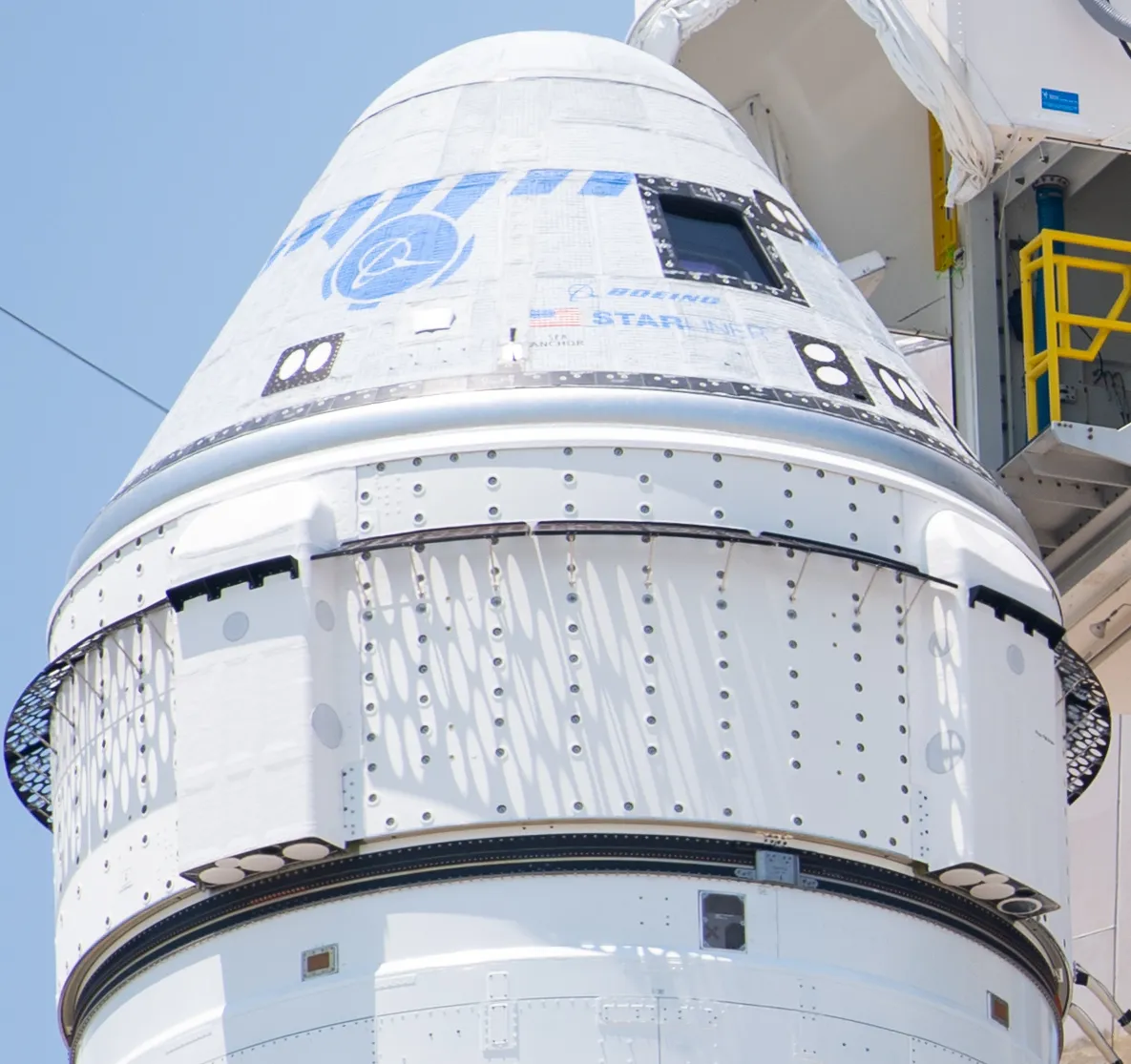
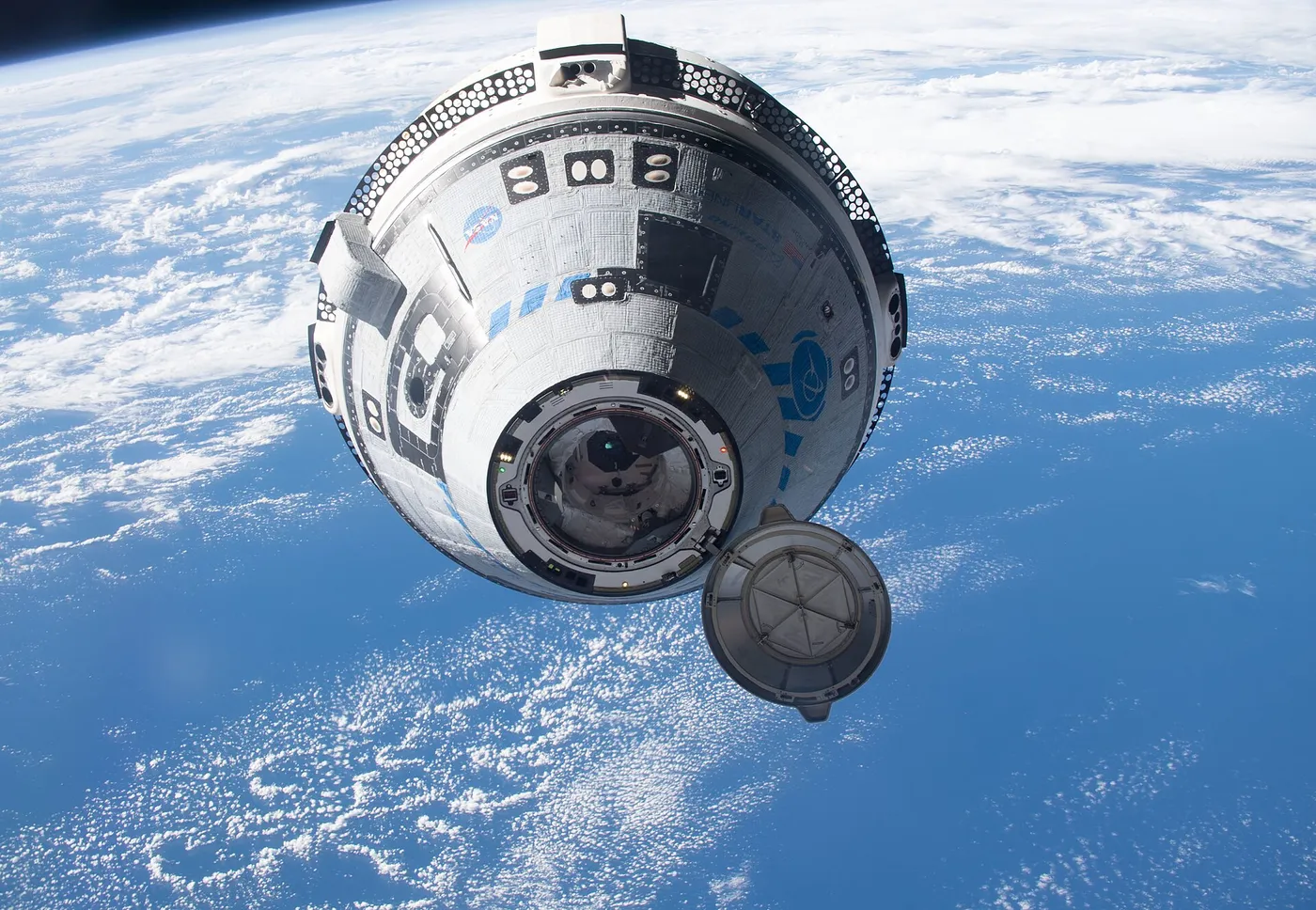

The repeat flight worked. In May 2022, two and a half years after the first attempt, an uncrewed Starliner reached the International Space Station, docked, spent four days attached and returned to a landing in New Mexico — the objectives the original mission had failed to meet.
It was not entirely clean. Two of the twelve thrusters on the service module shut down during the orbital insertion burn, with the flight control system switching to backups; a cooling loop ran warmer than expected; and thermal control behaved oddly in places. All were within the flight rules, and all were noted for follow-up.
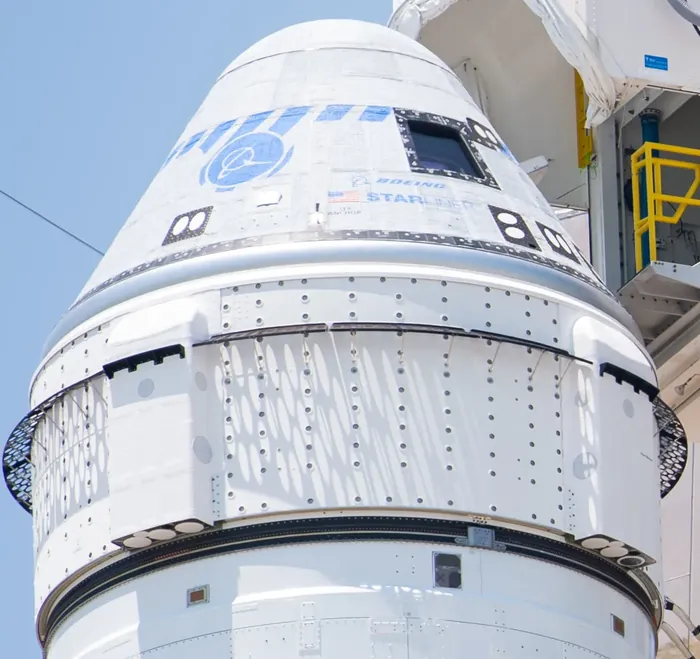
Those thruster shutdowns would prove significant. The same class of problem — reaction control thrusters in the service module overheating and degrading — recurred on the crewed test flight two years later and was central to the decision not to bring astronauts home aboard the vehicle.
Getting even this far had taken longer than anyone anticipated. Boeing had been the established contractor, the one NASA expected to deliver first, and it was overtaken by a company that had never flown people before. The reasons are much discussed and generally come down to software culture, testing philosophy and the difference between cost-plus and fixed-price habits.
The flight cleared Starliner to carry a crew, which it did in 2024 — with results that put the programme's future in serious doubt. Boeing has absorbed well over a billion dollars in charges on the contract, and the vehicle has yet to fly an operational rotation.