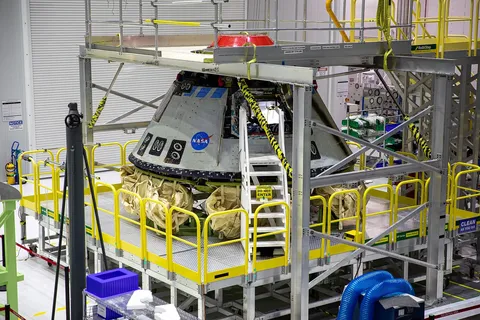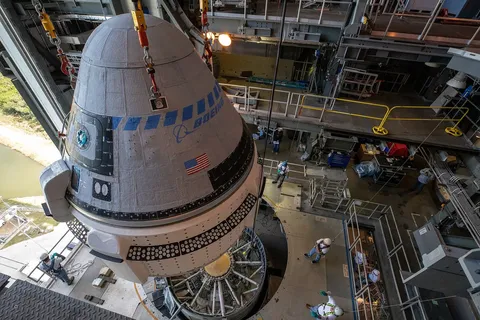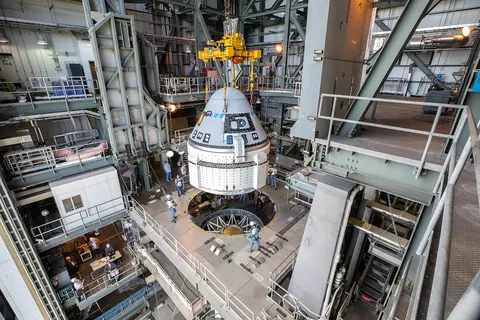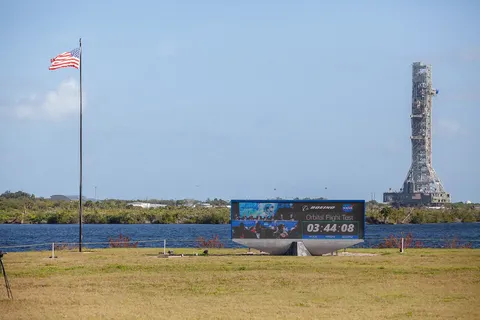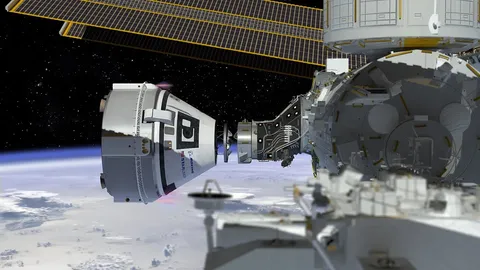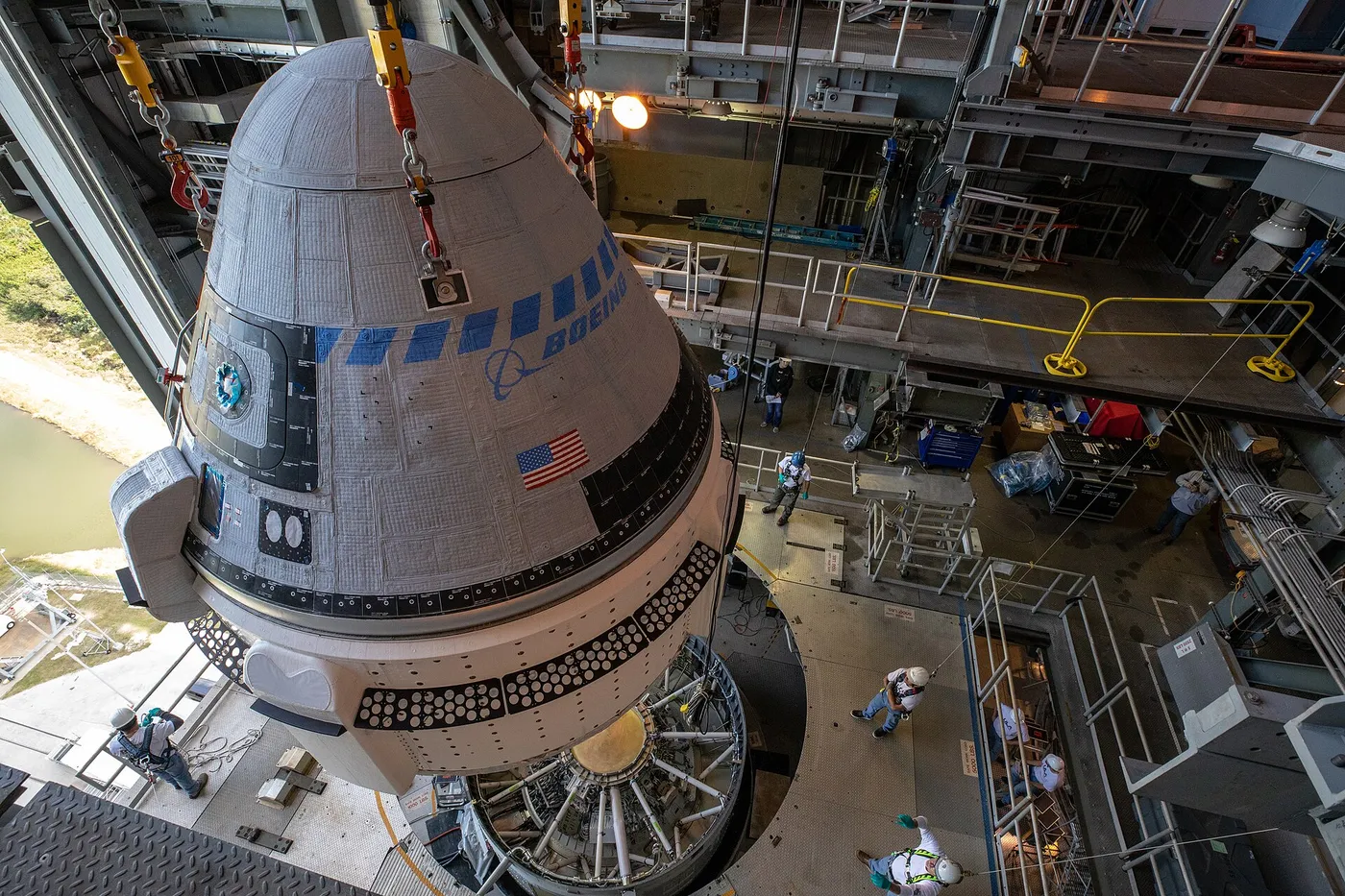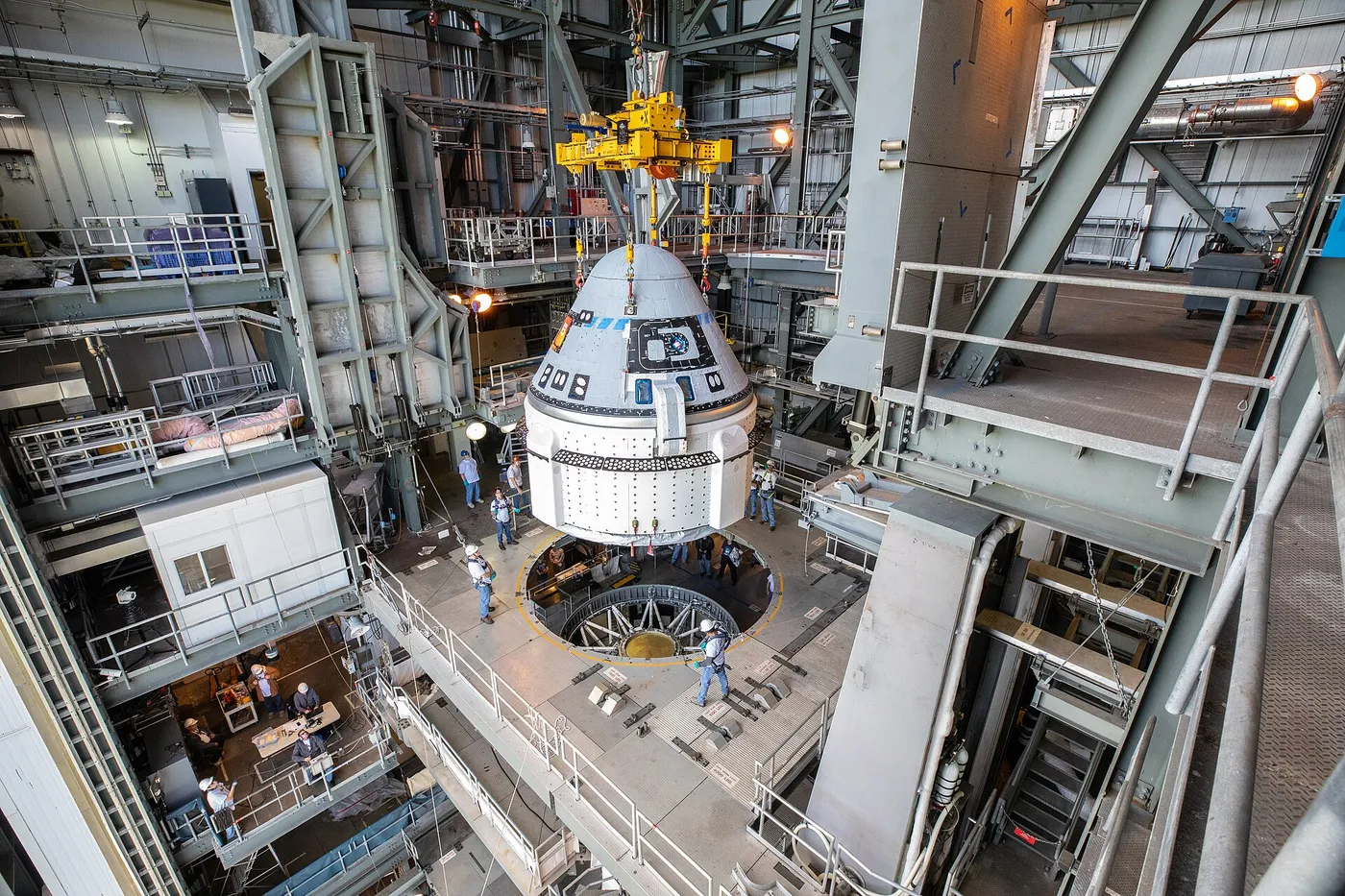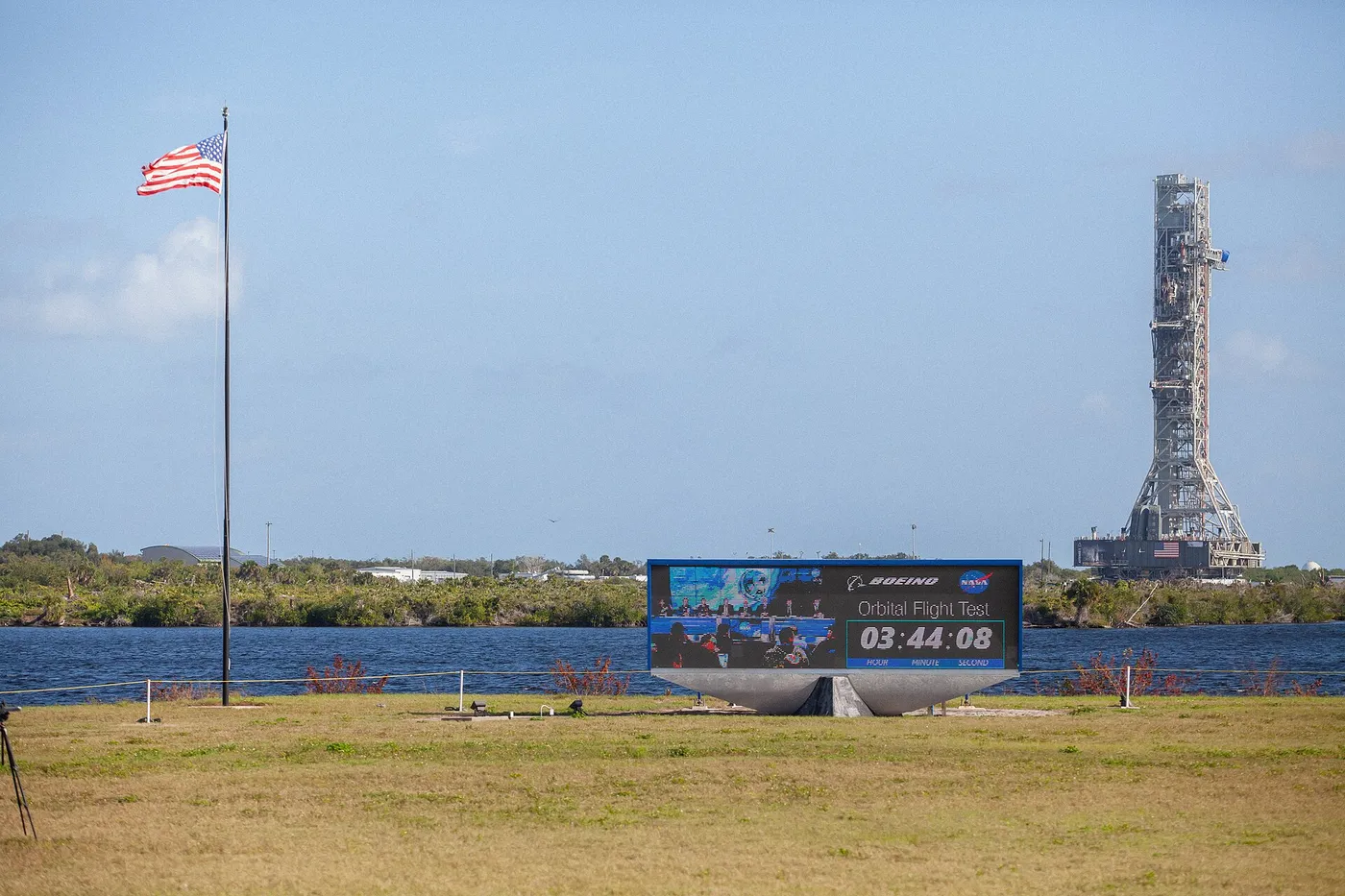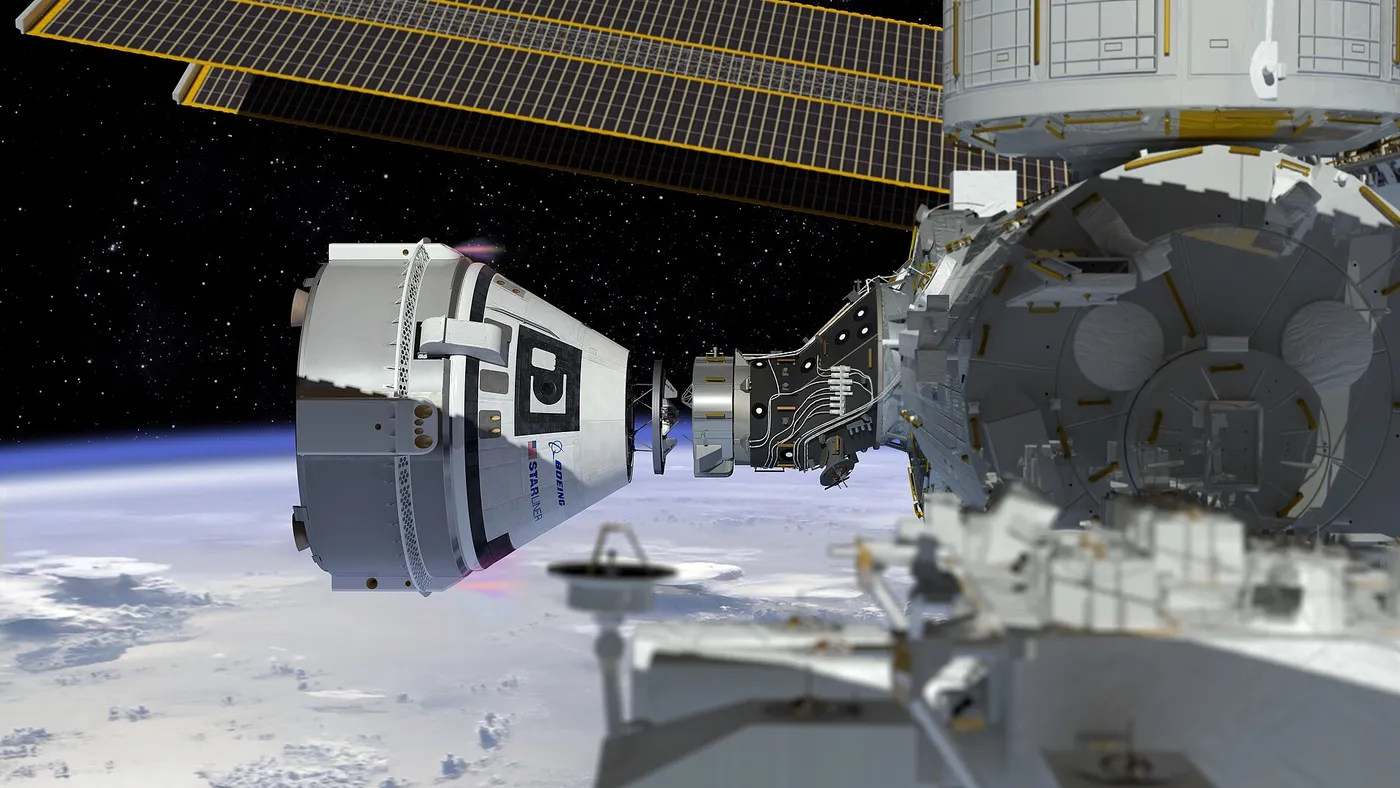
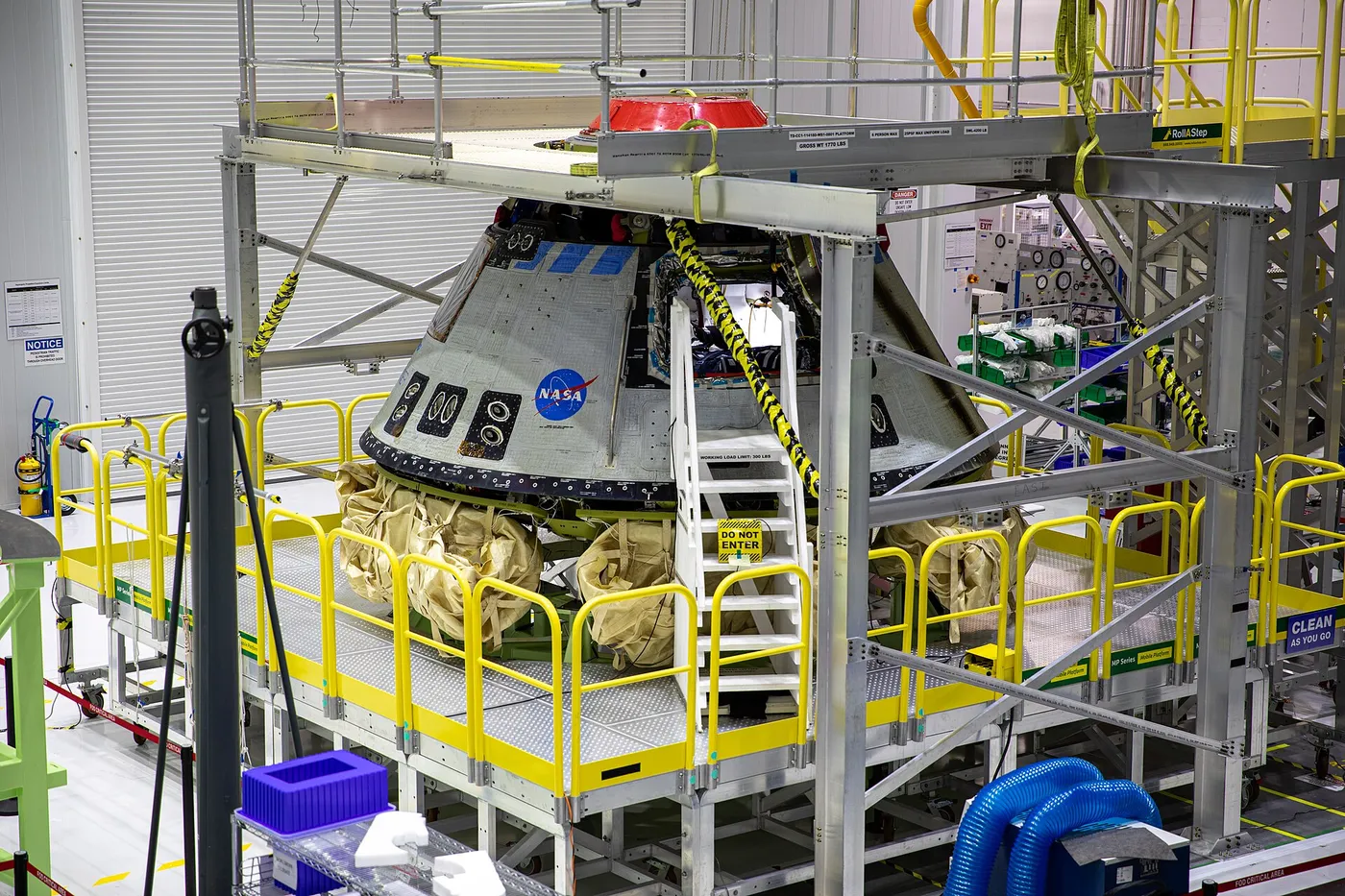

Boeing's first Starliner flight was supposed to mirror SpaceX's: an uncrewed capsule launched to the station, docked, returned. Instead it never got there, and the reasons exposed problems that took years to resolve.
The immediate cause was a clock. The spacecraft's mission elapsed timer had been set by polling the Atlas V rocket at the wrong moment and was eleven hours out of step, so Starliner believed it was at a different point in the flight and fired its thrusters to hold an attitude it did not need. By the time controllers intervened — hampered by a gap in communications coverage — it had burned too much propellant to reach the station.
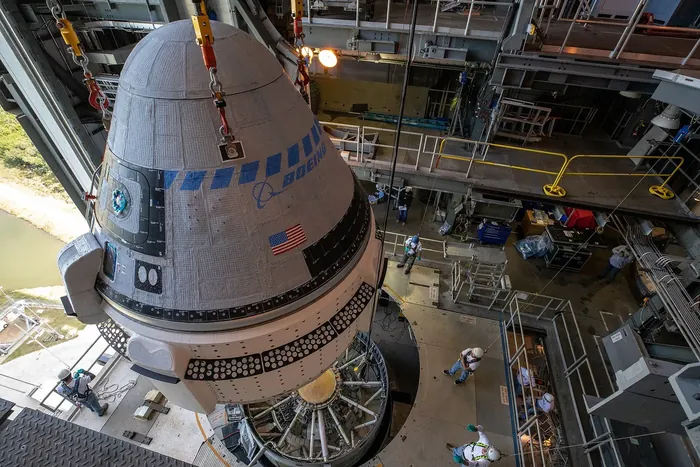
A second, more serious error was found while the capsule was still in orbit. The software governing separation of the service module had the thruster mapping wrong, and if left uncorrected could have driven the discarded module back into the crew capsule during descent. Engineers uploaded a fix in flight, hours before it was needed.
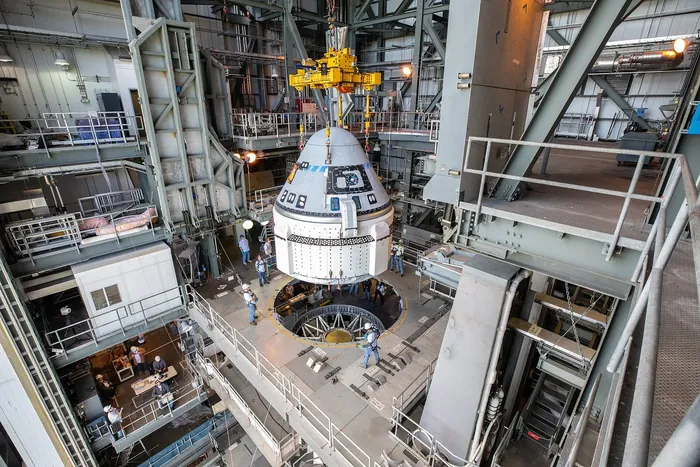
NASA's review classified the flight as a high-visibility close call and issued some eighty corrective actions, most of them concerning software process rather than hardware: insufficient end-to-end testing, verification performed piecemeal, and a review structure that had not caught either defect. Boeing agreed to refly the mission at its own expense.
The capsule landed safely in New Mexico, and the programme spent another two and a half years on the ground. It is a case study in how a fixed-price commercial contract distributes risk — the taxpayer did not pay for the repeat flight, but the schedule slipped by years, and the United States kept buying Soyuz seats in the meantime.