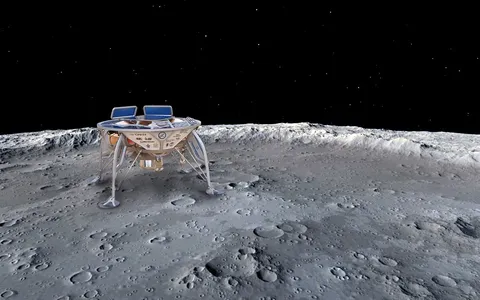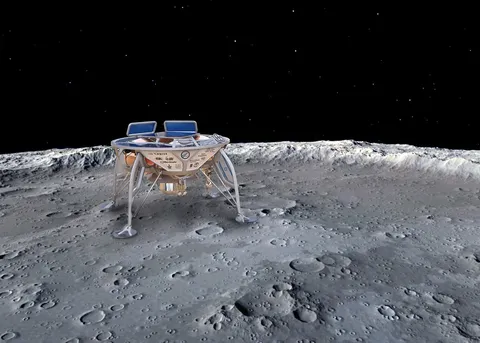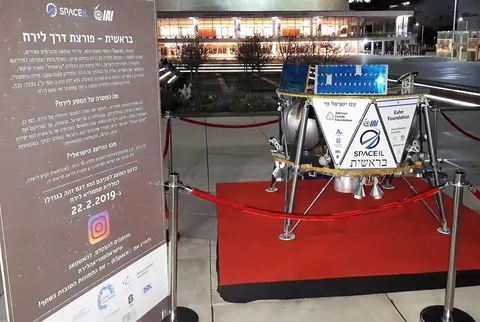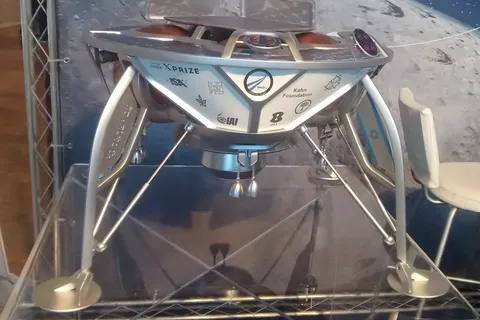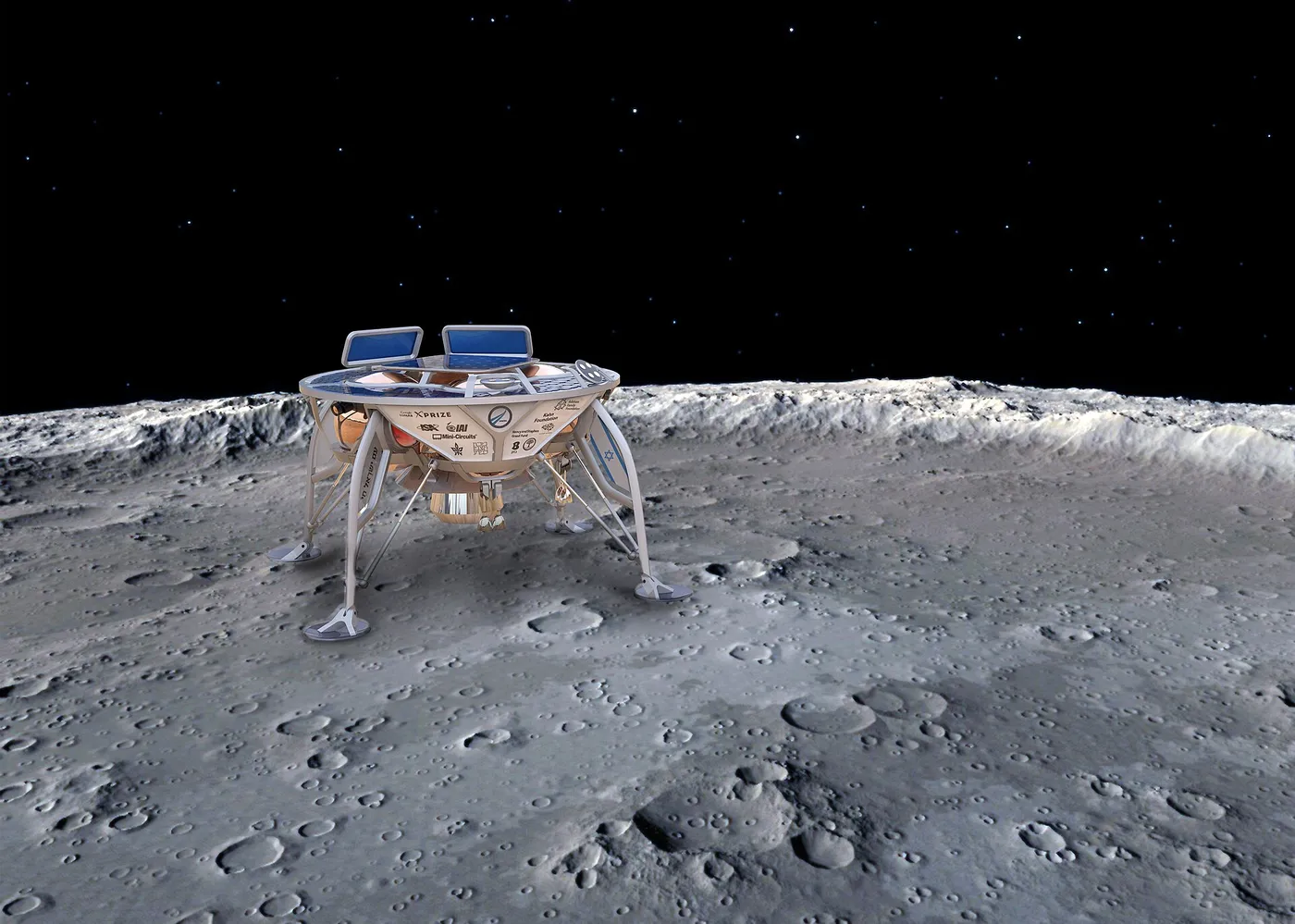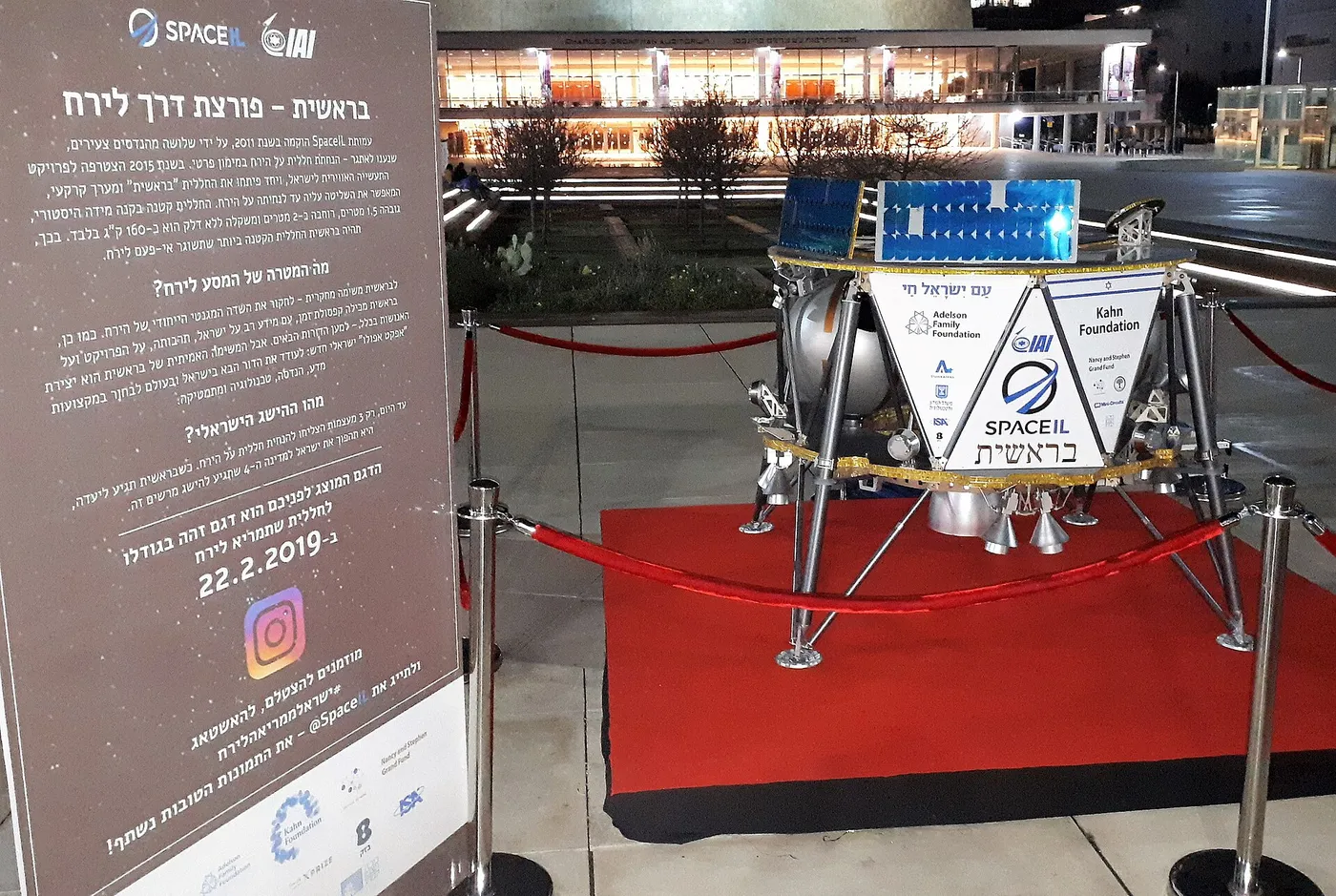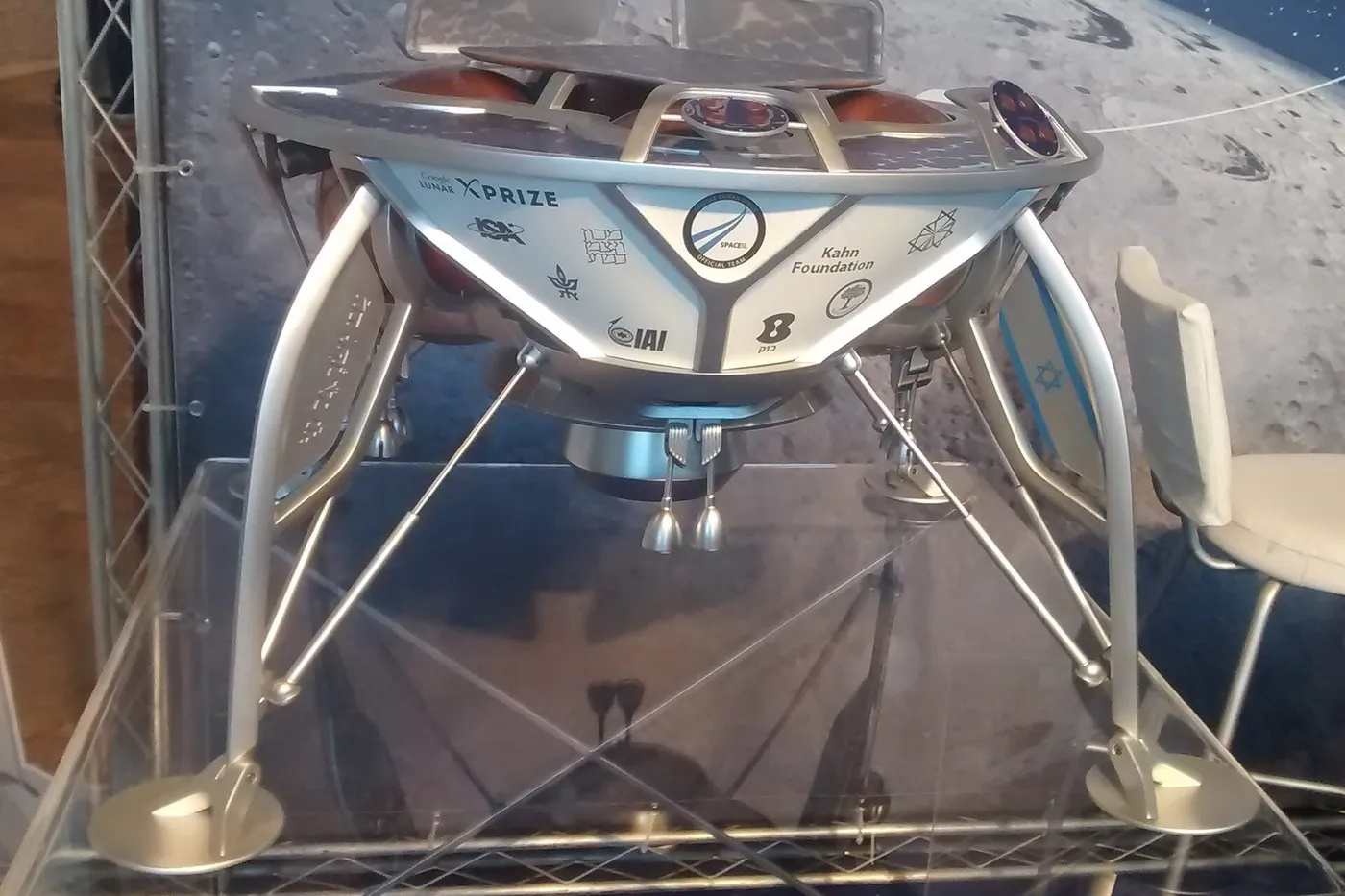
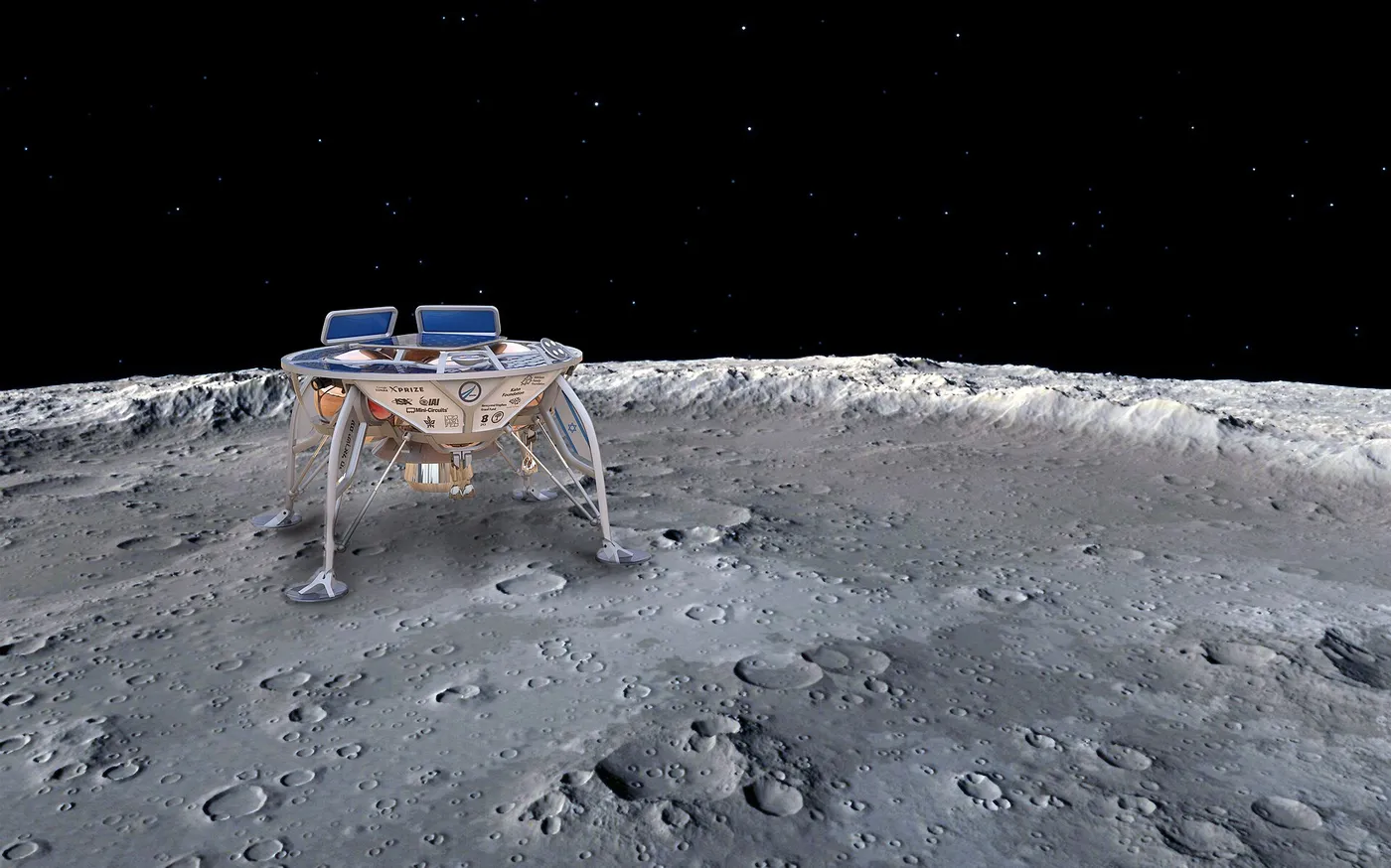

Beresheet began as a competition entry. SpaceIL was founded in 2011 by three young Israeli engineers to compete for the Google Lunar X Prize, which offered $20 million to the first private team to land on the Moon and travel 500 metres. The prize expired unclaimed in 2018; the team kept building anyway, funded largely by philanthropy.
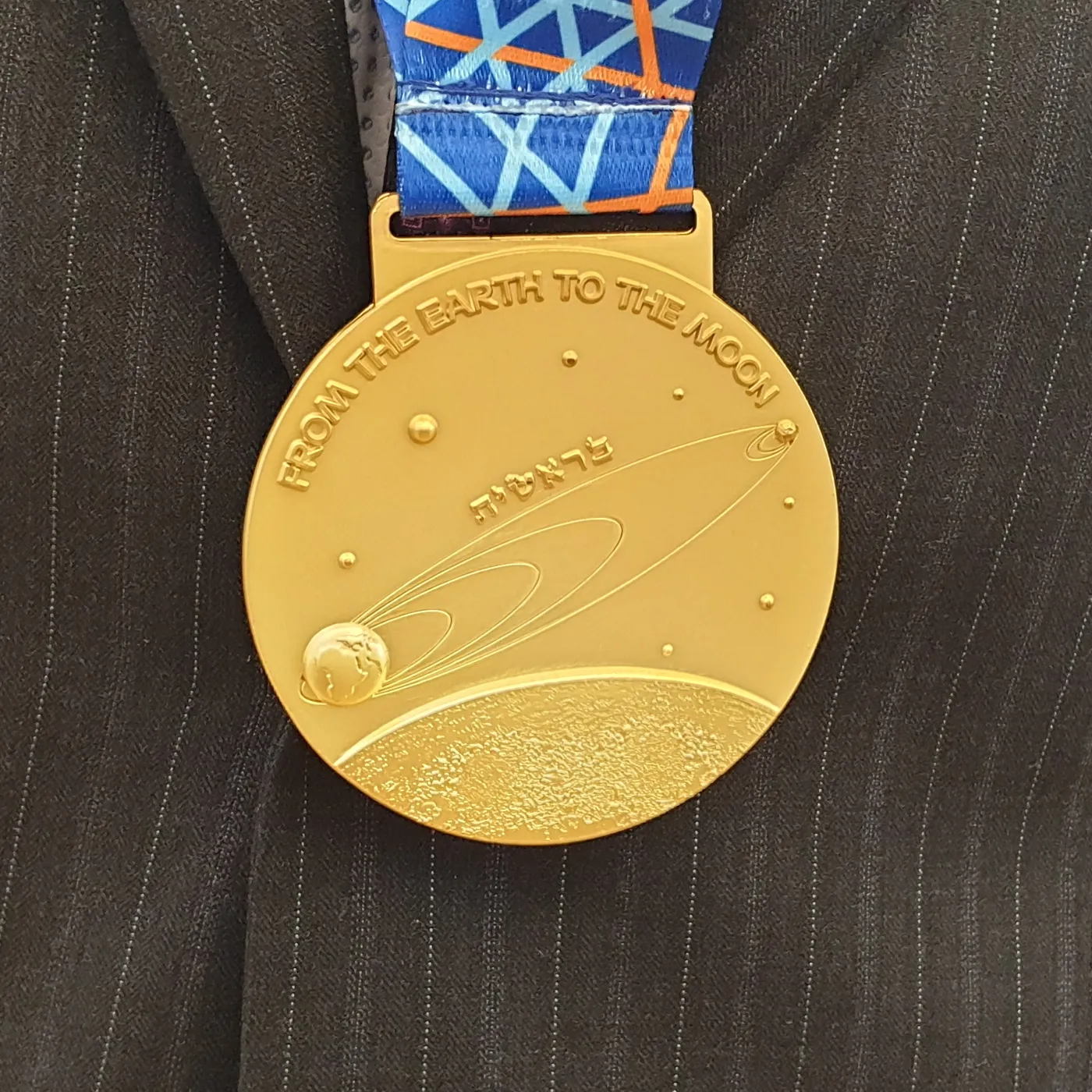
The spacecraft weighed 585 kilograms and flew as a secondary payload on a Falcon 9, which meant it could not be sent directly. It spent seven weeks raising its orbit around Earth in a widening spiral before being captured by the Moon — an approach dictated entirely by economy.
The landing in April 2019 failed in the final minutes. A command sent to address a problem with an inertial measurement unit triggered a chain of resets that shut down the main engine at about fourteen kilometres altitude. Engineers restarted it, but too late to arrest the descent, and the spacecraft struck the surface at some 500 kilometres per hour. Its final transmitted image showed the surface rushing up.
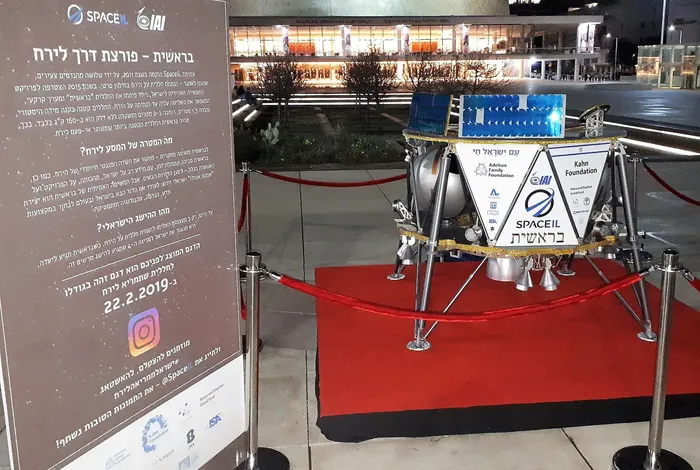
It carried unusual cargo: a nanotechnology archive of some thirty million pages etched onto thin nickel foils, and — added without wide discussion by the archive's sponsors — a quantity of dehydrated tardigrades, the microscopic animals capable of surviving vacuum in a dormant state. Their survival of the crash is unknown and their presence raised genuine planetary protection objections.
Israel became the seventh nation to reach lunar orbit and the fourth to touch the surface, if not gently. The attempt cost about $100 million — a fraction of any government lunar programme — and it marked the beginning of the current era in which private landers, most of them also failing at first, attempt the Moon routinely.