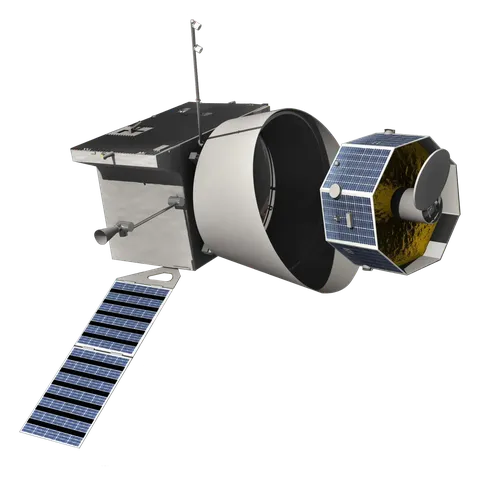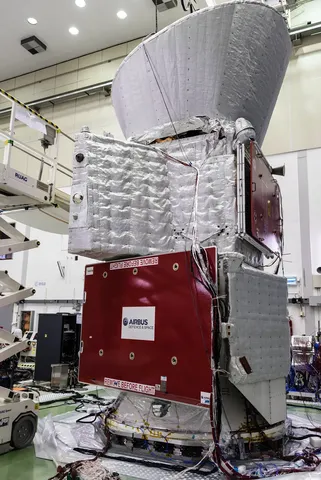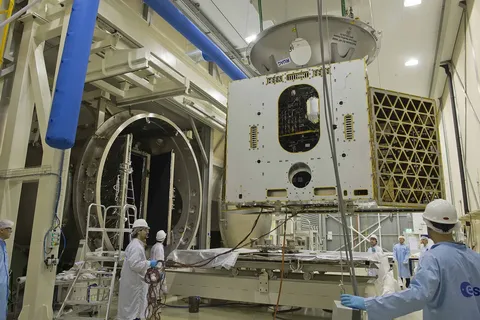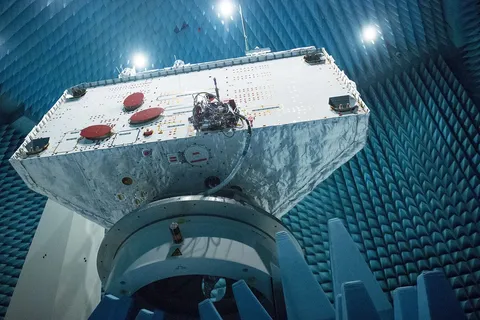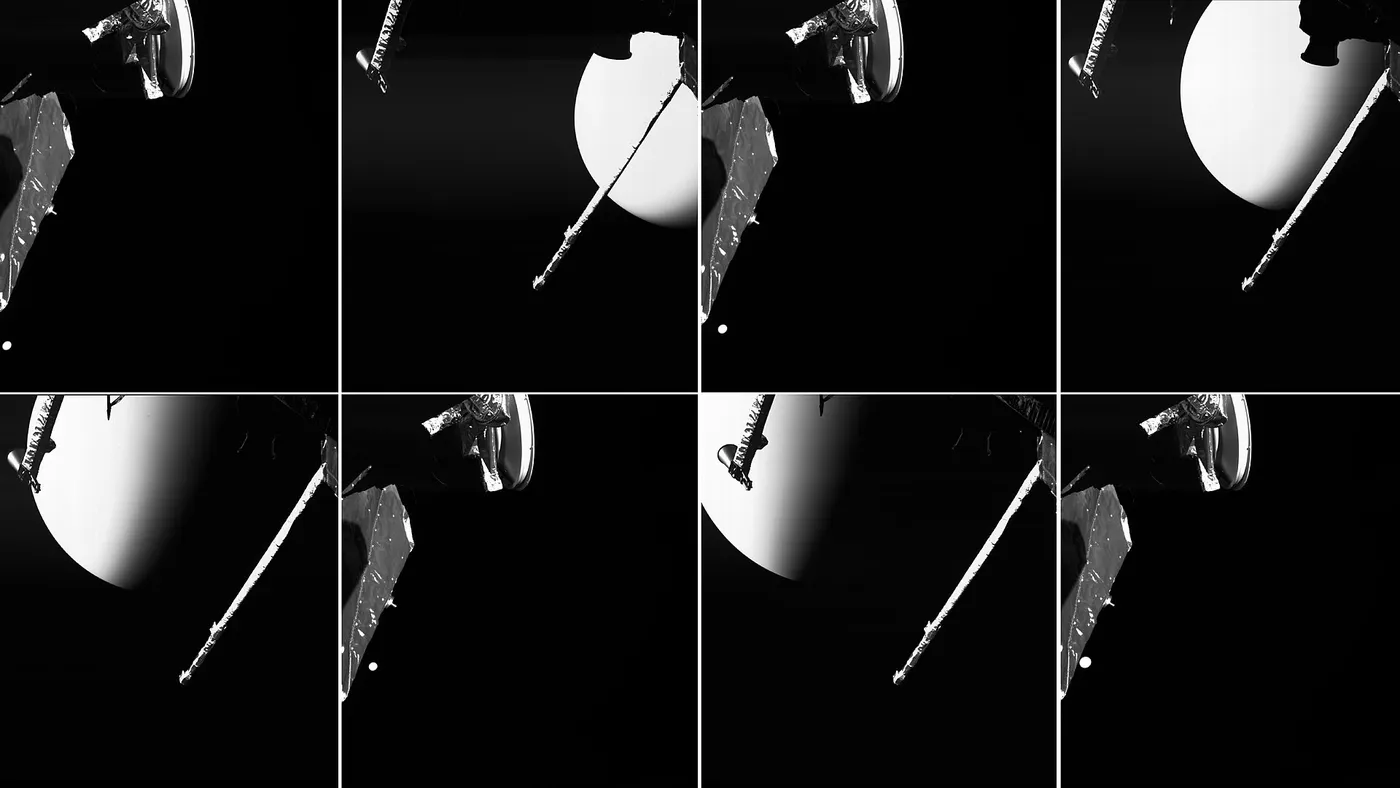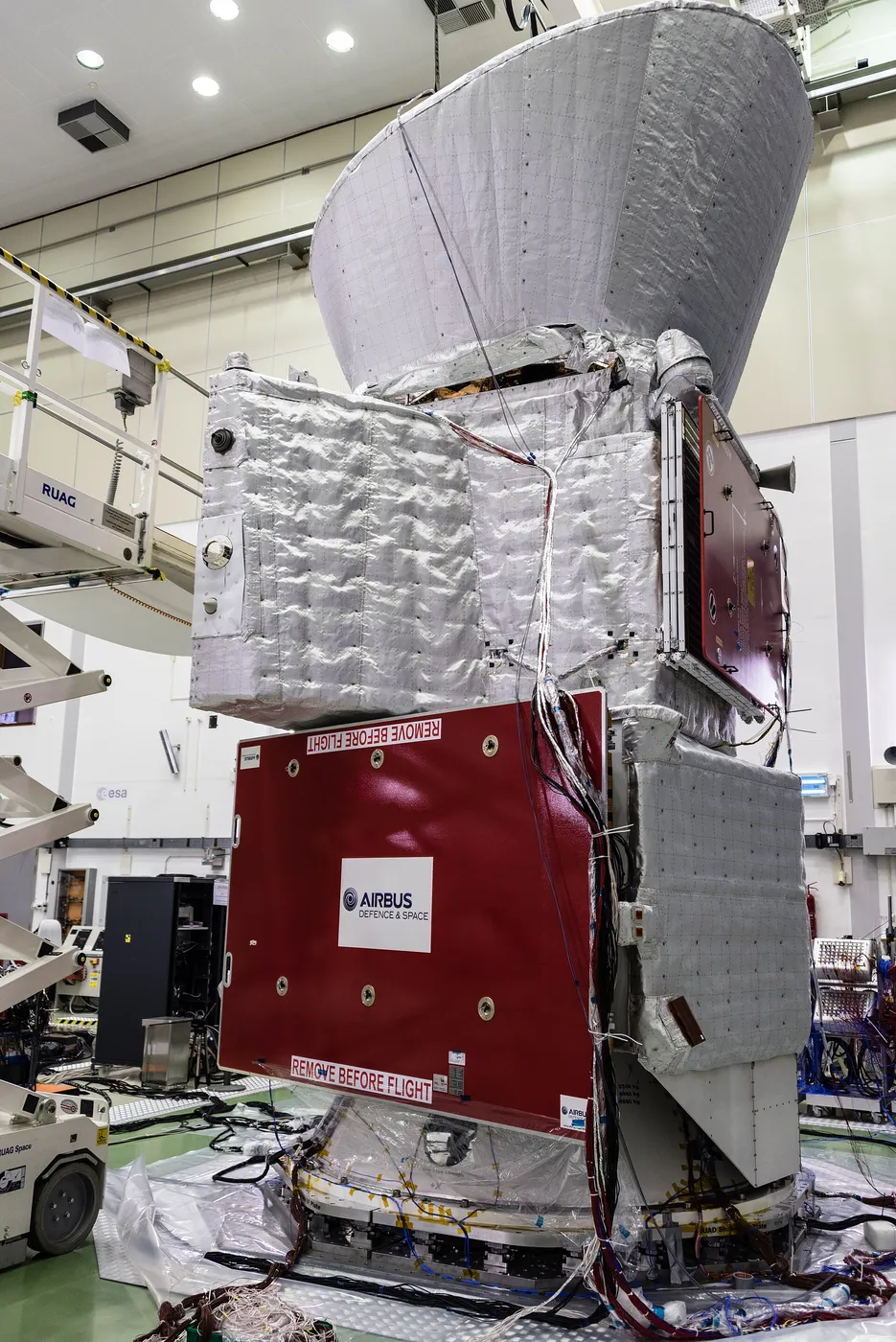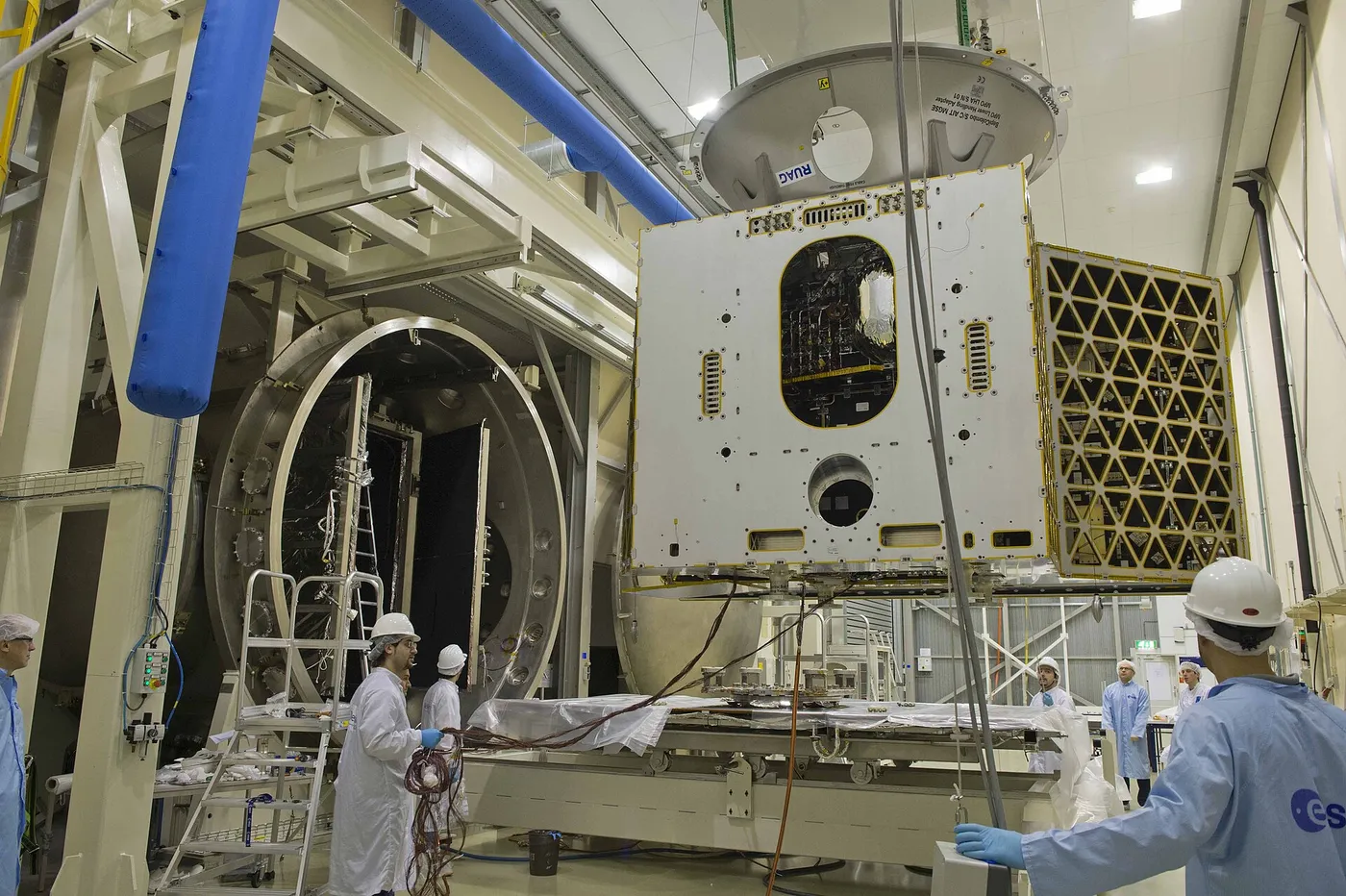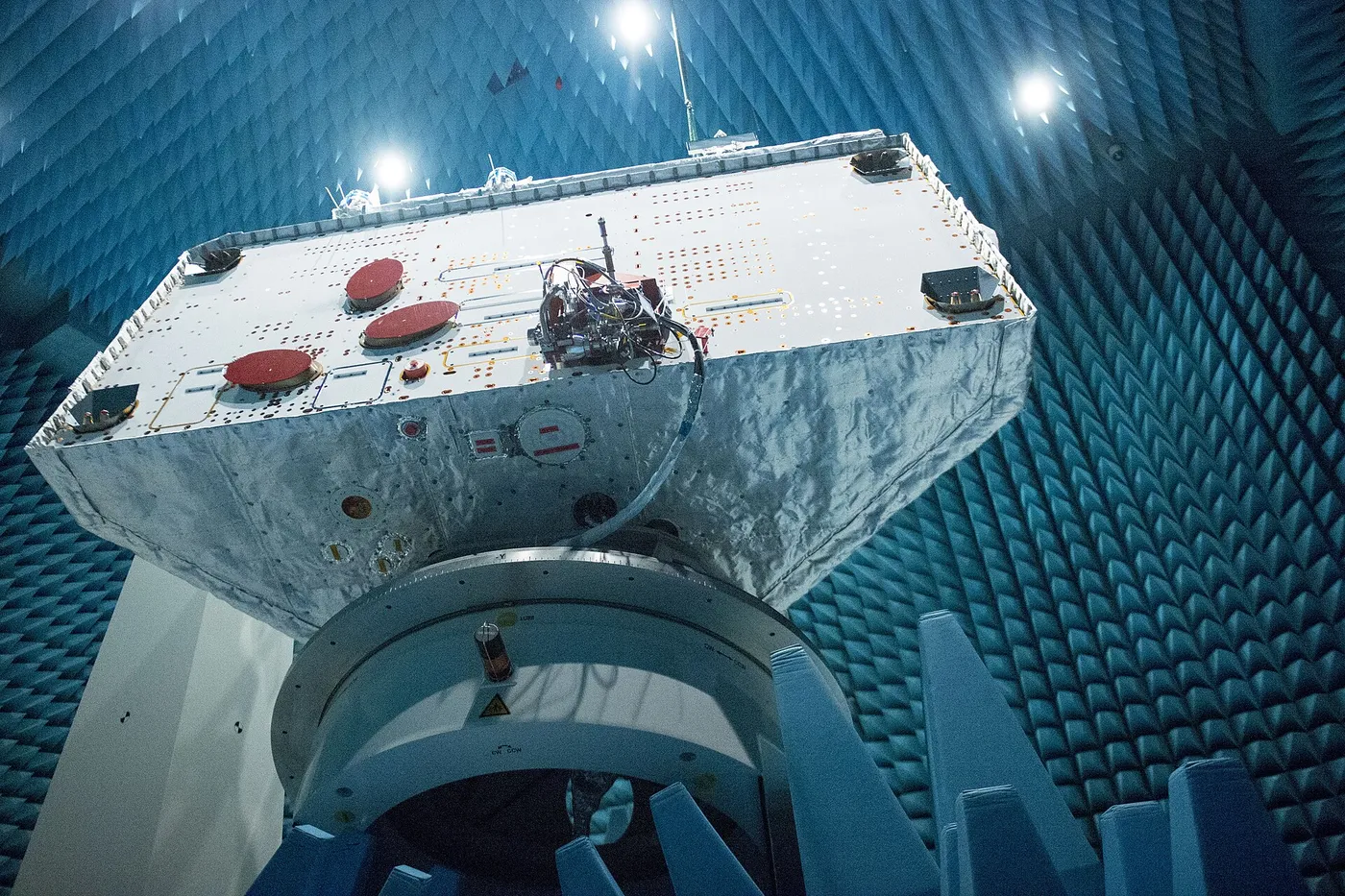
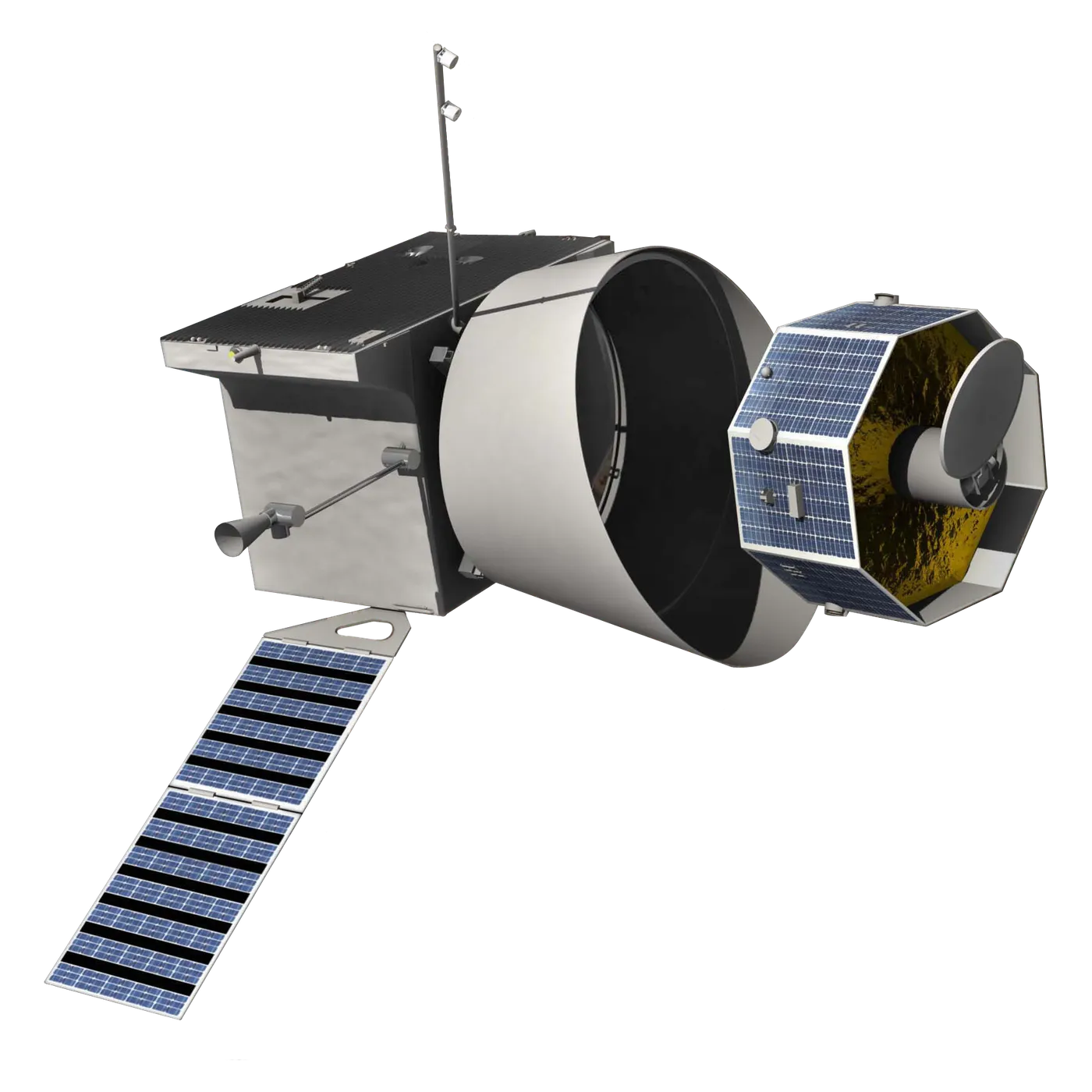

BepiColombo is two spacecraft flying as one. Europe built an orbiter to map Mercury's surface and Japan built another to study its magnetic field, and the pair travel stacked together with a transfer module beneath them, to separate only on arrival — an arrangement that shares the enormous cost of getting there.
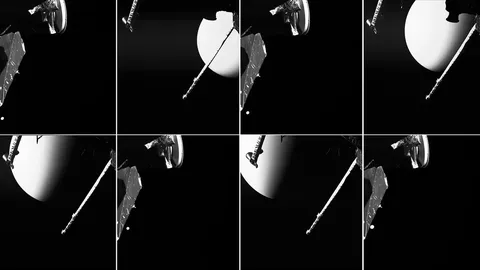
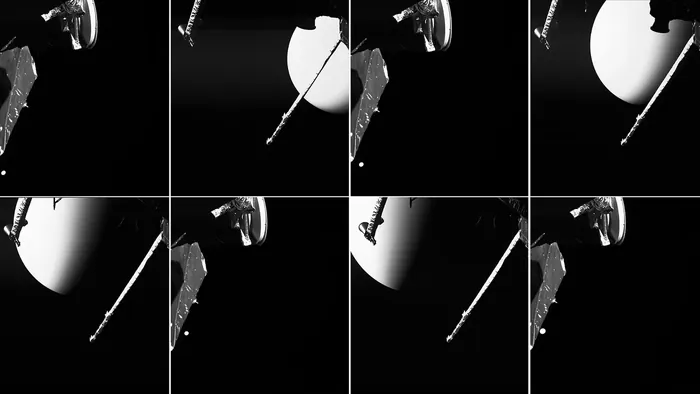
The transfer module uses ion propulsion, and the journey requires nine gravity assists — one at Earth, two at Venus and six at Mercury itself — spread over seven years. The problem, as ever, is that falling towards the Sun means gaining speed, and almost all of the mission's energy budget is spent slowing down.
It is named for Giuseppe Colombo, the Italian mathematician who worked out that Mariner 10 could visit Mercury repeatedly and who explained why the planet rotates three times for every two orbits — a resonance that had puzzled astronomers. Naming the mission after him is a rare and deserved piece of credit for a theorist.
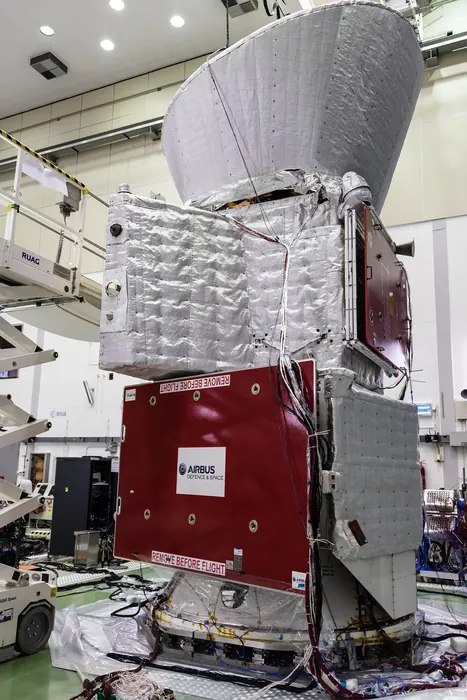
The cruise has not been trouble-free. In 2024 the transfer module's thrusters lost power and could not be restored to full output, and the trajectory had to be redesigned around reduced thrust, pushing arrival from late 2025 to late 2026 — a delay absorbed by finding a new sequence of flybys rather than losing the mission.
Once there, the two orbiters will separate into complementary paths: one low and circular for imaging and composition, one elongated for sampling the magnetosphere. Between them they should answer what MESSENGER left open — why Mercury is so dense, why it retains volatiles it should have lost, and how a small planet sustains a magnetic field at all.