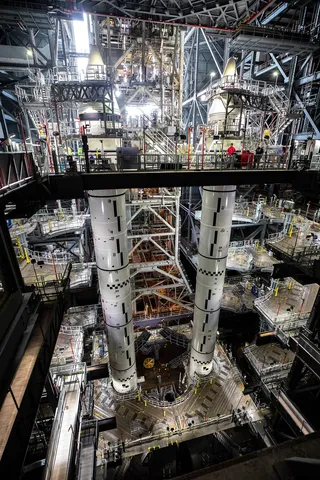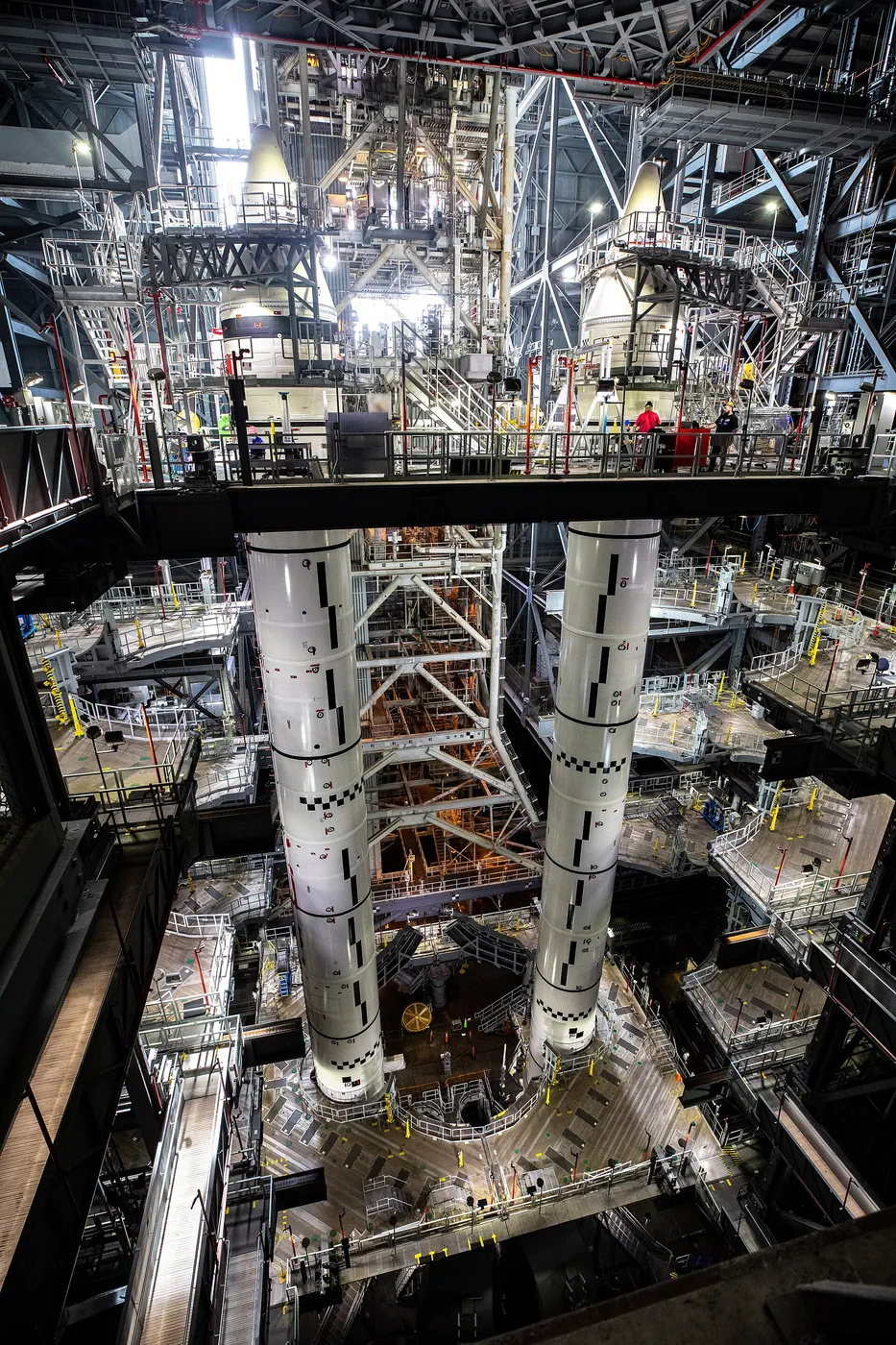
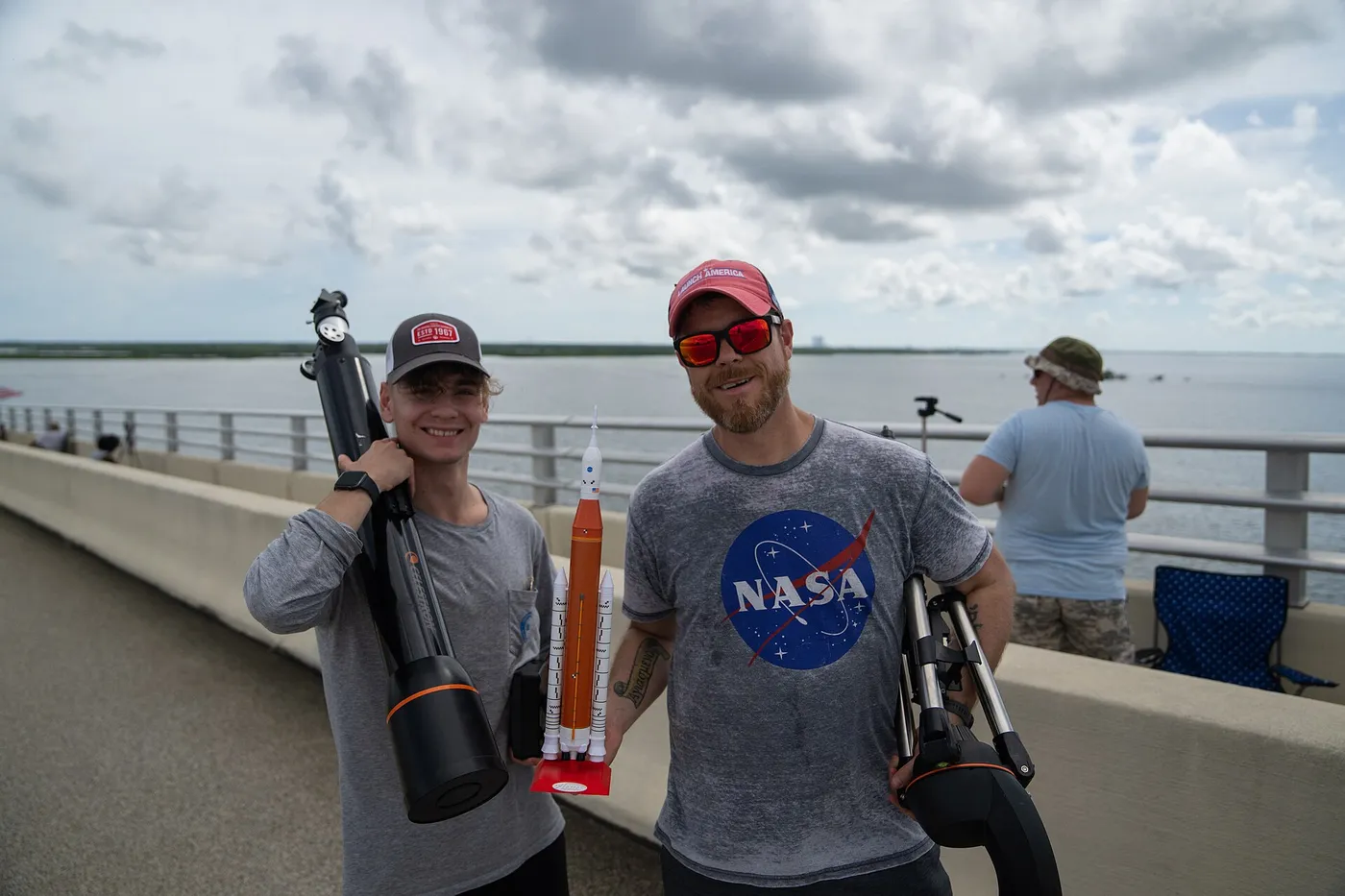
Artemis I was the first flight of the Space Launch System, and it took an extraordinarily long time to reach the pad. Development began in 2011, the first launch was promised for 2016, and the rocket finally flew in November 2022 after two scrubbed attempts for a hydrogen leak and a hurricane that forced a rollback.
The launch itself was close to flawless. The rocket produced around 39 meganewtons of thrust, more than a Saturn V, and delivered an uncrewed Orion on a trajectory to the Moon; the vehicle's performance was sufficiently accurate that the mission had propellant to spare.
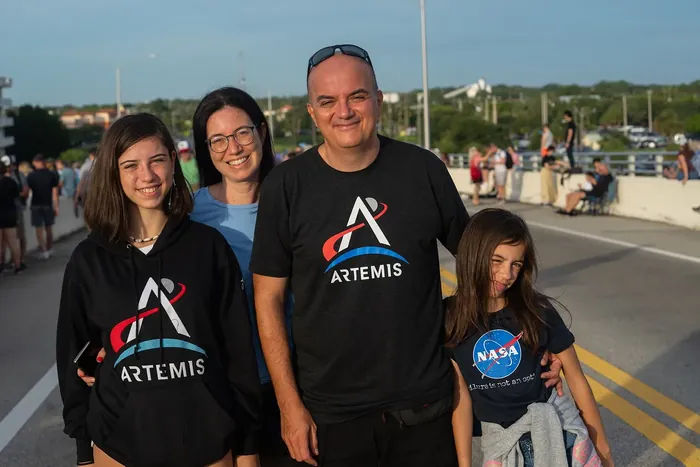
Orion spent 25 days in flight, entering a distant retrograde orbit around the Moon and reaching some 432,000 kilometres from Earth — the farthest any spacecraft designed to carry humans has ever travelled. It returned images of the Earth seen past the lunar limb that consciously echoed Apollo 8, taken by a vehicle with empty seats.
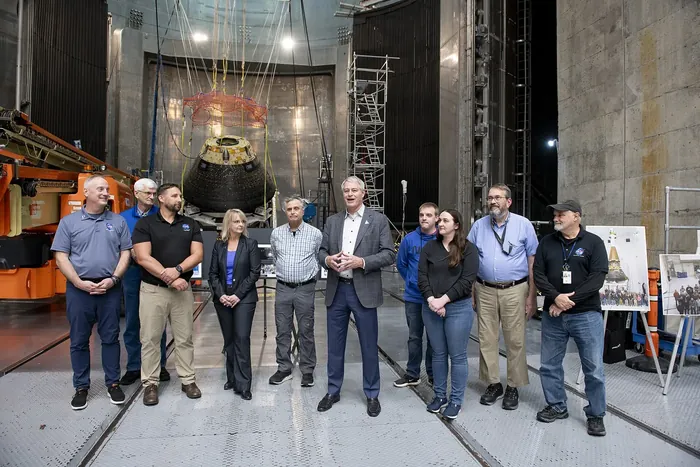
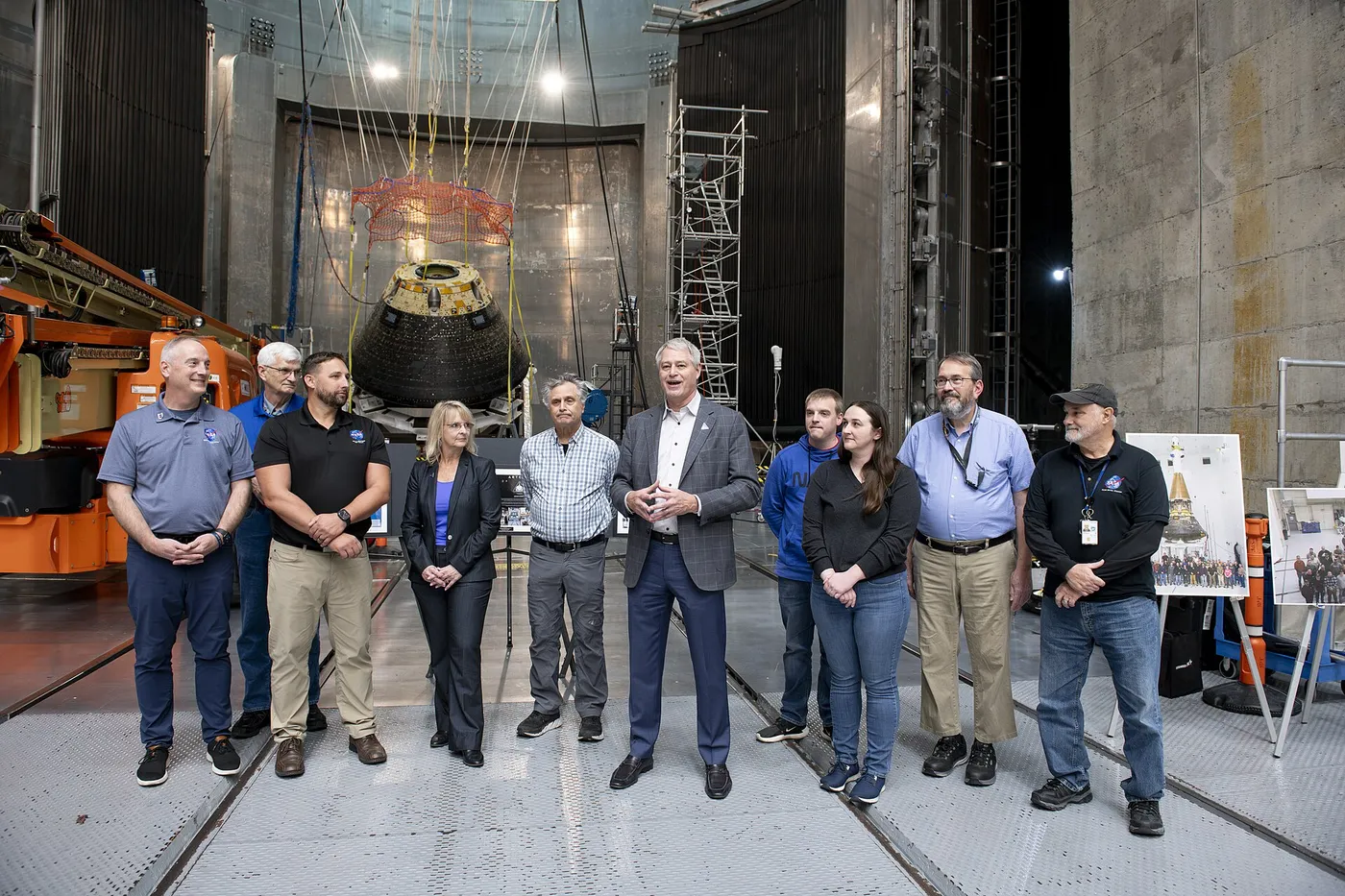
The re-entry was the real test, at nearly 40,000 kilometres per hour, and the heat shield brought the capsule home safely. Post-flight inspection then found something unexpected: the ablative material had eroded unevenly, with chunks of char liberating rather than wearing away smoothly, in a way the models had not predicted.
Understanding that took two years and delayed the crewed follow-on substantially. The cause was traced to gases building up within the shield material during the particular skip-entry profile flown, and the next mission's trajectory was adjusted rather than the shield redesigned — a decision that has been debated publicly, and which will be tested with people aboard.