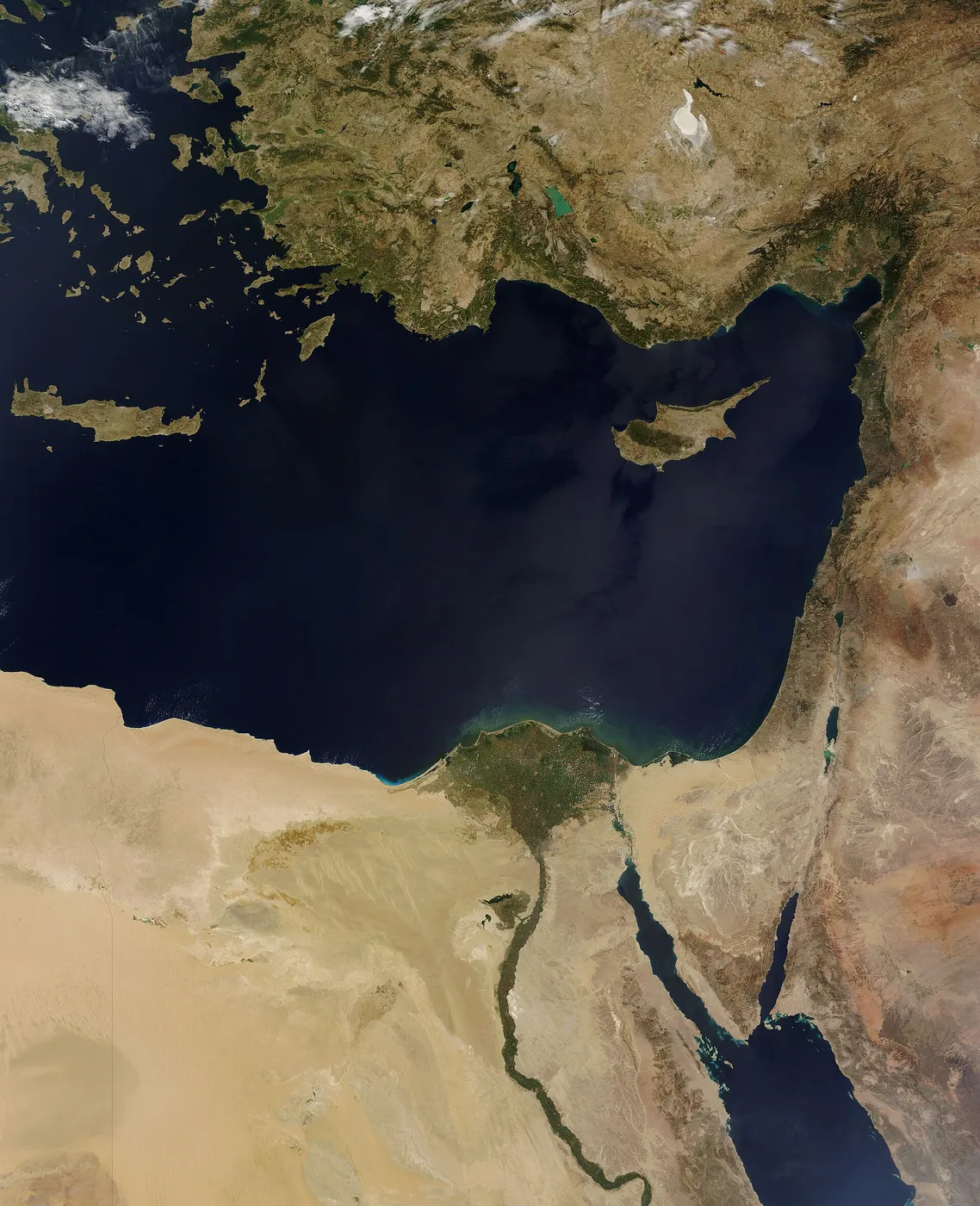

Aqua was built to study the water cycle, and it flies in an afternoon orbit deliberately paired with Terra's morning one — the two together sampling each location twice a day and capturing the daily cycle of clouds, temperature and surface conditions.
Its most operationally valuable instrument is an infrared sounder that measures atmospheric temperature and humidity in vertical profile with accuracy comparable to a radiosonde balloon. Assimilating those profiles into weather models produced one of the largest single improvements in forecast skill of the satellite era.
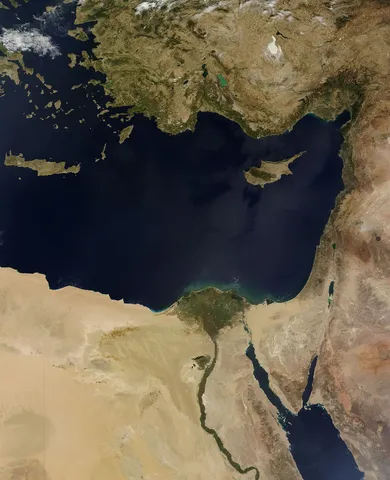
It also carries a MODIS imager identical to Terra's, doubling the frequency of the global observations used for fire detection, vegetation monitoring and sea-surface temperature, and a microwave radiometer that measures rainfall, soil moisture and sea ice through cloud.
The satellite became the anchor of the A-Train, a formation of spacecraft flying minutes apart in the same orbit so that their different instruments observe the same scene almost simultaneously — a distributed observatory assembled from separately funded missions.
Designed for six years, it has operated for well over twenty. Its orbit has been allowed to drift as propellant ran out, which degrades the consistency of the record but extends it, and its instruments continue to feed operational weather forecasting worldwide.