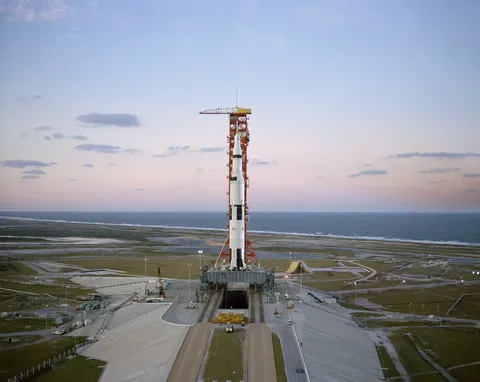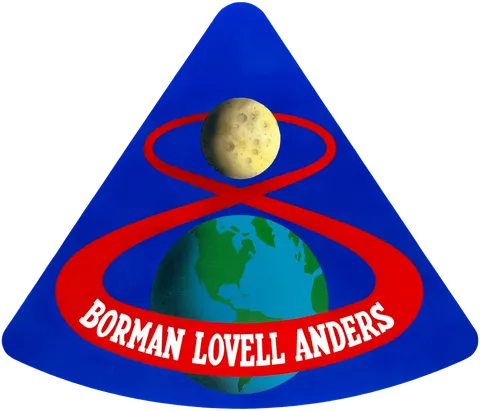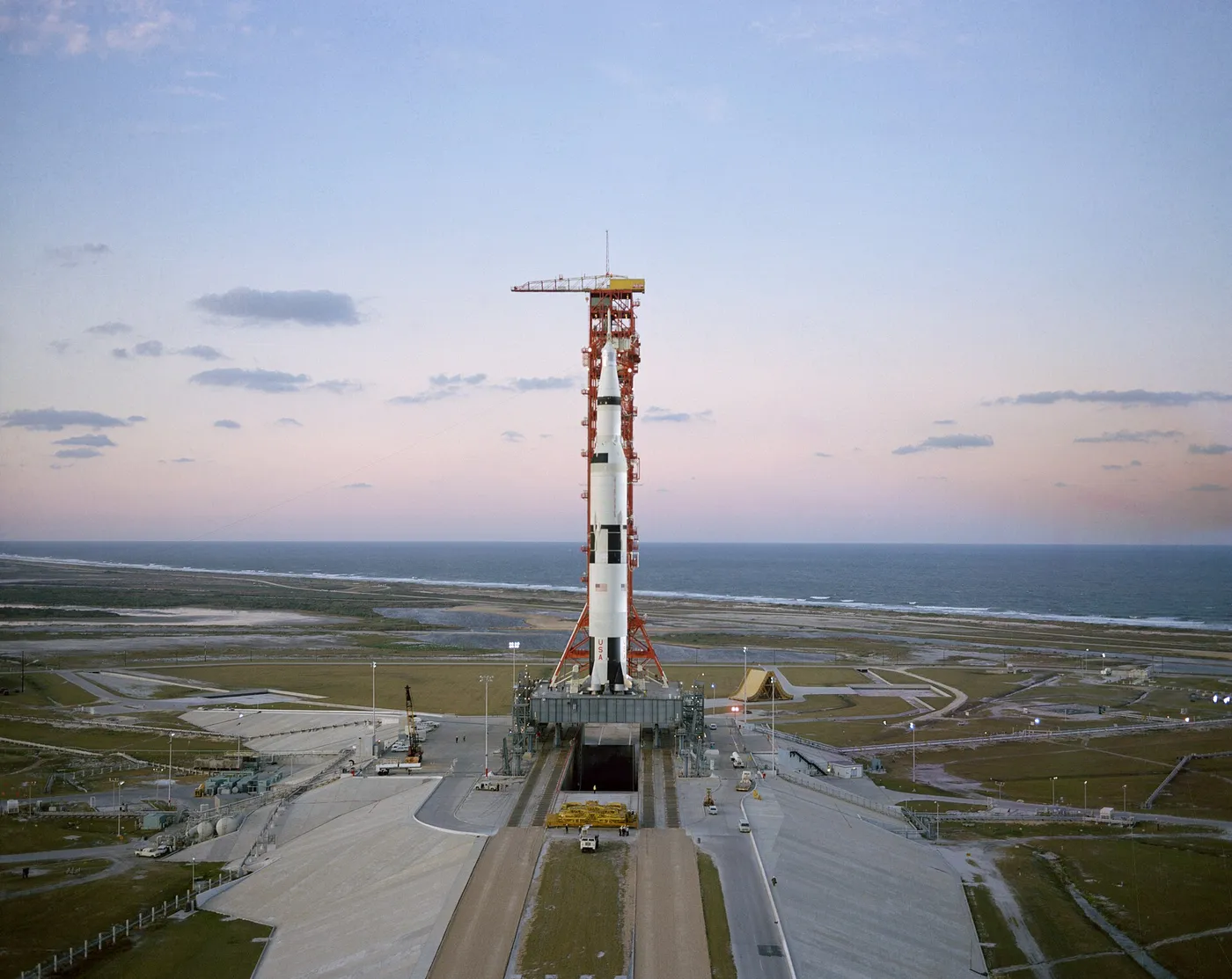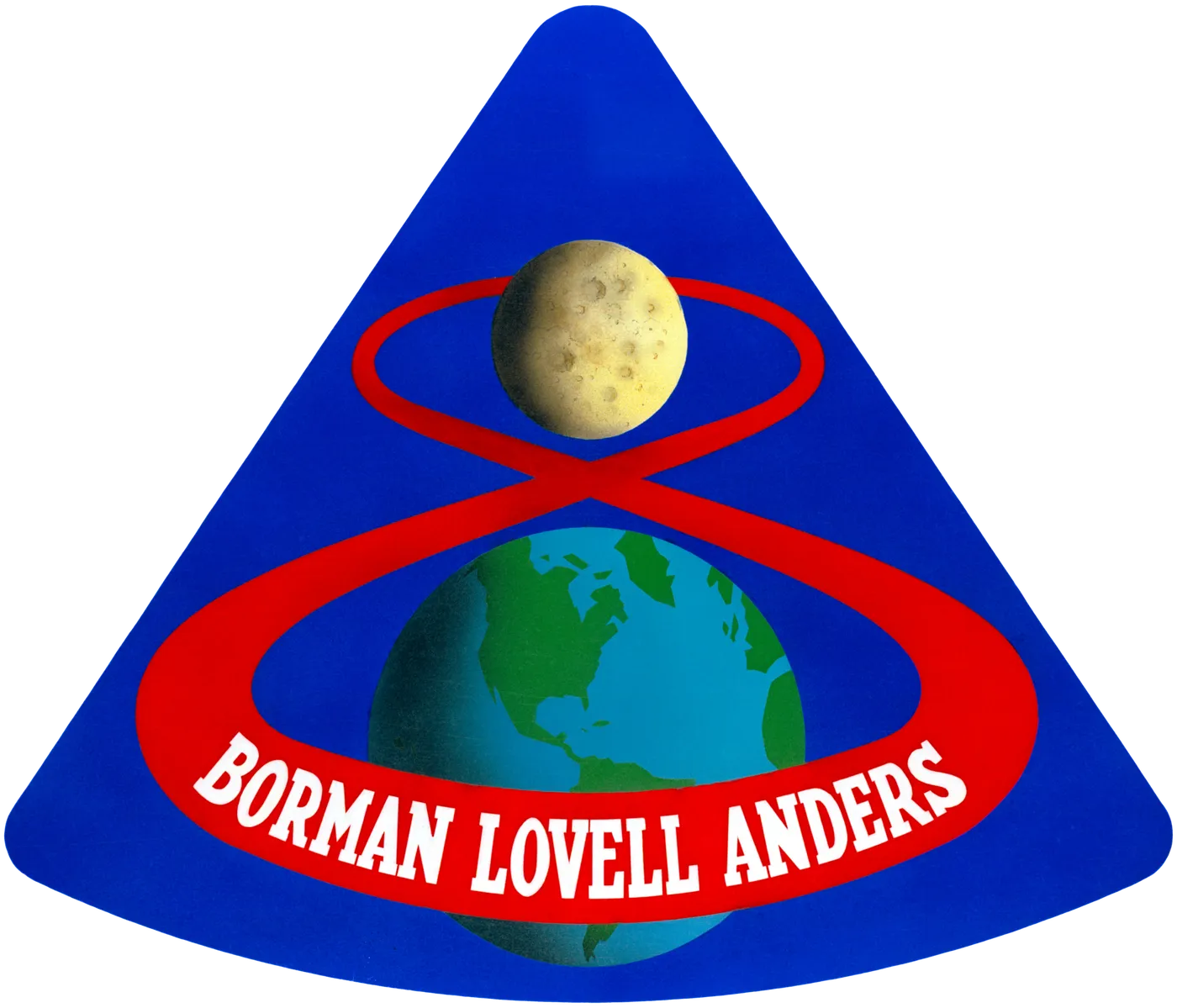
Apollo 8 began as an improvisation. The lunar module was running badly late, leaving the next Saturn V with nothing to carry, and intelligence reports suggested the Soviets were preparing to loop a cosmonaut around the Moon. In August 1968 NASA managers took a decision of startling boldness: rather than waste the flight in Earth orbit, send Frank Borman, Jim Lovell and Bill Anders to the Moon itself — on only the third flight of a rocket that had shaken itself half to pieces on its last outing, and the first ever to carry a crew.
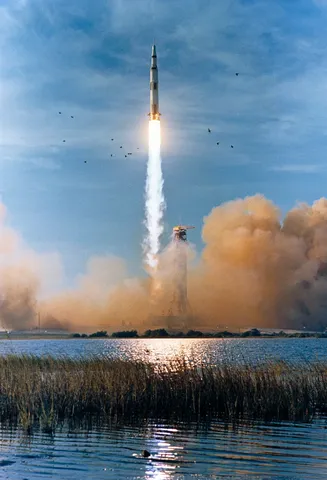
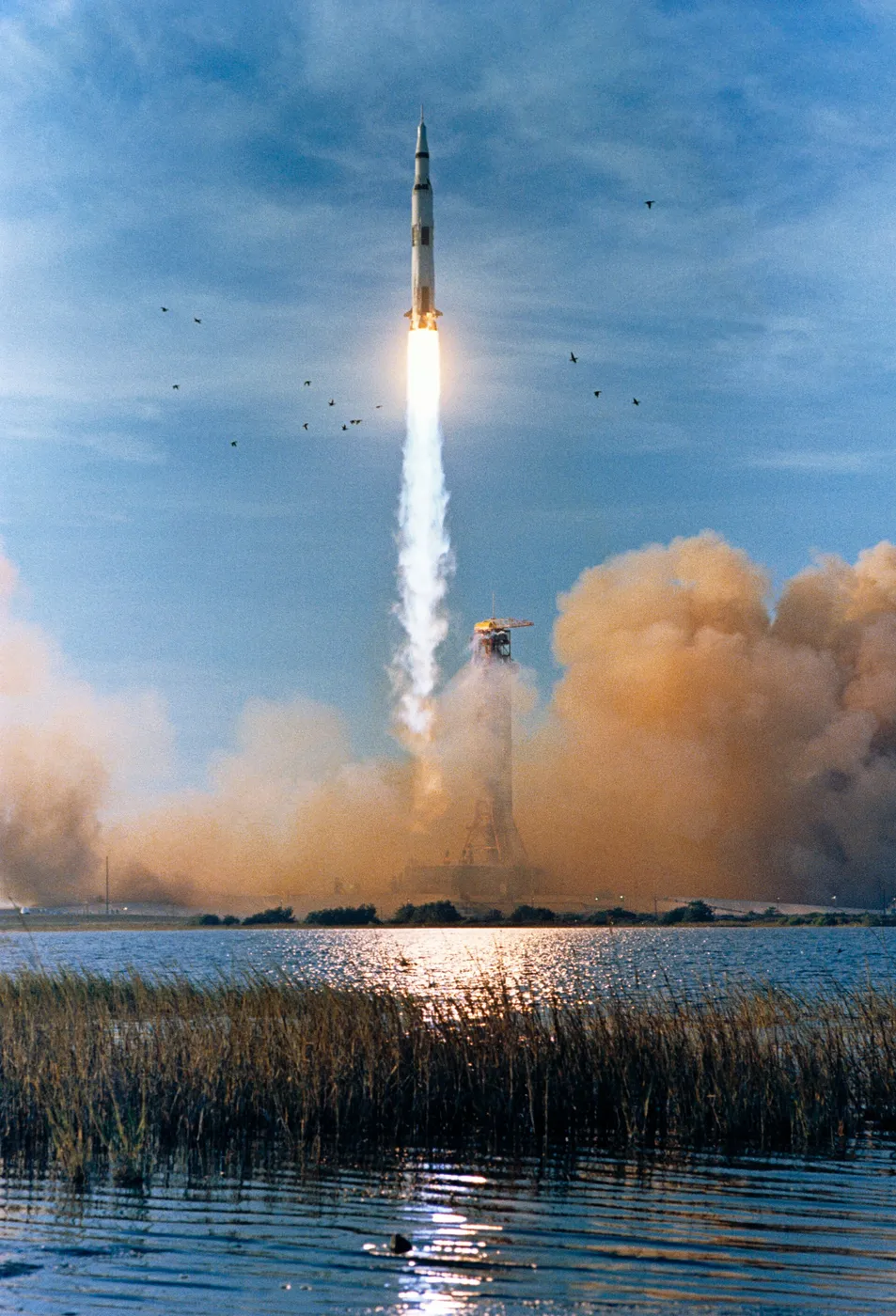
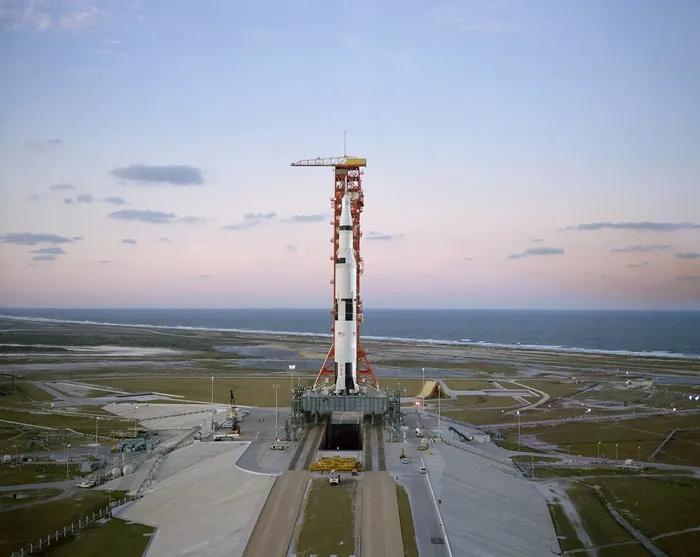
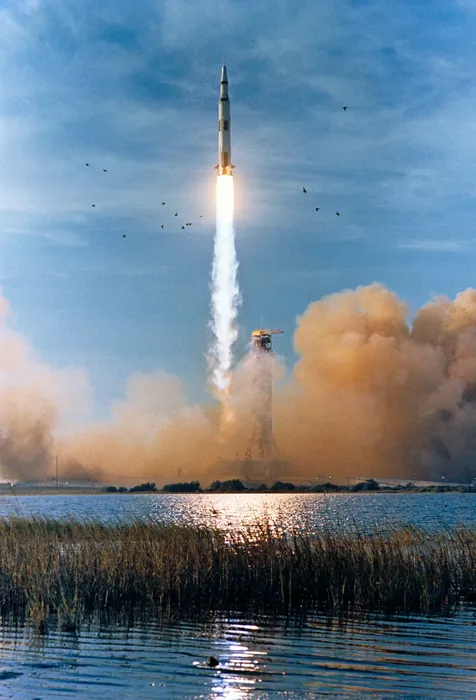
The odds were not hidden from anyone. Borman's wife Susan quietly asked the astronaut office what his real chances were and made her peace with the answer; NASA asked the crew to record messages in case they were stranded in lunar orbit, and a speech was drafted for the President in the event they could not come home. On 21 December the Saturn V lit and worked perfectly, and for the first time human beings left Earth's gravitational grip.
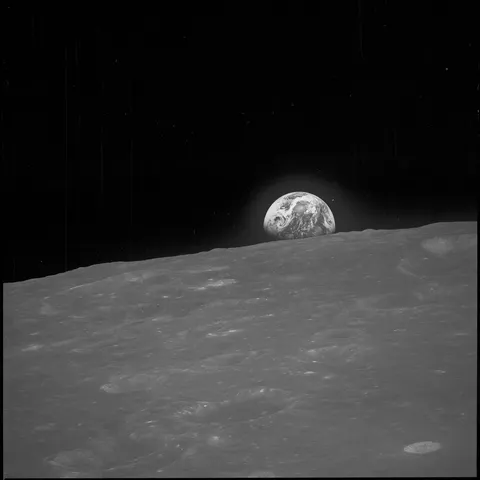
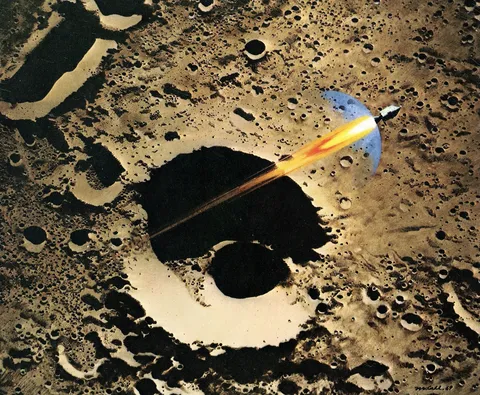
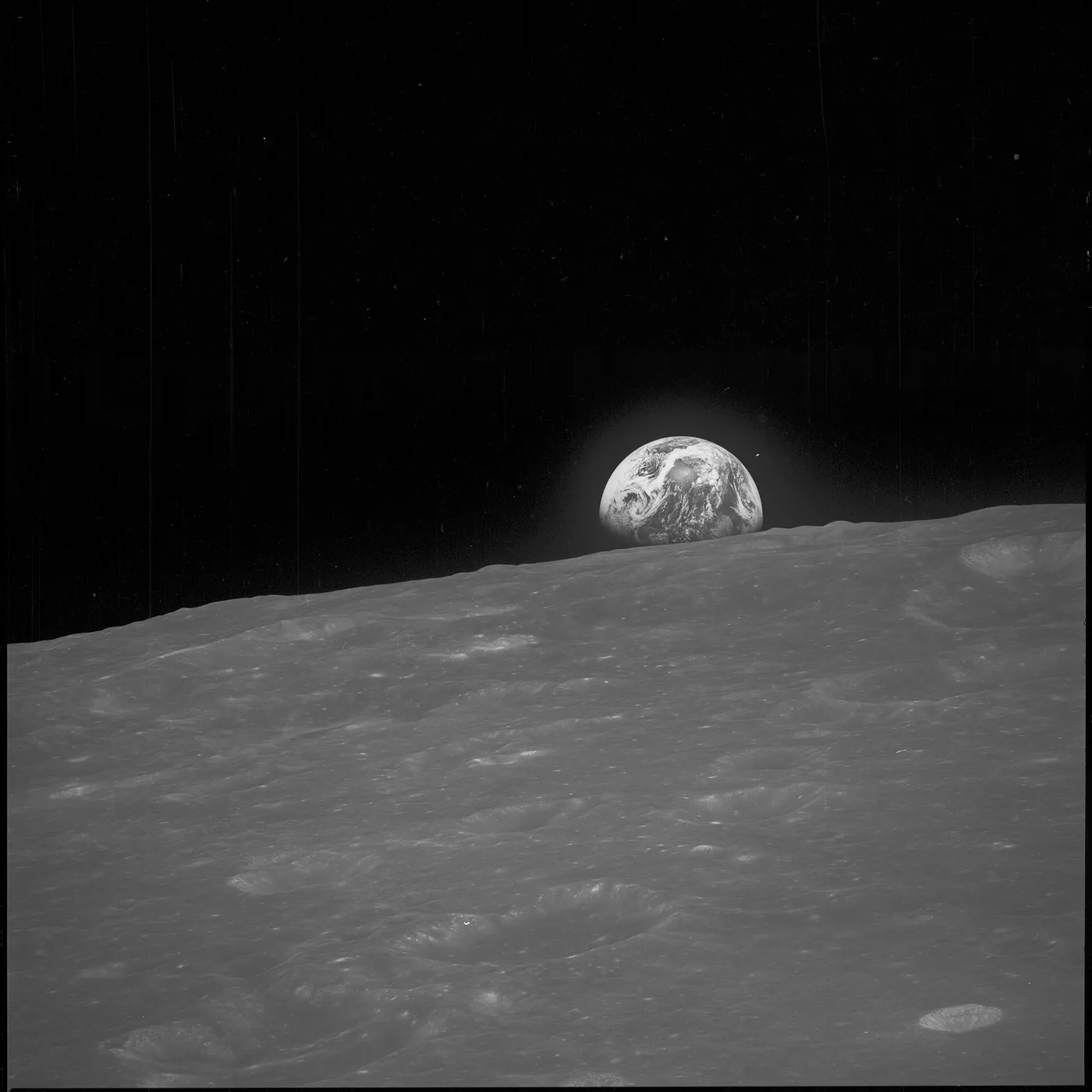
Three days out they slid behind the Moon and lost contact, then emerged in orbit around another world. What they saw was not the triumph they had rehearsed. The lunar surface up close was grey, battered and lifeless — “a vast, lonely, forbidding expanse of nothing,” as Lovell put it. Then on the fourth orbit the spacecraft's attitude brought the Earth up over the lunar horizon, and Anders scrambled for colour film to catch it: a small blue-and-white marble hanging in absolute black.
That photograph, Earthrise, did more for the environmental movement than any mission plan intended, and Anders summed it up afterwards with the line that outlived everything else about the flight — that they had come all this way to explore the Moon, and the most important thing was that they discovered the Earth. On Christmas Eve the three men read the opening of Genesis to the largest television audience that had ever existed, ending with a wish for good Earth from the crew of Apollo 8.
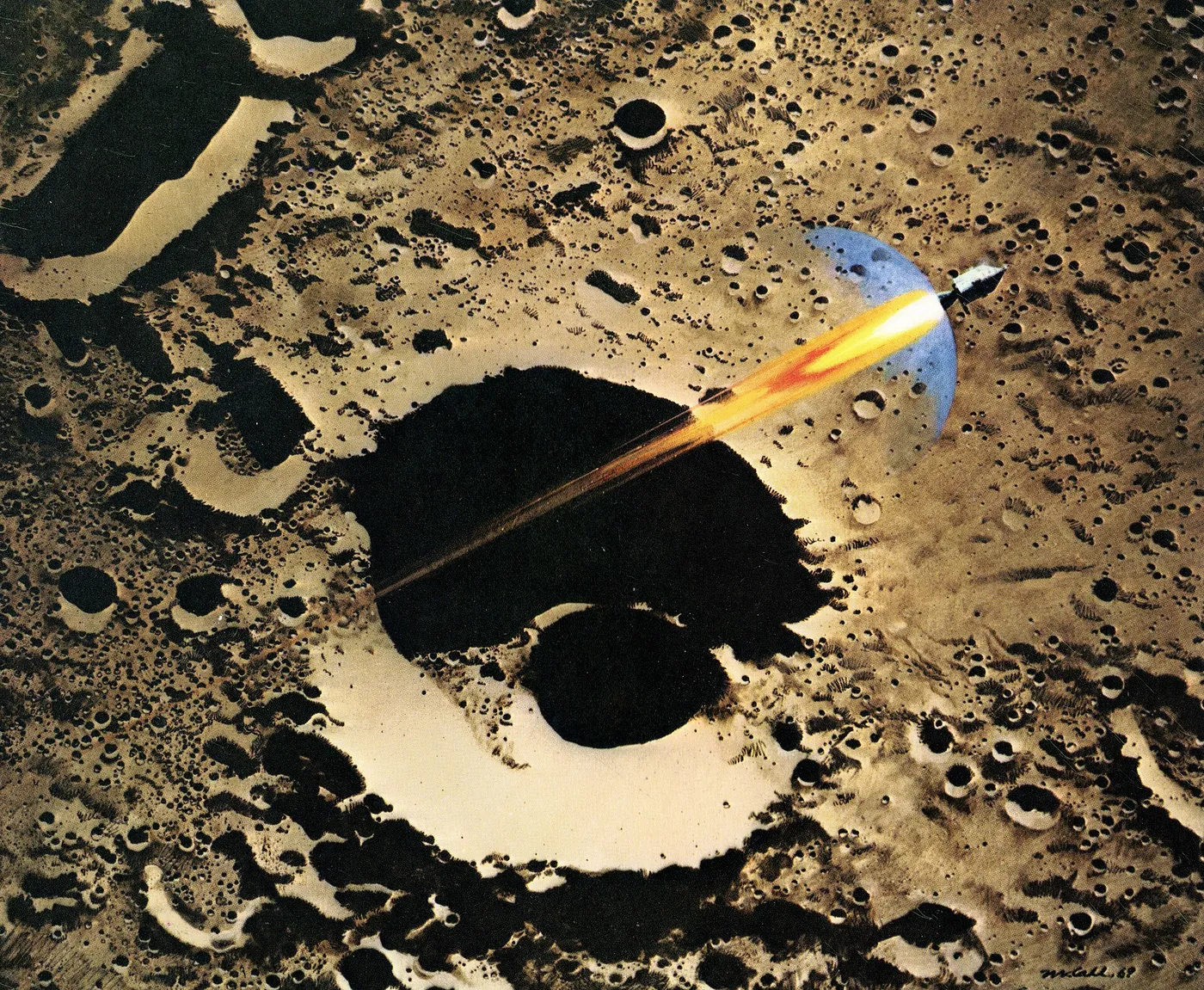
The burn to come home was the loneliest ten minutes of the space age, fired out of contact behind the Moon with a single engine that had to work. When they came round the limb Lovell's first words to Houston were that they should be informed there is a Santa Claus. They splashed down on 27 December, closing a year of assassinations and riots with something unambiguously hopeful; among the mail waiting for Borman was a telegram from a stranger that read simply, “You saved 1968.”