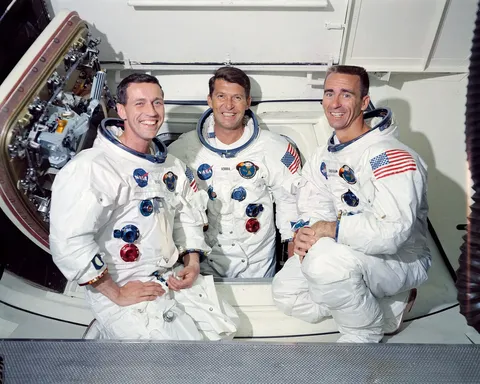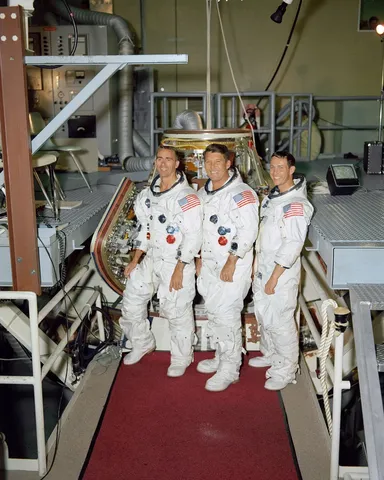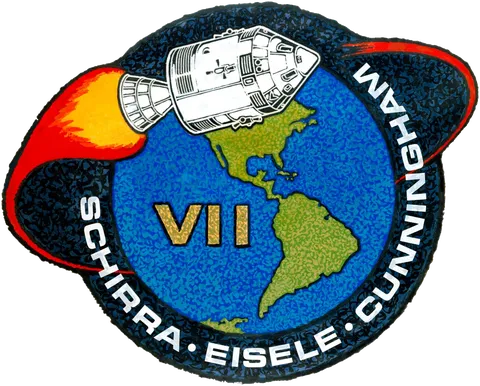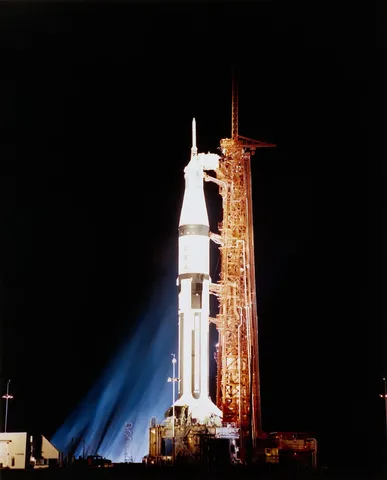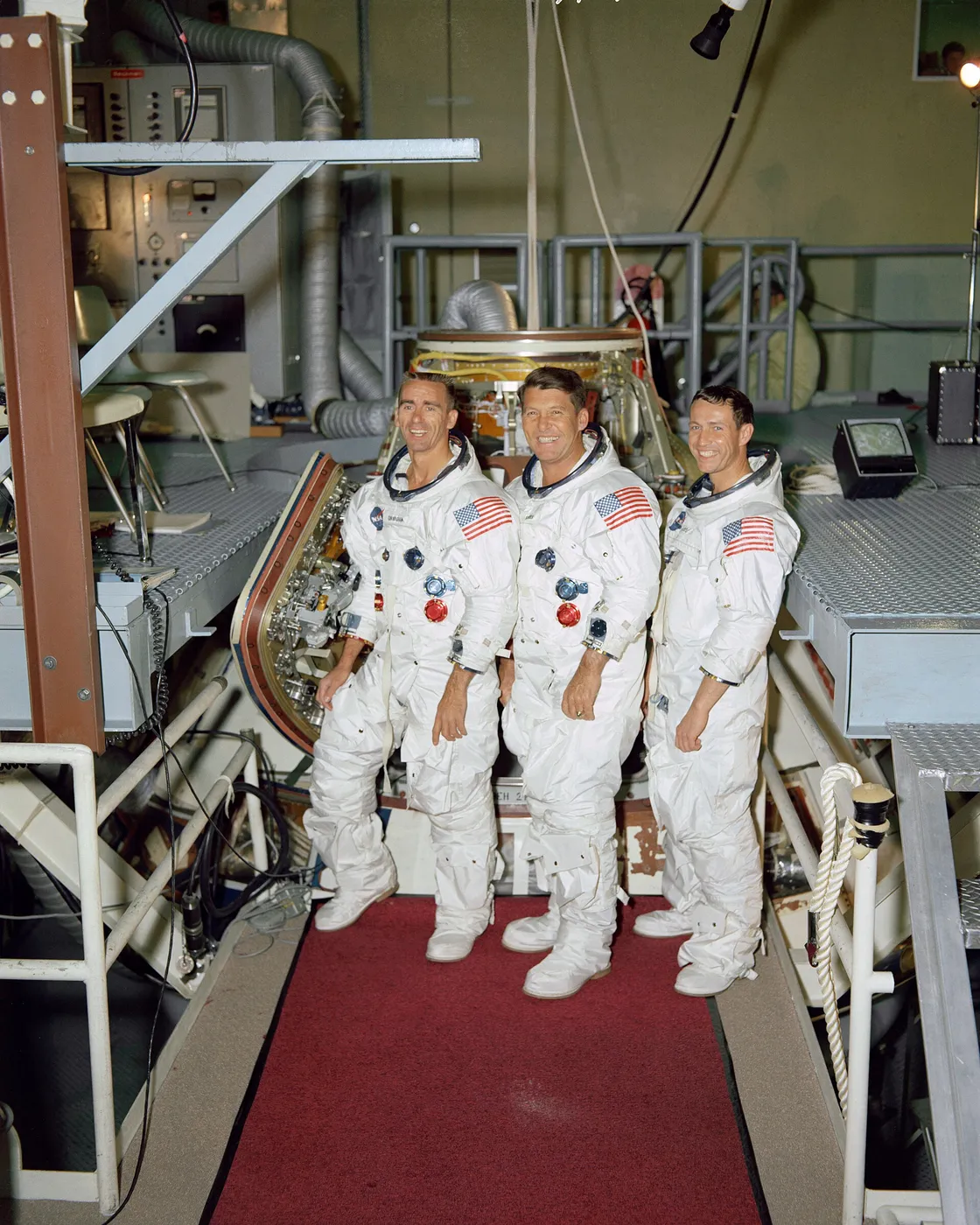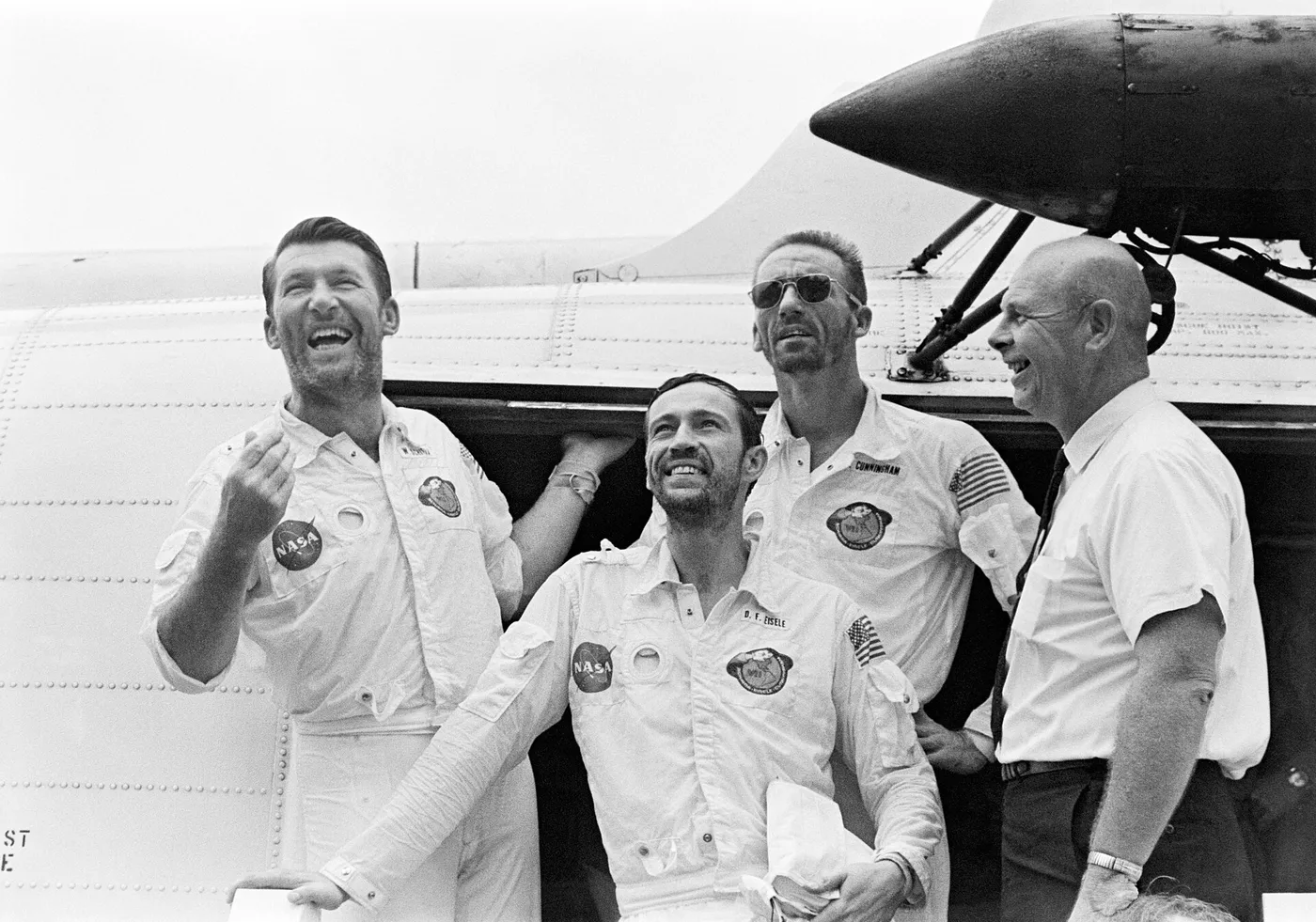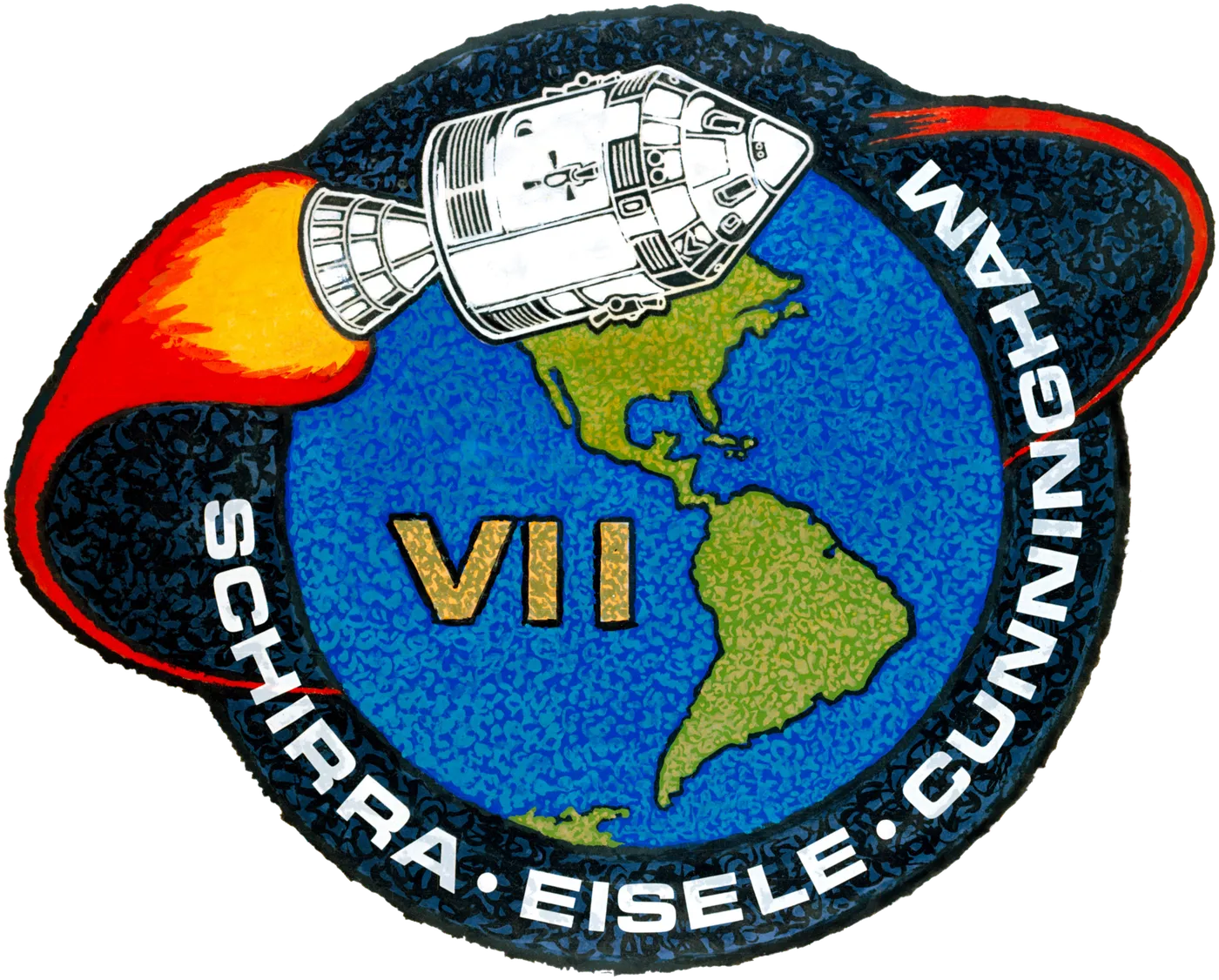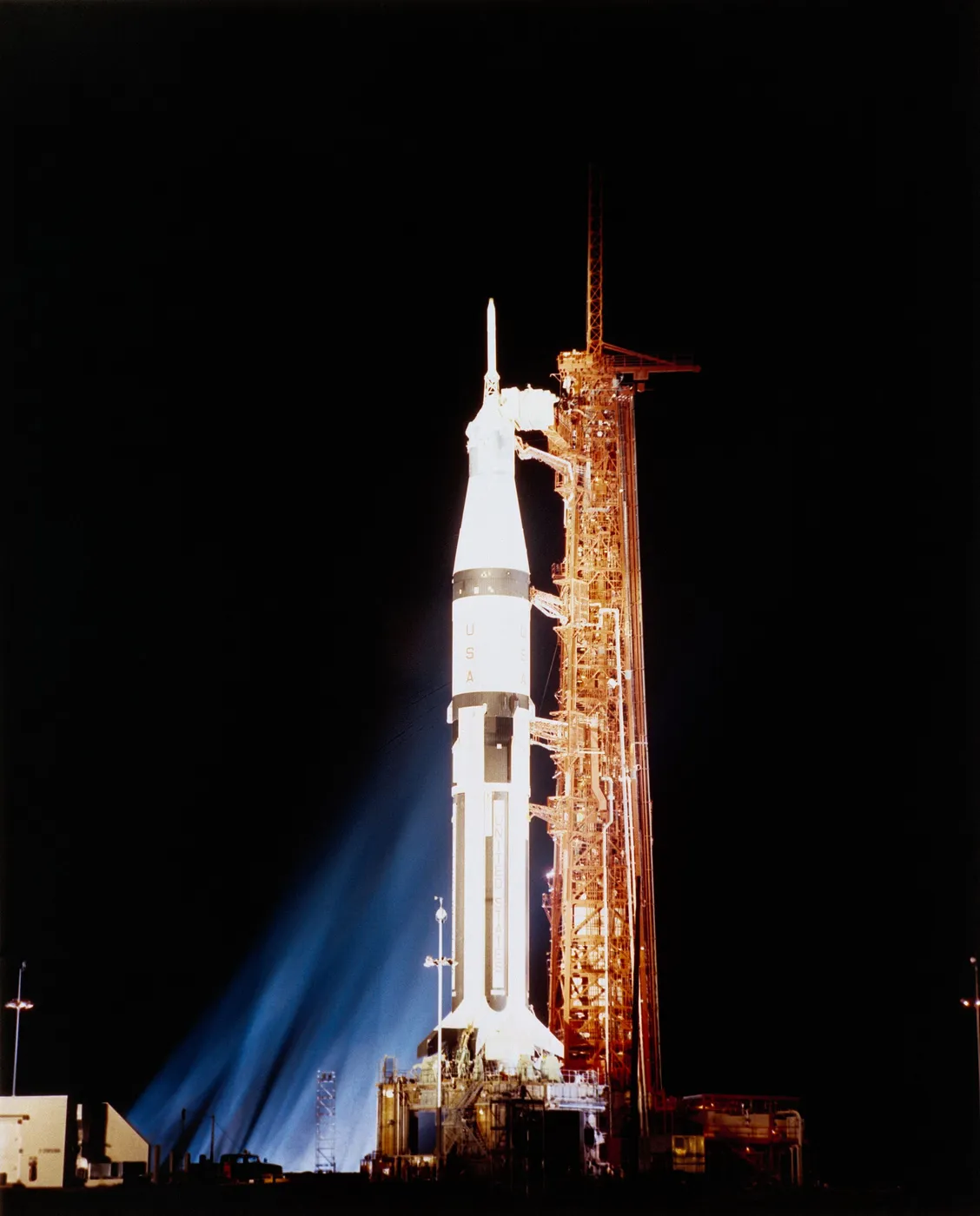
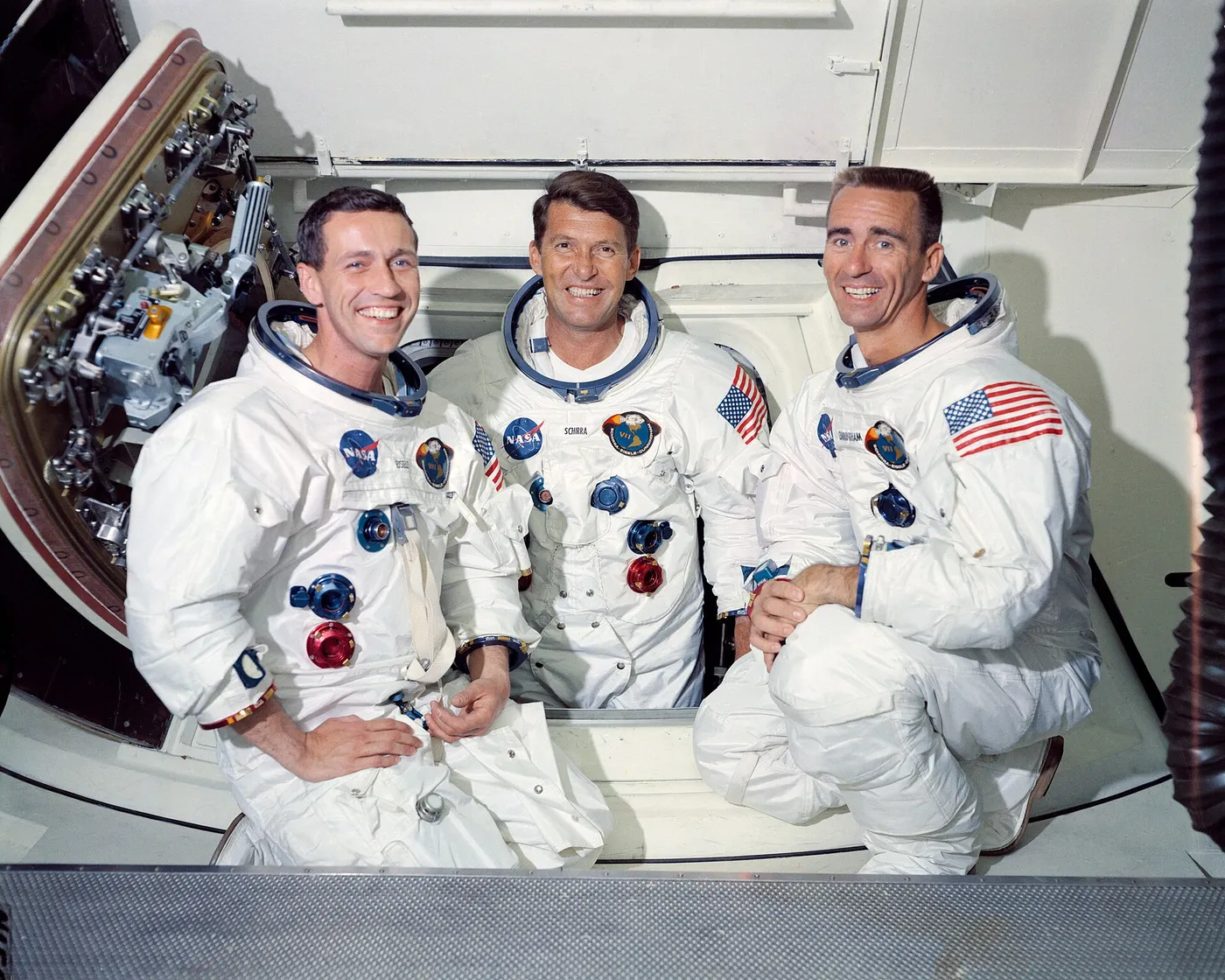
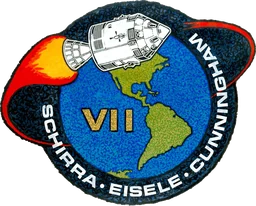
Twenty-one months after the pad fire, on 11 October 1968, three men climbed into a rebuilt command module and let a Saturn IB carry them into orbit. Wally Schirra had commanded a Mercury and a Gemini and had announced this would be his last flight; alongside him were rookies Donn Eisele and Walter Cunningham. Their assignment was unromantic and essential — stay up for eleven days, the length of a lunar mission, and find out whether the redesigned spacecraft was fit for people.
It performed beautifully. The service module's big engine, the one that would later have to place crews into lunar orbit and push them home again, was fired eight times and never once misbehaved. Rendezvous practice, navigation sightings, long-duration systems checks — the flight ground through its test card and the hardware simply kept working, which after the fire was the only verdict that mattered.
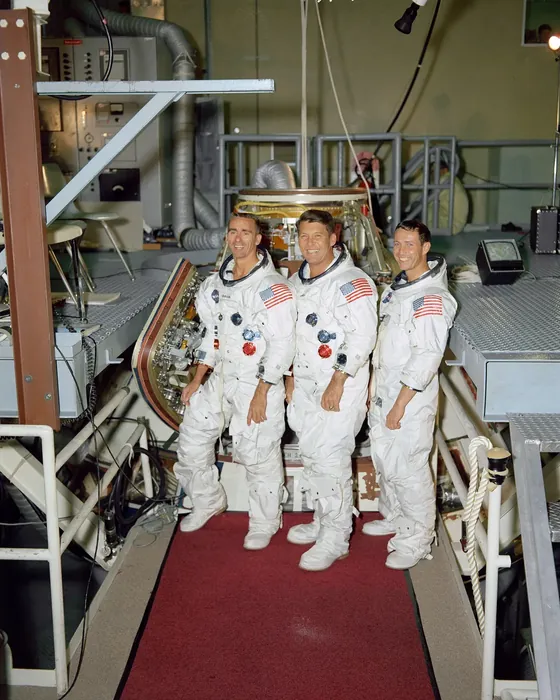
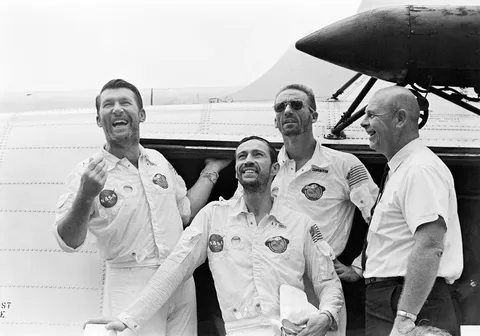
The crew, meanwhile, were miserable. Schirra caught a head cold on the first day and, in weightlessness, sinuses do not drain; all three men ended up congested, irritable and blowing their noses in a cabin they could not leave. The famous flashpoint came over the helmets: Schirra refused to wear his for re-entry, reasoning that with blocked ears the pressure change might rupture an eardrum, and flatly declined the ground's instruction. It was, by any reading, open insubordination broadcast to the world.
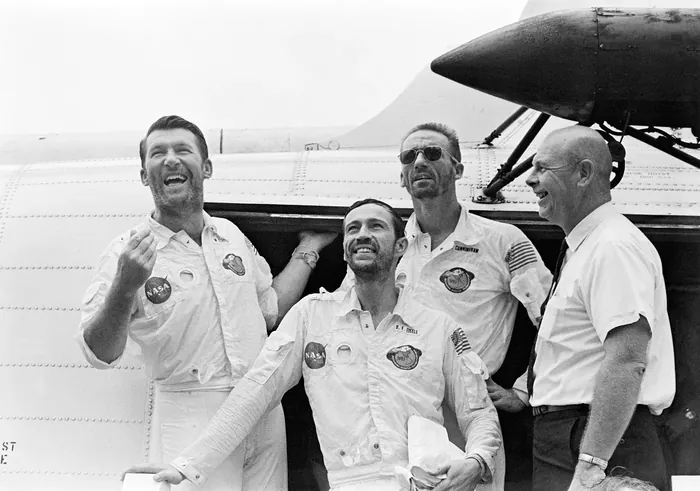
The same crew also gave television its first live pictures from an American spacecraft, grinning through daily broadcasts they announced with a hand-lettered card reading “Hello from the lovely Apollo room.” The segments were cheerful, faintly ridiculous and enormously popular, and they won an Emmy. It remains one of the odder juxtapositions of the programme: a crew at war with mission control, charming the public twice a day.
Apollo 7 splashed down having achieved essentially everything asked of it, and the mission director called it 101 per cent successful. None of the three ever flew again — Schirra had already retired, and the friction followed Eisele and Cunningham quietly out of the flight rotation. It was an unglamorous, slightly sour, wholly vital flight, and on the strength of it NASA felt able to do something audacious eleven weeks later: send the next crew all the way to the Moon.