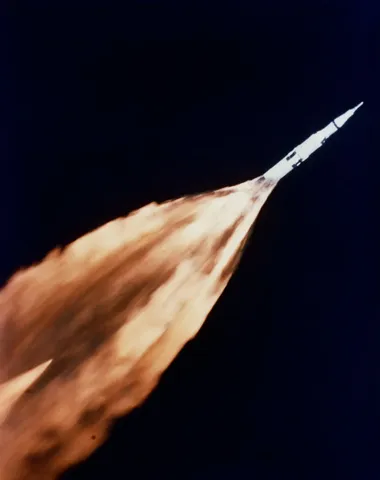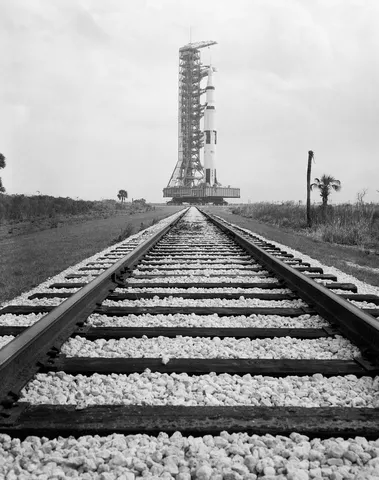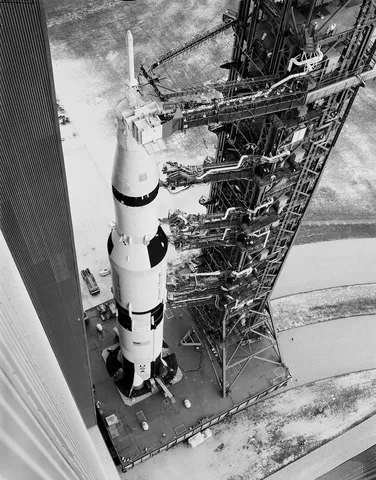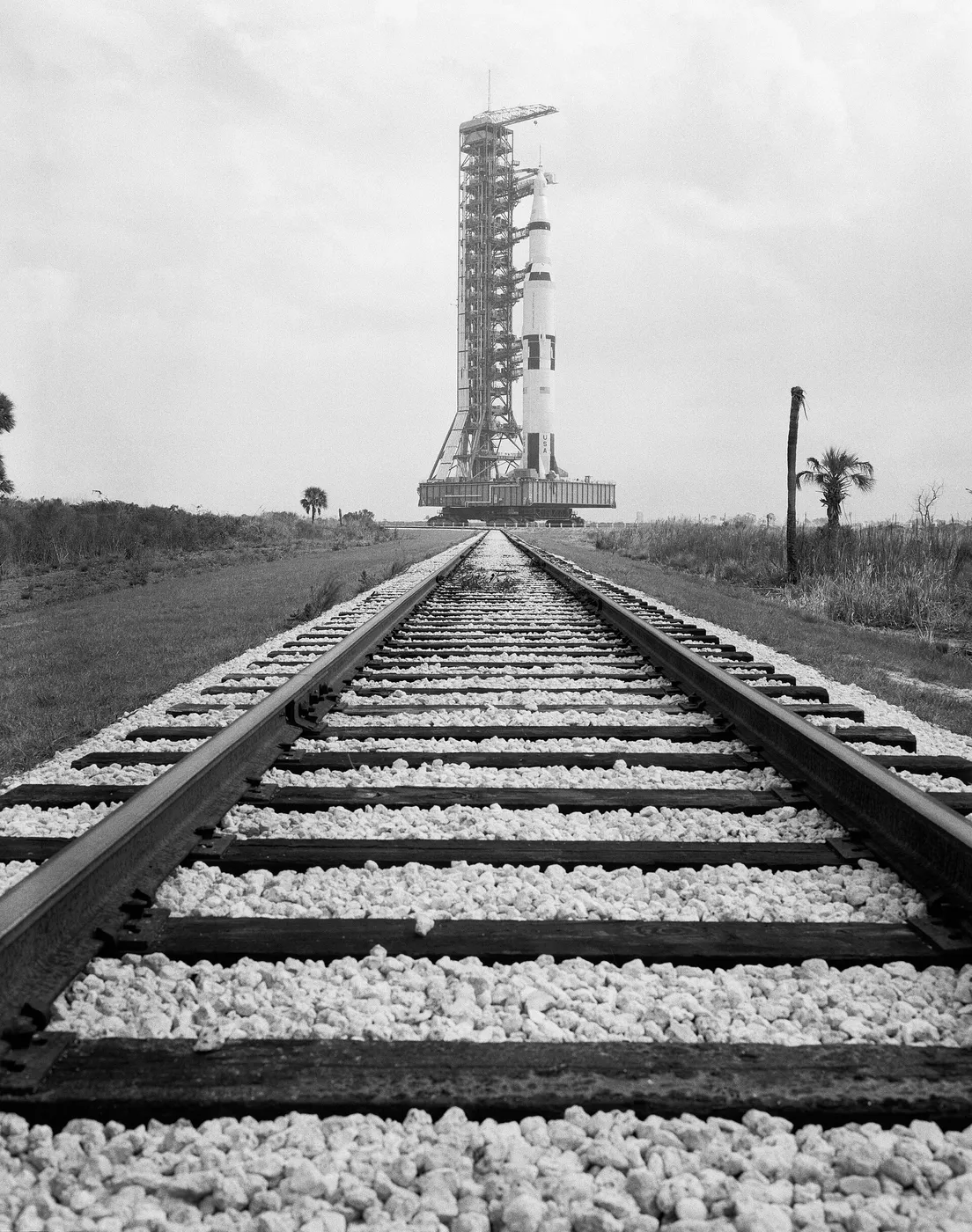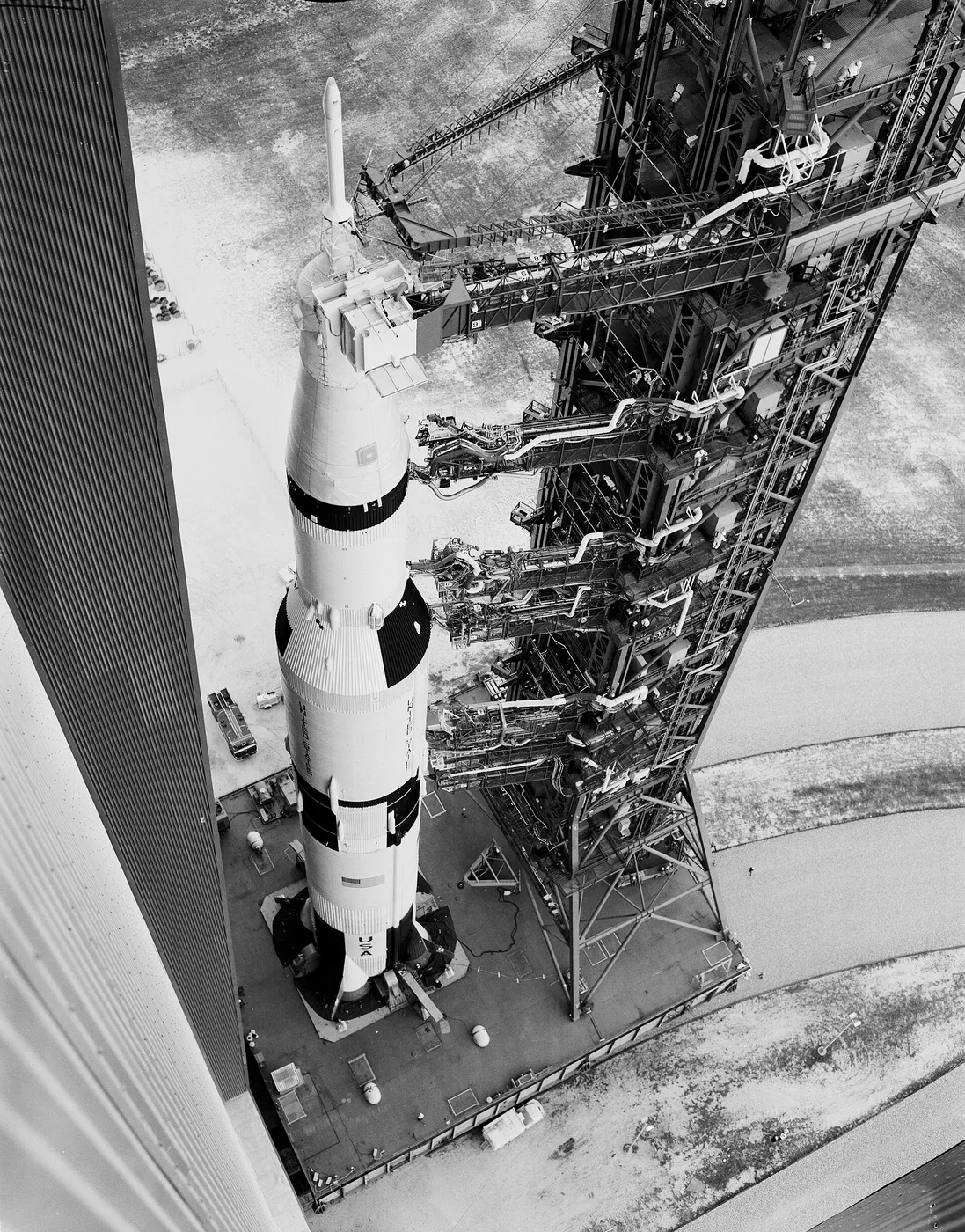
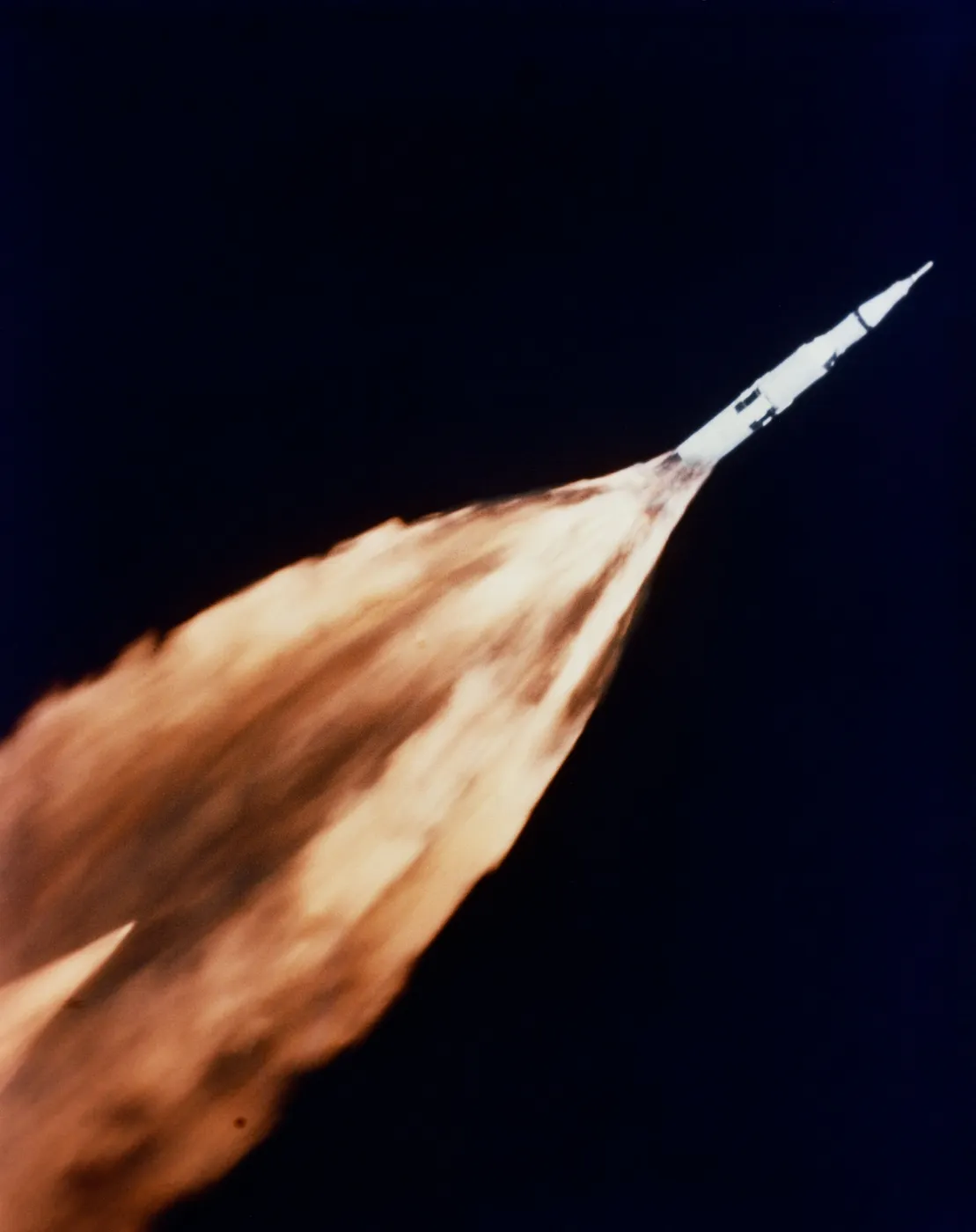

Apollo 6, on 4 April 1968, was meant to be the Saturn V's confident encore. Instead it was the flight that shook everyone, and it happened on a day the country was barely watching: that same evening Martin Luther King was shot in Memphis, and the rocket's troubles vanished from the news almost as fast as they had appeared.
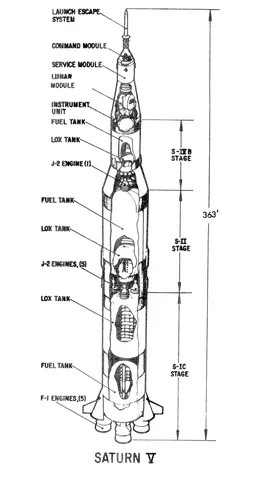
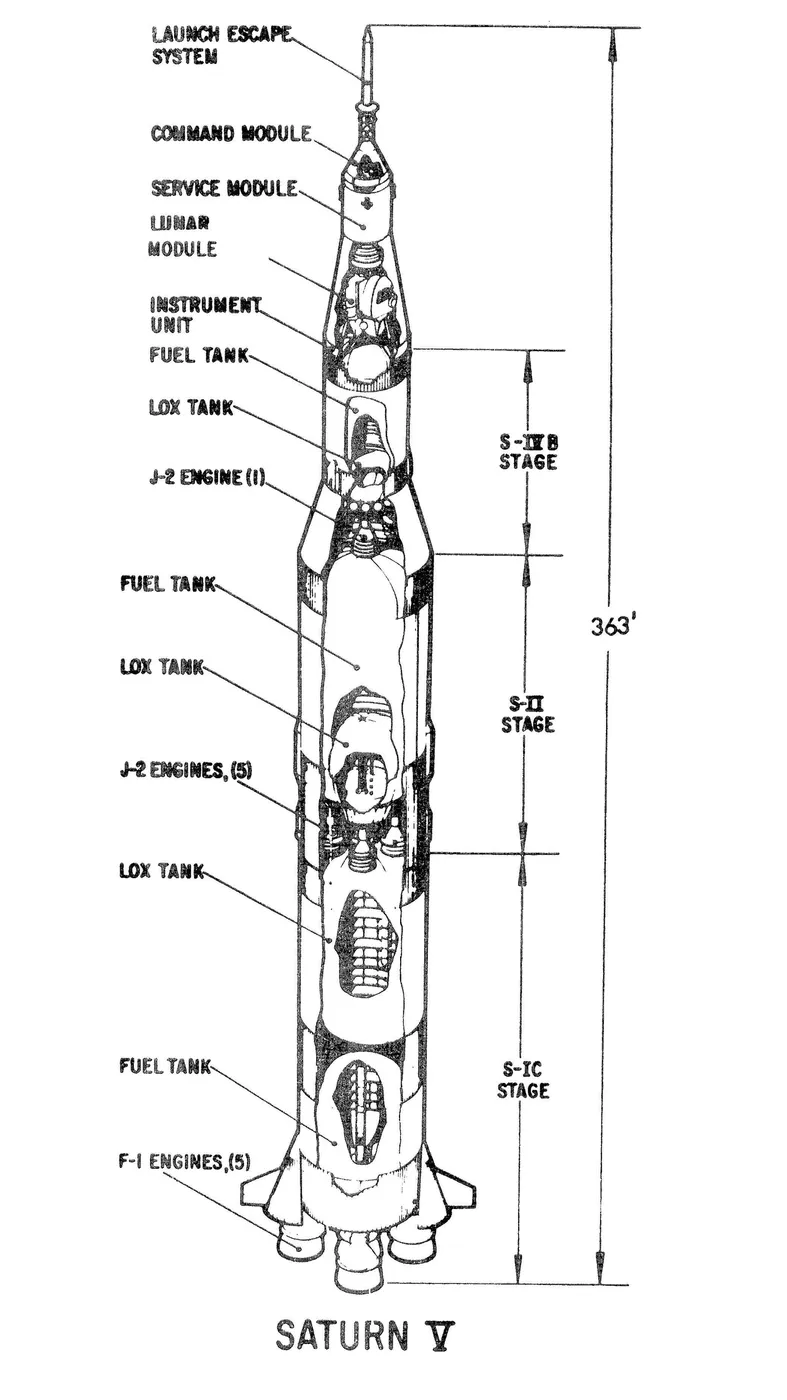
The trouble started two minutes up, when the first stage began to oscillate lengthwise — the phenomenon engineers called pogo, the whole vehicle bouncing like a pneumatic hammer at around five cycles a second. Structural panels tore loose from the adapter shrouding the lunar module. Then, on the second stage, one J-2 engine faltered and the guidance system, misreading the wiring, obediently shut down a second, healthy engine alongside it. The remaining three burned long to compensate, dragging the flight into a lopsided orbit.
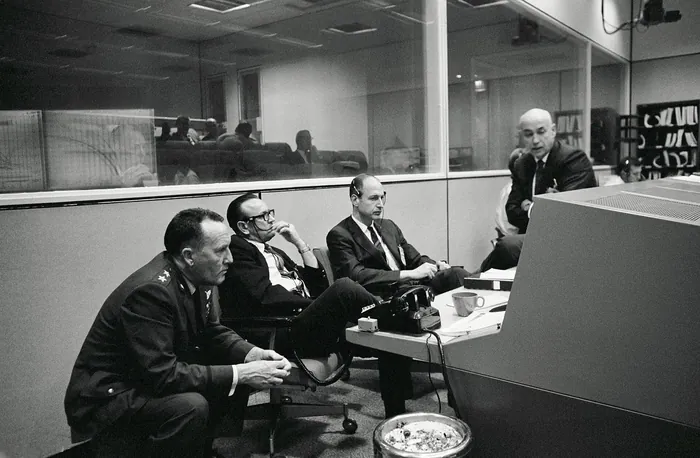
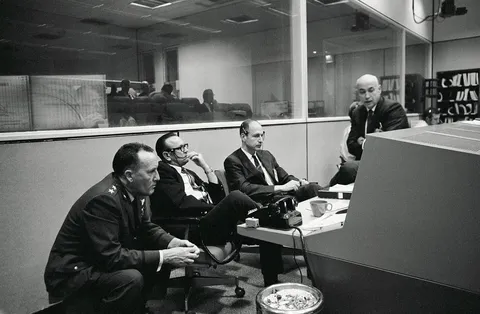
The third stage was supposed to restart for the high-speed re-entry test and refused to light at all. Controllers salvaged what they could by firing the service module's own engine to drive the command module back into the atmosphere, though not fast enough to repeat the punishing test Apollo 4 had passed. On the scorecard, three of the rocket's stages had each misbehaved in a different way.
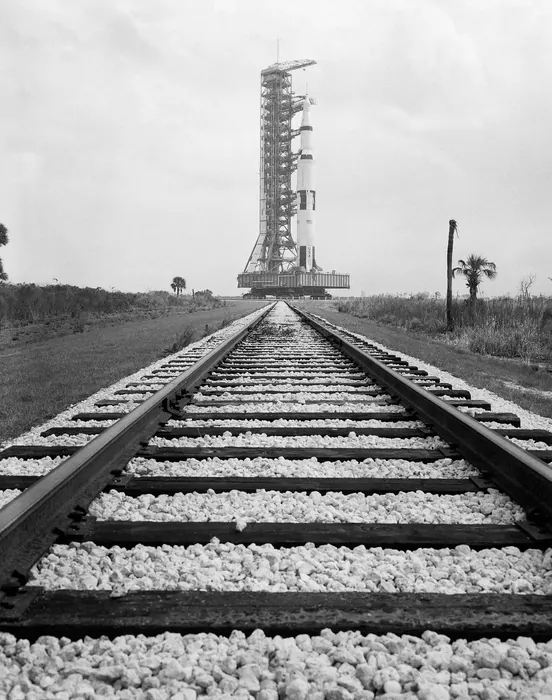
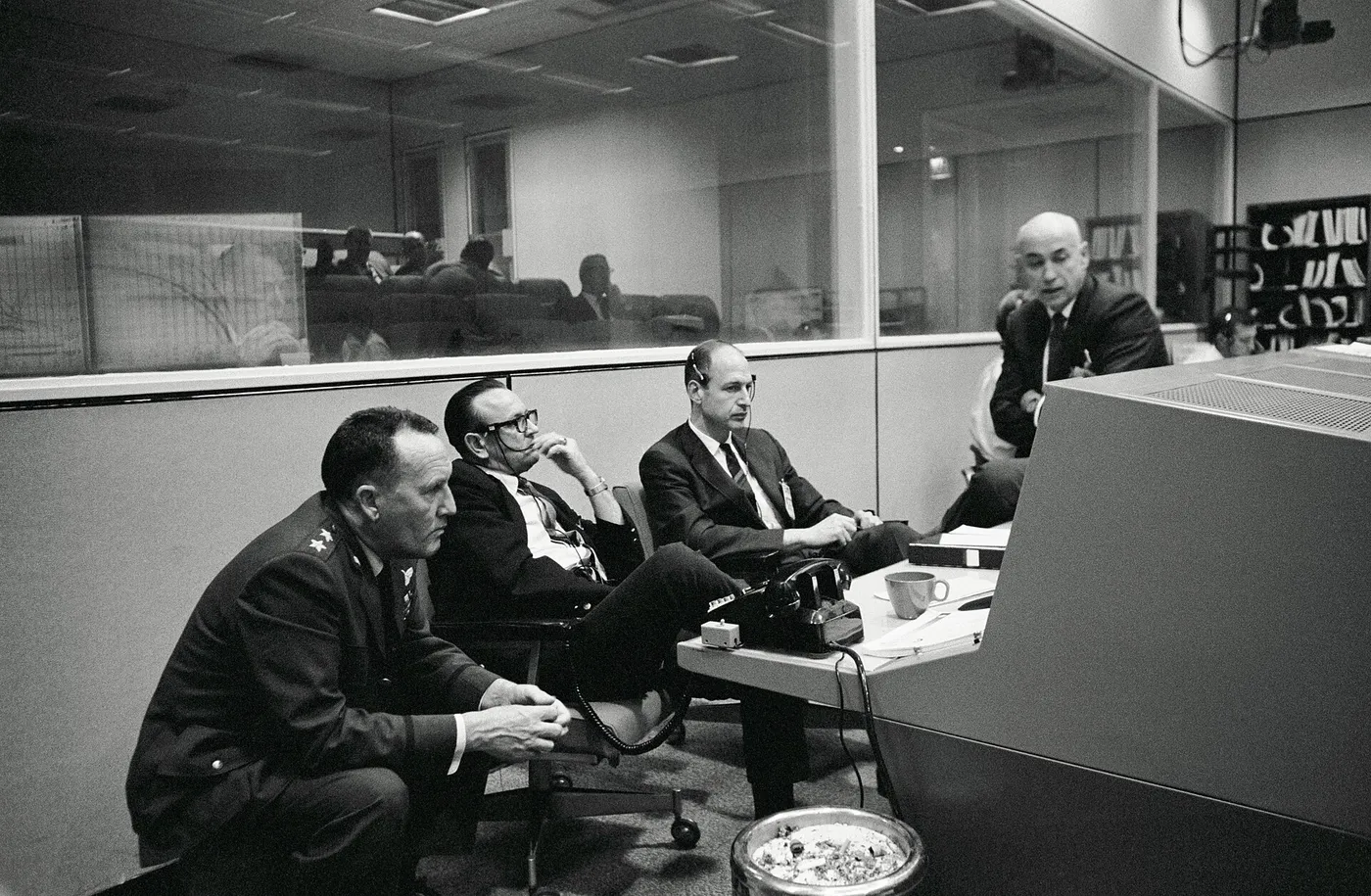
What followed was an unglamorous triumph of engineering forensics. The pogo was traced to fuel-line resonance and damped by injecting helium into cavities in the oxygen lines — a cheap fix for a violent problem. The J-2 failures were run down to a fuel line whose bellows behaved differently in vacuum than in ground tests, chilled and cracked where no test rig had thought to look. Both faults were understood, reproduced, and corrected in months.
Then NASA made the boldest call of the programme: it declared the Saturn V ready to carry astronauts, without another uncrewed test. The next time one flew, Borman, Lovell and Anders were on top of it, bound for the Moon. It is worth remembering how thin that margin was — the rocket that took humans out of Earth's gravity for the first time had, on its previous outing, tried to shake itself apart.