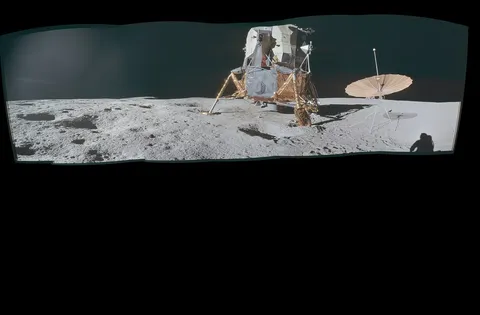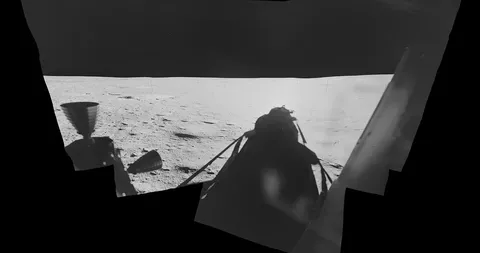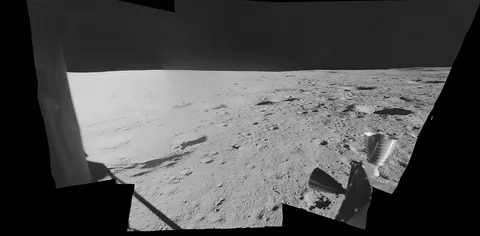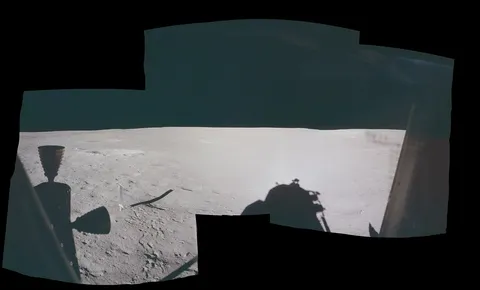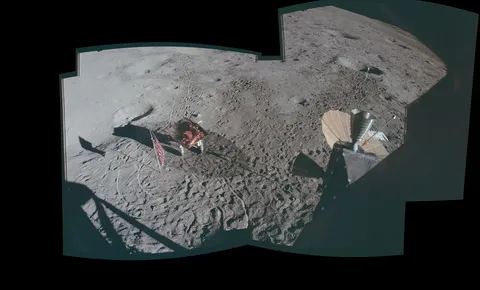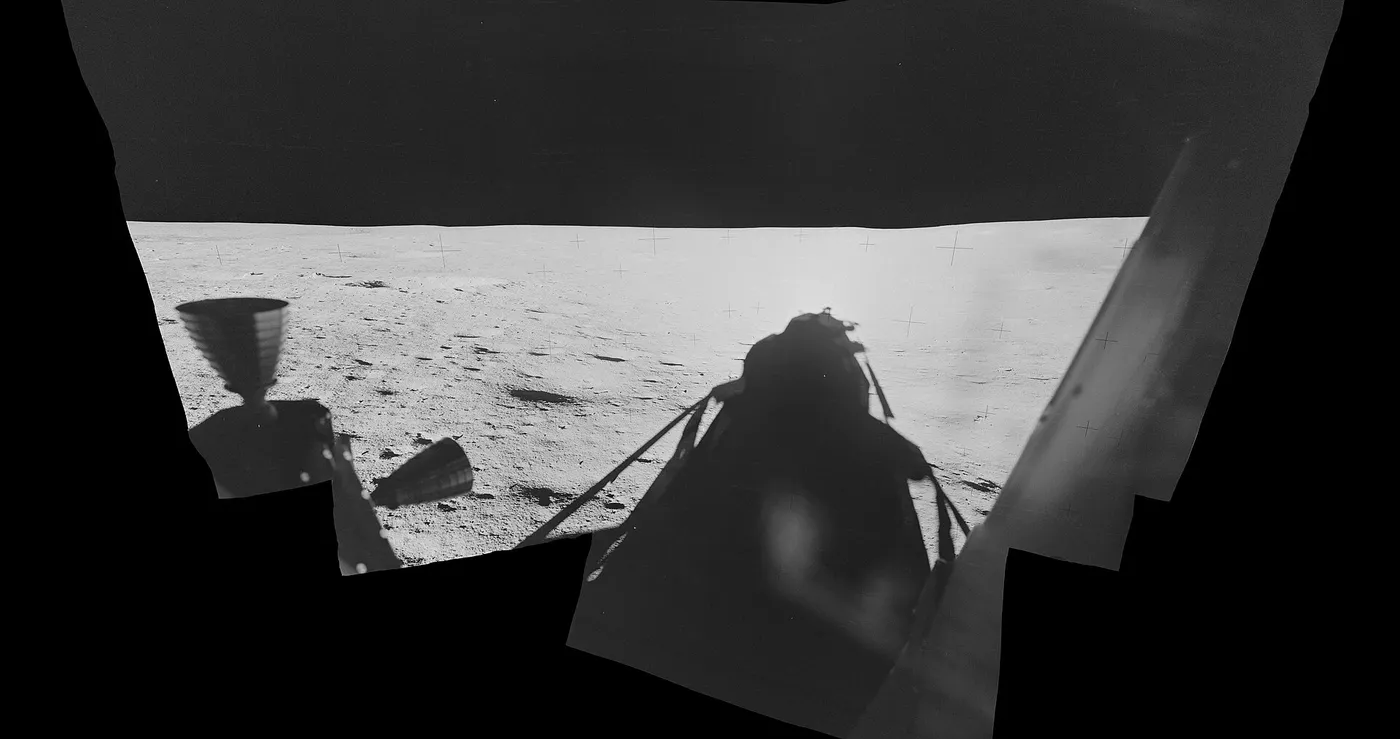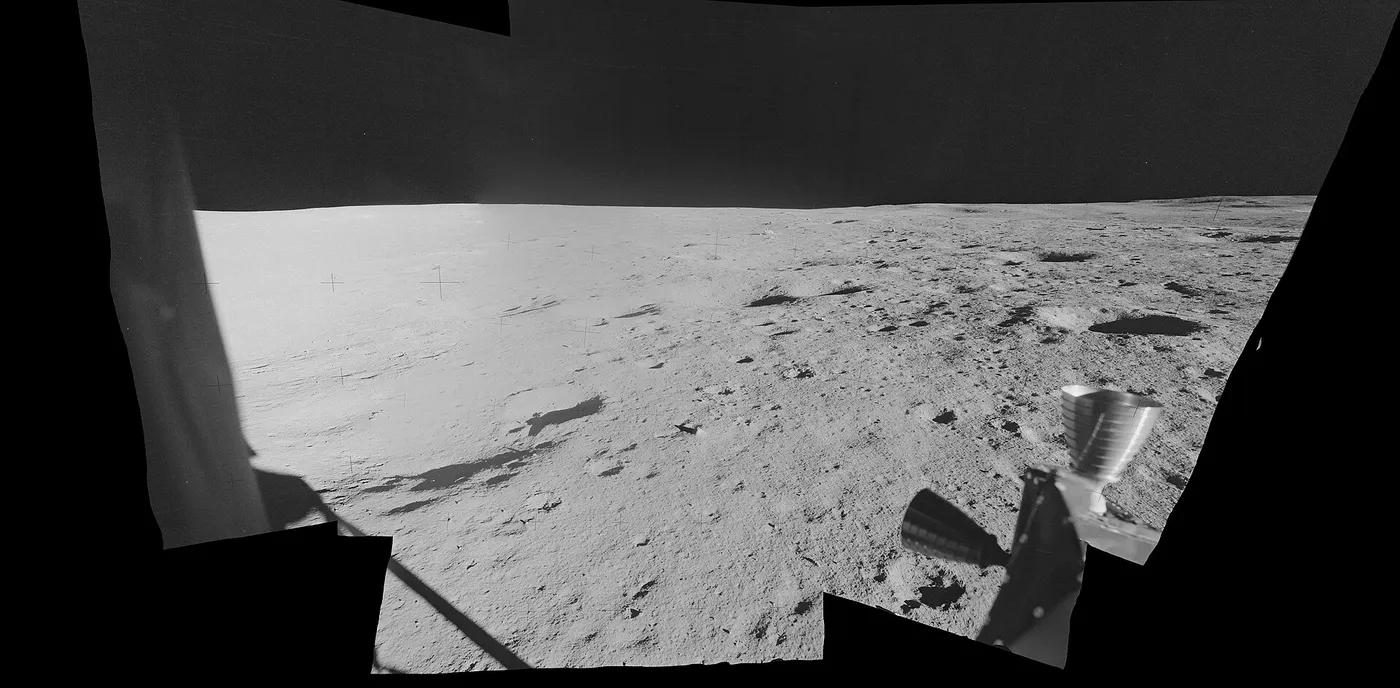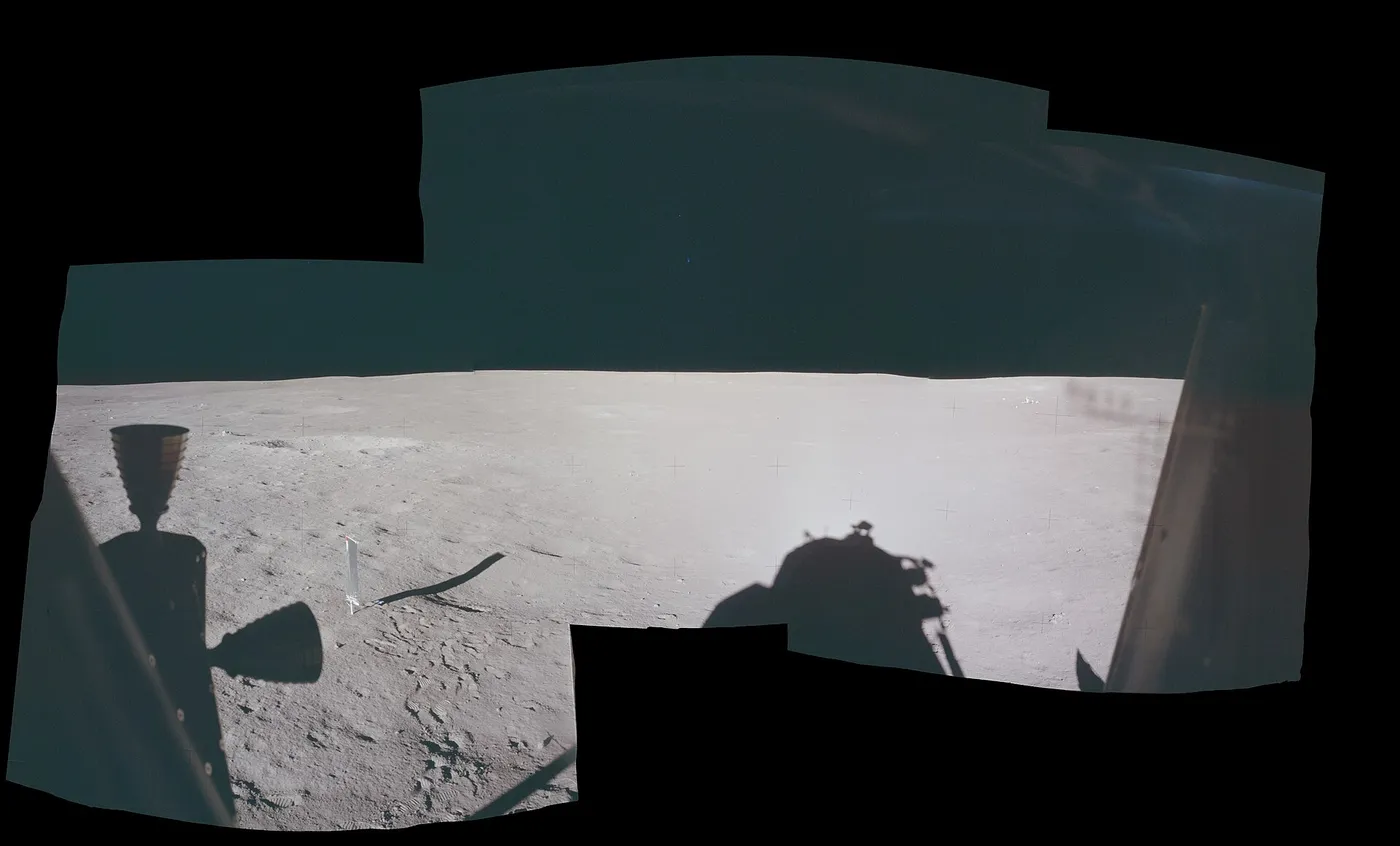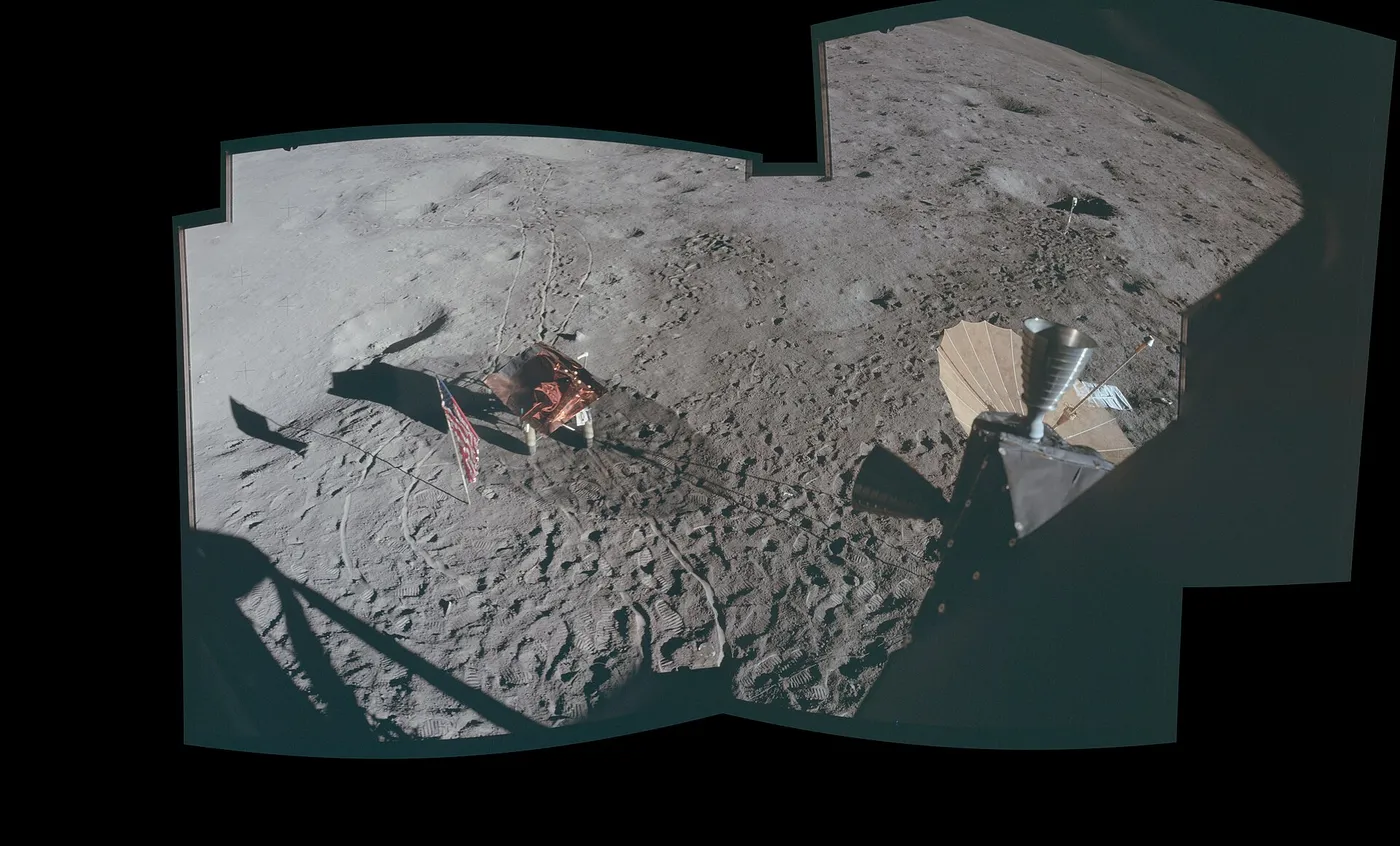
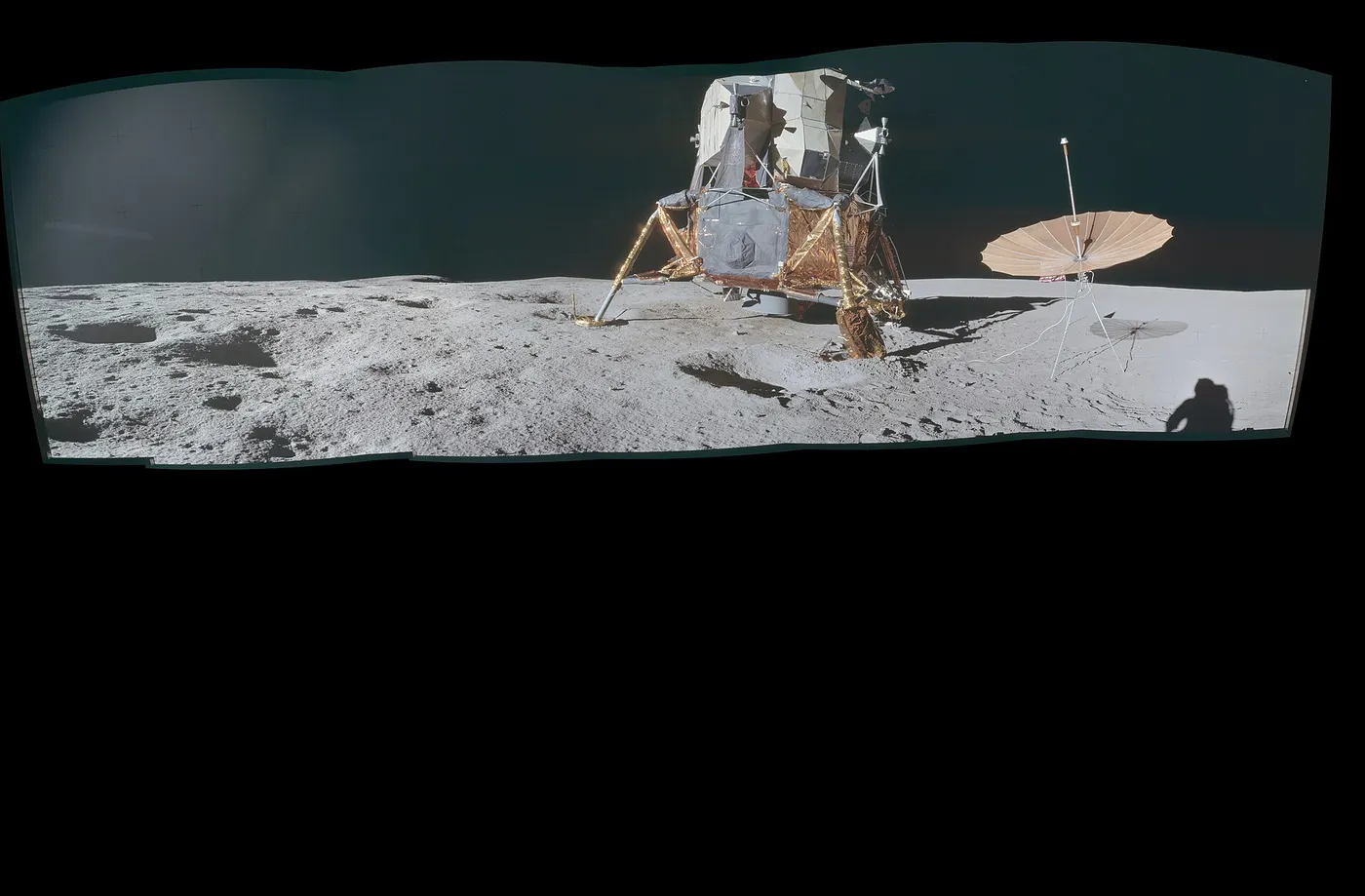
Apollo 14 carried the weight of two missions: it had to reach Fra Mauro, the site Apollo 13 never got to, and it had to prove the programme could still be trusted after that near-disaster. It also carried Alan Shepard, who had been the first American in space nine years earlier and had spent most of the intervening decade grounded by Ménière's disease, an inner-ear disorder, until experimental surgery gave him back his flight status. At 47 he was the oldest man yet to fly, and by some distance the most determined.
The flight nearly ended before it began. Six times Stuart Roosa tried to dock the command module Kitty Hawk with the lunar module and six times the latches refused to catch; only on a seventh attempt, driving in hard, did the mechanism finally seize. Then, in lunar orbit, a faulty abort switch began signalling an abort that nobody had commanded — a signal that during powered descent would have automatically thrown the crew back into space. MIT programmers rewrote the landing software in a few hours and read the changes up to Edgar Mitchell, who typed them into the computer by hand.
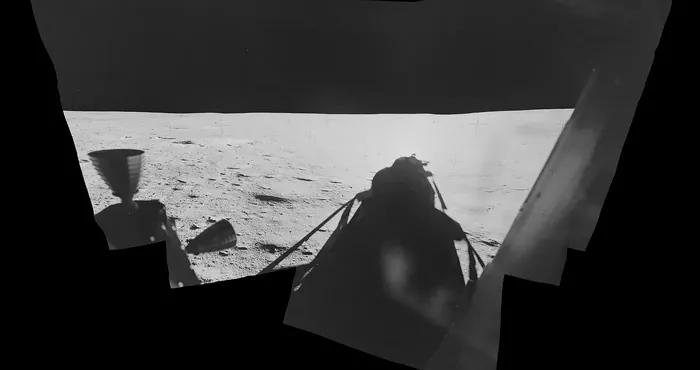
Even then the landing radar refused to lock on until the vehicle was below 6,000 metres, well past the point where the rules said abort. Shepard, who had come too far to turn around, kept going while Mitchell cycled a circuit breaker; the radar caught, and Antares touched down closer to its target than any mission so far. Shepard, the hard man of the astronaut corps, admitted afterwards that he stood on the ladder and wept.
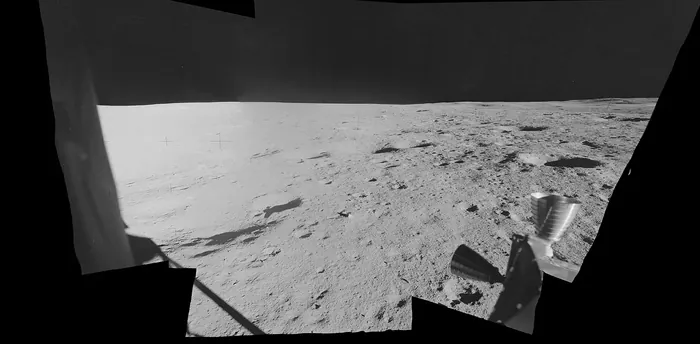
The surface work was punishing. Hauling a two-wheeled cart the crew nicknamed the rickshaw, Shepard and Mitchell set out to climb the rim of Cone crater through a landscape of identical boulders with no landmarks and no horizon to judge by, hearts racing, exhausted, arguing about distance. They turned back believing they had failed; photographs later showed they had stopped roughly twenty metres from the rim.
Then Shepard reached into his suit pocket. He had smuggled aboard two golf balls and the head of a six-iron that fitted onto a sample-collection handle, and swinging awkwardly one-handed in a pressurised suit he hit them across the Fra Mauro highlands, announcing that the second went “miles and miles and miles.” Recent analysis of the imagery puts the real distances at about 24 and 40 yards, which spoils the boast and not one bit of the joy. Mitchell followed by throwing a piece of equipment like a javelin, and two grown men played games on another world.