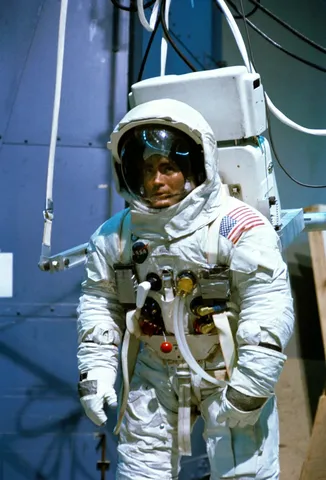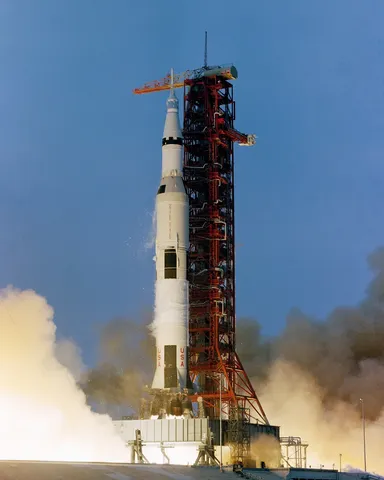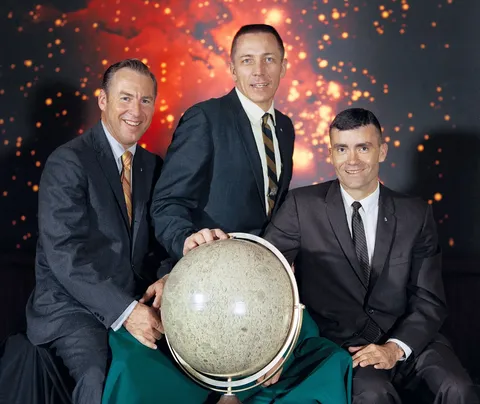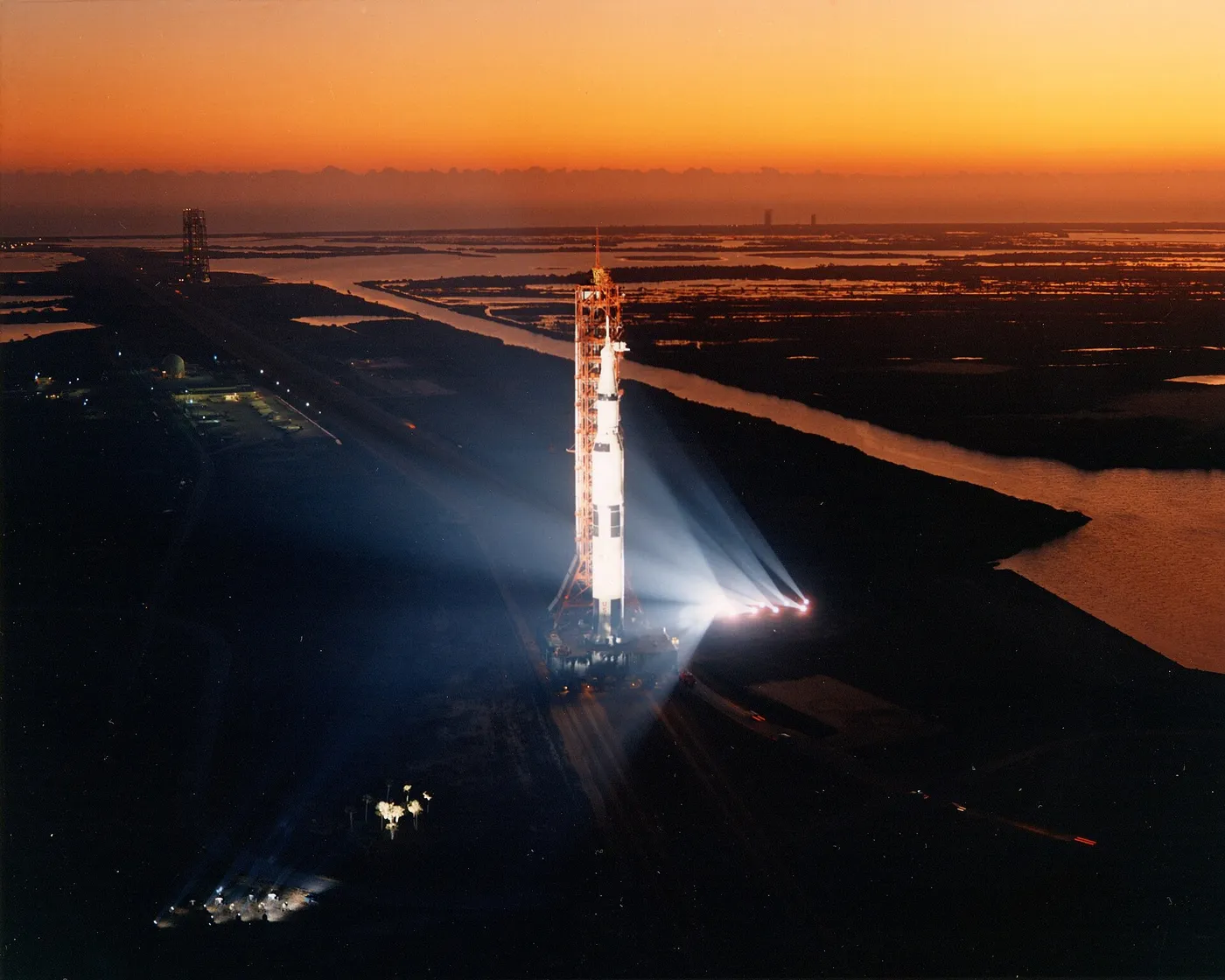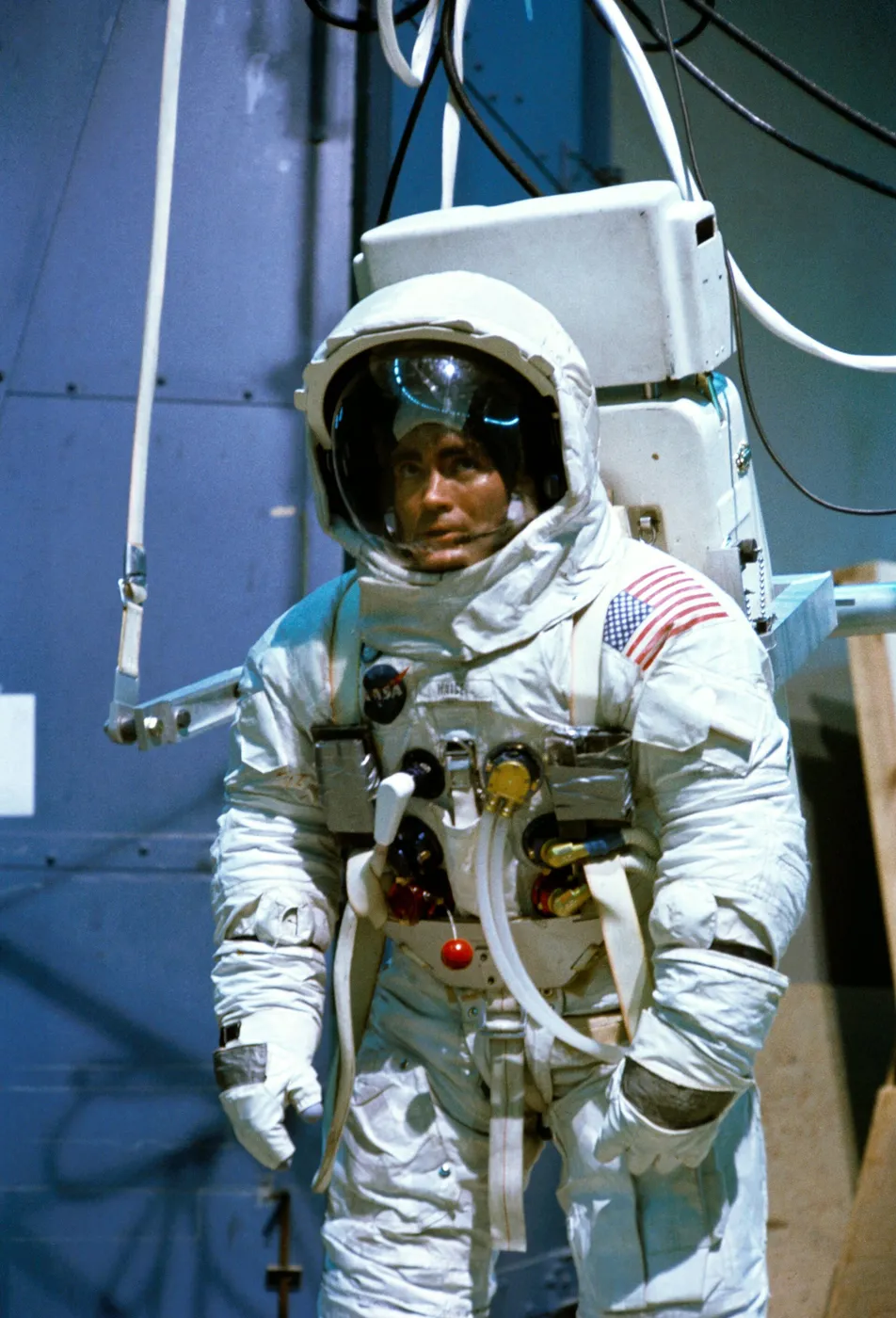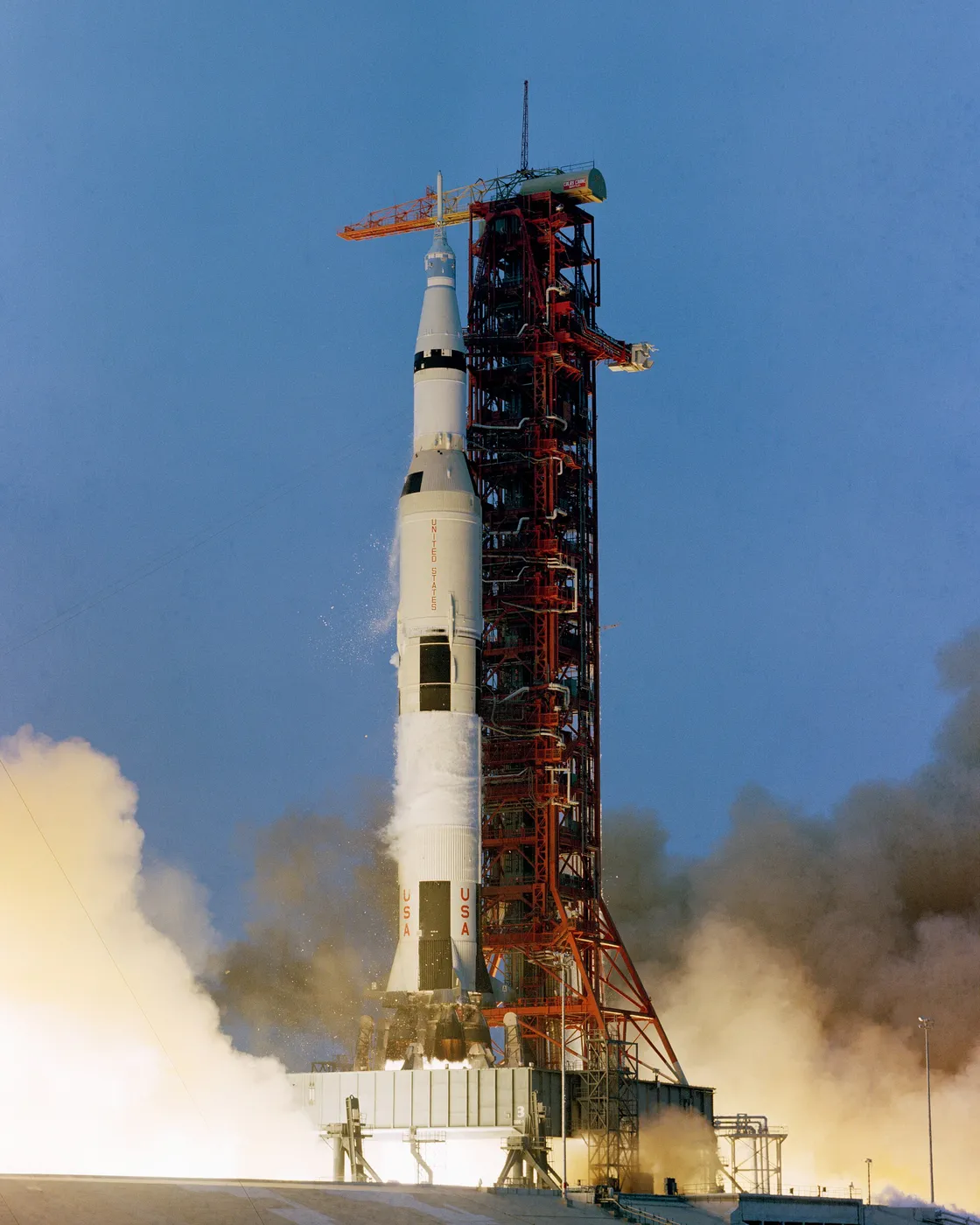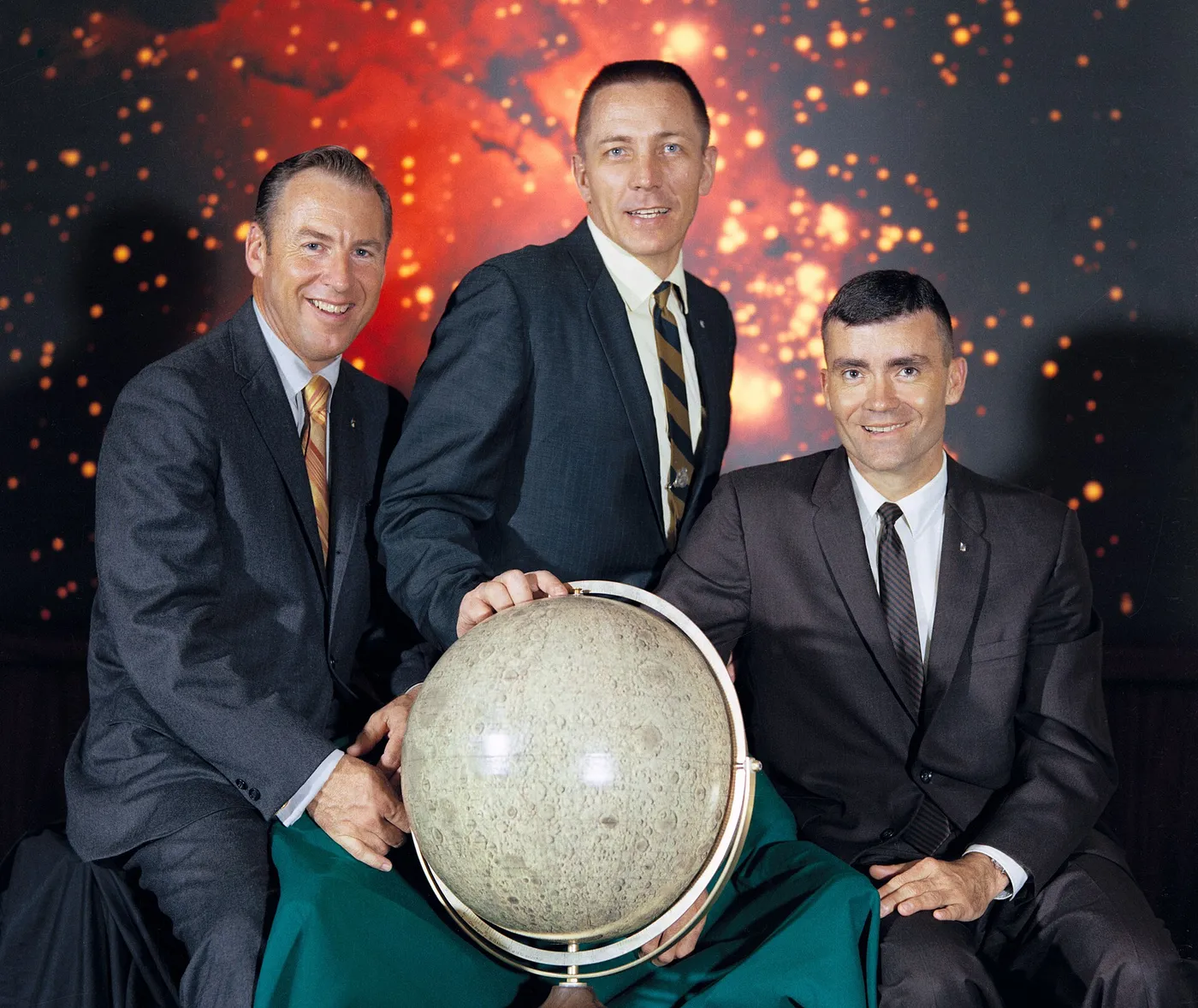
Apollo 13 was jinxed before it flew, at least in the newspapers. It launched at 13:13 Houston time on 11 April 1970, its command module was called Odyssey, and Ken Mattingly had been pulled from the crew days earlier after being exposed to German measles — replaced by Jack Swigert, who had to be drilled through the flight plan in a hurry beside Jim Lovell and Fred Haise. Two minutes into the second stage, an engine shut down early. Nobody thought much of it at the time.
Fifty-six hours out and some 320,000 kilometres from home, Swigert flipped a switch to stir the cryogenic oxygen tanks. Number two exploded. The tank had been dropped during ground handling years earlier, its thermostat had been left rated for the wrong voltage and had welded shut during a pre-flight test, and its wiring insulation had been quietly cooked bare. The stir command lit it like a fuse. “Okay, Houston, we've had a problem here,” Swigert reported, and Lovell repeated it — the understatement of the century, delivered while their oxygen vented into space in a widening cloud they could see out of the window.

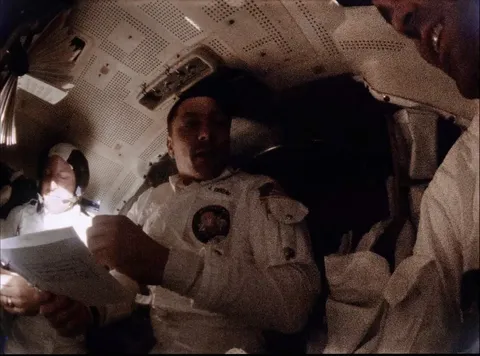
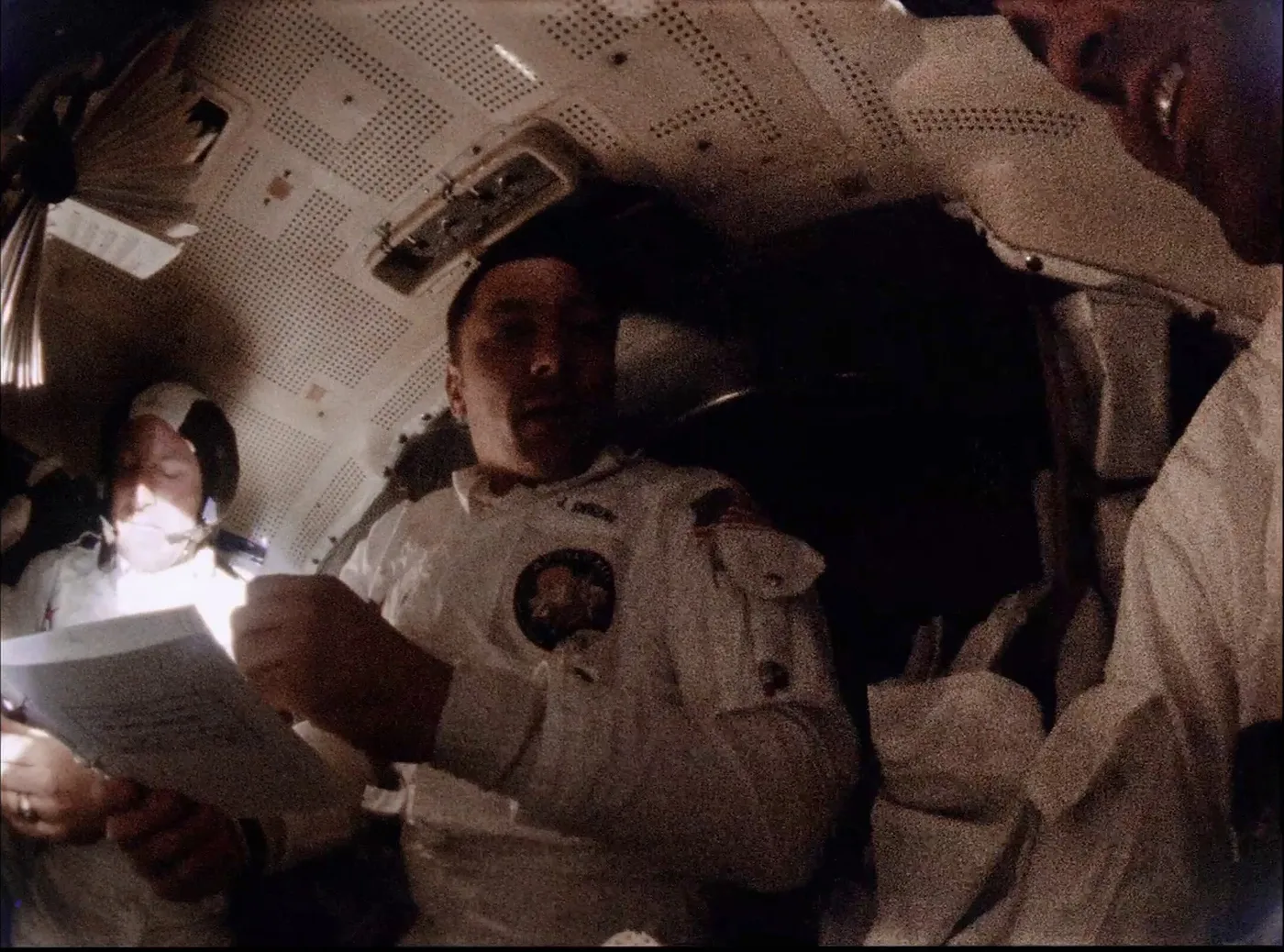
The landing was gone within minutes; survival took four days. They shut down Odyssey to preserve its re-entry batteries and crawled into the lunar module Aquarius, a craft designed to keep two men alive for two days and now asked to keep three alive for four. They swung around the Moon on a free-return trajectory — Lovell, on his fourth flight and second trip to lunar orbit, watching the surface he would now never walk on slide past the window — and burned the descent engine to speed the journey home.
The improvisations became legend. Carbon dioxide climbed towards lethal levels because the command module's square lithium hydroxide canisters would not fit the lunar module's round sockets, so engineers in Houston assembled from the exact inventory aboard — plastic bags, cardboard, a sock, duct tape — a contraption the crew built by voice instruction and christened the mailbox. The cabin fell to around three degrees Celsius, water ran short, Haise developed a kidney infection and a fever, and the crew had to align their guidance platform by eye using the Earth's terminator because debris made the stars unusable.
On 17 April Odyssey came through a re-entry blackout that ran a minute and a half longer than it should have, while a global audience listened to silence. Then the parachutes appeared on television and mission control came apart. Investigators later found the failure was not bad luck but a chain of small documented compromises, and NASA called Apollo 13 a successful failure — the phrase has stuck, though it undersells what it actually demonstrated: that the ground and the crew together could invent their way out of a death sentence.