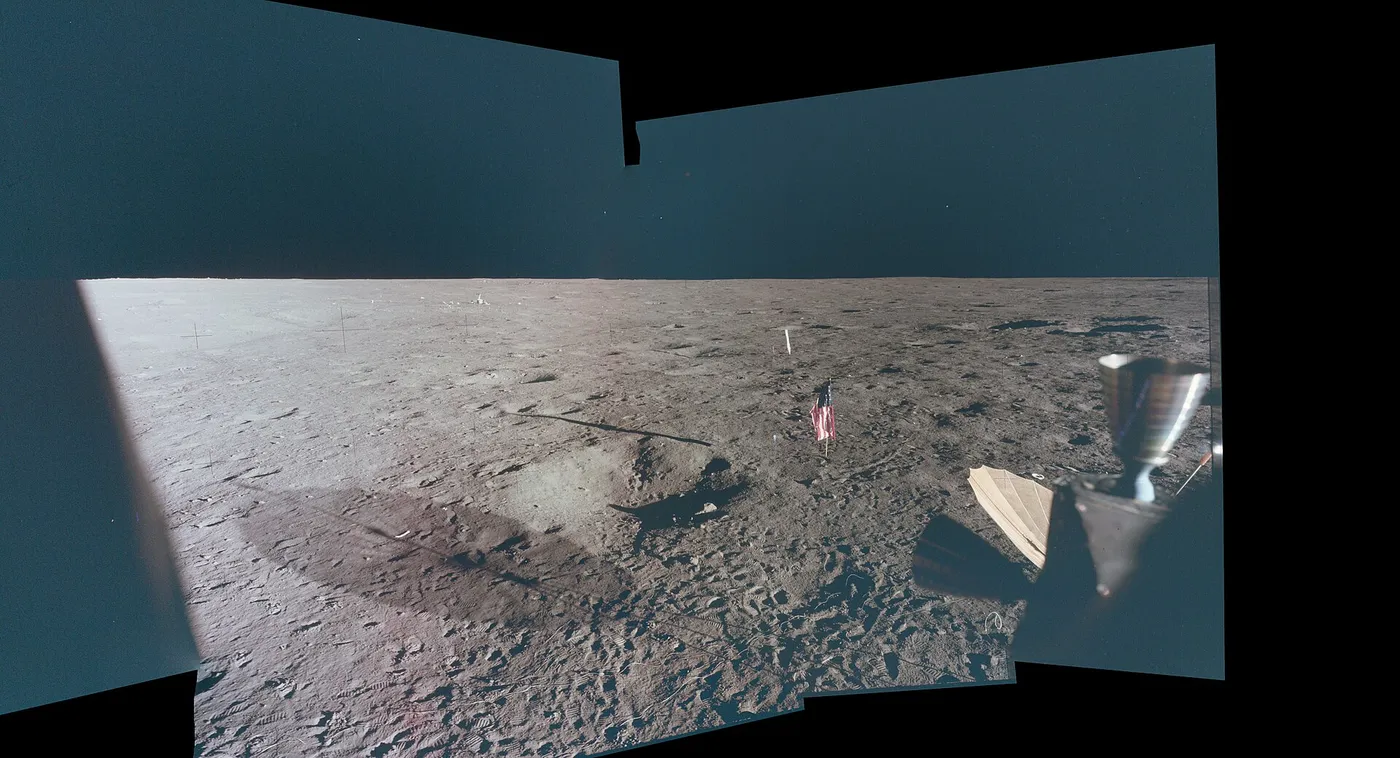
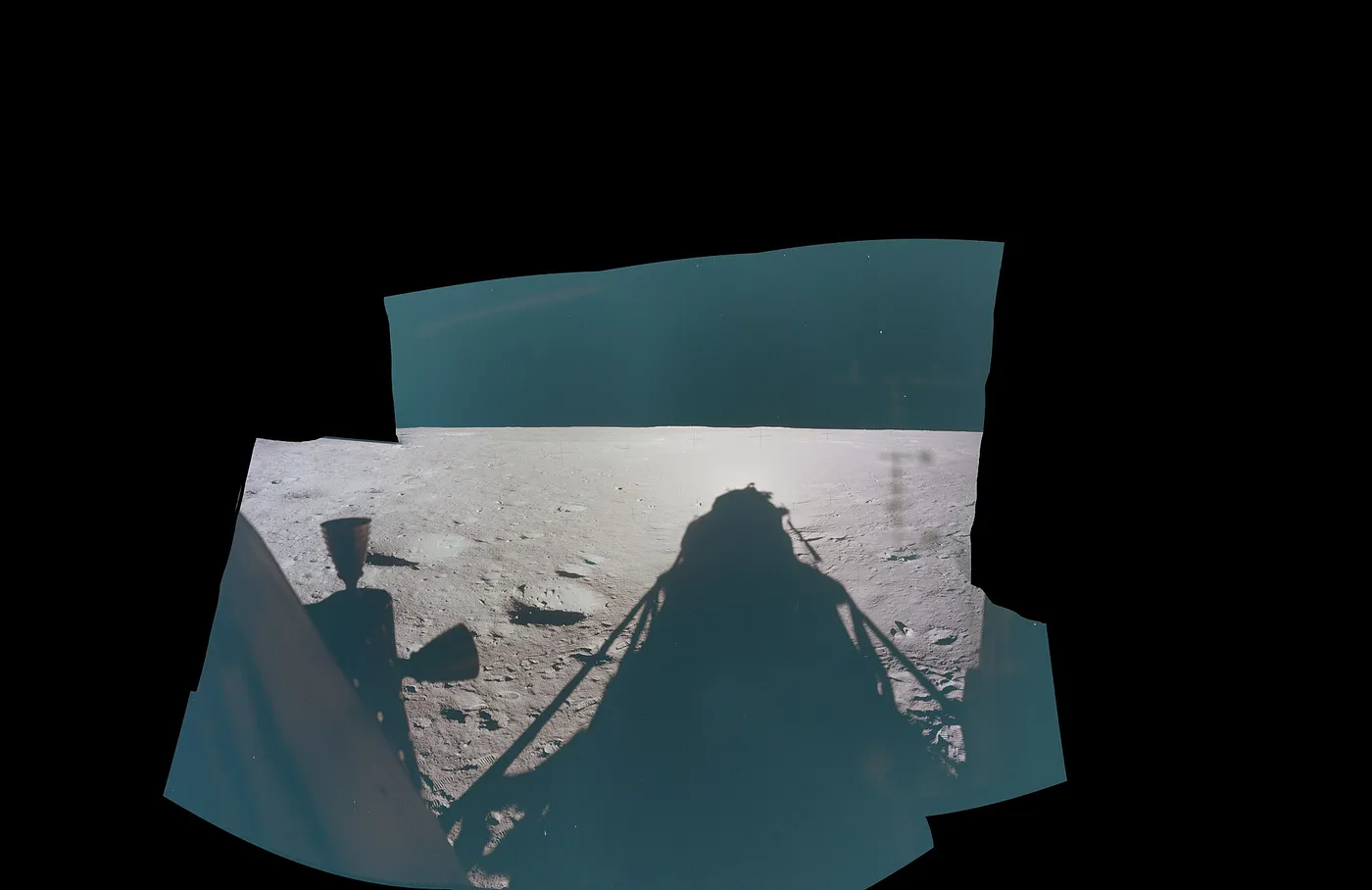
Thirty-six and a half seconds after Apollo 12 left the pad on 14 November 1969, lightning struck the vehicle and ran down its exhaust trail to the ground. Sixteen seconds later it happened again. Inside, every warning light in the command module lit at once, the fuel cells dropped offline, and the telemetry reaching Houston turned to gibberish — all while the Saturn V, guided by its own separate system and quite unbothered, kept climbing.
The mission was saved by one man's memory. In mission control, a 24-year-old controller named John Aaron recognised the specific pattern of nonsense on his screen from an obscure test a year before and called for an obscure switch: try SCE to auxiliary. Almost nobody in the building knew what he meant. In the spacecraft, Alan Bean did — he found the switch, flipped it, and the telemetry came back. Pete Conrad's laughter on the loop is audible on the recordings.
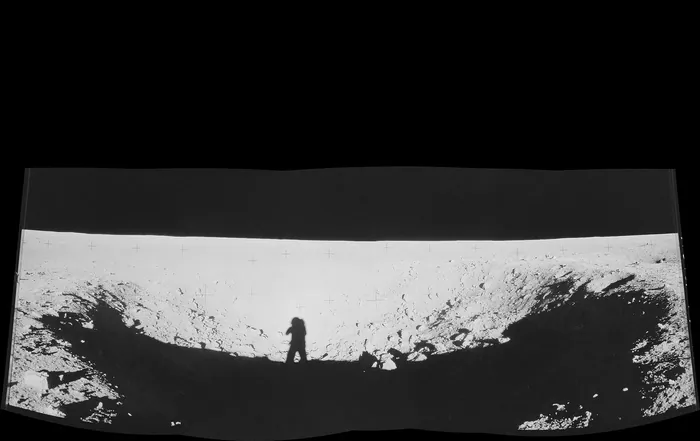
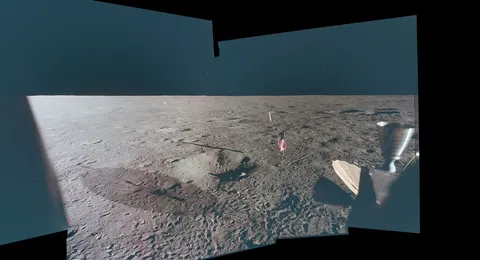
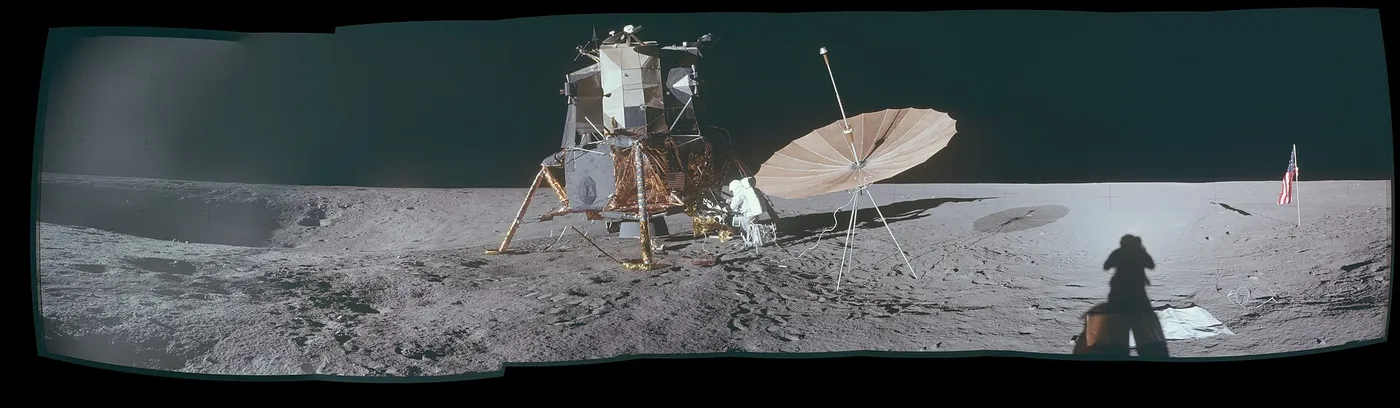
Ten days later Conrad went down the ladder of Intrepid. He was five foot six, he had bet the journalist Oriana Fallaci that NASA did not script an astronaut's words, and he collected: “Whoopie! Man, that may have been a small one for Neil, but that's a long one for me.” It was, he said afterwards, the best five hundred dollars he never actually managed to get paid.
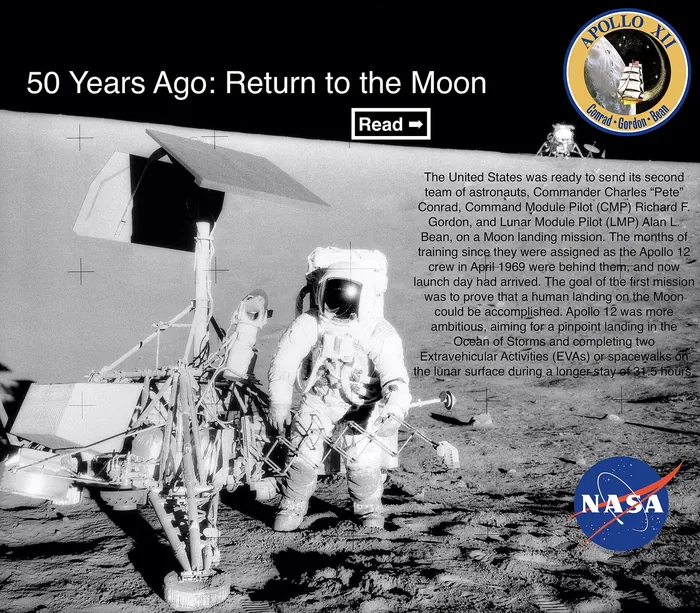
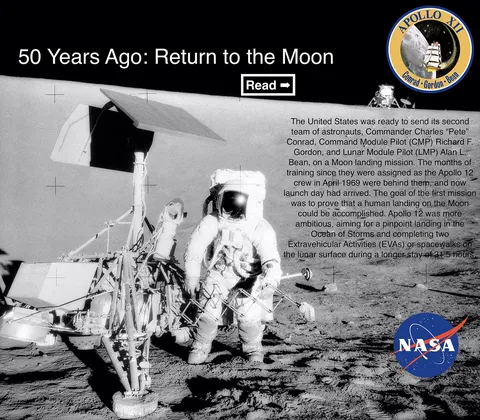
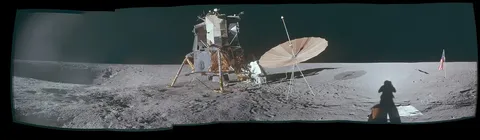
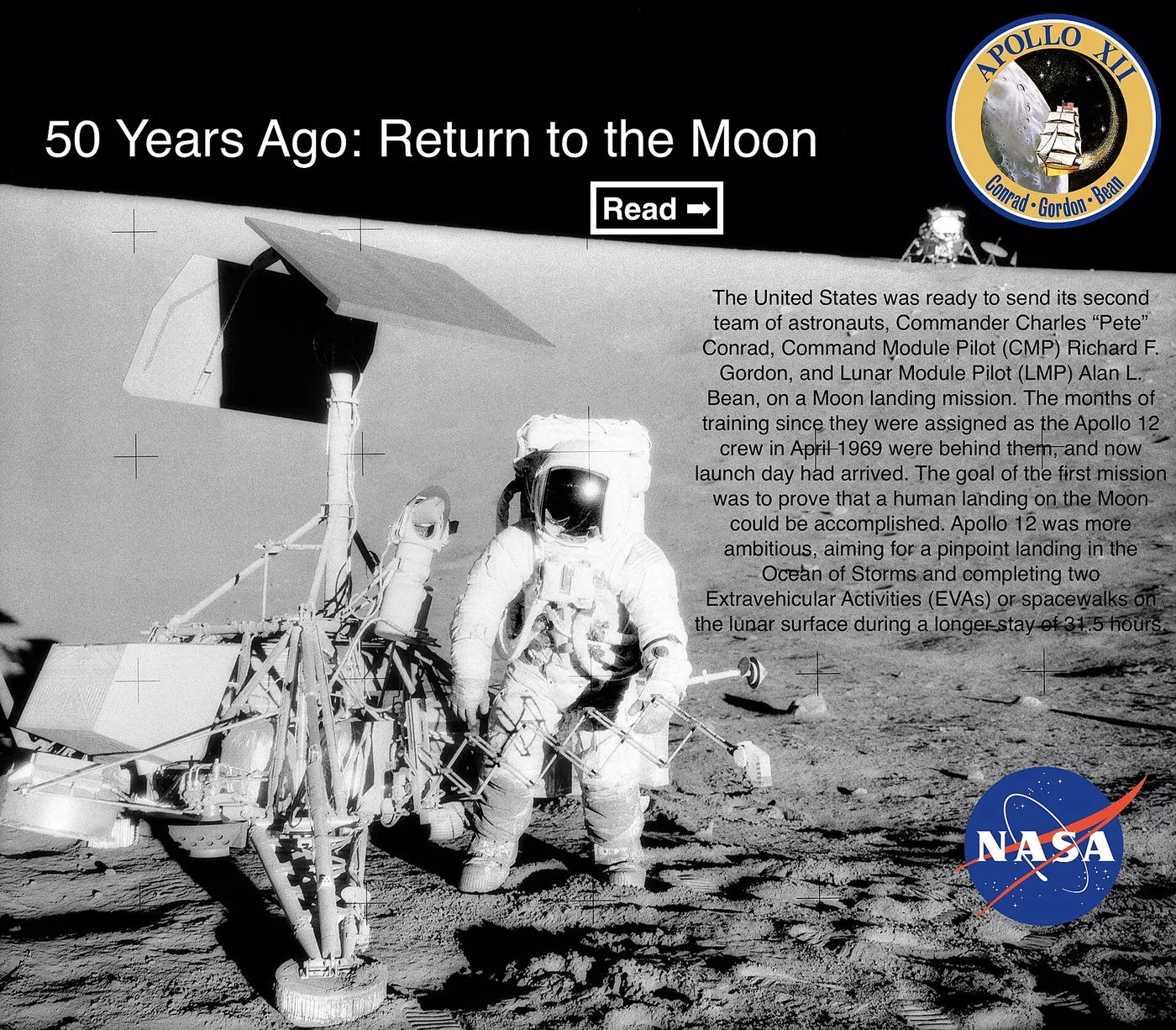
Apollo 12 also did something Apollo 11 could not: it landed precisely. Intrepid touched down within about 160 metres of Surveyor 3, an unmanned probe that had been sitting in the Ocean of Storms for two and a half years, and Conrad and Bean walked over and cut pieces off it to bring home — the first time anyone had recovered hardware from another world. That pinpoint accuracy was what unlocked the later missions to rougher, more interesting ground.
Not everything survived contact with reality. Bean, setting up the colour television camera, swung it across the Sun and burned out its tube instantly, so the world heard the second Moon landing but never saw it. He took the ribbing for decades, and later became something rarer than an astronaut: a painter, spending the rest of his life rendering the lunar surface in oils, mixing lunar dust from his mission patches into the paint.