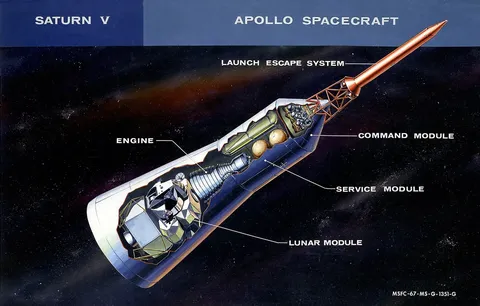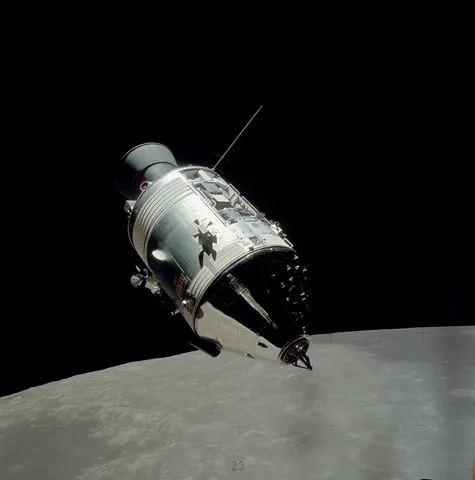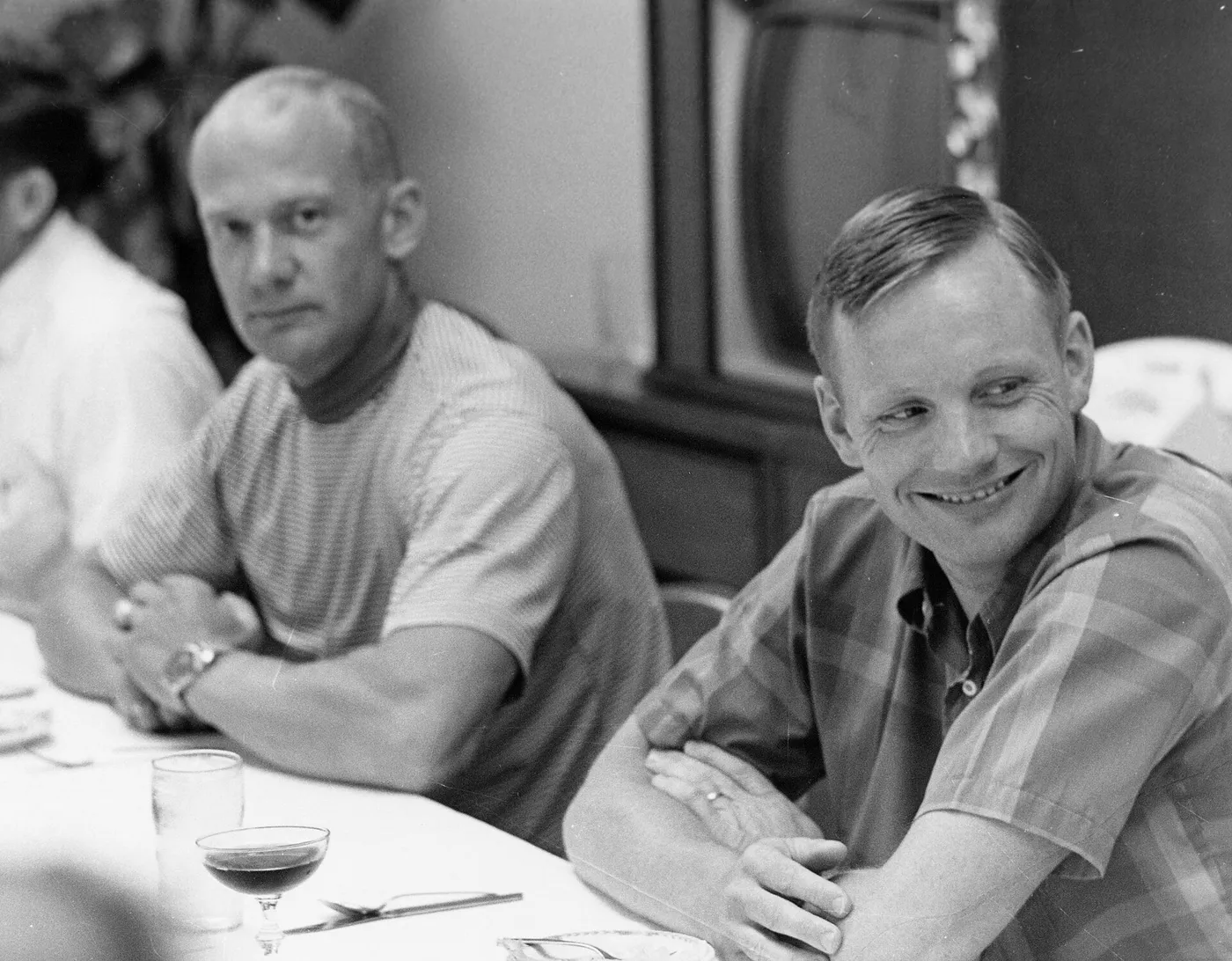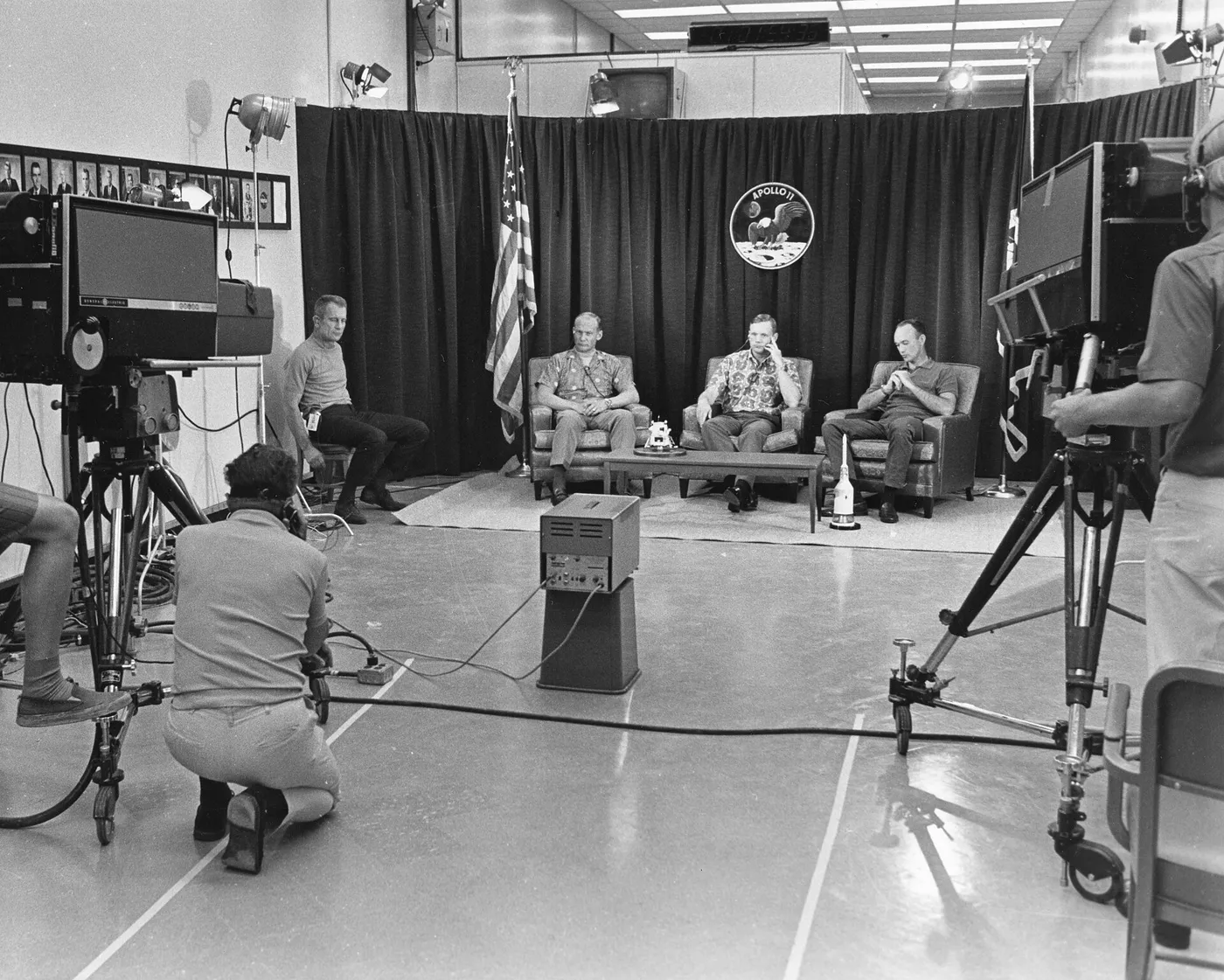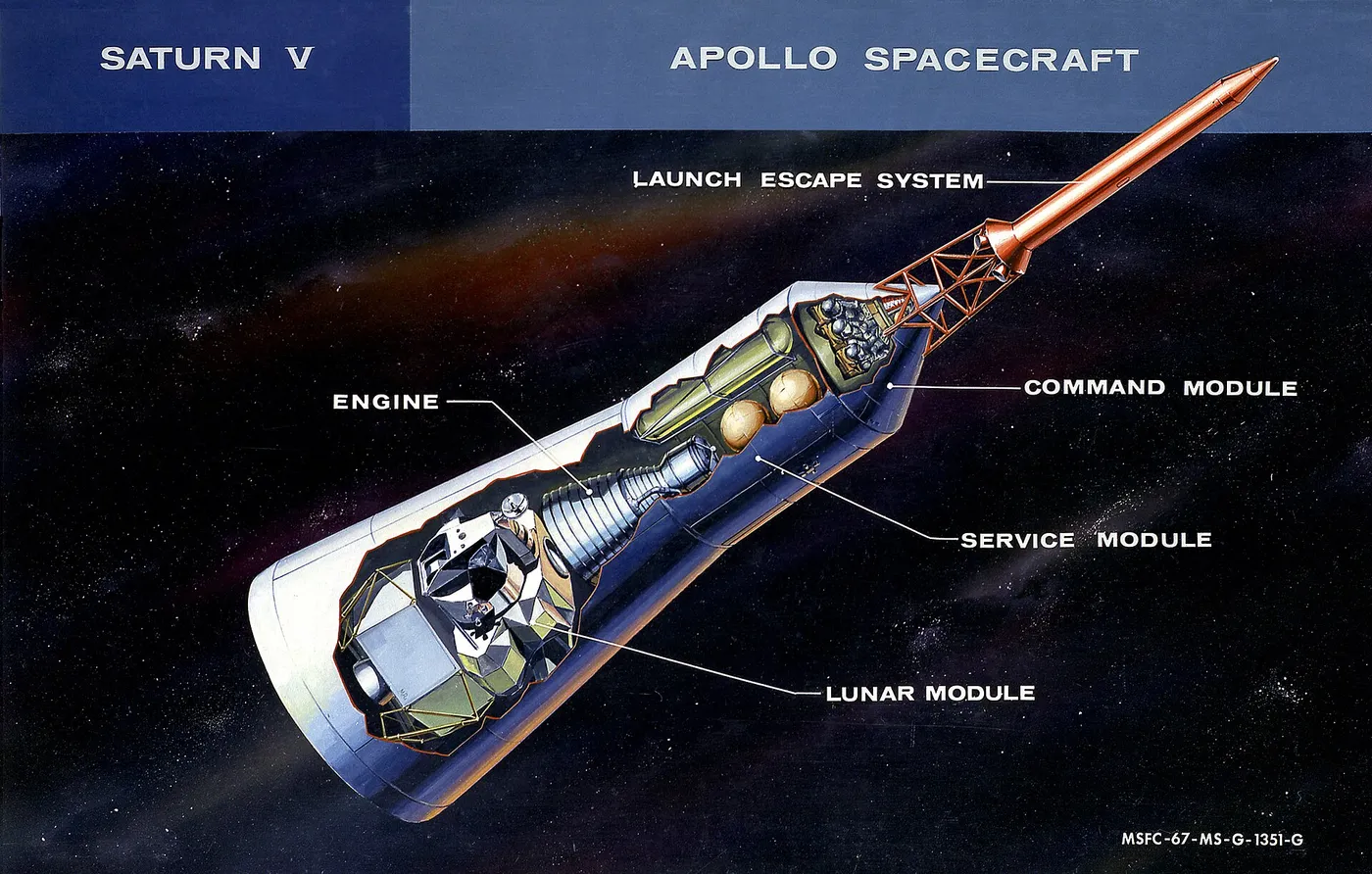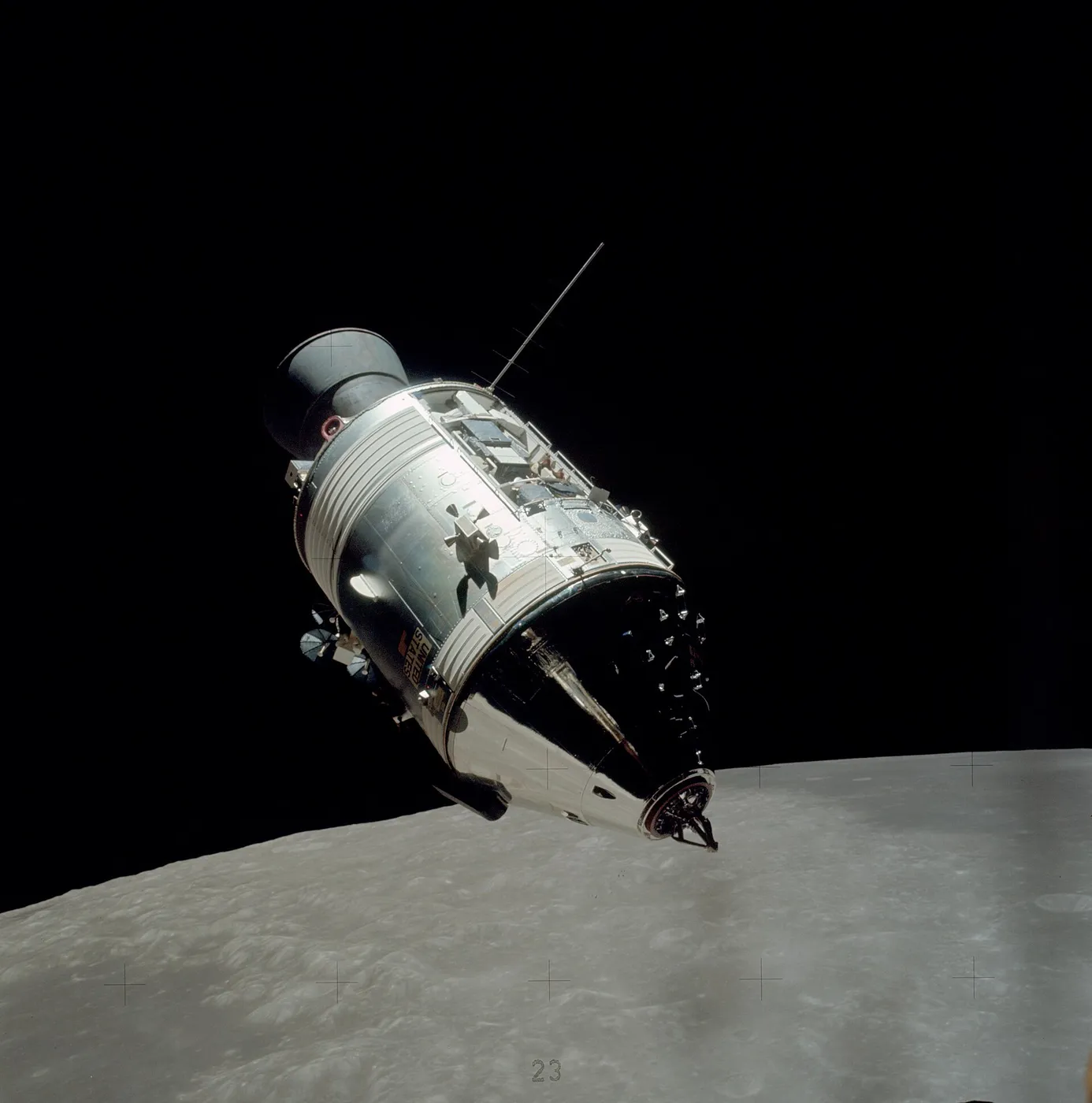
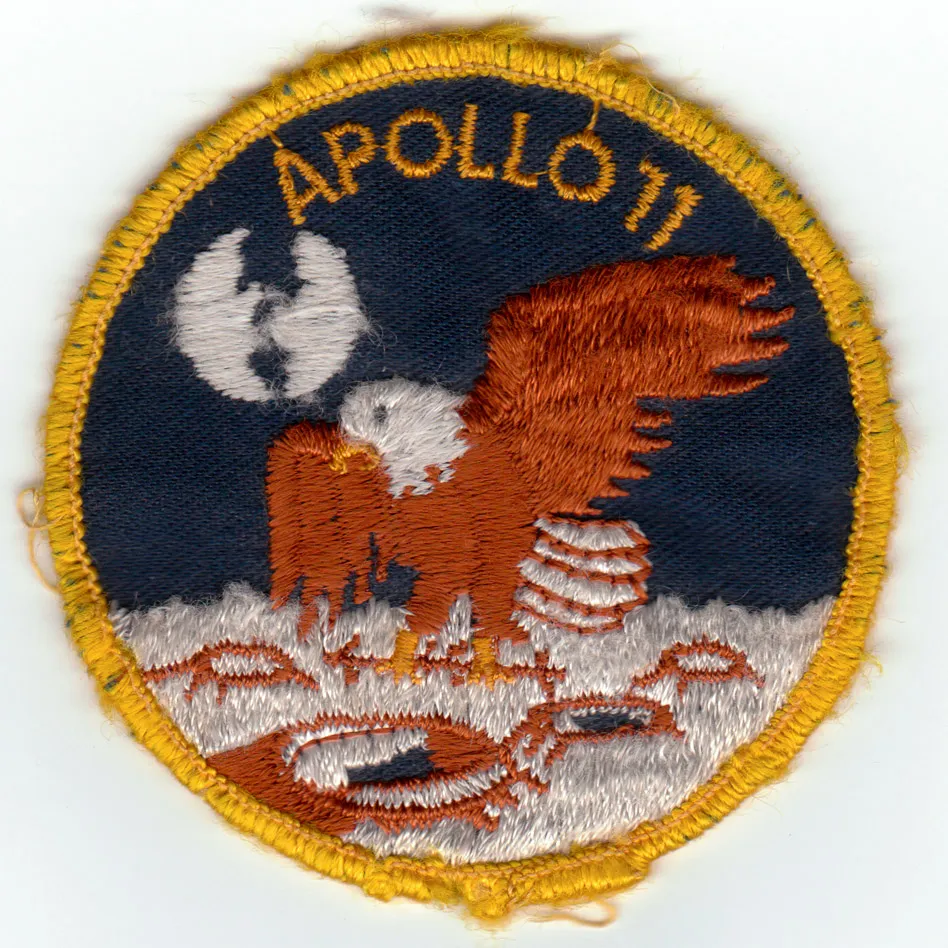
On 16 July 1969 a million people lined the Florida beaches and perhaps a fifth of humanity found a television, and Neil Armstrong, Buzz Aldrin and Michael Collins rode a Saturn V away from a promise made eight years earlier. Four days later Eagle separated from Columbia and started down towards the Sea of Tranquility, and almost immediately the descent began going wrong in small, accumulating ways.
First the computer began throwing alarms — 1202, then 1201 — codes nobody in the cabin recognised. In Houston a 26-year-old named Steve Bales, prompted by Jack Garman's hand-scrawled list, made the call within seconds: the guidance computer was overloaded but shedding low-priority work exactly as designed, and the landing was safe to continue. Then Armstrong looked out of the window and saw that the autopilot was flying them into a boulder field on the flank of a crater. He took manual control and flew on, hunting for smooth ground, while the fuel call-outs counted down towards nothing.
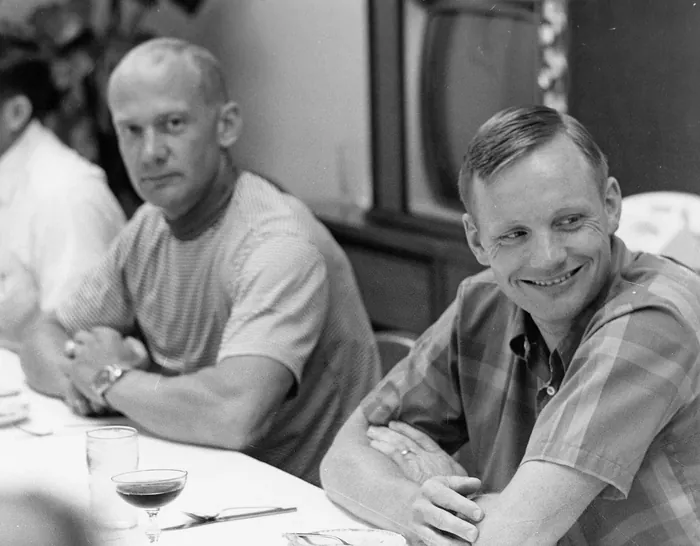
He set Eagle down with something under half a minute of hovering propellant remaining, and his voice arrived in Houston flat and level: Tranquility Base here, the Eagle has landed. Capsule communicator Charlie Duke's reply said everything about the room he was sitting in — that there were a bunch of guys about to turn blue, and they were breathing again. Before opening the hatch, Aldrin, an elder in his church, quietly took communion in the cabin.
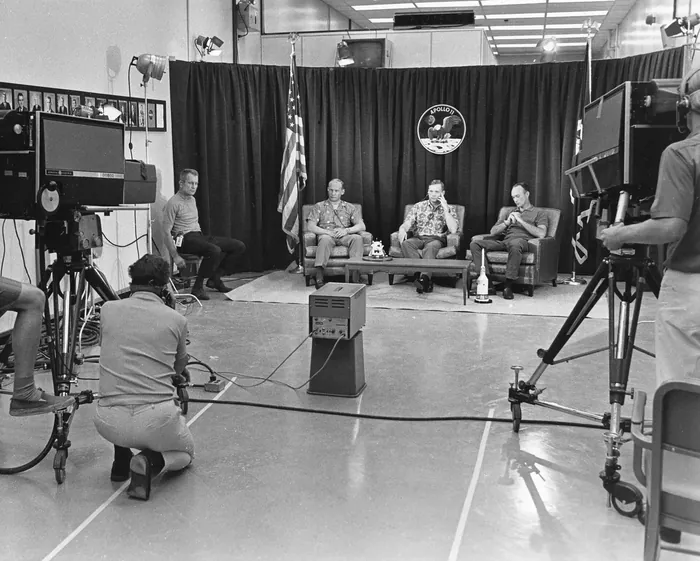
Armstrong stepped off the ladder at 02:56 UTC on 21 July with a line rehearsed to sound unrehearsed, and the two men were outside for barely two and a half hours. They planted a flag stiffened with wire because there is no wind, took a call from the President, set out a seismometer and a mirror array that scientists still bounce lasers off today, and gathered 21.5 kilograms of rock and dust. Overhead, Collins passed alone around the far side, out of contact with every other human being alive.
The last scare was almost banal. Back inside, Aldrin noticed a circuit breaker had snapped off — the one arming the ascent engine — and ended up pushing it in with a felt-tip pen. The engine lit, and on 24 July all three came home to a Pacific splashdown and three weeks in quarantine, on the off-chance they had brought something back. They had left a plaque behind: that they came in peace for all mankind. It is still there, along with the bootprints, in a place with no weather to erase them.