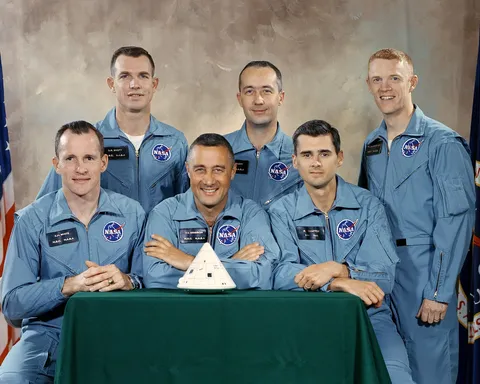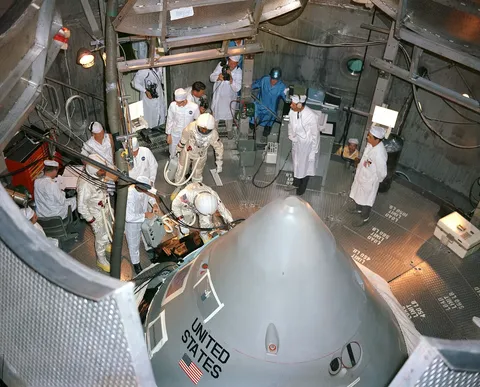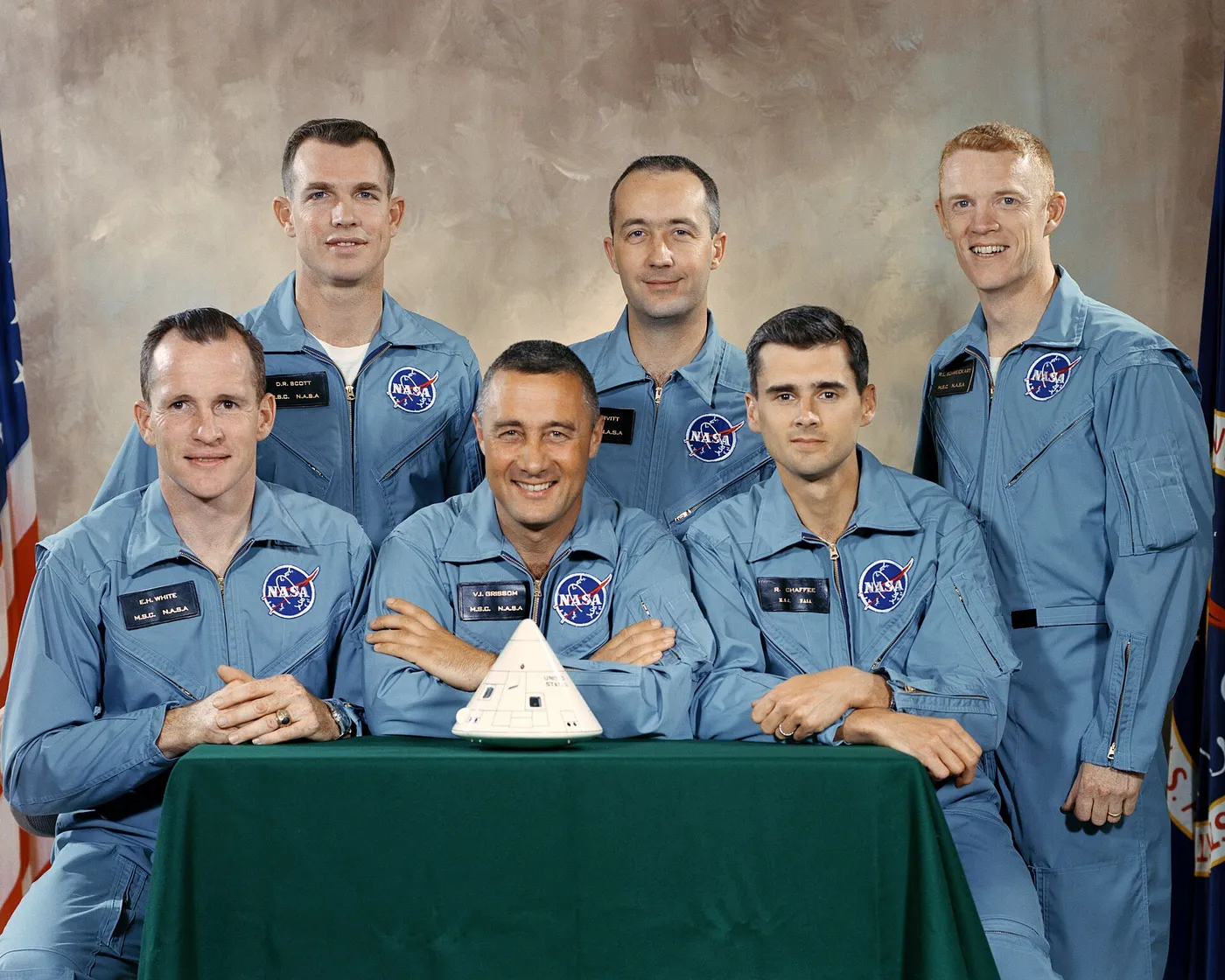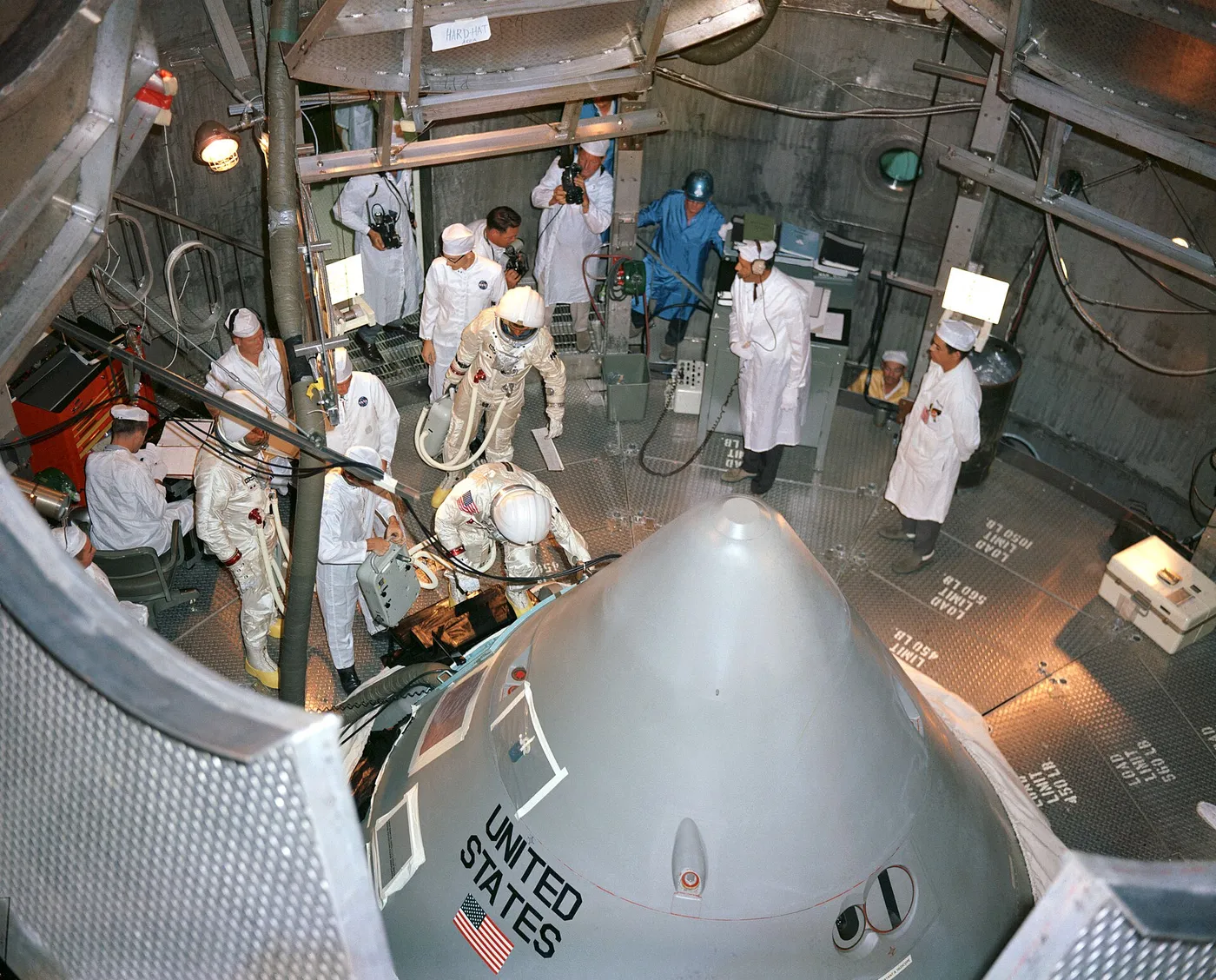
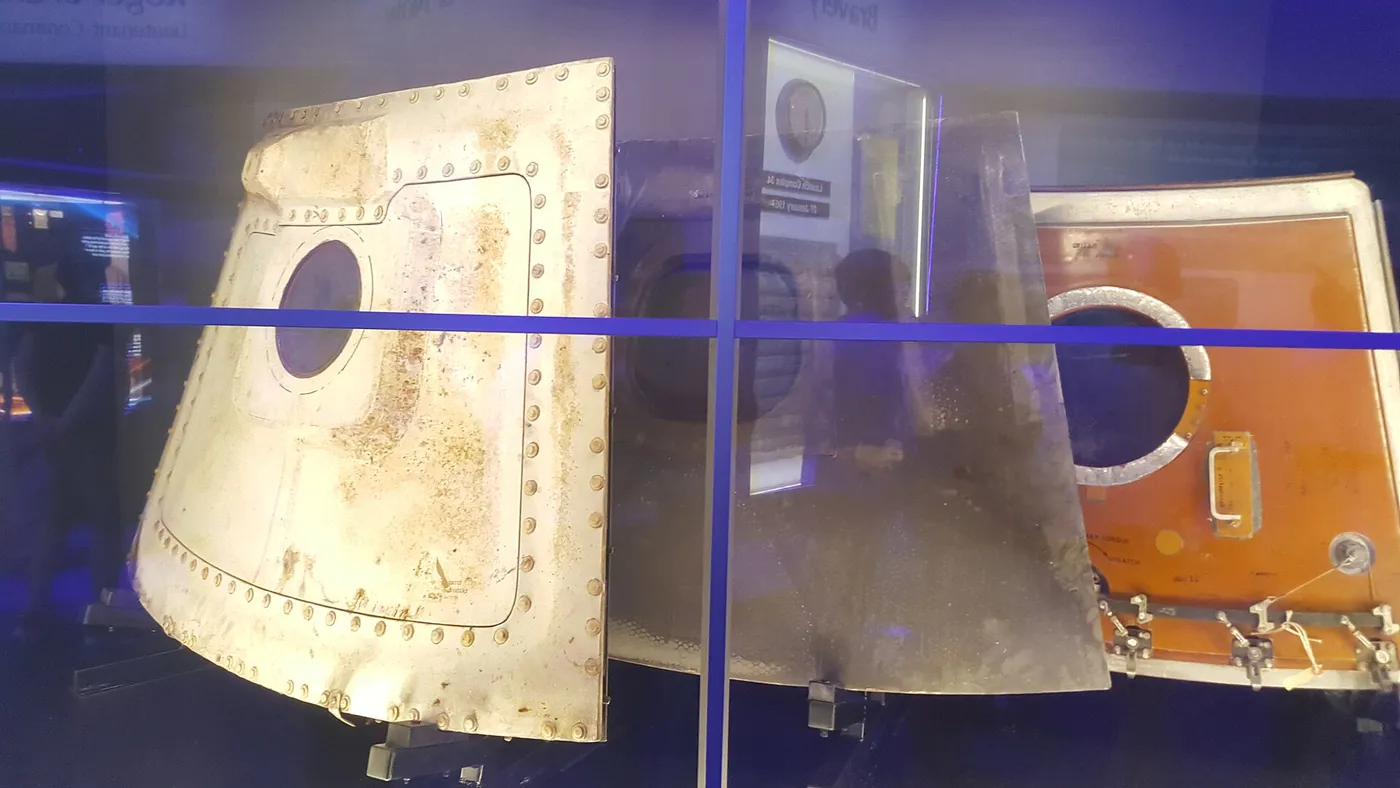
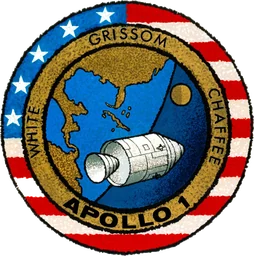
It was supposed to be a dull day. On 27 January 1967 Gus Grissom, Ed White and Roger Chaffee were strapped into their command module on Pad 34 for a “plugs-out” rehearsal — the rocket unfuelled, the countdown simulated, a test rated so low-risk it was not even classed as hazardous. The afternoon had been a litany of small miseries: a sour smell in Grissom's oxygen line, a stuck hatch, and a communications loop so bad that he finally snapped, “How are we going to get to the Moon if we can't talk between two or three buildings?”
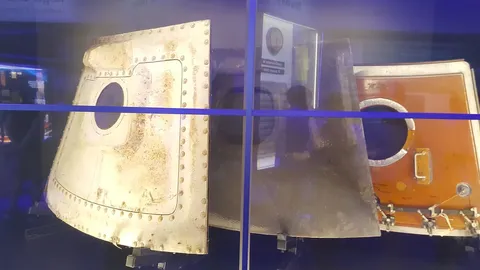
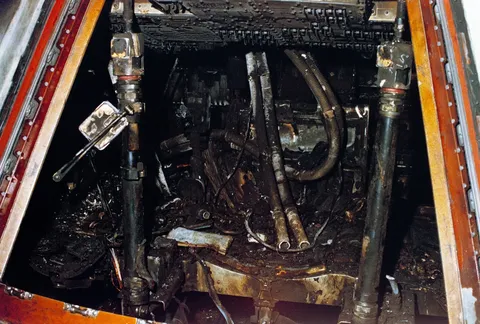
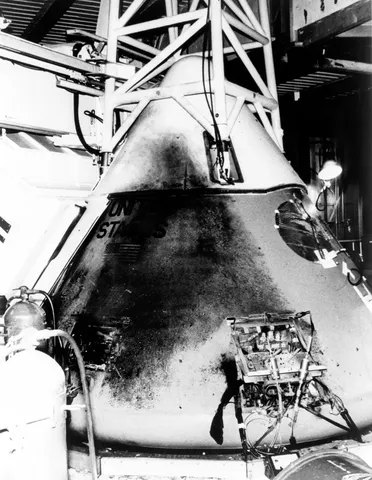
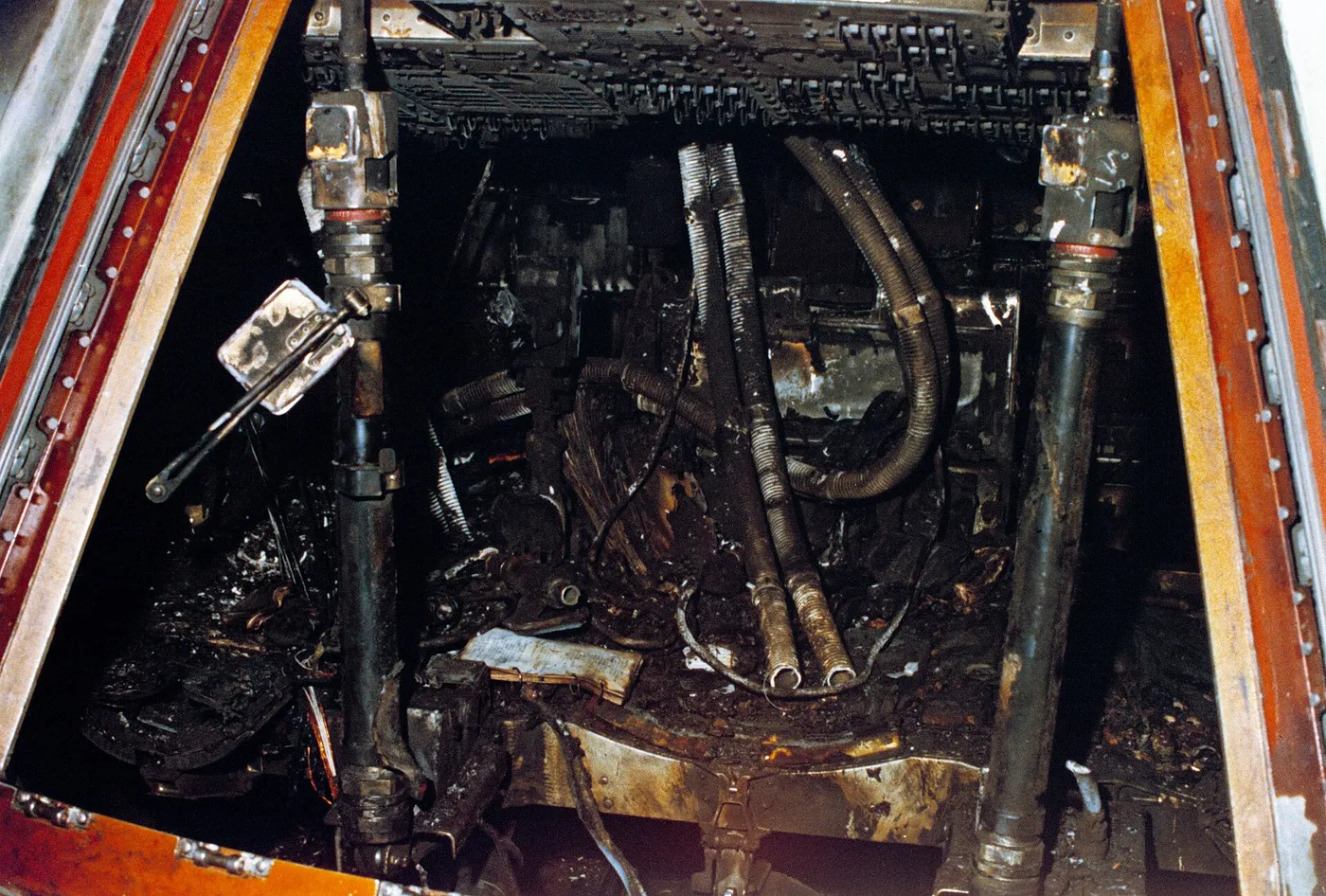
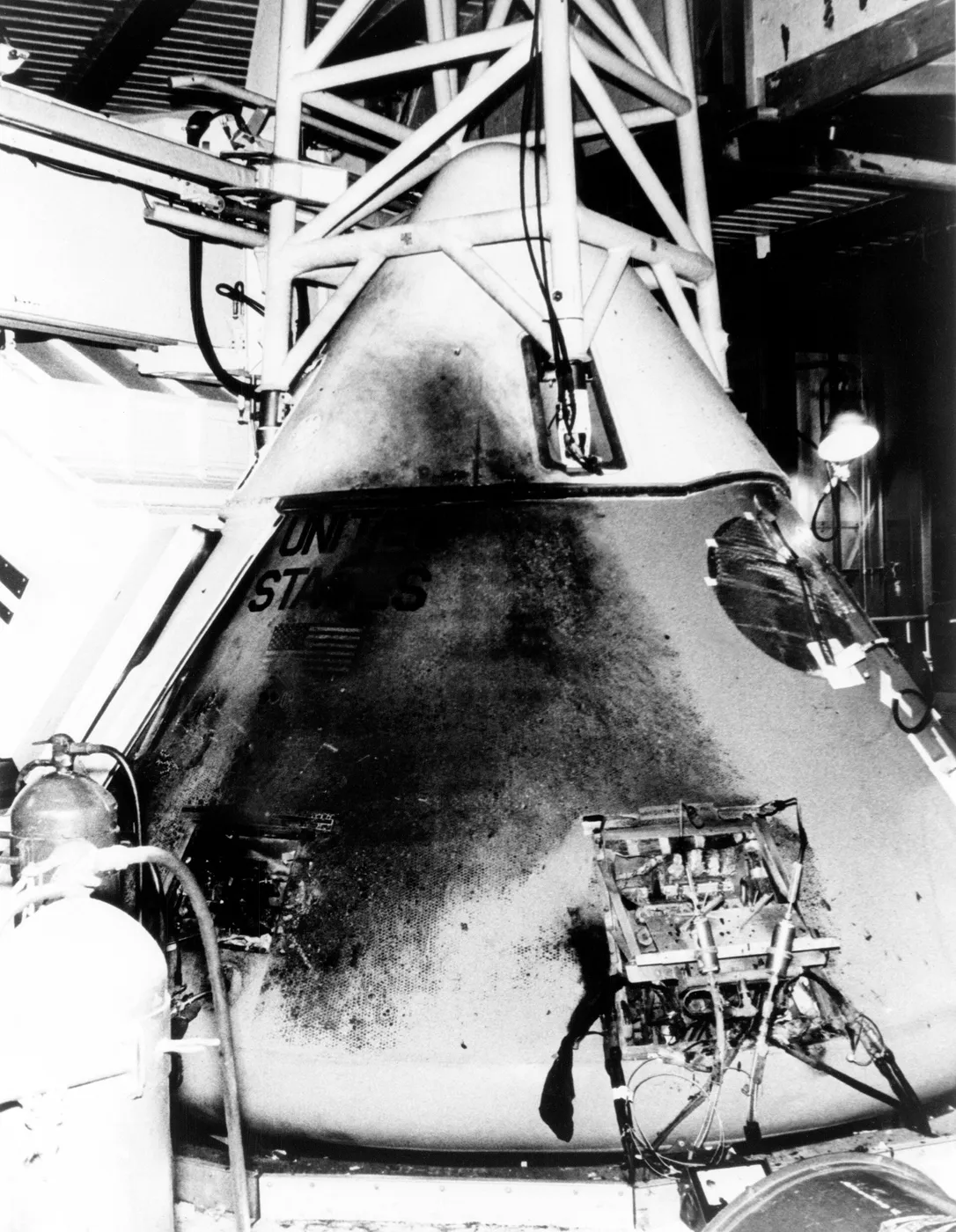
At 6:31 in the evening a voice broke over the loop: fire in the cockpit. What followed lasted under half a minute. The cabin was pressurised with pure oxygen above sea-level pressure, and inside it aluminium, nylon netting and kilometres of wiring became kindling; a spark, probably from chafed insulation beneath Grissom's couch, was all it took. The pressure spike sealed the crew's fate, because the hatch opened inward and could not be pulled against it. Pad technicians burned their hands trying. By the time they forced it, the three men had been dead for minutes, killed by smoke and carbon monoxide.
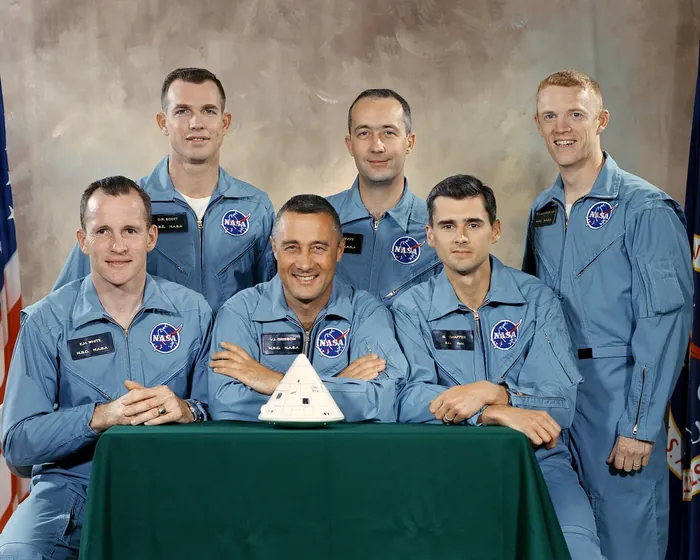
The public shock was immense, but inside NASA the reckoning was worse, because the causes were so ordinary: a design nobody had questioned, a test nobody had feared. Grissom had seen the trend if not the shape of it — frustrated with the simulator months earlier, he had hung a lemon on it. The board that dissected the spacecraft, with astronaut Frank Borman among its members, found not a single villain but a culture of accepted risk, and Borman's blunt summary to Congress — a failure of imagination — became the epitaph of the programme's first phase.
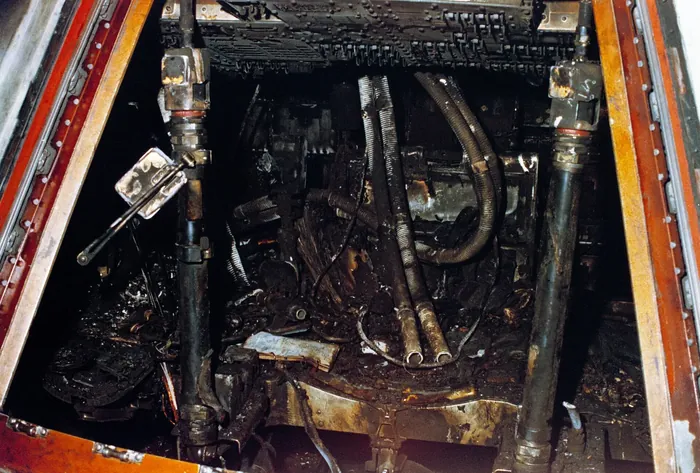
What came out of the ashes was a different spacecraft. The hatch was rebuilt to swing outward and open in seven seconds. The launch atmosphere became a nitrogen-oxygen mix. Flammable materials were hunted out of the cabin, wiring was armoured, and thousands of changes were traced through a redesign that consumed twenty months. The flight had been designated AS-204; at the request of the widows it was formally renamed Apollo 1, so that the mission the crew never flew would keep its place in the sequence.
The cruelty of it is that the fire almost certainly saved the programme. Every later Apollo crew flew in a machine hardened by what happened to Grissom, White and Chaffee, and men who might otherwise have died in lunar orbit came home instead. Pad 34's concrete legs still stand on the Florida coast, bearing a plaque that asks visitors to remember the price. Two and a half years after the fire, the Moon was reached in a vehicle built by people who had learned, at the worst possible cost, not to assume.