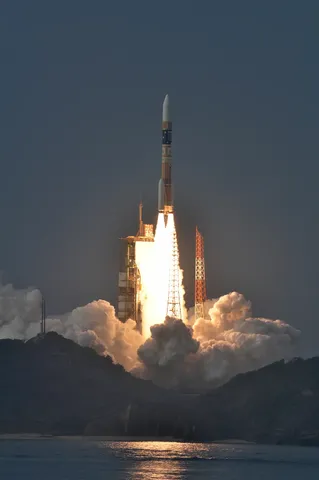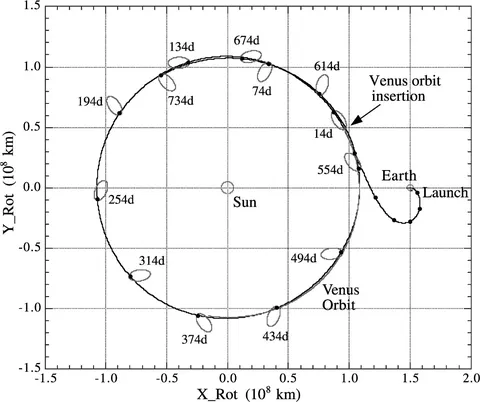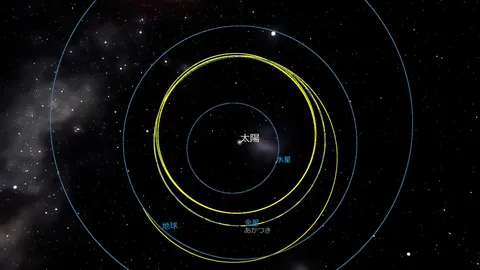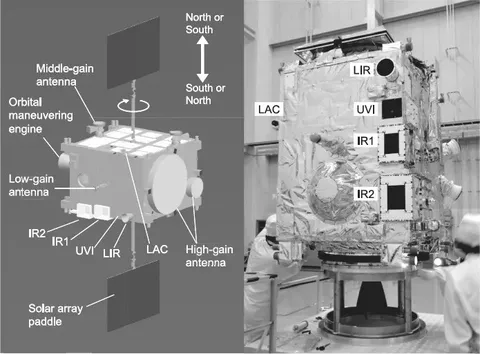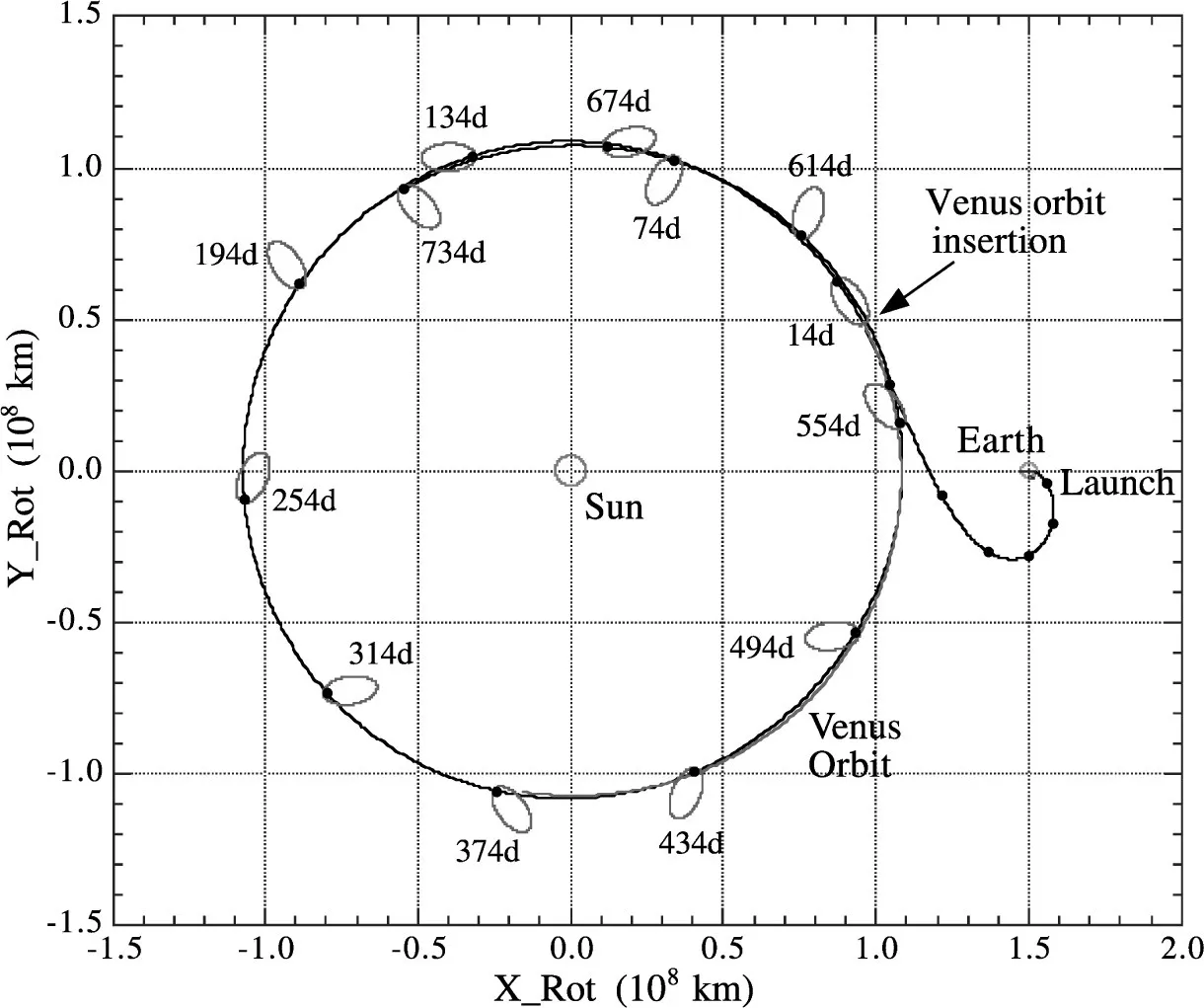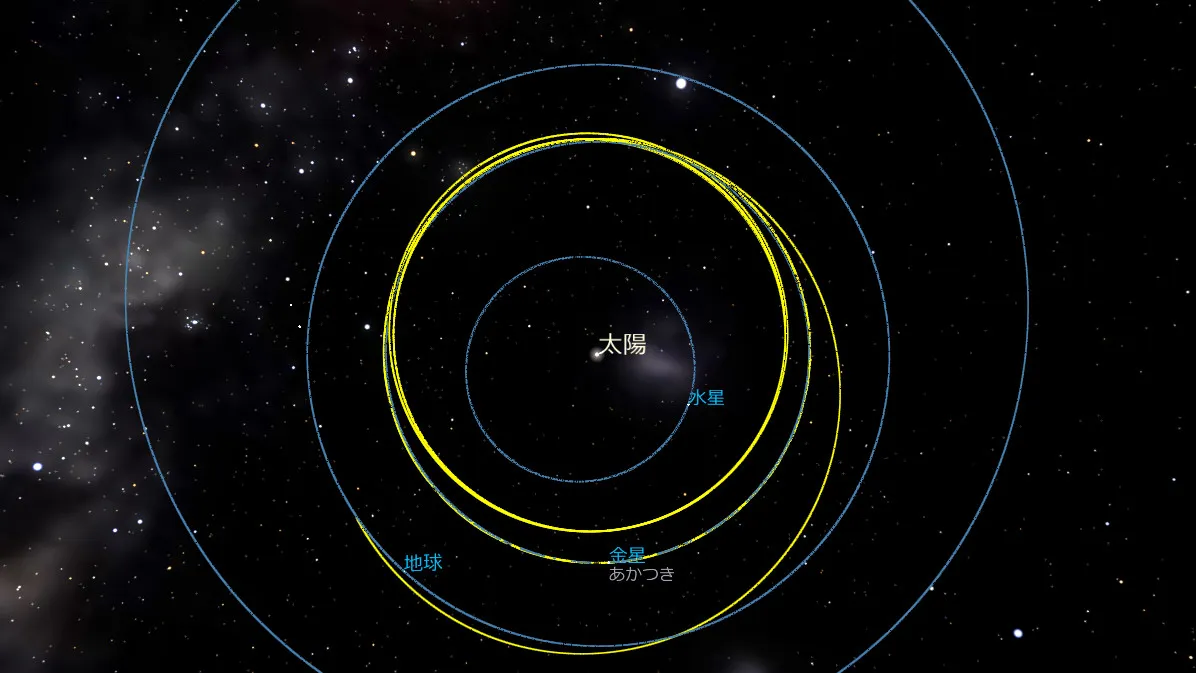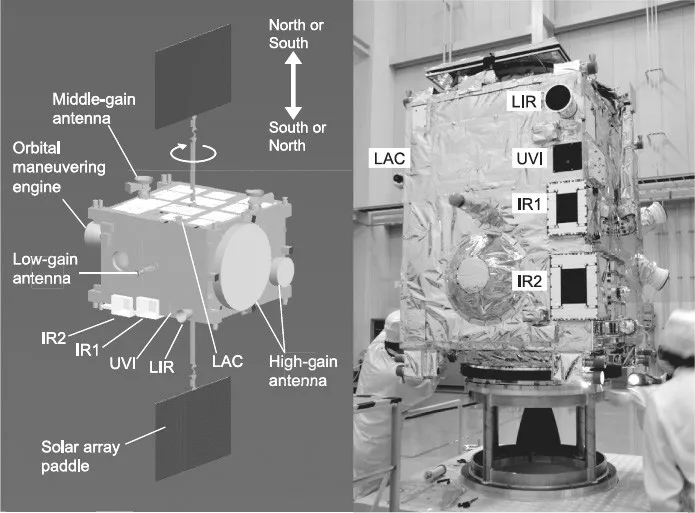
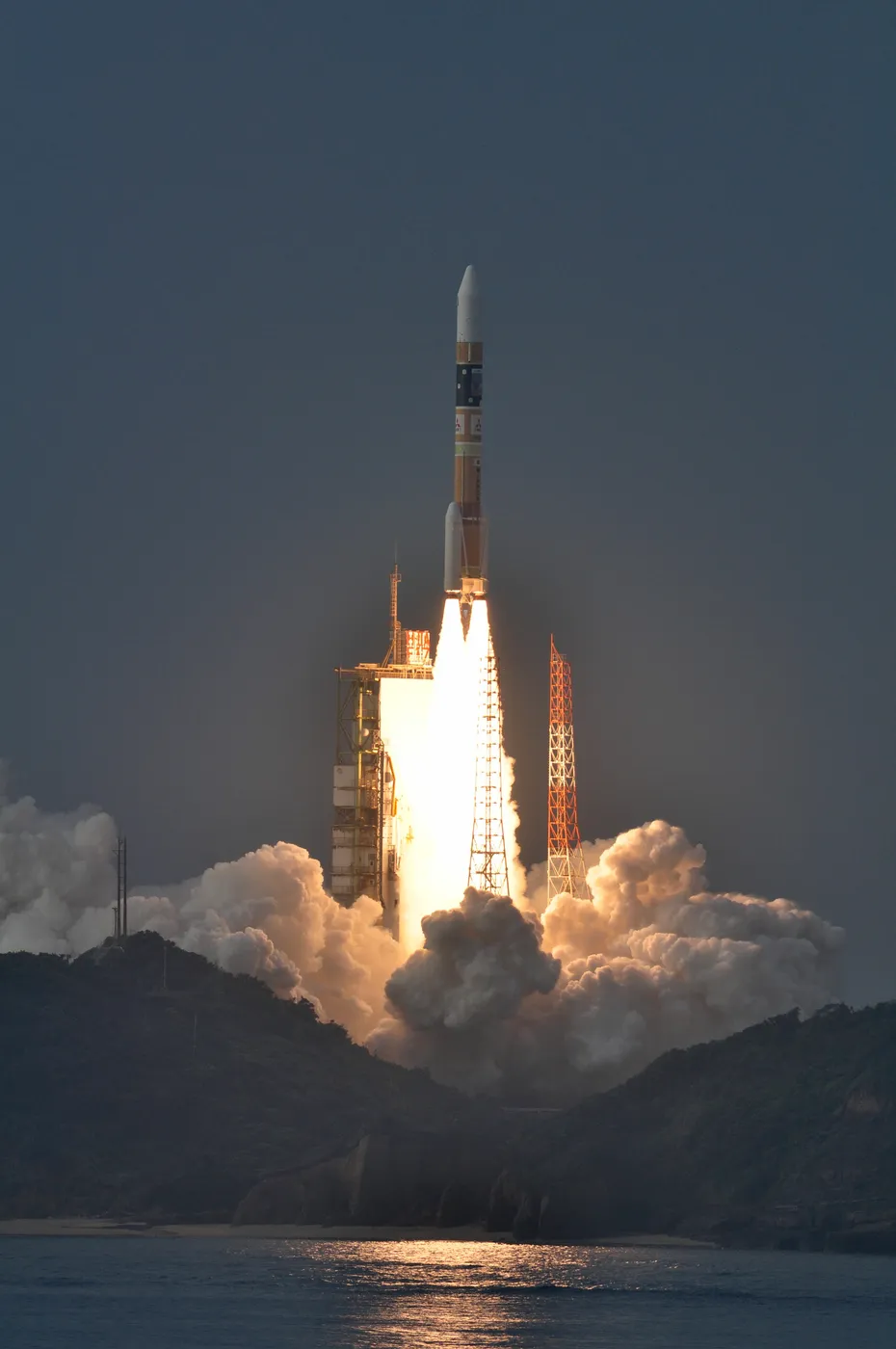

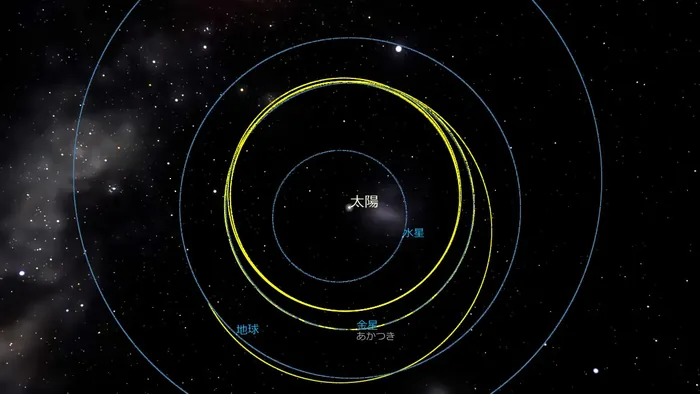
Akatsuki failed, drifted for five years, and then succeeded. Japan's Venus orbiter arrived in December 2010 and fired its main engine to enter orbit; the burn cut off after less than three minutes instead of twelve, and the spacecraft sailed past the planet into an orbit around the Sun.
The cause was a blocked valve in the fuel pressurisation system, where salt deposits had formed and starved the engine, which then overheated and shattered its own nozzle throat. The main propulsion system was destroyed. By every conventional measure the mission was over.
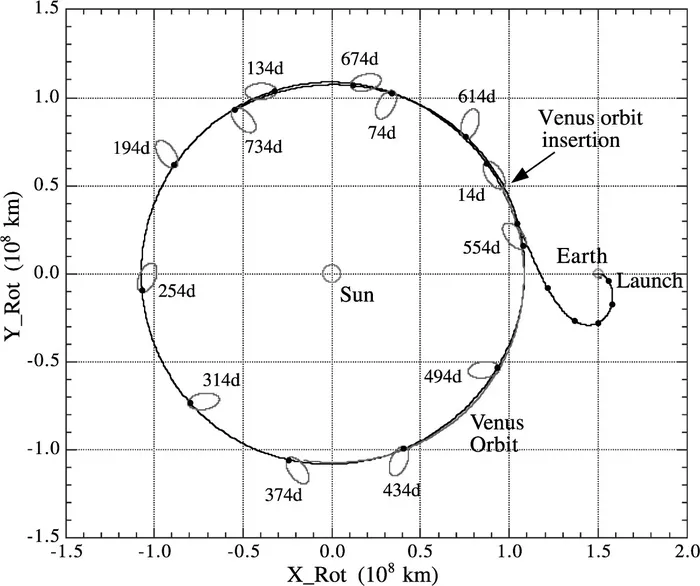
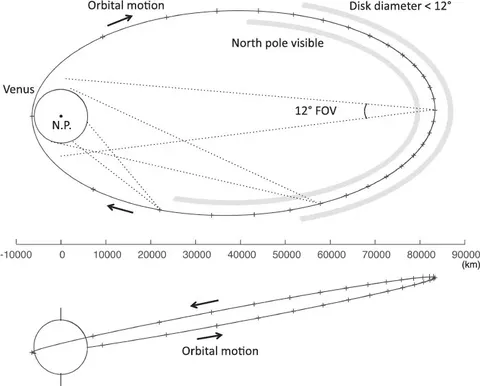
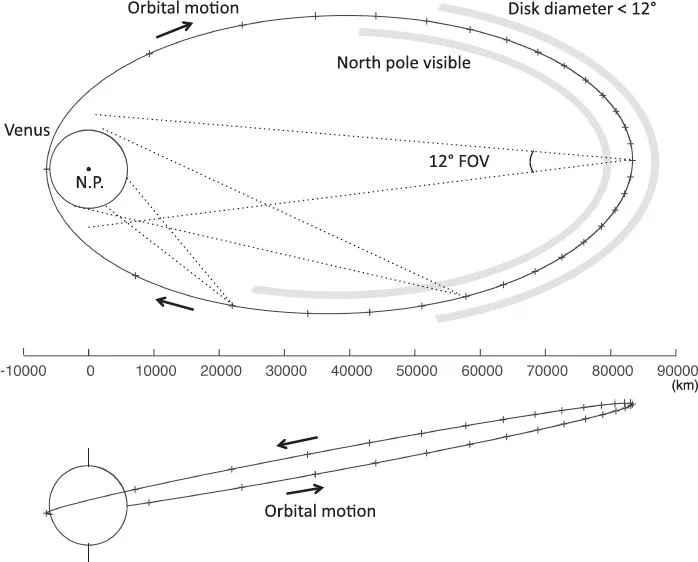
JAXA's engineers spent five years planning a rescue using only the small attitude-control thrusters, which had never been intended to perform orbital insertion and had to be repurposed by dumping the now-useless oxidiser to save mass. In December 2015, on the geometry's next opportunity, they fired those thrusters for twenty minutes and captured the spacecraft into a Venus orbit — far more elongated than planned, but an orbit.
The science that followed justified all of it. Within weeks Akatsuki photographed a bow-shaped bright structure some 10,000 kilometres long that stayed fixed above a mountain range while the atmosphere raced beneath it — an enormous stationary gravity wave, the largest ever observed in the solar system, produced by wind flowing over terrain.
It went on to track the mysterious ultraviolet absorber that gives Venus its markings, measure the superrotating winds in three dimensions, and operate for years past its revised design life. It stands as one of the most impressive recoveries in spaceflight, and JAXA lost contact with it in 2024.