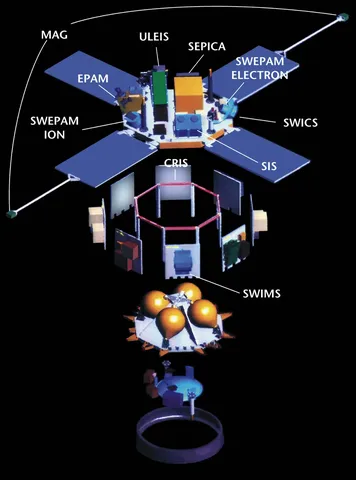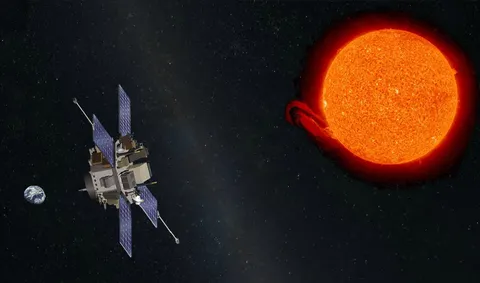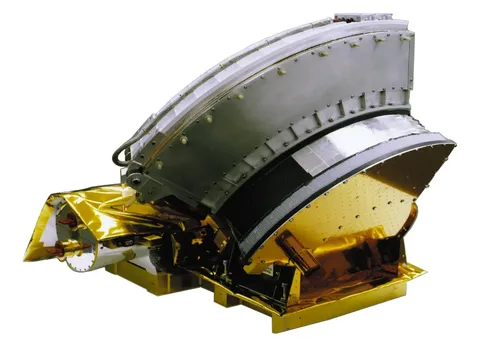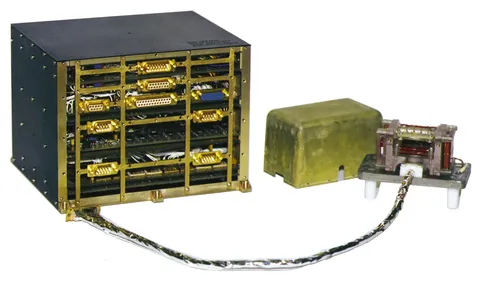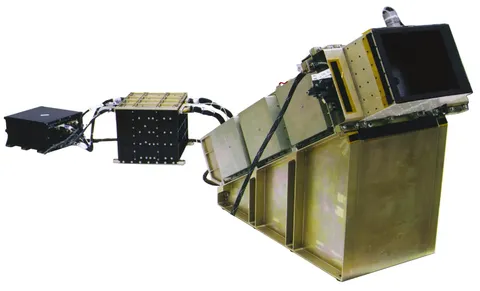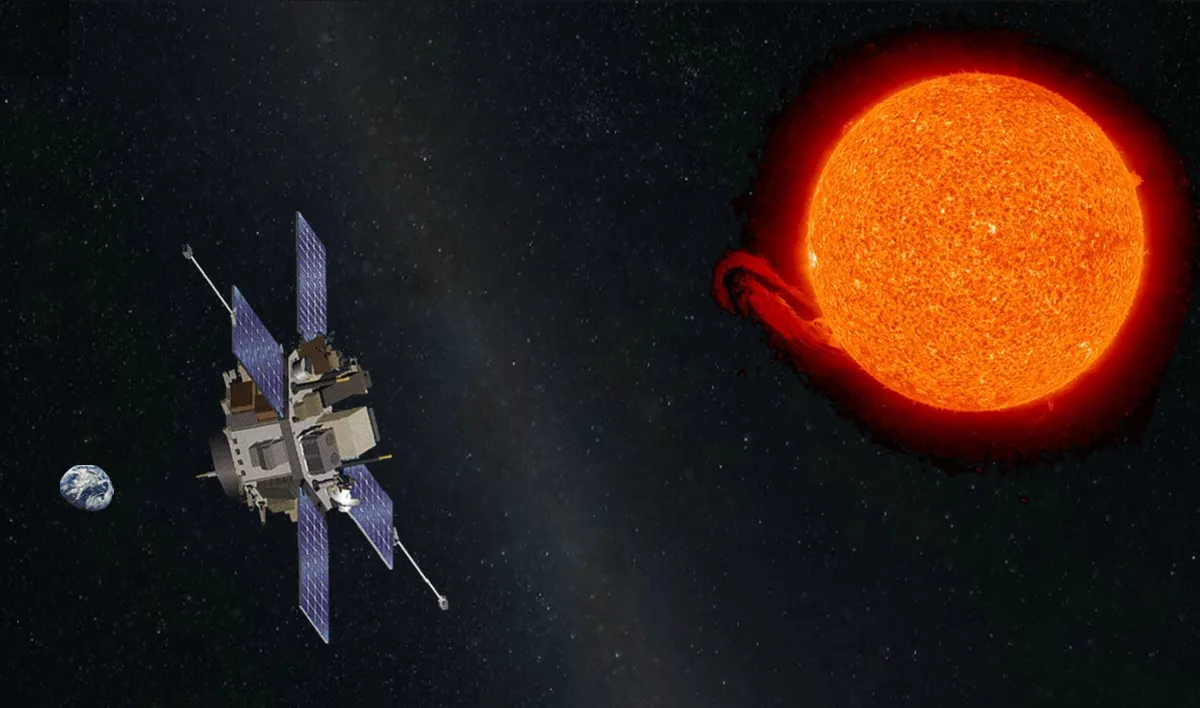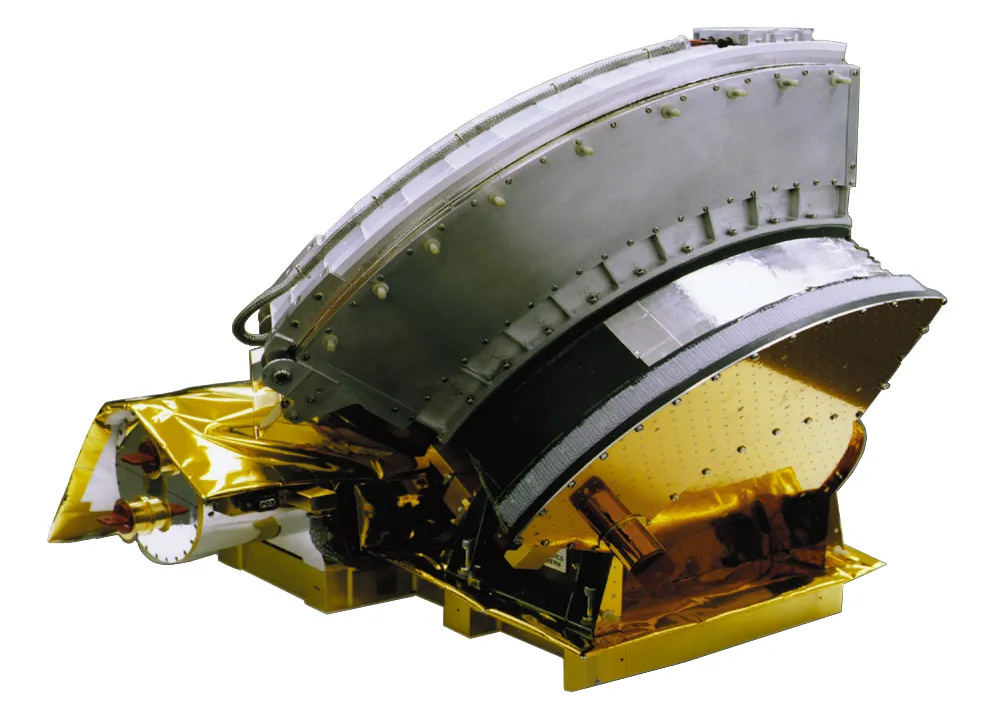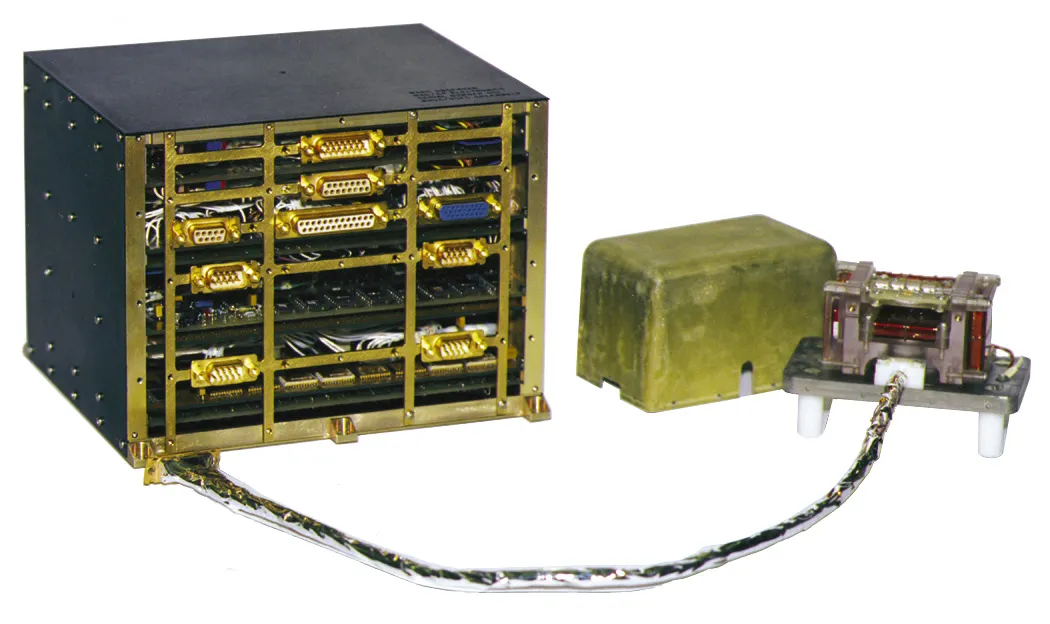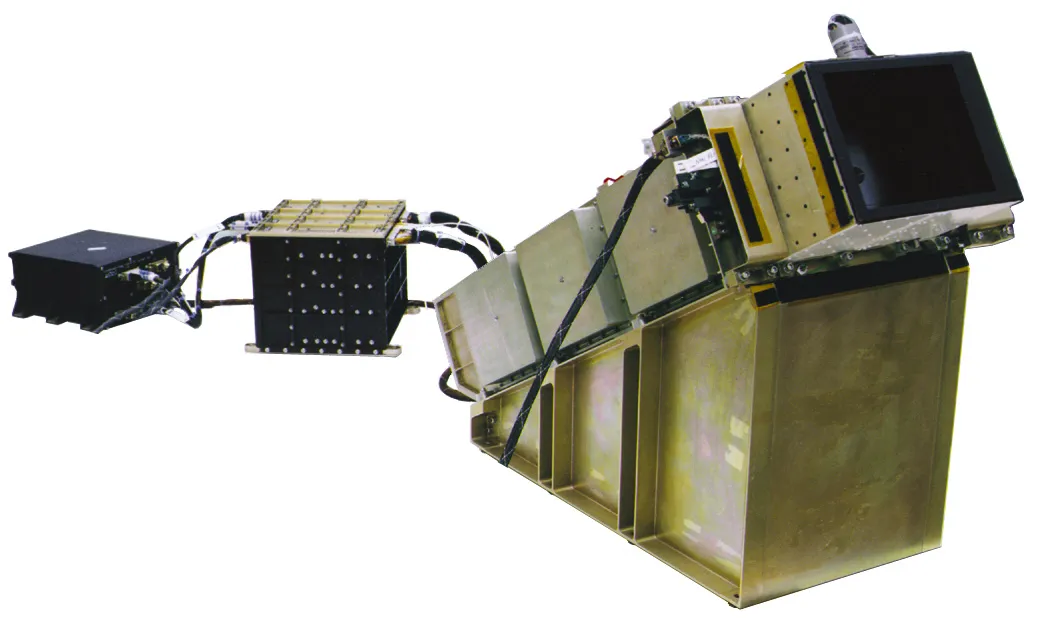
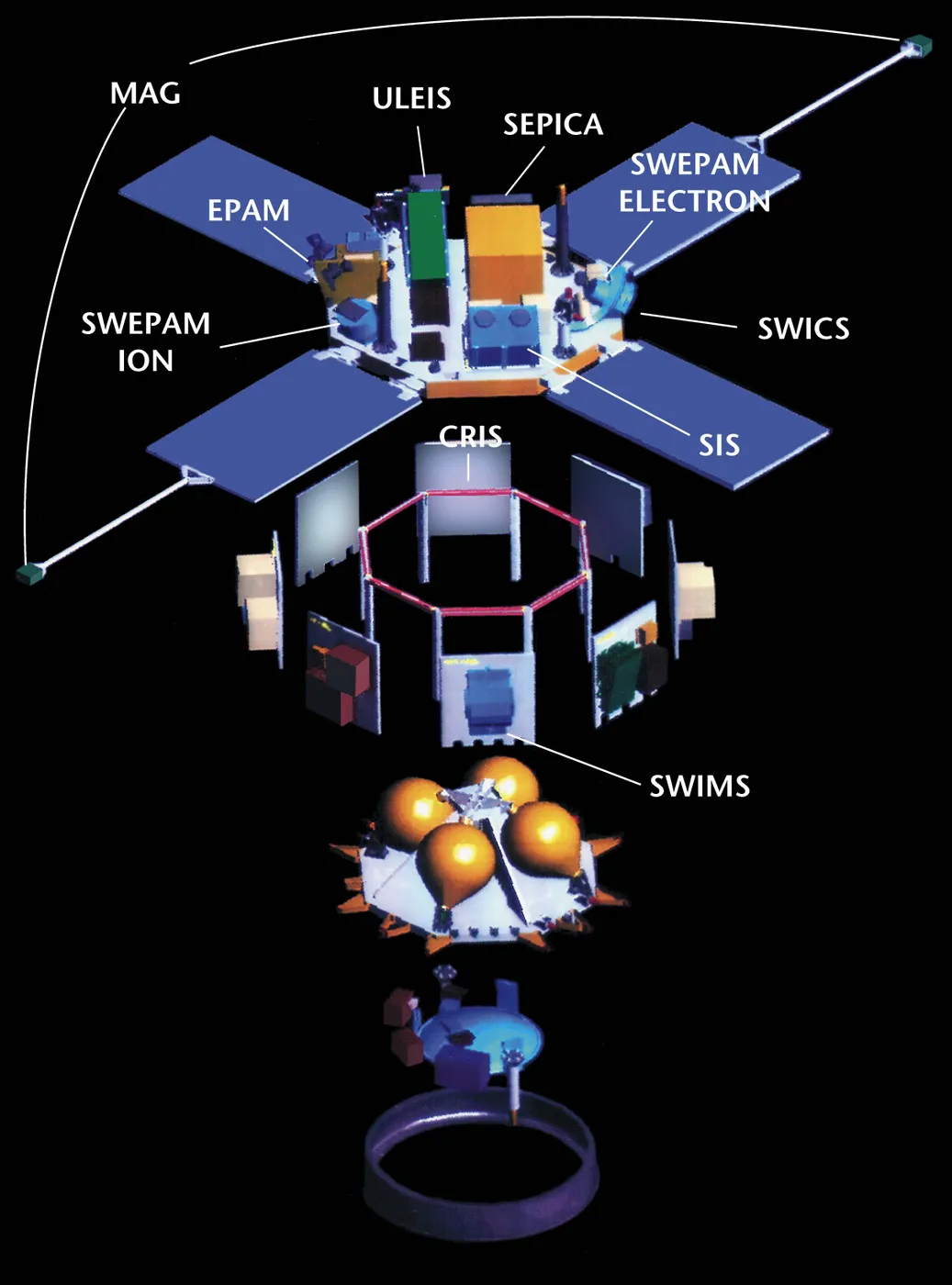

The Advanced Composition Explorer sits at the Lagrange point measuring what the solar wind is made of, atom by atom. Where other monitors measure the wind's speed and density, ACE determines its elemental and isotopic composition — which is what reveals where a given parcel of material came from.
That composition is a fingerprint. Material from the Sun's corona, from solar flares, from the local interstellar medium and from the galaxy at large all have distinguishable signatures, and separating them allows the different populations of particles arriving at Earth to be traced to their sources.
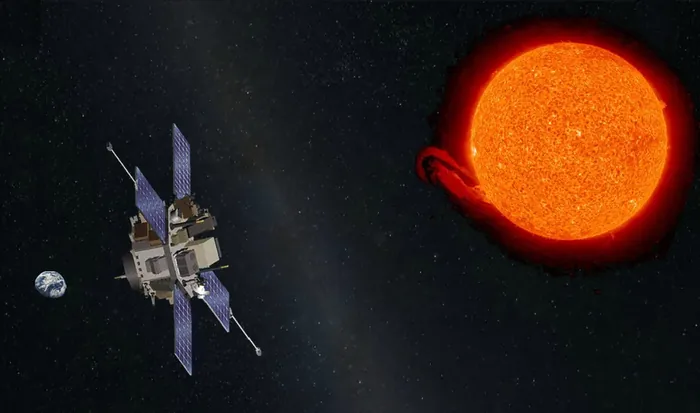
Its measurements refined the composition of the Sun itself, which serves as the reference for the composition of the original solar nebula, and constrained how particles are accelerated both at the Sun and at shocks in interplanetary space.
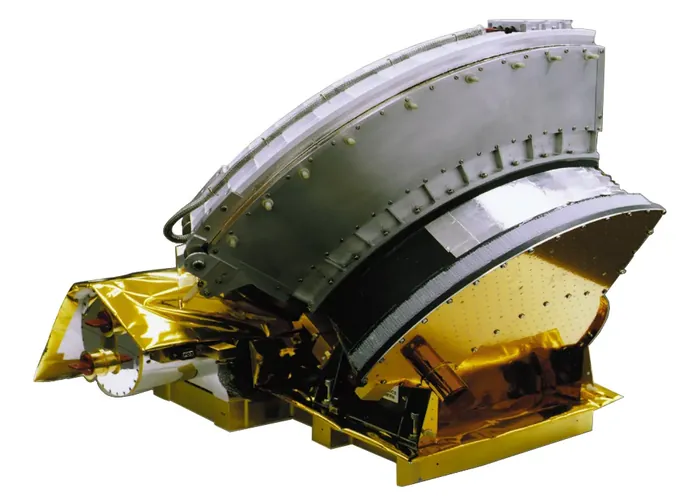
Its practical role is as a space weather sentinel. ACE provides the real-time solar wind data that feeds operational forecasting, giving roughly an hour's warning of the arrival of a disturbance — the basis on which power grid operators and satellite controllers take protective action.
It has operated since 1997 with a design life of five years, and it holds propellant into the 2030s. Like Wind and SOHO it is an ageing but irreplaceable piece of infrastructure, and the case for replacing the upstream monitors has been made repeatedly without being funded.