
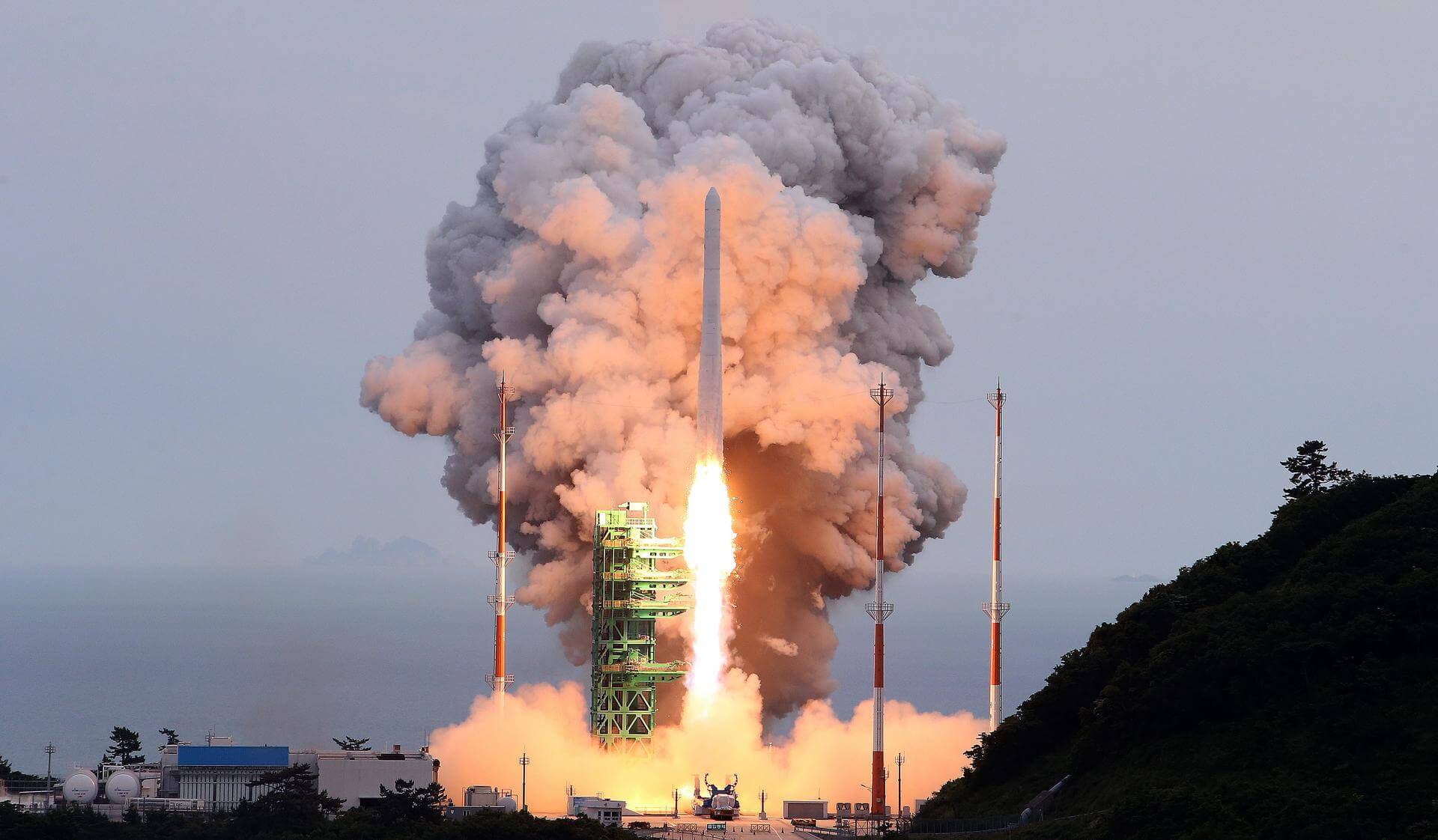
Overview
Nuri | NeonSat-2 to 6
To Be DeterminedLC-2, Naro Space Center, South Korea
October 31, 2026 — 00:00 UTC
Image credit: KARI/VNA/CVN
Launch Provider
Korea Aerospace Research Institute
- Country
- South Korea
- Founded
- 1989
- Leadership
- Administrator: Lee Sang-Ryool
- Launch Record
- 5 success, 3 failed
The Korea Aerospace Research Institute (KARI) established in 1989, is the aeronautics and space agency of Republic of Korea. Its main laboratories are located in Daejeon, in the Daedeok Science Town.
Mission
NeonSat-2 to 6
- Type
- Earth Science
- Target Orbit
- Sun-Synchronous Orbit
NeonSat-2 to 6 are part of the South Korean government's Earth observation micro-satellite constellation NeonSat (New-space Earth Observation Satellite). The NeonSat constellation is the first satellite system developed by the government using a mass-production approach for precise monitoring of the Korean Peninsula.
Launch Vehicle
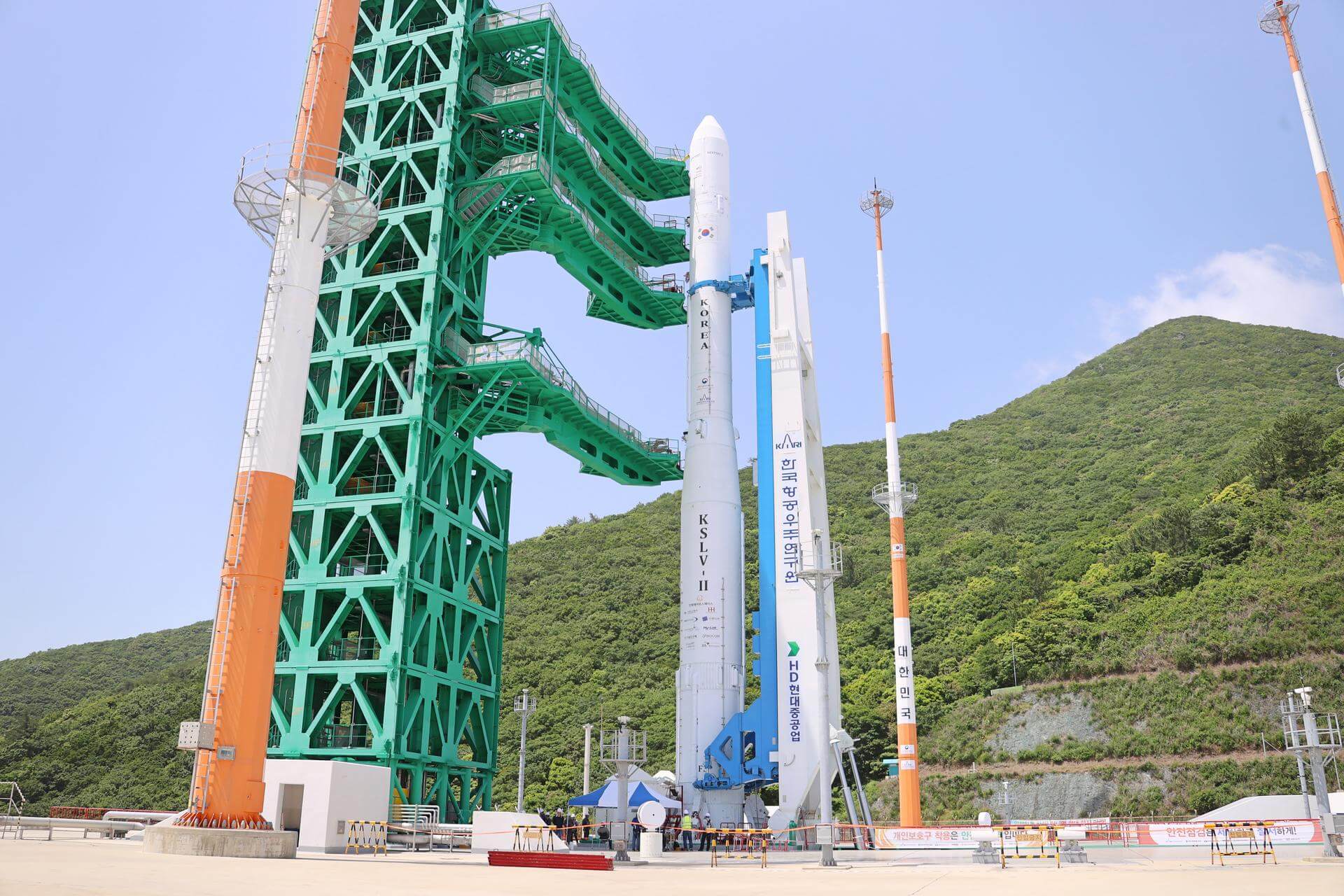
KSLV-2 Nuri
- Height
- 47.2 m
- Diameter
- 3.5 m
- Liftoff Mass
- 200.0 t
- Liftoff Thrust
- 2612.0 kN
- Mass to LEO
- 2600.0 kg
- Reusable
- No
- Maiden Flight
- 2021-10-21
- Launch Success
- 3 / 4
- Consecutive Success
- 3
Nuri, also known as KSLV-II, is South Korea's second carrier rocket and the successor to KSLV-1.
Launch Site
LC-2, Naro Space Center, South Korea
The Naro Space Center is a South Korean spaceport in South Jeolla's Goheung County, operated by the state-run Korea Aerospace Research Institute.
Latest Updates
Delayed to NET October.
July 29, 2026 — 11:13 UTC
NET September.
July 17, 2026 — 21:24 UTC
NET Q3 2026.
December 17, 2025 — 22:03 UTC
Added launch.
December 09, 2025 — 17:08 UTC